
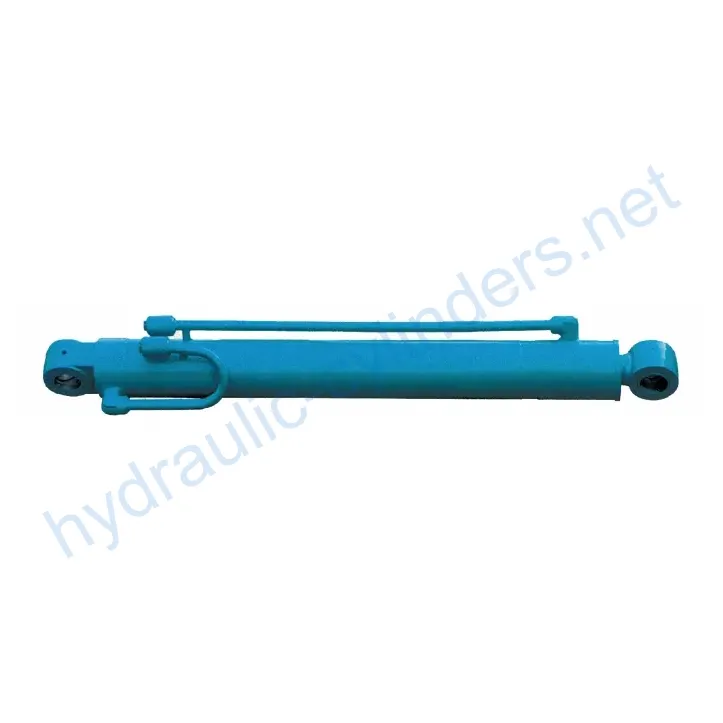
Arm CylinderFor Caterpillar Large Excavator E336D
En tant que fabricant, fournisseur et exportateur de produits mécaniques, nous proposons des vérins hydrauliques et de nombreux autres produits.
N'hésitez pas à nous contacter pour plus de détails.
Courrier :sales@hydraulic-cylinders.net
Fabricant fournisseur exportateur de vérins hydrauliques.
Arm Cylinder for Caterpillar Large Excavator E336D
Définition et explication
An arm cylinder is a hydraulic cylinder specifically designed to provide linear motion and power to the arm of various types of machinery, such as excavators, cranes, and robotic arms. The arm cylinder plays a crucial role in hydraulic systems, allowing additional tools or attachments to move and be controlled effectively. These cylinders not only enable smooth movements but also withstand heavy loads, ensuring efficient operation and reliability of the machinery in various working conditions.
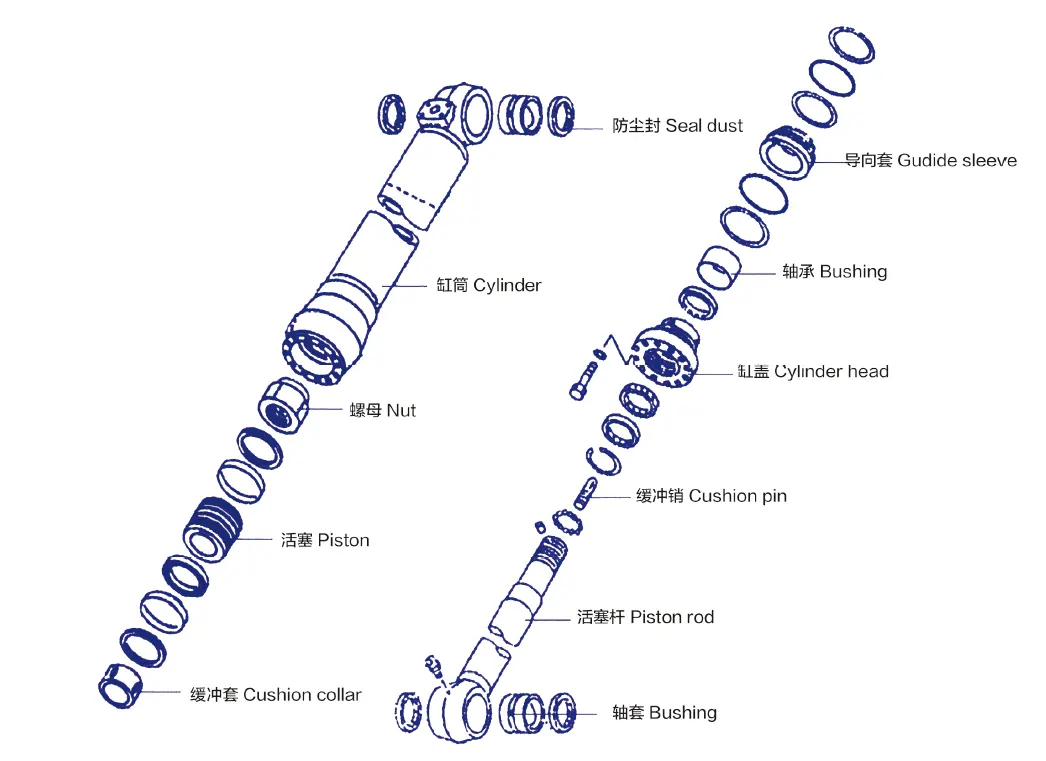
Caractéristiques
- Transmission à haut rendement : Le vérin du bras assure un mouvement linéaire et une force puissants, garantissant des performances élevées au bras mécanique dans diverses opérations.
- Contrôle précis : Grâce au système hydraulique, le vérin du bras permet un contrôle précis du mouvement, rendant le fonctionnement des outils fixés plus flexible et précis.
- Durabilité: Les vérins de bras sont généralement fabriqués à partir de matériaux à haute résistance, offrant une excellente résistance à l'usure et à la corrosion, ce qui les rend adaptés à une utilisation prolongée dans des environnements difficiles.
- Adaptabilité multifonctionnelle : These cylinders can be widely applied in various machinery equipment, such as excavators, cranes, and robotic arms, adapting to different operational needs.
- Entretien facile : Designed with ease of maintenance and replacement in mind, arm cylinders facilitate convenient regular inspections and upkeep, reducing equipment downtime.

Applications
1. Génie civil : Arm cylinders are used in excavators and cranes to control the movement of buckets or booms for land excavation, material handling, and structural installation.
2. Industrie manufacturière : In automated production lines, arm cylinders are employed for the motion of robotic arms, enabling processes such as assembly, welding, and material handling, thereby enhancing production efficiency and precision.
3. Machines agricoles : Arm cylinders are utilized in agricultural equipment like harvesters and seeders to control the movement of operating arms for tasks such as seeding, fertilizing, and harvesting.
4. Exploitation minière : Arm cylinders are crucial for controlling the arm movement of mining equipment, facilitating ore extraction and transportation.
5. Logistique et transport : Forklifts and handling robots utilize arm cylinders to control the lifting and movement of forks, enabling material handling and stacking operations.
Considérations de conception et critères de sélection
When it comes to arm cylinders, several design considerations and selection criteria are essential:
- Capacité portante : Arm cylinders should be able to handle the required load without compromising their performance or safety.
- Scellage: Various sealing components, such as piston seals and rod seals, are used to ensure proper sealing performance. These seals are often made of wear-resistant materials like polyurethane and nitrile rubber.
- Durabilité: Cylinder bodies and threaded ends undergo meticulous treatment to enhance wear resistance.
- Sécurité: Safety features are integrated into the design to ensure the secure operation of the arm cylinders.
- Maintenabilité : Arm cylinders are designed to be easily serviced and repaired, minimizing downtime during regular maintenance.

Étanchéité et lubrification
To ensure optimal performance, arm cylinders utilize various sealing components such as piston seals and rod seals. These seals are made of durable materials like polyurethane and nitrile rubber, providing excellent wear resistance. Additionally, the cylinder body and threaded ends undergo precise treatment to enhance wear resistance. Regular lubrication with the appropriate hydraulic oil is necessary to maintain smooth operation and longevity of the arm cylinder.
Inspection régulière et maintenance préventive
To ensure the optimal performance and longevity of the arm cylinder, it is essential to conduct regular inspections and implement preventive maintenance measures:
- Inspect and clean the cylinder regularly to remove any debris or contaminants that may affect its operation.
- Check the seals for any signs of wear or damage and replace them if necessary.
- Monitor the hydraulic fluid level and quality regularly, topping it up or replacing it as needed.
- Tighten any loose connections or fittings to prevent leaks and ensure proper functioning.
- Respectez les consignes du fabricant concernant les intervalles et les procédures d'entretien.

Guide d'installation du produit
Une installation correcte du vérin de bras est essentielle pour un fonctionnement optimal et une sécurité maximale. Suivez ces étapes :
- Ensure the machinery is turned off and hydraulic pressure is relieved.
- Securely position the arm cylinder in the designated mounting location using appropriate fasteners and brackets.
- Connect the hydraulic hoses to the cylinder’s ports, ensuring a secure and leak-free connection.
- Check all connections for tightness and proper alignment.
- Inspect the installation for any potential interferences or clearance issues.
- Once everything is confirmed, restore hydraulic pressure and test the function of the arm cylinder.

Considérations de sécurité et facteurs environnementaux
When working with arm cylinders, it is crucial to prioritize safety measures. The following points highlight the importance of safety precautions:
- Ensure proper training and qualification of personnel involved in operating and maintaining the machinery equipped with arm cylinders.
- Follow all recommended safety guidelines and procedures provided by the manufacturer.
- Regularly inspect the cylinder and associated components for any signs of wear, damage, or potential hazards.
- Adhere to environmental regulations and dispose of any hydraulic fluids or components responsibly.
Diagnostic et dépannage des pannes
Despite their reliable design, arm cylinders may encounter issues that require troubleshooting. Here are some common problems and possible solutions:
- Problème: Slow or erratic movement of the arm cylinder.
- Problème: Bruit ou vibrations excessifs pendant le fonctionnement.
- Problème: Fuite du cylindre.
Solution: Check for low hydraulic fluid levels, fluid leaks, or possible blockages. Ensure proper lubrication and clean the cylinder thoroughly.
Solution: Inspect the mounting brackets and fasteners for looseness. Check for damaged seals or misalignment of components.
Solution: Inspect all seals for wear or damage and replace as necessary. Ensure proper installation and tight connections.
Remember to organize the article logically, use subheadings for easy navigation, incorporate relevant images or charts to enhance understanding, and ensure the content is clear, concise, and suitable for readers with various levels of technical knowledge.
À propos de nous
We are a professional manufacturer of replacement hydraulic cylinders, offering a wide range of products. We have become one of the leading manufacturers and wholesalers of hydraulic cylinders in both domestic and international markets. Our principles revolve around delivering excellence in quality, relying on industrialized production management strategies in our sophisticated manufacturing workshops to continuously enhance technical expertise and production efficiency.
By introducing advanced digital manufacturing
Vérin hydraulique Application :

 FR
FR  EN
EN  PT
PT  ES
ES  DE
DE  IT
IT  AR
AR  ZH
ZH  RU
RU  KO
KO  KA
KA  BG
BG  CS
CS  DA
DA  EL
EL  ET
ET  FI
FI  HU
HU  ID
ID  LT
LT  LV
LV  NB
NB  NL
NL  PL
PL  RO
RO  SK
SK  SL
SL  SV
SV  TR
TR  UK
UK