
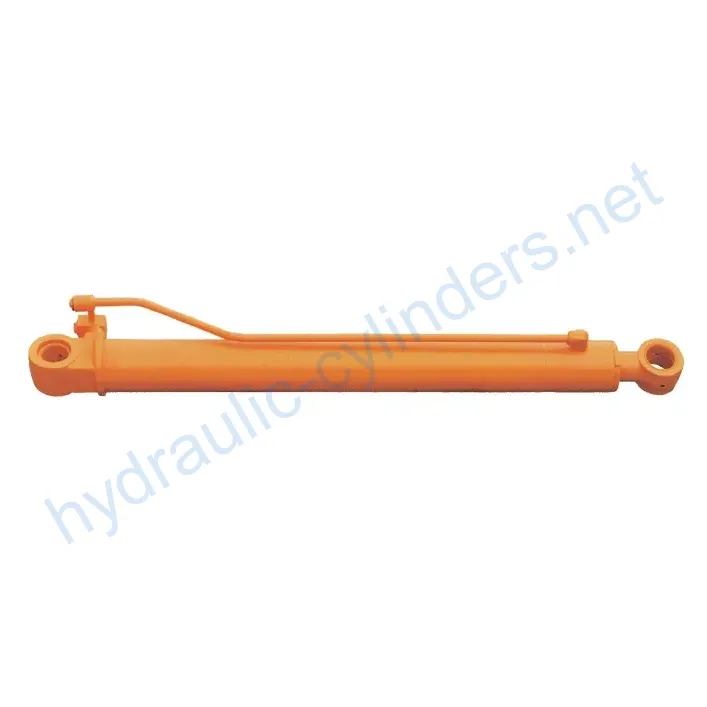
Arm CylinderFor Sumitomo Large Excavator SH300-5
En tant que fabricant, fournisseur et exportateur de produits mécaniques, nous proposons des vérins hydrauliques et de nombreux autres produits.
N'hésitez pas à nous contacter pour plus de détails.
Courrier :sales@hydraulic-cylinders.net
Fabricant fournisseur exportateur de vérins hydrauliques.
Arm Cylinder For Sumitomo Large Excavator SH300-5
Introduction
The Arm Cylinder is a specially designed hydraulic cylinder that provides linear motion and power to the arm of various machinery, such as excavators, cranes, and robotic arms. It plays a crucial role in hydraulic systems, allowing for efficient movement and control of additional tools or attachments. These cylinders not only ensure smooth and precise motion but also have the ability to withstand heavy loads, ensuring high operational efficiency and reliability in various working conditions.
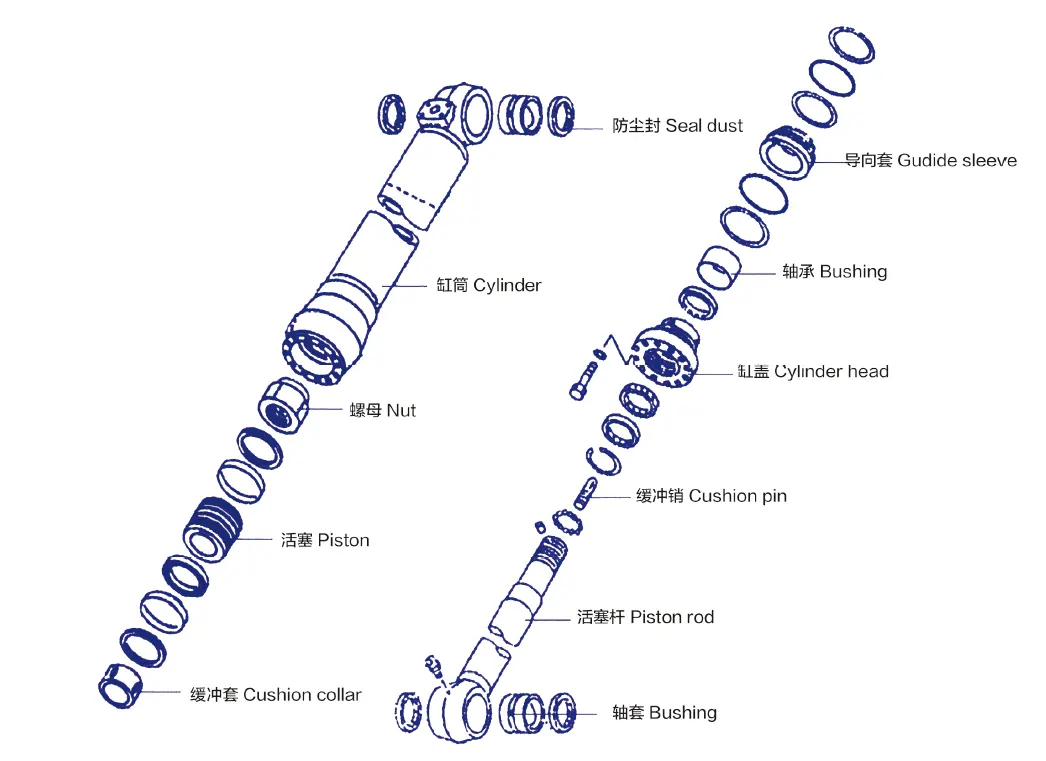
Caractéristiques
- Transmission à haut rendement : The Arm Cylinder provides powerful linear motion and force, ensuring high performance of the mechanical arm in various operations.
- Contrôle précis : Grâce au système hydraulique, le vérin de bras permet un contrôle précis du mouvement, rendant l'utilisation d'outils supplémentaires plus flexible et précise.
- Durabilité: Les vérins de bras sont généralement fabriqués à partir de matériaux à haute résistance, offrant une excellente résistance à l'usure et à la corrosion, ce qui les rend adaptés à une utilisation à long terme dans des environnements difficiles.
- Adaptabilité multifonctionnelle : Ces cylindres peuvent être largement utilisés dans diverses machines telles que les excavatrices, les grues et les bras robotisés, s'adaptant ainsi à différentes exigences de travail.
- Facilité d'entretien : Designed with easy maintenance and replacement in mind, Arm Cylinders facilitate convenient regular inspections and maintenance, reducing equipment downtime.

Applications
Le vérin à bras trouve ses applications dans diverses industries :
- Génie civil : In excavators and cranes, the Arm Cylinder controls the motion of the bucket or boom, allowing for earthwork, material handling, and structural installation.
- Fabrication: In automated production lines, the Arm Cylinder is used for the motion of robotic arms, enabling assembly, welding, and handling processes, thus improving production efficiency and accuracy.
- Machines agricoles : Dans les équipements agricoles tels que les moissonneuses-batteuses et les semoirs, le vérin de bras contrôle le mouvement des bras de travail, effectuant des tâches comme le semis, la fertilisation et la récolte.
- Exploitation minière: In mining equipment, the Arm Cylinder is responsible for controlling the arm movement of mining machinery, enabling ore extraction and transportation.
- Logistique et transport : Dans les chariots élévateurs et les robots de manutention, le vérin de bras contrôle le levage et le mouvement des fourches, facilitant ainsi la manutention et l'empilage des matériaux.
Considérations de conception et critères de sélection
When designing and selecting the Arm Cylinder, several key factors should be considered:
- Capacité de charge : The Arm Cylinder must be able to withstand the maximum load it will encounter during operation.
- Scellage: Various sealing components, such as piston seals and rod seals, should be used to ensure effective sealing. These seals are often made of wear-resistant materials like polyurethane and nitrile rubber.
- Durabilité: The cylinder body and threaded ends should undergo careful surface treatment to improve wear resistance and overall durability.
- Sécurité: Safety features, such as pressure relief valves, should be incorporated into the hydraulic system to prevent overloading and ensure safe operation.
- Maintenabilité : Regular lubrication with appropriate hydraulic oil and periodic inspections are necessary to ensure proper functioning and extend the lifespan of the Arm Cylinder.

Étanchéité et lubrification
The Arm Cylinder utilizes various sealing components, such as piston seals and rod seals, which are made of wear-resistant materials like polyurethane and nitrile rubber. The cylinder body and threaded ends undergo precise surface treatment to enhance wear resistance. Regular lubrication with suitable hydraulic oil is required to ensure smooth operation.
Inspection régulière et maintenance préventive
To ensure optimal performance and longevity of the Arm Cylinder, the following preventive measures should be taken:
- Inspectez régulièrement le cylindre pour détecter tout signe de fuite, de dommage ou d'usure.
- Check the hydraulic system for proper pressure, fluid levels, and filtration.
- Ensure all hydraulic connections are tight and secure.
- Replace any worn or damaged seals promptly.
- Respectez le programme d'entretien et les consignes recommandés par le fabricant.
Guide d'installation
Proper installation of the Arm Cylinder is essential for its effective functioning. Follow these steps:
- Ensure the hydraulic system is depressurized before installation.
- Clean the mounting surfaces and remove any debris.
- Alignez le cylindre avec les points de fixation et fixez-le à l'aide de boulons ou de fixations appropriés.
- Make sure all hydraulic connections are correctly attached and tight.
- Vérifiez l'alignement correct et la liberté de mouvement.

Considérations de sécurité et facteurs environnementaux
When using the Arm Cylinder, it is essential to prioritize safety measures. Safety precautions should be followed to prevent accidents and ensure the well-being of operators and surrounding personnel. Environmental factors, such as temperature and humidity, should also be considered to maintain optimal operating conditions for the cylinder.
Dépannage et problèmes courants
In case of any malfunctions or issues with the Arm Cylinder, the following troubleshooting steps can be taken:
- Check for hydraulic fluid leaks and ensure all connections are tight.
- Inspect the seals for any signs of damage or wear and replace if necessary.
- Vérifiez que le système hydraulique est correctement pressurisé.
- Check for any obstructions or interference with the cylinder’s movement.
- Consultez le guide de dépannage du fabricant pour connaître les problèmes et leurs solutions spécifiques.

Remember to organize the article logically, use subheadings for easy navigation, and incorporate relevant images or charts to enhance understanding. Ensure that the content is clear, concise, and suitable for readers of different technical knowledge levels.
À propos de nous
We are a professional manufacturer of replacement hydraulic cylinders with a wide range of products. We have become one of the leading hydraulic cylinder manufacturers and wholesale distributors in both domestic and international markets. With a commitment to excellence, we continuously improve our technical expertise and production efficiency through fine-tuned manufacturing processes and the use of advanced digital manufacturing equipment and professional testing systems. We strive to meet diverse customer needs with principles of efficiency, precision, and high quality.
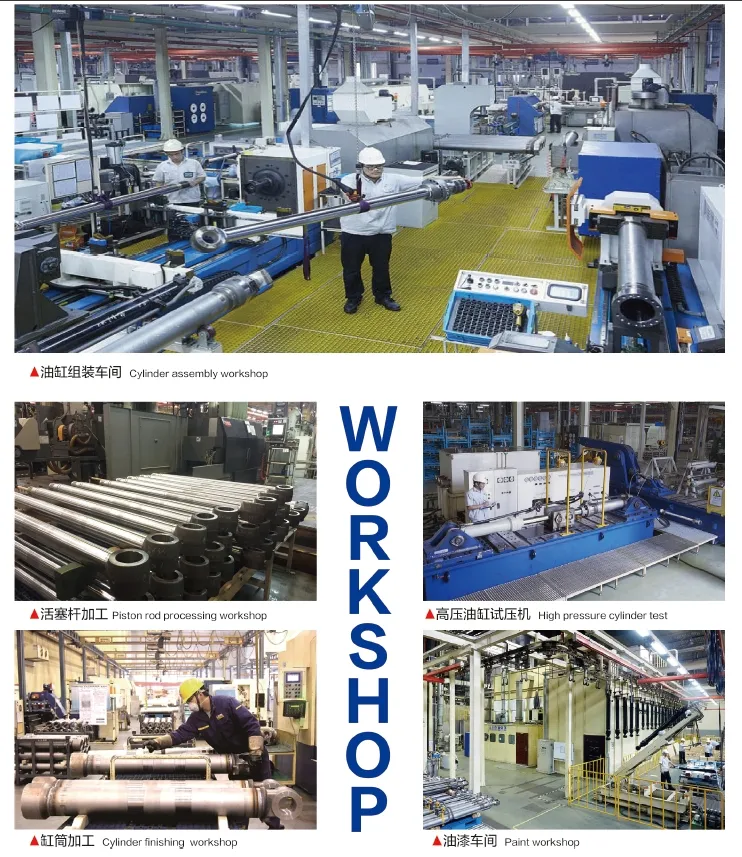
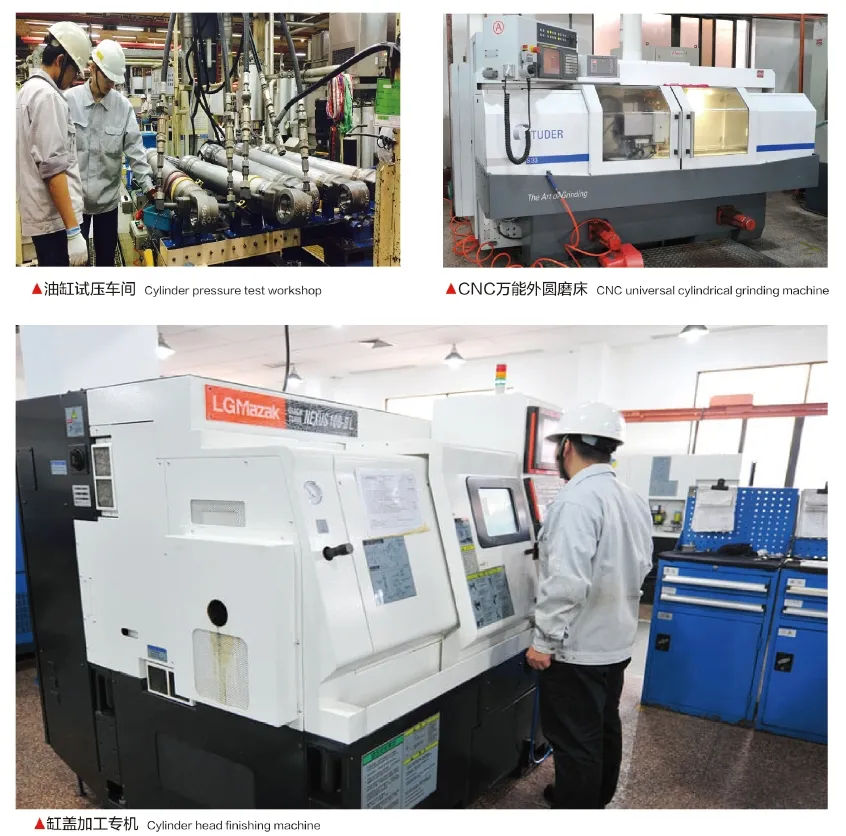
Notre entreprise est connue pour :
- Professionnalisme et expertise
- Certifications internationales
- Services de personnalisation
- Équipements de production de pointe
- Excellent service après-vente
Auteur : lyl
Vérin hydraulique Application :

 FR
FR  EN
EN  PT
PT  ES
ES  DE
DE  IT
IT  AR
AR  ZH
ZH  RU
RU  KO
KO  KA
KA  BG
BG  CS
CS  DA
DA  EL
EL  ET
ET  FI
FI  HU
HU  ID
ID  LT
LT  LV
LV  NB
NB  NL
NL  PL
PL  RO
RO  SK
SK  SL
SL  SV
SV  TR
TR  UK
UK