
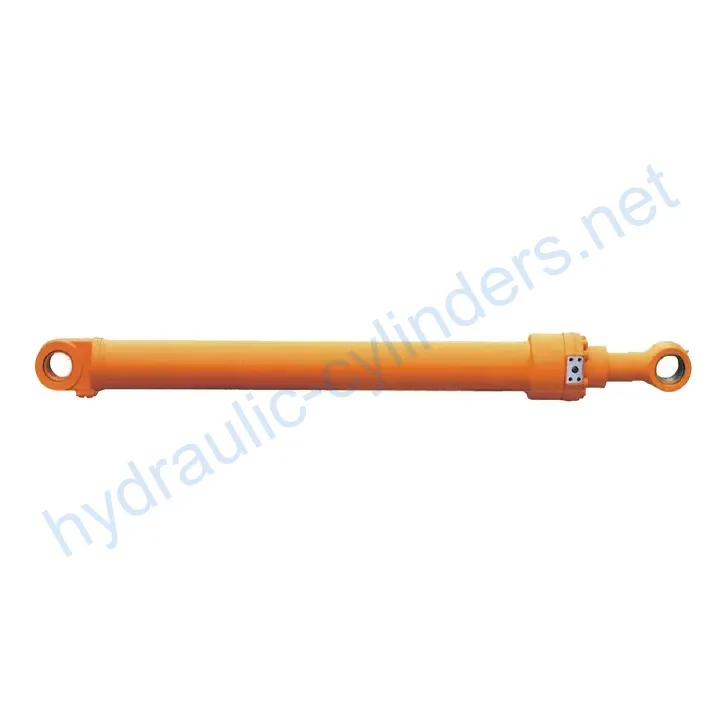
Arm CylinderFor Sumitomo Large Excavator SH450A2
En tant que fabricant, fournisseur et exportateur de produits mécaniques, nous proposons des vérins hydrauliques et de nombreux autres produits.
N'hésitez pas à nous contacter pour plus de détails.
Courrier :sales@hydraulic-cylinders.net
Fabricant fournisseur exportateur de vérins hydrauliques.
Arm Cylinder for Sumitomo Large Excavator SH450A2
Introduction
The arm cylinder is a specially designed hydraulic cylinder that provides linear motion and power to the arm of various machinery, such as excavators, cranes, and mechanical arms. It plays a crucial role in hydraulic systems, allowing for efficient movement and control of additional tools or attachments. These cylinders not only provide smooth motion but also withstand heavy loads, ensuring high efficiency and reliability of machinery in various operating conditions.
Définition et explication
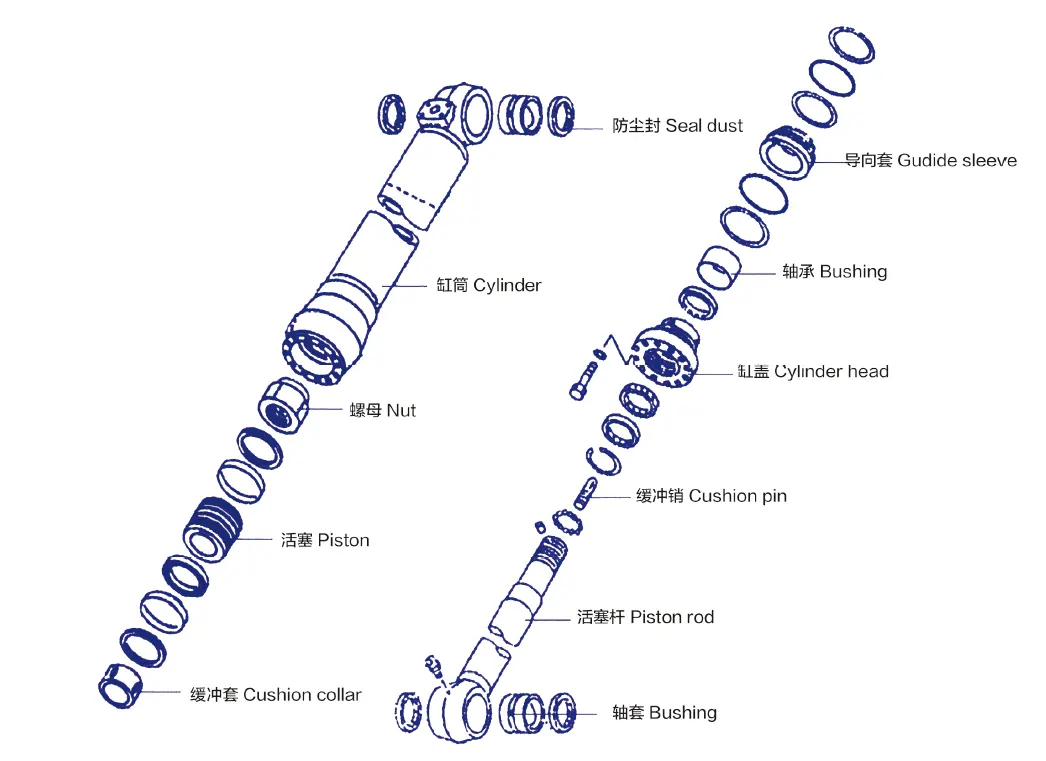
The arm cylinder, also known as an excavator arm cylinder or hydraulic arm cylinder, is a hydraulic component that converts hydraulic energy into mechanical force to move the arm of heavy machinery. It consists of a cylinder barrel, piston, piston rod, seals, and other components. When hydraulic fluid is supplied to the cylinder, it pushes the piston, causing the piston rod to extend or retract, thus moving the arm. The precise control and durability of arm cylinders make them essential for the efficient operation of machinery in construction, manufacturing, agriculture, mining, logistics, and transportation sectors.
Caractéristiques
- Transmission à haut rendement : Le vérin du bras assure un mouvement linéaire et une force puissants, garantissant ainsi une performance à haut rendement du bras mécanique dans diverses opérations.
- Contrôle précis : Grâce au système hydraulique, le vérin du bras permet un contrôle précis du mouvement, rendant le fonctionnement des outils fixés plus flexible et précis.
- Durable: Les vérins de bras sont généralement fabriqués à partir de matériaux à haute résistance et présentent une excellente résistance à l'usure et à la corrosion, ce qui les rend adaptés à une utilisation à long terme dans des environnements difficiles.
- Adaptabilité multifonctionnelle : These cylinders can be widely applied to various types of machinery such as excavators, cranes, and mechanical arms, adapting to different working requirements.
- Entretien facile : Designed for ease of maintenance and replacement, arm cylinders facilitate regular inspections and maintenance, reducing equipment downtime.

Applications
Arm cylinders are commonly used in the following industries:
1. Ingénierie de la construction
In excavators and cranes, arm cylinders control the movement of buckets or booms, allowing for earthwork, material handling, and structural installation.
2. Fabrication
In automated production lines, arm cylinders enable the movement of mechanical arms for assembly, welding, and material handling processes, improving production efficiency and precision.
3. Agriculture Machinery
In agricultural machinery such as harvesters and seeders, arm cylinders control the movement of operating arms, executing tasks like seeding, fertilizing, and harvesting.
4. Exploitation minière
Dans les équipements miniers, les vérins de bras servent à contrôler le mouvement des bras des machines d'extraction et de transport du minerai.
5. Logistique et transport
Dans les chariots élévateurs et les robots de manutention, les vérins de bras servent à contrôler le levage et le mouvement des fourches, facilitant ainsi la manutention et l'empilage des matériaux.

Considérations de conception et critères de sélection
When designing and selecting arm cylinders, several key factors are taken into account:
1. Capacité de charge :
Arm cylinders need to be able to withstand the specific load requirements of the machinery they are installed in.
2. Scellement :
Various sealing components, such as piston seals and rod seals, are used to ensure the proper functioning and longevity of the cylinder. These seals are made of wear-resistant materials like polyurethane and nitrile rubber.
3. Durabilité :
The cylinder body and threaded end surfaces undergo fine processing to improve wear resistance, ensuring the cylinder’s durability in challenging working environments.
4. Sécurité :
Design considerations include safety features such as pressure relief valves and emergency stop mechanisms to prevent accidents and ensure operator safety.
5. Maintenabilité :
Arm cylinders are designed for easy maintenance and replacement, reducing downtime during regular inspections and servicing.

Étanchéité et lubrification
Arm cylinders use various sealing components to ensure effective sealing and require periodic lubrication with the appropriate amount of hydraulic oil to reduce friction and ensure smooth operation.
Inspection régulière et maintenance préventive
To maintain optimal performance and prolong the lifespan of arm cylinders, the following measures should be taken:
1. Inspection régulière :
Inspect the arm cylinder for any signs of wear, leaks, or damage. Pay attention to seals, connections, and the overall condition of the cylinder.
2. Maintenance préventive :
Perform routine maintenance tasks such as cleaning, lubrication, and seal replacement according to the manufacturer’s recommendations.
3. Prompt Troubleshooting:
Address any issues or malfunctions promptly by diagnosing the problem and implementing appropriate solutions. Refer to the troubleshooting guide provided by the manufacturer.

Considérations relatives à la sécurité des produits et facteurs environnementaux
When using arm cylinders, it is crucial to follow safety precautions to prevent accidents and ensure operator safety. Proper training, adherence to safety guidelines, and the use of personal protective equipment are essential. Additionally, environmental factors such as temperature, humidity, and exposure to corrosive substances should be considered to ensure the longevity and performance of arm cylinders.
Dépannage et problèmes courants
Common issues that may arise with arm cylinders include leaks, insufficient power, slow operation, and abnormal noises. To diagnose and resolve these problems effectively, refer to the troubleshooting guide provided by the manufacturer. Implement preventive measures to minimize potential issues and maintain optimal performance.
À propos de nous
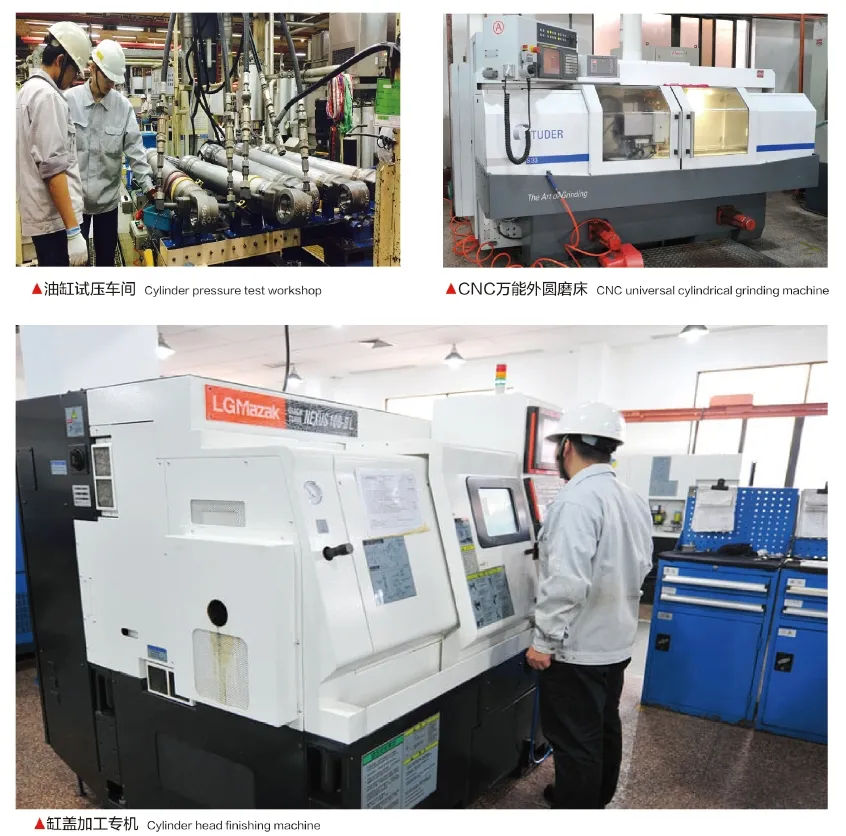
We are a professional manufacturer of replacement hydraulic cylinders, offering a wide range of products. We have become one of the leading hydraulic cylinder manufacturers and wholesale distributors in both domestic and international markets. We adhere to the principle of excellence in quality and continuously improve our technological capabilities and production efficiency through industrialized production management strategies. By introducing advanced digital manufacturing equipment and professional testing systems, we optimize our manufacturing platform and enhance product quality control processes. Our strong innovation capability is dedicated to meeting the diverse needs of our customers with efficiency, precision, and high-quality products.
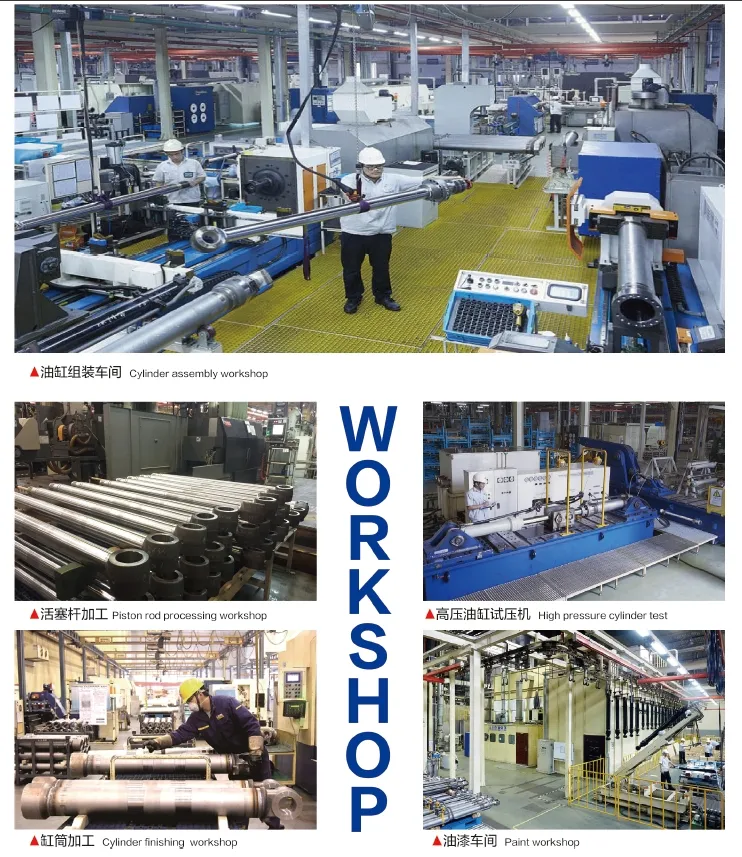
Our company stands out in the industry due to the following:
- Compétence: We are a team of experts in hydraulic cylinder manufacturing, with extensive knowledge and experience in the field.
- Certification internationale : Our products meet international quality standards and have obtained relevant certifications to ensure their reliability and performance.
- Services de personnalisation : We offer customized hydraulic cylinder solutions tailored to the specific requirements of our clients.
- Équipement de production avancé : We have invested in high-end digital manufacturing equipment to ensure precise and efficient
Vérin hydraulique Application :

 FR
FR  EN
EN  PT
PT  ES
ES  DE
DE  IT
IT  AR
AR  ZH
ZH  RU
RU  KO
KO  KA
KA  BG
BG  CS
CS  DA
DA  EL
EL  ET
ET  FI
FI  HU
HU  ID
ID  LT
LT  LV
LV  NB
NB  NL
NL  PL
PL  RO
RO  SK
SK  SL
SL  SV
SV  TR
TR  UK
UK