
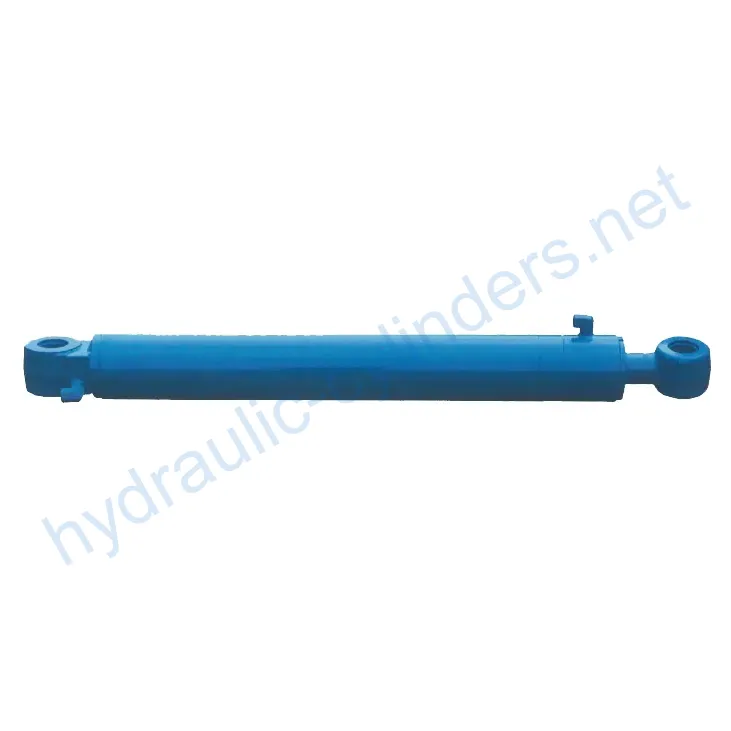
Vérin de bras pour mini-pelle Sumitomo SH265
En tant que fabricant, fournisseur et exportateur de produits mécaniques, nous proposons des vérins hydrauliques et de nombreux autres produits.
N'hésitez pas à nous contacter pour plus de détails.
Courrier :sales@hydraulic-cylinders.net
Fabricant fournisseur exportateur de vérins hydrauliques.
Arm Cylinder For Sumitomo Small Excavator SH265
Introduction
The arm cylinder is a specially designed hydraulic cylinder that provides linear motion and power to the arm of various machinery, such as excavators, cranes, and robotic arms. It plays a key role in hydraulic systems, allowing additional tools or attachments to move and be controlled effectively. These cylinders not only enable smooth motion, but also withstand heavy loads, ensuring efficient operation and reliability of the machinery under various working conditions.
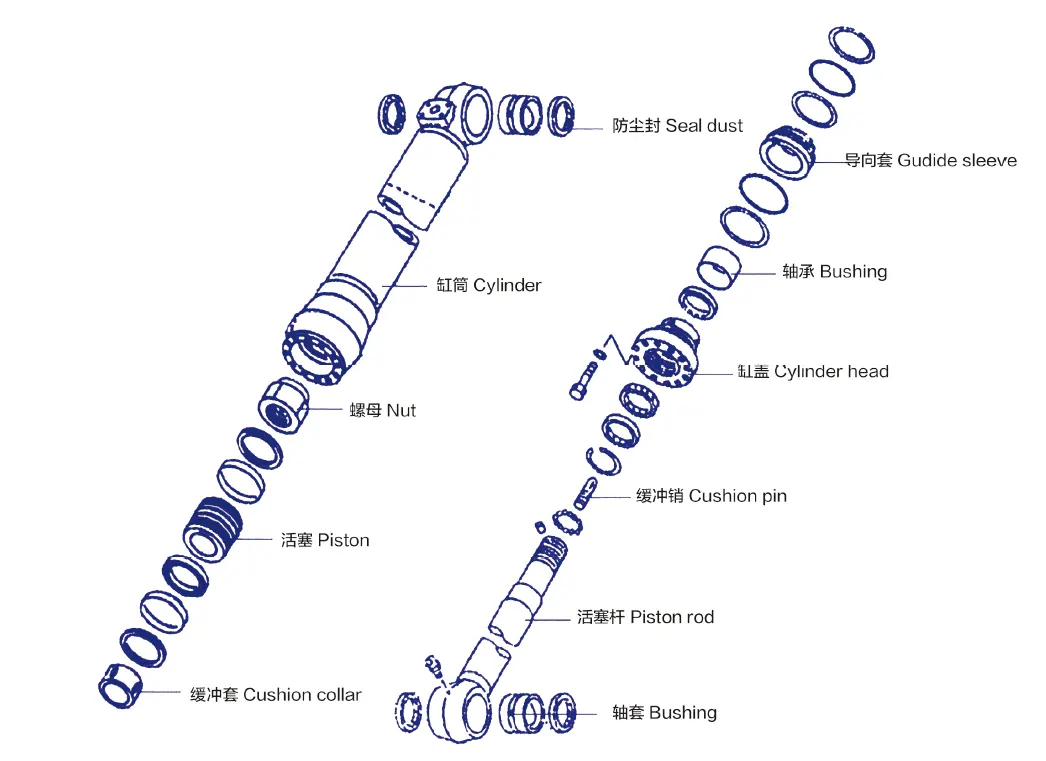
Caractéristiques
- Transmission à haut rendement : The arm cylinder provides powerful linear motion and force, ensuring high-performance capability of the robotic arm in various operations.
- Contrôle précis : Grâce au système hydraulique, le vérin du bras permet un contrôle précis du mouvement, rendant l'utilisation d'outils supplémentaires plus flexible et précise.
- Durabilité: Arm cylinders are typically made of high-strength materials, offering good wear and corrosion resistance, suitable for long-term use in harsh environments.
- Adaptabilité multifonctionnelle : Ces vérins peuvent être largement utilisés dans diverses machines, telles que les excavatrices, les grues et les bras robotisés, afin de répondre à différentes exigences de travail.
- Entretien facile : The design considers ease of maintenance and replacement, making regular inspections and servicing more convenient, thereby reducing equipment downtime.

Applications
Le vérin à bras trouve son application dans diverses industries et secteurs :
- Génie civil : Dans les excavatrices et les grues, le vérin du bras sert à contrôler le mouvement du godet ou de la flèche, permettant ainsi d'effectuer des travaux de terrassement, de manutention de matériaux et d'installation de structures.
- Industrie manufacturière : In automated production lines, the arm cylinder is used for the motion of robotic arms, performing assembly, welding, and material handling processes, thereby improving production efficiency and accuracy.
- Machines agricoles : Dans les équipements agricoles tels que les moissonneuses-batteuses et les semoirs, le vérin du bras contrôle le mouvement du bras opérateur, exécutant des tâches comme le semis, la fertilisation et la récolte.
- Exploitation minière: Dans les équipements miniers, le vérin du bras contrôle le mouvement du bras des machines minières, facilitant ainsi l'extraction et le transport des minéraux.
- Logistique et transport : Dans les chariots élévateurs et les robots de manutention, le vérin du bras sert à contrôler le levage et le mouvement des fourches, permettant ainsi la manutention et l'empilage des matériaux.
Considérations de conception et critères de sélection
- Capacité portante : The arm cylinder is designed to handle specific loads based on the requirements of the machinery it is installed in.
- Scellage: Various sealing elements, such as piston seals and rod seals, are used to ensure effective sealing. These seals are made of wear-resistant materials such as polyurethane and nitrile rubber.
- Durabilité: The cylinder body and threaded ends undergo precise processing to enhance wear resistance. Regular lubrication with appropriate hydraulic oil is necessary for smooth operation.
- Sécurité: Safety measures are taken into account during the design process to ensure the cylinder’s safe operation, including features like pressure relief valves and emergency stop mechanisms.
- Entretien: The arm cylinder is designed for easy maintenance and repair, with components that can be quickly replaced to minimize downtime.

Étanchéité et lubrification
The arm cylinder incorporates various seals, such as piston seals and rod seals, which are made of wear-resistant materials like polyurethane and nitrile rubber. The cylinder body and threaded ends undergo precision processing to enhance wear resistance. Regular lubrication with an adequate amount of hydraulic oil is required to ensure proper lubrication.
Inspection régulière et maintenance préventive
- Inspectez régulièrement le cylindre du bras pour détecter tout signe de fuite, d'usure ou de dommage.
- Check and maintain the hydraulic oil levels and quality to ensure proper lubrication.
- Ensure all safety features, such as pressure relief valves and emergency stop mechanisms, are functioning correctly.
- Follow the manufacturer’s recommended maintenance schedule for replacing seals and other worn-out components.
- Keep the cylinder clean and free from debris or contaminants that may affect its performance.
Guide d'installation du produit
Proper installation of the arm cylinder is crucial for its performance and longevity. Follow the steps below:
- Assurez-vous que la machine est hors tension et que toute la pression hydraulique est relâchée.
- Position the arm cylinder in the designated mounting area.
- Raccordez les flexibles et les raccords hydrauliques conformément aux instructions du fabricant.
- Serrez tous les raccords au couple de serrage recommandé.
- Test the cylinder’s operation to ensure smooth motion and proper functionality.

Considérations de sécurité et facteurs environnementaux
When using the arm cylinder, it is important to follow all safety measures to prevent accidents and ensure personal safety. The implementation of safety features, such as pressure relief valves and emergency stop mechanisms, is essential. Additionally, proper disposal of hydraulic fluids and adherence to environmental regulations are important for minimizing the impact on the environment.
Dépannage et problèmes courants
Common issues with arm cylinders may include leakage, insufficient or jerky movement, and abnormal noise. Here are some troubleshooting tips and solutions:
- If there is leakage, check the seals and fittings for damage or misalignment. Replace any faulty components.
- If the movement is insufficient or jerky, inspect the hydraulic system for any blockages or inadequate pressure. Check the hydraulic oil levels and quality.
- If abnormal noise occurs, it may indicate a mechanical issue. Inspect the cylinder and related components for wear or damage. Lubricate as necessary.
By following these troubleshooting tips and implementing preventive measures, potential issues can be minimized, ensuring smooth operation and longevity of the arm cylinder.

Auteur : lyl
À propos de notre entreprise
We are a professional manufacturer of replacement hydraulic cylinders with a wide range of products. We have become one of the leading manufacturers and wholesale distributors in the domestic and international markets. Our commitment to excellence in quality is upheld through the industrialized production management strategy of our fine manufacturing workshop, continuously improving our technical level and production efficiency.
By introducing high-end digital manufacturing equipment and professional testing systems, we optimize our manufacturing platform and perfect our product quality control processes, demonstrating strong innovative capabilities. Our goal is to meet diverse customer needs with principles of efficiency, precision, and high quality.
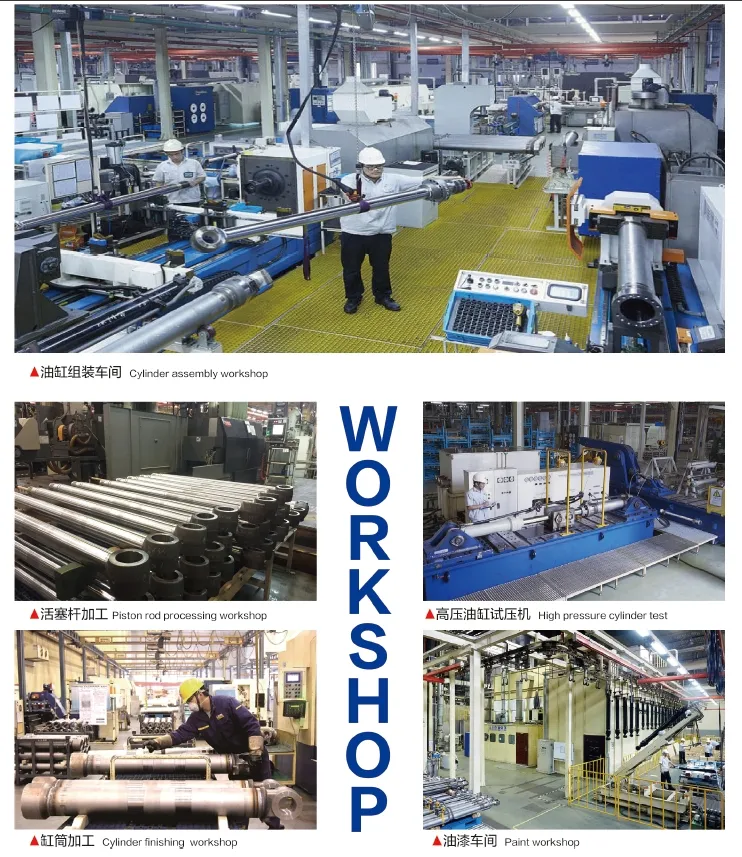
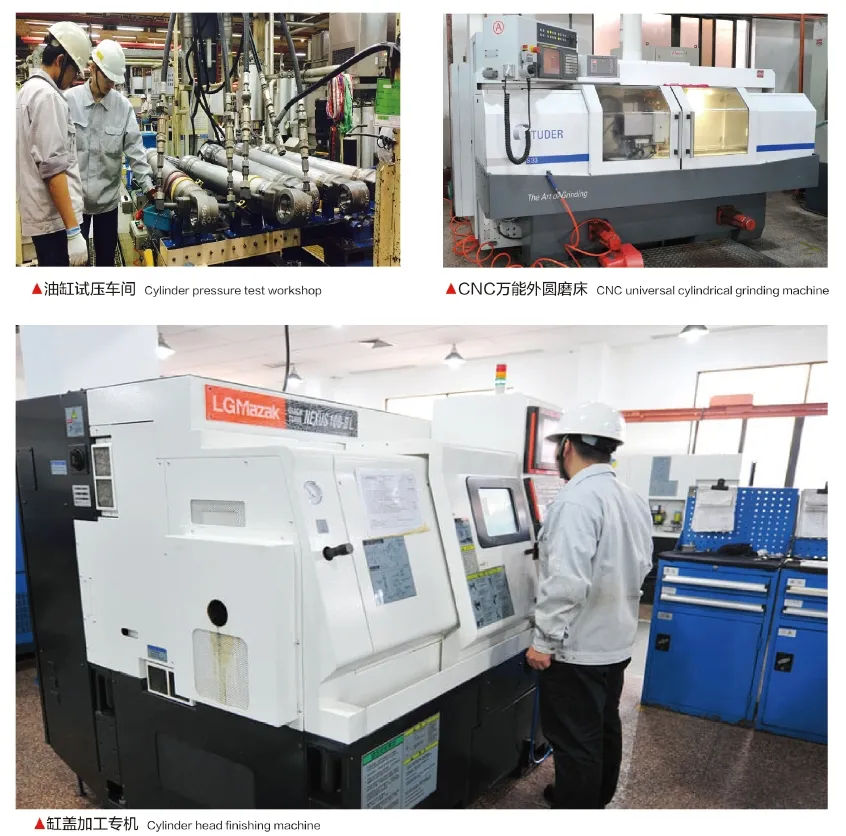
Our company is known for its professionalism, international certifications, customized services, advanced production equipment,
Vérin hydraulique Application :

 FR
FR  EN
EN  PT
PT  ES
ES  DE
DE  IT
IT  AR
AR  ZH
ZH  RU
RU  KO
KO  KA
KA  BG
BG  CS
CS  DA
DA  EL
EL  ET
ET  FI
FI  HU
HU  ID
ID  LT
LT  LV
LV  NB
NB  NL
NL  PL
PL  RO
RO  SK
SK  SL
SL  SV
SV  TR
TR  UK
UK