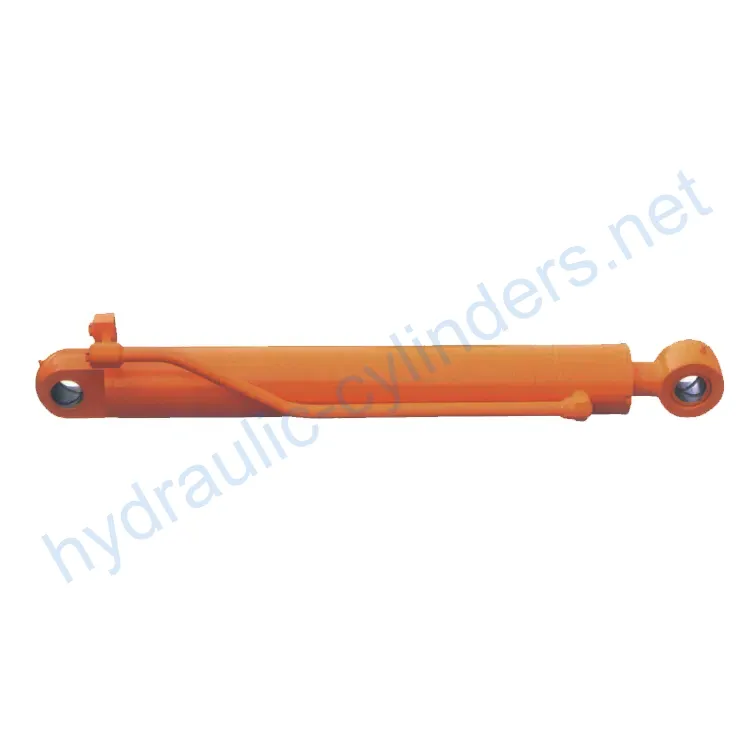
Arm Cylinder For Volvo Small Excavator EC170D
Introduction
The Arm Cylinder is a specially designed hydraulic cylinder that provides linear motion and power for the arm of various types of machinery such as excavators, cranes, and robotic arms. It plays a critical role in hydraulic systems, enabling the efficient movement and control of additional tools or attachments. These cylinders not only ensure smooth motion but also withstand heavy loads, ensuring high efficiency and reliability of the machinery under various operating conditions.
Définition et explication
The Arm Cylinder is a hydraulic cylinder designed to provide linear motion and power to the arm of machinery. It is used in various applications, such as excavators, cranes, and robotic arms, to enable efficient movement and control of additional tools or attachments. These cylinders are essential components in hydraulic systems, allowing for smooth and precise operation, even under heavy load conditions. They are made of high-strength materials to ensure durability and are resistant to wear and corrosion, making them suitable for long-term use in harsh environments.

Caractéristiques du produit
- High Transmission Efficiency: The Arm Cylinder provides powerful linear motion and force, ensuring high efficiency in various operations.
- Contrôle précis : Through hydraulic systems, the Arm Cylinder enables precise motion control, making operations with additional tools more flexible and accurate.
- Grande durabilité : Arm Cylinders are typically made of high-strength materials, offering excellent wear and corrosion resistance, suitable for long-term use in harsh environments.
- Adaptabilité polyvalente : These cylinders are widely used in various machinery such as excavators, cranes, and robotic arms, catering to different work requirements.
- Entretien facile : Designed for easy maintenance and replacement, the Arm Cylinder facilitates regular inspections and maintenance, reducing equipment downtime.


Applications
Le vérin à bras trouve ses applications dans diverses industries :
1. Ingénierie de la construction
In excavators and cranes, the Arm Cylinder controls the movement of buckets or booms for earthworks, material handling, and structural installation.
2. Fabrication
Dans les lignes de production automatisées, le vérin de bras permet le mouvement des bras robotisés pour les processus d'assemblage, de soudage et de manutention des matériaux, améliorant ainsi l'efficacité et la précision de la production.
3. Machines agricoles
In agricultural machinery such as harvesters and seed drills, the Arm Cylinder controls the movement of operating arms for tasks like seeding, fertilizing, and harvesting.
4. Exploitation minière
Dans les équipements miniers, le vérin de bras contrôle le mouvement du bras des machines d'extraction et de transport du minerai.
5. Logistique et transport
Dans les chariots élévateurs et les robots de manutention, le vérin de bras contrôle le levage et le mouvement des fourches, permettant la manutention et l'empilage des matériaux.
Considérations de conception et critères de sélection
When designing the Arm Cylinder, several factors and selection criteria should be taken into account:
1. Capacité de charge
The Arm Cylinder should be designed to withstand the specific loads and forces it will encounter during operation.
2. Scellement
Various sealing elements such as piston seals and rod seals should be used to ensure optimal performance and prevent leakage.
3. Durabilité
The components of the Arm Cylinder, such as the cylinder body and threaded ends, should undergo precision surface treatment to enhance wear resistance and durability.
4. Sécurité
The design should incorporate safety features such as pressure relief valves and safety locks to prevent accidents and ensure the safety of operators and surrounding personnel.
5. Maintenance
The Arm Cylinder should be designed for ease of maintenance and repair, allowing for quick and hassle-free inspections and replacements.


Étanchéité et lubrification
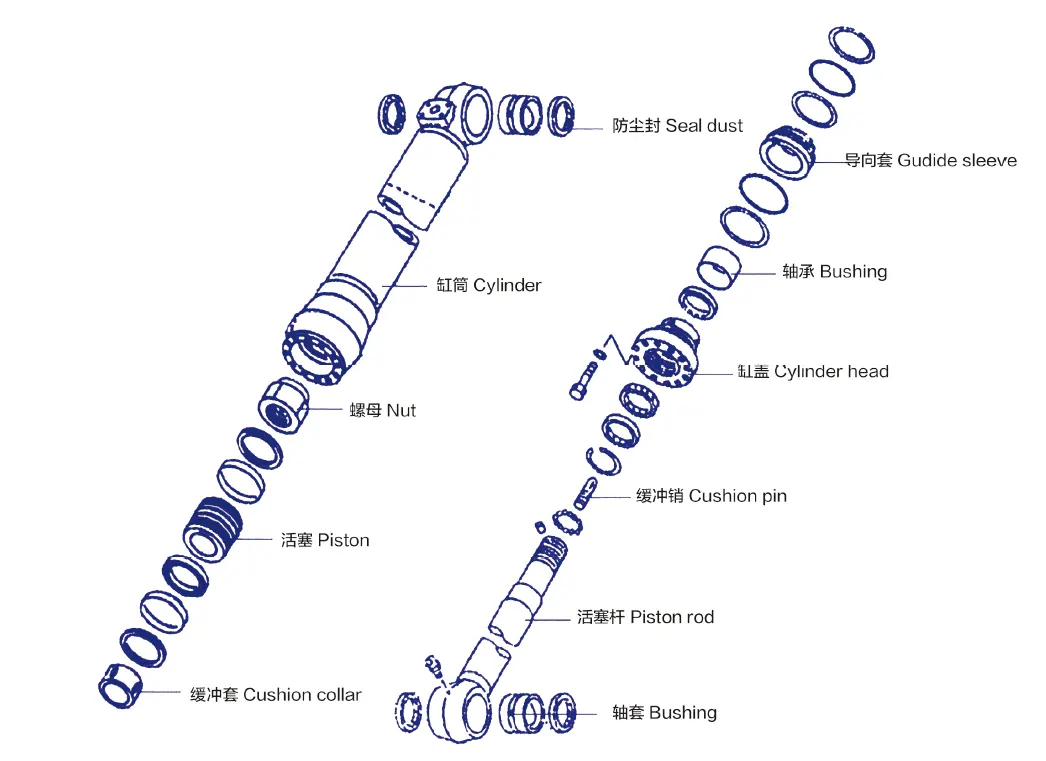
The Arm Cylinder utilizes various sealing components such as piston seals and rod seals, which are made of wear-resistant materials such as polyurethane and nitrile rubber. The cylinder body and threaded ends are finely treated to improve wear resistance. Regular lubrication with the appropriate amount of hydraulic oil is necessary to ensure smooth operation and longevity.
Inspection régulière et maintenance préventive
- Regularly inspect the Arm Cylinder for any signs of wear, damage, or leakage.
- Assurez-vous que toutes les connexions et fixations sont bien serrées.
- Check and replace any worn or damaged seals promptly.
- Keep the Arm Cylinder clean and free from debris or contaminants.
- Respectez les consignes du fabricant concernant les intervalles et les procédures d'entretien.
Guide d'installation correcte du produit
Proper installation of the Arm Cylinder is crucial for optimal performance and longevity. Follow these steps:
- Veillez à ce que les surfaces de montage soient propres et exemptes de débris.
- Align the Arm Cylinder with the mounting holes and secure it using appropriate bolts or fasteners.
- Assurez-vous que toutes les connexions sont correctement serrées.
- Check for any leaks or abnormal noises during initial operation.
- Refer to the manufacturer’s installation instructions for specific guidance.


Considérations de sécurité et facteurs environnementaux
When using the Arm Cylinder, it is essential to prioritize safety measures. Proper safety precautions are crucial to prevent accidents and ensure the well-being of individuals and the surrounding environment.
Diagnostic des pannes et problèmes courants
Common faults and problems that may occur with the Arm Cylinder include:
- Leakage from the cylinder or hydraulic connections.
- Unusual noise during operation.
- Mouvements saccadés ou irréguliers du bras.
- Excessive wear on seals or other components.
- Failure to hold or maintain position.
To address these issues, consider the following troubleshooting tips and solutions:
- Inspect and replace any damaged or worn seals.
- Resserrer les fixations ou les raccords desserrés.
- Check the hydraulic fluid level and quality.
- Flush and replace the hydraulic fluid if necessary.
- Consult the manufacturer’s troubleshooting guide for specific issues.


N'oubliez pas d'organiser l'article de manière logique, d'utiliser des sous-titres pour faciliter la navigation, d'intégrer des images ou des graphiques pertinents pour améliorer la compréhension et de veiller à un contenu clair et concis, adapté aux lecteurs ayant différents niveaux de connaissances techniques.
À propos de nous
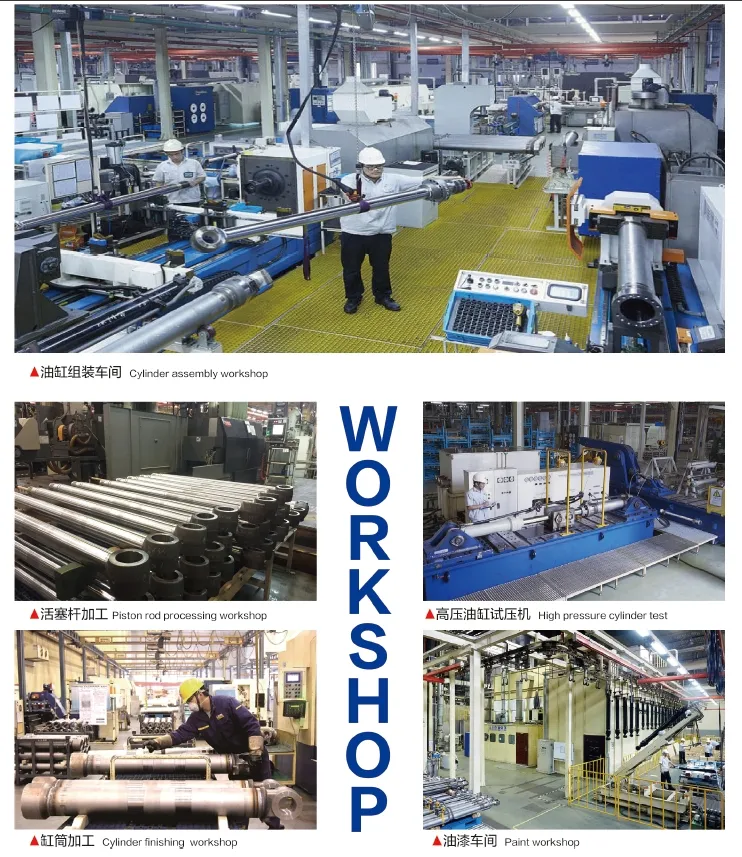
We are a professional manufacturer of replacement hydraulic cylinders. With a wide range of products, we have become one of the leading manufacturers and wholesale distributors in the domestic and international markets. We uphold the principle of excellence in quality and continuously improve our technological capabilities and production efficiency. By introducing high-end digital manufacturing equipment and professional testing systems, we optimize our manufacturing platform and enhance product quality control processes, demonstrating strong innovation capabilities. Our goal is to meet the diverse needs of customers with efficiency, precision, and high quality.
Furthermore, we pride ourselves on our professionalism, international certifications, customized services, production facilities, and after-sales services.