
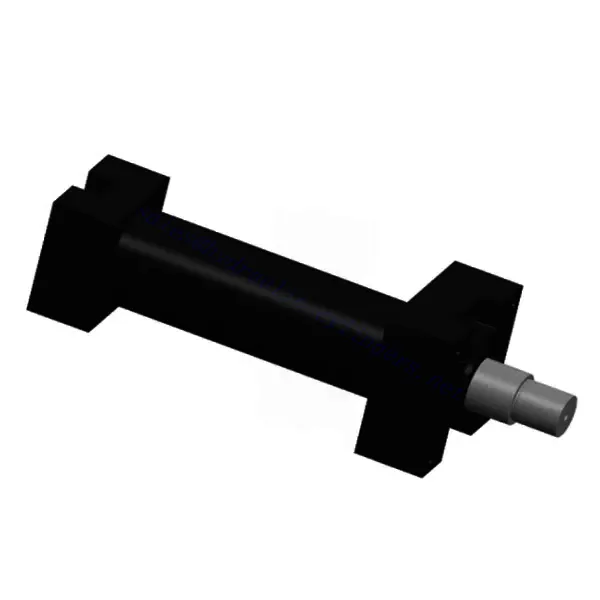
Harsh Corrosive Environment Cylinder
En tant que fabricant, fournisseur et exportateur de produits mécaniques, nous proposons des vérins hydrauliques et de nombreux autres produits.
N'hésitez pas à nous contacter pour plus de détails.
Courrier :sales@hydraulic-cylinders.net
Fabricant fournisseur exportateur de vérins hydrauliques.
Harsh Corrosive Environment Cylinder
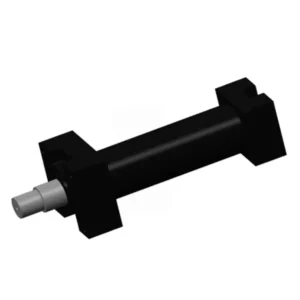
The harsh corrosive environment cylinder is a specialized hydraulic cylinder designed to thrive in demanding industrial applications where corrosive substances are present. With its robust construction and corrosion-resistant materials, this cylinder offers reliable performance, ensuring smooth operation even in the harshest environments. Let’s delve into this exceptional product’s features, usage methods, and maintenance.
The harsh corrosive environment cylinder is a reliable and durable solution for industrial applications that involve corrosive substances. This cylinder offers exceptional performance in challenging environments with its corrosion resistance, robust construction, and versatile mounting options. By following the recommended usage methods and implementing regular maintenance practices, you can ensure your hydraulic system’s longevity, reliability, and optimal operation. The harsh corrosive environment cylinder is a testament to technological innovation and is a trusted solution for conquering corrosion in demanding industrial settings.
Harsh Corrosive Environment Cylinder Key Characteristics:
- Corrosion Resistance: The harsh corrosive environment cylinder is engineered with high-quality materials that exhibit exceptional resistance to corrosion. This feature enables the cylinder to withstand exposure to corrosive substances, such as chemicals, saltwater, acids, and other harsh agents commonly found in industrial environments.
- Durable Construction: Built to endure rugged conditions, the cylinder boasts a robust construction that enhances its longevity and reliability. Its sturdy design ensures resistance to mechanical stress, minimizing the risk of failure and downtime.
- Versatile Mounting Options: The cylinder offers a range of mounting options, including front flange, rear flange, foot, and trunnion mounts. This versatility allows for easy integration into various industrial systems, enabling seamless installation and flexibility in application.
Harsh Corrosive Environment Cylinder Parameter:
| Nom du produit | Harsh Corrosive Environment Cylinder |
| Caractéristiques: | Extract and compress the seawater and deliver it to the filtering device. |
| Diamètre d'alésage : | Up to 300mm |
| Diamètre de la tige : | Up to 185mm Stroke up to 1000mm |
| Working temperature: | -20~30℃ |
| Working speed: | up to 110mm/s |
| Working frequency: | 24 hours |
| Internal and external leakage: | < 5ml/min |
| Pression: | up to 11MPa starting pressure<0.1Mpa |
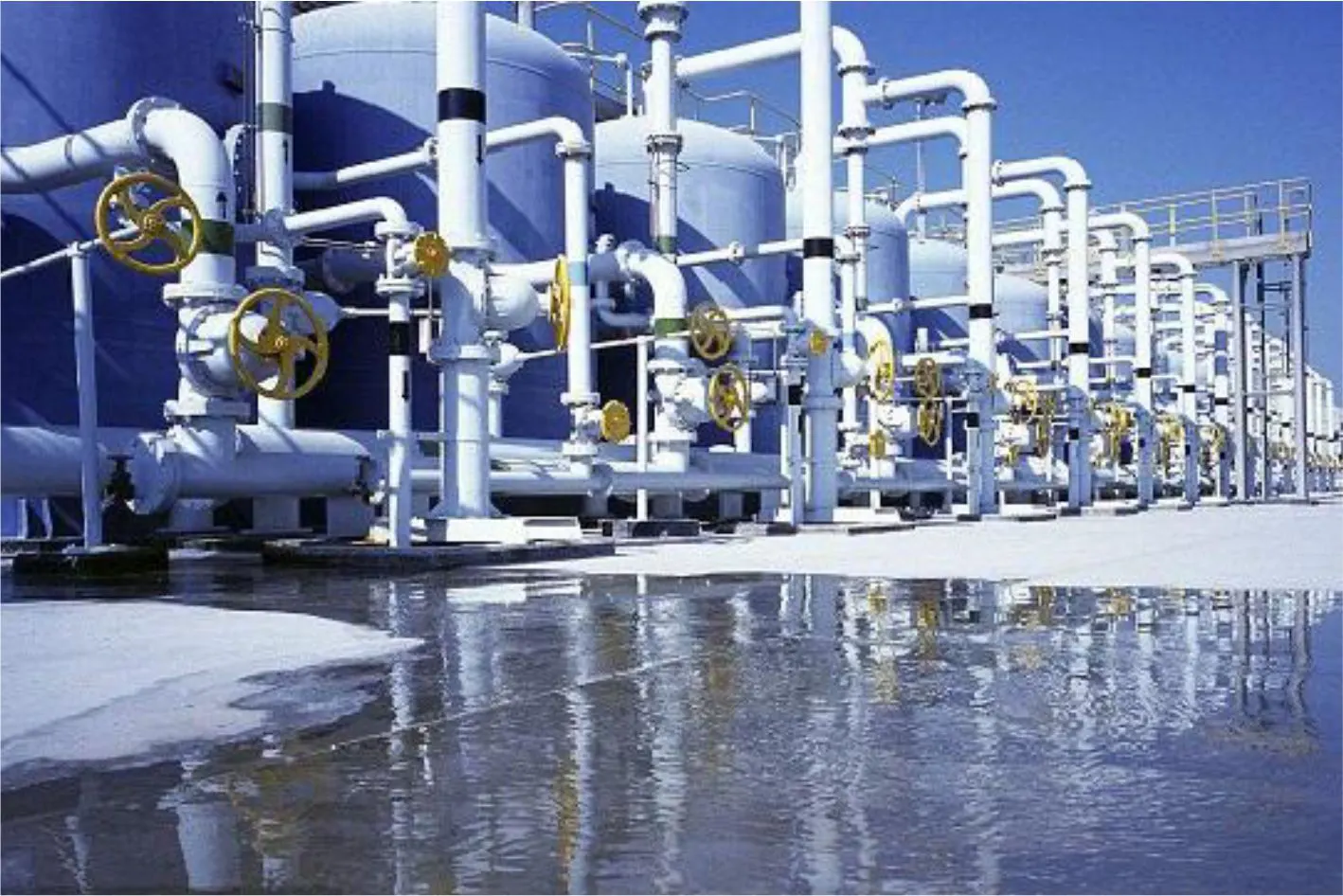
| Applications: | Desalination Equipment |
Harsh Corrosive Environment Cylinder Application:
Usage Method Of Harsh Corrosive Environment Cylinder:
- Application Assessment: Before installing the harsh corrosive environment cylinder, evaluate the specific requirements of your application to determine the appropriate cylinder size, stroke length, and mounting configuration.
- Montage et connexion : Suivez ces étapes pour une installation réussie :
a. Securely mount the cylinder using the chosen mounting option, ensuring proper alignment and stability.
b. Connect the hydraulic lines to the cylinder’s ports, ensuring tight and leak-free connections. Use compatible fittings and hoses suitable for corrosive environments.
- Intégration du système hydraulique : Integrate the cylinder into your hydraulic system, connecting it to a reliable power source and control mechanism. Ensure compatibility between the cylinder and other system components.
- Paramètres opérationnels : Adjust the hydraulic system parameters, such as pressure and flow rate, to align with your application’s requirements. Refer to the manufacturer’s guidelines for recommended operational parameters.
How To Bleed A Double Acting Hydraulic Cylinder?
Bleeding a double-acting hydraulic cylinder is a crucial maintenance procedure that removes air or trapped gases from the hydraulic system, ensuring optimal performance and preventing issues such as spongy operation or incomplete cylinder movement. Here’s a step-by-step guide on how to bleed a double-acting hydraulic cylinder:
- Précautions de sécurité :
- Before starting the bleeding process, ensure the hydraulic system is depressurized to prevent accidental movement or injury.
- Wear appropriate personal protective equipment, such as gloves and safety goggles, to protect yourself from hydraulic fluid splashes.
- Identifier les points de saignement :
- Familiarize yourself with the hydraulic system and locate the bleed points on the double-acting hydraulic cylinder. These are typically located at the highest point of the cylinder or at designated bleed ports.
- Prepare Tools and Equipment:
- Gather the necessary tools and equipment, including a wrench or socket set to open and close bleed valves, a container to collect the purged hydraulic fluid, and clean rags or absorbent materials to clean up any spills.
- Cylindre de position :
- Position the double-acting hydraulic cylinder in a way that allows air or trapped gases to rise to the highest point of the cylinder, where the bleed points are located. This may involve adjusting the cylinder’s orientation or tilting it if possible.
- Open Bleed Valves:
- Using the appropriate wrench or socket, carefully open the bleed valves at the designated bleed points on the cylinder. Start with the highest point first.
- Ensure the collection container is positioned to catch the purged hydraulic fluid.
- Purge Air or Gases:
- Slowly actuate the hydraulic system to cycle the cylinder through its full range of motion. This may involve activating the hydraulic pump or operating the associated control mechanisms.
- As the cylinder cycles, air or trapped gases will be pushed out through the open bleed valves. Allow the hydraulic fluid to flow until all air bubbles are expelled and a steady flow of fluid is observed.
- Close Bleed Valves:
- Once the hydraulic fluid is free of air bubbles and flows steadily, carefully close the bleed valves at the bleed points to ensure they are tightened securely to prevent any leaks.
- Vérifier le niveau de liquide :
- Check the hydraulic fluid level in the reservoir and top up if necessary. Use the recommended hydraulic fluid specified by the manufacturer.
- Vérifications finales :
- Perform a visual inspection of the hydraulic system, including the double-acting hydraulic cylinder, for any signs of leaks, loose connections, or abnormalities.
- Test the cylinder’s operation to ensure it moves smoothly without any issues.
Capacité de l'usine :
(1) Assemblage
Nous disposons d'une plateforme d'assemblage indépendante de recherche et développement de premier ordre. Notre atelier de production de vérins hydrauliques dispose de quatre lignes d'assemblage semi-automatiques de vérins de levage et d'une ligne d'assemblage automatique de vérins d'inclinaison, pour une capacité de production annuelle prévue d'un million de pièces. L'atelier de vérins spéciaux est équipé d'un système d'assemblage de nettoyage semi-automatique de diverses spécifications, d'une capacité de production annuelle prévue de 200 000 pièces et dispose d'équipements d'usinage CNC de pointe, d'un centre d'usinage, d'équipements spéciaux d'usinage de haute précision, d'une machine de soudage robotisée, d'une machine de nettoyage automatique, d'une machine d'assemblage automatique de vérins et d'une ligne de peinture automatique. Nous disposons de plus de 300 équipements critiques. L'allocation optimale et l'utilisation efficace des ressources garantissent la précision et la qualité des produits.


(2) Usinage
L'atelier d'usinage est équipé d'un centre de tournage sur rail incliné personnalisé, d'un centre d'usinage, d'une machine à honer à grande vitesse, d'un robot de soudage et d'autres équipements connexes, qui peuvent traiter des tubes cylindriques d'un diamètre intérieur maximal de 400 mm et d'une longueur maximale de 6 mètres.

(3) Soudage

(4) Peinture et revêtement
Avec des lignes de revêtement de peinture à base d'eau automatiques à cylindre de petite et moyenne taille, pour réaliser le chargement et le déchargement automatiques par robot et la pulvérisation automatique, la capacité de conception est de 4 000 pièces par équipe ;
Nous disposons également d'une ligne de production de peinture semi-automatique pour gros cylindres, alimentée par une chaîne de traction, d'une capacité de conception de 60 caisses par équipe.


(5) Essais
Nous disposons d'installations d'inspection et de bancs d'essai de premier ordre pour garantir que les performances de la bouteille sont conformes aux exigences.

Nous sommes l'un des meilleurs fabricants de vérins hydrauliques. Nous proposons une gamme complète de vérins hydrauliques. Nous fournissons également les vérins correspondants. boîtes de vitesses agricolesNous exportons nos produits dans le monde entier et nous avons acquis une excellente réputation grâce à la qualité supérieure de nos produits et à notre service après-vente. Nous invitons nos clients, nationaux et internationaux, à nous contacter pour négocier, échanger des informations et… coopérer avec nous!
Vérin hydraulique Application :

 FR
FR  EN
EN  PT
PT  ES
ES  DE
DE  IT
IT  AR
AR  ZH
ZH  RU
RU  KO
KO  KA
KA  BG
BG  CS
CS  DA
DA  EL
EL  ET
ET  FI
FI  HU
HU  ID
ID  LT
LT  LV
LV  NB
NB  NL
NL  PL
PL  RO
RO  SK
SK  SL
SL  SV
SV  TR
TR  UK
UK