
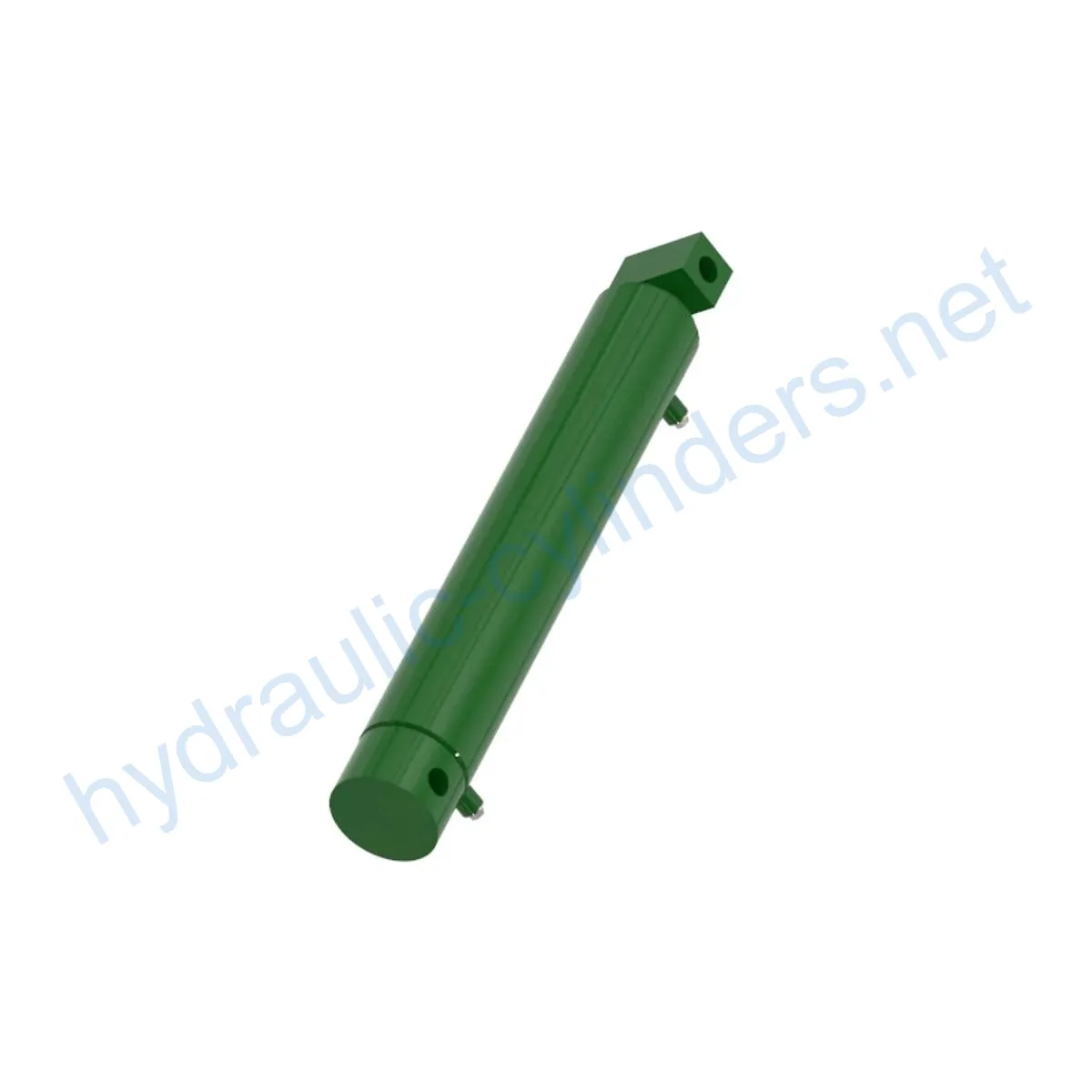
Replacement Of AH175702 Hydraulic Cylinder
En tant que fabricant, fournisseur et exportateur de produits mécaniques, nous proposons des vérins hydrauliques et de nombreux autres produits.
N'hésitez pas à nous contacter pour plus de détails.
Courrier :sales@hydraulic-cylinders.net
Fabricant fournisseur exportateur de vérins hydrauliques.
Introduction
The Replacement of AH175702 Hydraulic Cylinder is a hydraulic cylinder that is used as a replacement for damaged or worn-out hydraulic cylinders in different models such as 1770NT, 1775NT, 1790, and 2430C. This hydraulic cylinder weighs 100.6 lb and has a height of 5.5 in, a width of 7 in, and a length of 36.5 in. This article will explore the features, applications, maintenance, troubleshooting, and design considerations of this hydraulic cylinder.
Spécifications et modèles
The Replacement of AH175702 Hydraulic Cylinder has a weight of 100.6 lb and dimensions of 5.5 in (height), 7 in (width), and 36.5 in (length). It is compatible with models such as 1770NT, 1775NT, 1790, and 2430C.
Caractéristiques
Améliore les performances de l'équipement
Replacing damaged or worn-out hydraulic cylinders can restore the normal operation of equipment and ensure its performance in various applications.
Améliore la sécurité
Le remplacement régulier des vérins hydrauliques permet de réduire les risques pour la sécurité liés aux défaillances des vérins et d'assurer la sécurité des opérateurs et des équipements.
Protection contre les surcharges
Les nouveaux modèles de cylindres intègrent généralement de meilleurs mécanismes de protection contre les surcharges, améliorant ainsi la sécurité.
Installation rapide
Les vérins hydrauliques modernes sont conçus pour être faciles à installer et à remplacer, réduisant ainsi les temps d'arrêt.
Composants normalisés
De nombreux vérins hydrauliques sont des produits standardisés, ce qui facilite l’obtention de pièces de rechange sur le marché.
Applications
The Replacement of AH175702 Hydraulic Cylinder is used in various machines such as excavators, cranes, tractors, harvesters, automated production lines, die-casting machines, mining equipment, and bulldozers.
Excavateurs
The hydraulic cylinders in excavators’ arms or buckets can be damaged due to long-term use or overload and need to be replaced to restore normal operation.
Grues
The lifting arm hydraulic cylinders of cranes are prone to wear and tear during frequent lifting and lowering, and they need to be replaced regularly to ensure safety.
Tracteurs
The hydraulic cylinders in the front-end loaders of tractors may leak or perform poorly due to constant lifting and tilting operations, requiring replacement.
Moissonneurs
During harvesting, the hydraulic system experiences high pressure, and cylinders can be damaged due to fatigue, requiring timely replacement to maintain work efficiency.
Lignes de production automatisées
Hydraulic cylinders are used to control robotic arms and other automation equipment, and if they fail, they can affect production efficiency, requiring immediate replacement.
Machines de moulage sous pression
Hydraulic cylinders in die-casting machines may experience performance degradation due to high pressure and high-temperature environments, and regular replacement can ensure product quality.
Équipement minier
Hydraulic cylinders are used to lift and move heavy objects in mining equipment, and due to the harsh working environment, regular inspection and replacement are necessary to avoid equipment failures.
Bulldozers
The wear and tear of hydraulic cylinders on bulldozer push arms can lead to a decrease in pushing capacity, requiring timely replacement to maintain work efficiency.
Entretien
Inspection régulière
Regular inspection of hydraulic cylinders is necessary to identify wear and tear, corrosion, and other issues.
Lubrification adéquate
Hydraulic cylinders require regular lubrication to reduce friction and prevent wear and tear.
Remplacement du joint
Replacing seals is necessary to prevent oil leaks and ensure proper functioning of the hydraulic cylinder.
Considérations relatives à la sécurité et à l'environnement
When using hydraulic cylinders, it is important to follow safety measures to prevent accidents. Proper disposal of used hydraulic cylinders is also crucial to avoid environmental pollution.
Dépannage et problèmes courants
Common issues with hydraulic cylinders include leaks, insufficient force, and cylinder drift. Proper diagnosis and timely repair are essential to avoid further damage to the equipment.
Considérations de conception
When designing hydraulic cylinders, factors such as load-bearing capacity, sealing, durability, safety, and maintainability should be taken into consideration to ensure optimal performance.
Étanchéité et lubrification
Hydraulic cylinders should use various seals such as piston seals, rod seals made of durable materials like polyurethane and nitrile rubber. The cylinder body and threaded end surfaces should be finely processed to improve wear resistance, and the cylinder should be lubricated regularly with the appropriate hydraulic oil.
Guide d'installation
During installation, it is important to align the cylinder correctly to prevent damage and ensure optimal performance. Proper alignment and the use of appropriate installation brackets to secure the cylinder are recommended. It is also important to follow recommended inspection, repair, and replacement procedures to extend the life of the hydraulic cylinder.
À propos de nous
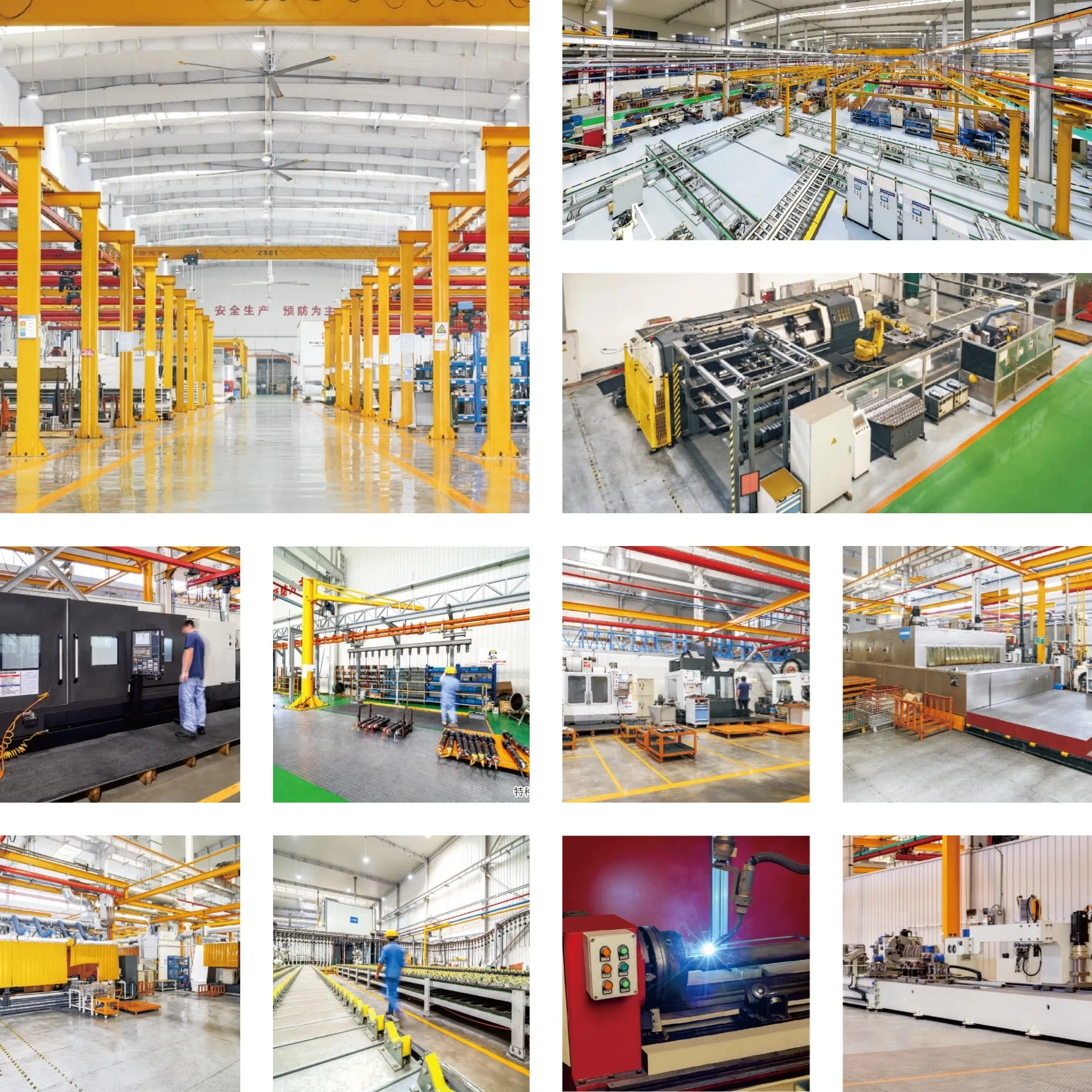
We are a leading manufacturer and wholesaler of hydraulic cylinders, providing a wide range of hydraulic cylinders for different applications. Our products are known for their quality, durability, and reliability. We are committed to providing our customers with the best products and services, including customization, international certifications, advanced production equipment, and comprehensive after-sales services.
Auteur : lyl
Vérin hydraulique Application :

 FR
FR  EN
EN  PT
PT  ES
ES  DE
DE  IT
IT  AR
AR  ZH
ZH  RU
RU  KO
KO  KA
KA  BG
BG  CS
CS  DA
DA  EL
EL  ET
ET  FI
FI  HU
HU  ID
ID  LT
LT  LV
LV  NB
NB  NL
NL  PL
PL  RO
RO  SK
SK  SL
SL  SV
SV  TR
TR  UK
UK