


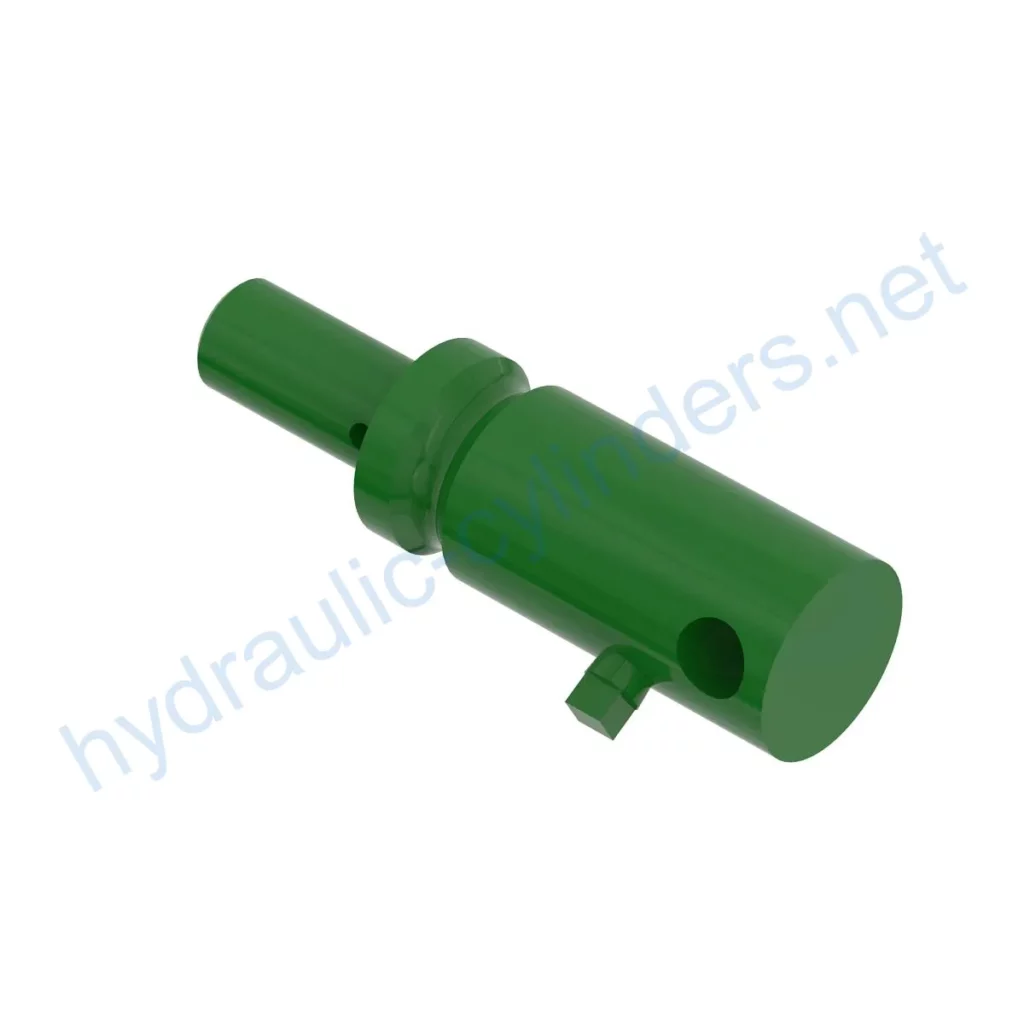
Replacement Of AH216398 Hydraulic Cylinder
Firstly, let’s introduce the product and define what this hydraulic cylinder is and its purpose. The Replacement Of AH216398 Hydraulic Cylinder is a crucial component used in various applications. It is designed to provide the necessary force for hydraulic systems, enabling the movement of heavy machinery and equipment.
Caractéristiques
- Weight: 1.41 lb
- Height: 1.35 in
- Width: 1.75 in
- Length: 5 in
Modèles
- Model 40
- Model 42
Caractéristiques
- Improved Equipment Performance: Replacing a damaged or worn hydraulic cylinder can restore the normal operation capability of the equipment, ensuring its performance in various applications.
- Sécurité renforcée : le remplacement régulier des vérins hydrauliques peut réduire les risques de sécurité causés par les défaillances des vérins, garantissant ainsi la sécurité des opérateurs et de l'équipement.
- Protection contre les surcharges : Les nouveaux modèles de cylindres intègrent souvent de meilleurs mécanismes de protection contre les surcharges, ce qui améliore la sécurité.
- Installation rapide : Les vérins hydrauliques modernes sont conçus pour une installation et un remplacement faciles, minimisant ainsi les temps d’arrêt.
- Composants standardisés : De nombreux vérins hydrauliques sont des produits standardisés, ce qui facilite l’obtention de pièces de rechange sur le marché.
Moreover, we are capable of producing this product, offering perfect replacements for these hydraulic cylinders.
Applications
- Excavators: Hydraulic cylinders in excavator booms or buckets may get damaged due to prolonged use or overload, requiring replacement for normal operation restoration.
- Cranes: The hydraulic cylinders in crane boom lifts are prone to wear during frequent lifting and lowering processes, necessitating regular replacement for safety assurance.
- Tractors: The front loader hydraulic cylinders in tractors may experience leaks or performance degradation during continuous lifting and tilting operations, demanding replacement.
- Harvesters: The hydraulic system of harvesters endures high pressures, and fatigue may cause cylinder damage. Timely replacement is essential to maintain work efficiency.
- Automated Production Lines: Hydraulic cylinders are used to control robotic arms and other automated equipment. Cylinder failures can significantly impact production efficiency, hence immediate replacement is necessary.
- Machines de moulage sous pression : Les vérins hydrauliques des machines de moulage sous pression peuvent subir une dégradation de leurs performances sous haute pression et haute température. Un remplacement régulier garantit la qualité du produit.
- Équipements miniers : Les vérins hydrauliques servent au levage et au déplacement de charges lourdes dans les équipements miniers. En raison des conditions de travail difficiles, des inspections et des remplacements réguliers sont nécessaires pour éviter les pannes.
- Bulldozers: The wear of hydraulic cylinders on bulldozer blades can lead to a decrease in pushing capacity, requiring prompt replacement to maintain operational efficiency.
Tâches de maintenance
- Regular Inspections: It is essential to perform periodic inspections to identify any signs of wear or damage in the hydraulic cylinder.
- Proper Lubrication: Adequate lubrication is crucial for optimal cylinder performance. It is recommended to use the appropriate hydraulic oil and lubricate the cylinder as per the manufacturer’s guidelines.
- Seal Replacement and Calibration Checks: Over time, seals may wear out, leading to leaks. Regular seal replacement and calibration checks help ensure proper functioning.
During installation, it is important to provide accurate guidance for aligning the cylinder and consider using suitable mounting brackets to secure the cylinder. We also recommend following the recommended inspection, repair, and replacement procedures to prolong the lifespan of the hydraulic cylinder. Our company provides replacement parts and rebuilding services to meet your needs.
Considérations de sécurité et facteurs environnementaux
When using hydraulic cylinders, safety measures are of utmost importance. Proper handling procedures, including the use of appropriate personal protective equipment, should be followed. Additionally, considering environmental factors such as temperature, humidity, and chemical exposure is crucial to maintain cylinder performance and longevity.
Dépannage et problèmes courants
1. Fuite du cylindre :
Possible causes:
– Worn-out seals or O-rings
– Damaged piston or rod
– Contaminated hydraulic fluid
Troubleshooting steps:
– Inspect and replace worn-out seals or O-rings.
– Check for any damage to the piston or rod and replace if necessary.
– Flush and replace the hydraulic fluid if contamination is detected.
2. Dérive du cylindre :
Possible causes:
– Internal leakage in the control valves
– Insufficient or contaminated hydraulic fluid
– Improper cylinder mounting or alignment
Troubleshooting steps:
– Inspect the control valves for internal leakage and repair or replace if needed.
– Ensure an adequate supply of clean hydraulic fluid and replace if contaminated.
– Check the cylinder mounting and alignment, making necessary adjustments if required.
3. Mouvement lent du cylindre :
Possible causes:
– Insufficient hydraulic fluid flow
– Internal cylinder contamination
– Blockage in the hydraulic lines
Troubleshooting steps:
– Check the hydraulic fluid flow rate and adjust if necessary.
– Clean the cylinder internals to remove any contaminants.
– Inspect the hydraulic lines for blockages and remove them if present.
By following these troubleshooting tips, readers can effectively diagnose and resolve hydraulic cylinder issues. Additionally, preventive measures should be taken to minimize potential problems.


Considérations de conception et critères de sélection
Lors du choix d'un vérin hydraulique, plusieurs aspects de conception doivent être pris en compte :
– Load-bearing capacity: The cylinder must be capable of handling the intended loads without failure.
– Sealing effectiveness: High-quality seals should be used to ensure minimal leakage and maintain performance.
– Durability: The cylinder should be able to withstand the working conditions and endure frequent use.
– Safety: Implement safety features such as pressure relief valves and load-holding valves to prevent accidents.
– Ease of maintenance: Consider features that make maintenance tasks easier, such as accessibility for seal replacement and repair.
Proper sealing and lubrication are vital for hydraulic cylinder performance. Various seals, including piston seals and rod seals, are used. These seals are made of wear-resistant materials like polyurethane and nitrile rubber. The cylinder body and threaded end surfaces undergo precise treatments to enhance durability. Regular lubrication with the appropriate hydraulic oil ensures smooth functioning.
Inspection régulière et maintenance préventive
Regular inspections play a crucial role in identifying potential issues before they become major problems. Additionally, preventive maintenance measures can significantly prolong the life of the hydraulic cylinder. It is important to follow correct installation, lubrication, and adjustment procedures. Providing proper guidance during installation and recommending the use of suitable mounting brackets help ensure cylinder stability. Regular inspections, repairs, and replacements should be performed as needed. We offer replacement parts and rebuilding services to enhance the longevity of your hydraulic cylinder.
Guide d'installation du produit
1. Prepare the installation area: Ensure a clean and appropriate workspace for installation.
2. Align the cylinder: Carefully align the cylinder with the equipment, ensuring proper orientation and fit.
3. Secure the cylinder: