
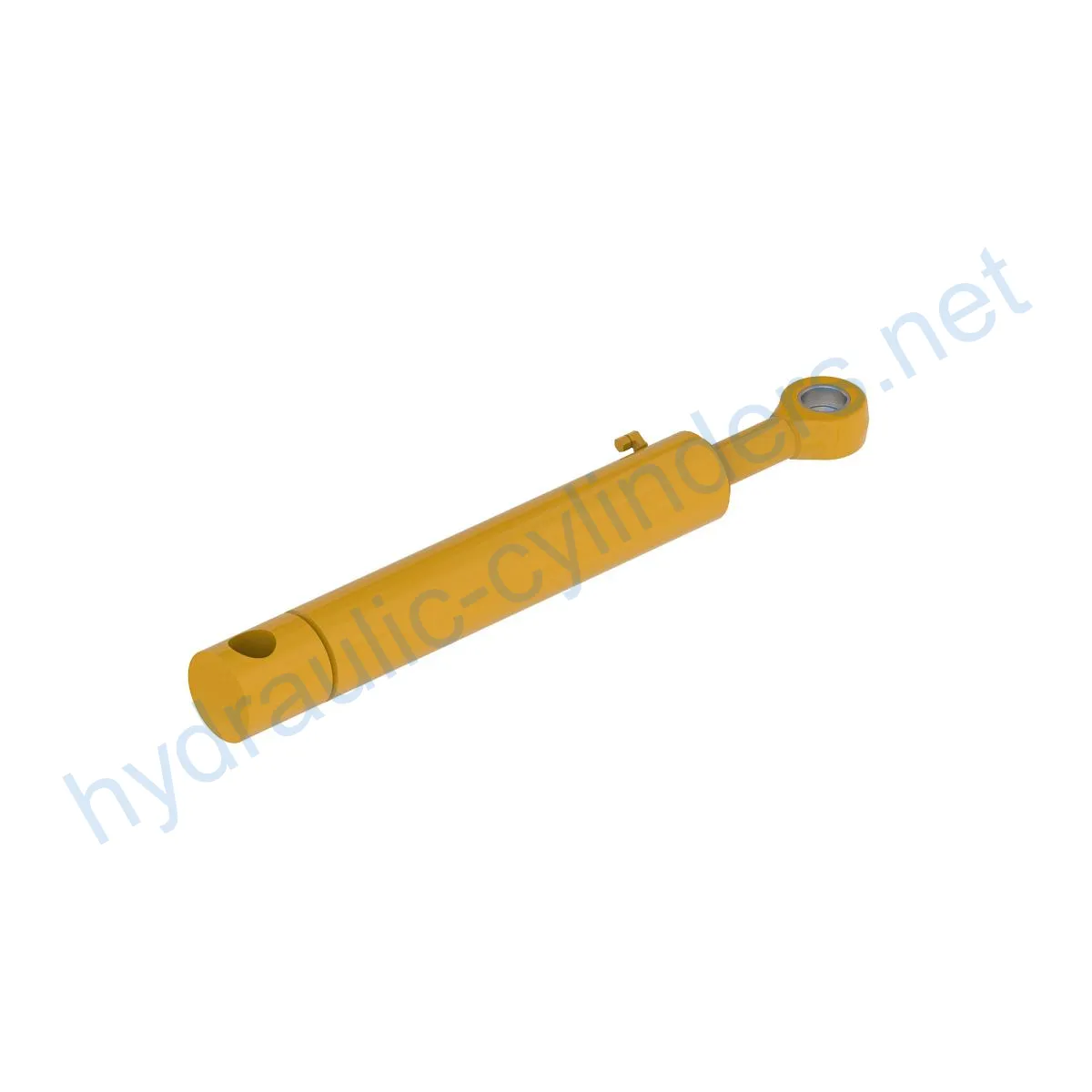
Replacement Of AHC14421 Hydraulic Cylinder
En tant que fabricant, fournisseur et exportateur de produits mécaniques, nous proposons des vérins hydrauliques et de nombreux autres produits.
N'hésitez pas à nous contacter pour plus de détails.
Courrier :sales@hydraulic-cylinders.net
Fabricant fournisseur exportateur de vérins hydrauliques.
Replacement Of AHC14421 Hydraulic Cylinder
Definition: The Replacement Of AHC14421 Hydraulic Cylinder is a high-quality hydraulic cylinder designed to replace the original cylinder in various industrial applications. It plays a crucial role in ensuring the proper functioning of equipment by providing reliable hydraulic power.
Caractéristiques
- Weight: 145.78 lb
- Hauteur : 18 cm
- Length: 48 in
Model: 710 P 710L
Caractéristiques
- Improved Equipment Performance: Replacing damaged or worn hydraulic cylinders can restore the normal operating capability of equipment, ensuring optimal performance in various applications.
- Enhanced Safety: Regularly replacing hydraulic cylinders reduces the safety hazards associated with cylinder failures, ensuring the safety of operators and equipment.
- Protection contre les surcharges : Les nouveaux modèles de vérins intègrent souvent de meilleurs mécanismes de protection contre les surcharges, ce qui améliore la sécurité globale.
- Installation rapide : les vérins hydrauliques modernes sont conçus pour une installation et un remplacement faciles, minimisant ainsi les temps d'arrêt.
- Composants standardisés : De nombreux vérins hydrauliques sont des produits standardisés, ce qui facilite l’obtention de pièces de rechange sur le marché.
Applications
- Excavators: In excavators, hydraulic cylinders in the arm or bucket may get damaged due to prolonged use or overload. Replacing them is necessary to restore proper operation.
- Cranes: Hydraulic cylinders in crane boom arms are prone to wear and tear during frequent lifting and lowering operations. Regular replacement ensures safety.
- Tractors: Hydraulic cylinders in front-end loader attachments of tractors may experience leaks or performance decline due to continuous lifting and tilting operations, requiring replacement.
- Harvesters: The hydraulic system in harvesters operates under high pressure, and cylinders may suffer fatigue damage. Timely replacement ensures work efficiency.
- Automated Production Lines: Hydraulic cylinders are used to control robotic arms and other automated equipment. Cylinder failure can disrupt production efficiency, necessitating immediate replacement.
- Die-casting Machines: In high-pressure and high-temperature environments, hydraulic cylinders may experience performance decline. Regular replacement ensures product quality.
- Équipements miniers : Les vérins hydrauliques sont utilisés dans les équipements miniers pour le levage et le déplacement de charges lourdes. En raison des conditions de travail difficiles, une inspection et un remplacement réguliers sont nécessaires pour éviter les pannes.
- Bulldozers: Worn hydraulic cylinders in bulldozer blade arms can result in reduced pushing capacity. Timely replacement is essential to maintain operational efficiency.
Tâches de maintenance
- Regular Inspection: Periodic inspection of the hydraulic cylinder is crucial to identify any potential issues or wear and tear.
- Proper Lubrication: Adequate lubrication is essential for smooth cylinder operation. Using the recommended hydraulic oil and lubricating the cylinder at specified intervals is vital.
- Seal Replacement: Over time, seals may wear out and lose their effectiveness. Regularly replacing them ensures optimal performance and prevents leaks.
- Calibration Checks: Checking and calibrating the hydraulic cylinder periodically ensures accurate operation and prevents any deviations.
Considérations de sécurité et facteurs environnementaux
When using hydraulic cylinders, it is important to follow safety measures to prevent accidents and injuries. Proper installation, maintenance, and operation are essential to ensure the safety of personnel and equipment. Additionally, considering environmental factors, such as proper disposal of used hydraulic oil, helps minimize the impact on the environment.
Dépannage et problèmes courants
1. Cylinder Leakage: If the hydraulic cylinder is leaking, it may indicate a damaged seal or a faulty cylinder. Inspect and replace the seals or the entire cylinder if necessary.
2. Slow Operation: If the hydraulic cylinder operates slower than usual, it could be due to insufficient lubrication or internal blockages. Check the lubrication and clean or replace any clogged components.
3. Erratic Movement: Unpredictable or jerky movements of the hydraulic cylinder may indicate air in the system or improper alignment. Bleed the air from the system and ensure proper alignment for smooth operation.
Conseils et solutions de dépannage
1. Leakage Fix: Identify the source of the leak, whether it’s from the piston, rod, or seal. Replace the damaged component and ensure proper sealing.
2. Slow Operation Resolution: Check the hydraulic fluid level and quality, ensuring it meets the manufacturer’s recommendations. Clean or replace filters and check for any blockages in the hydraulic lines.
3. Erratic Movement Solution: Bleed the air from the hydraulic system, ensuring no air bubbles are present. Align the cylinder properly with the equipment to avoid any misalignment issues.
Considérations de conception et critères de sélection
The design of hydraulic cylinders should take into account various factors to ensure optimal performance:
- Load-Bearing Capacity: The hydraulic cylinder should be designed to handle the maximum load with adequate safety margins.
- Sealing: Using various sealing components, such as piston seals and rod seals made of durable materials like polyurethane or nitrile rubber, ensures effective sealing and longevity.
- Durability: The cylinder body and threaded ends should undergo precise surface treatments to enhance wear resistance and overall durability.
- Safety: Incorporating safety features like overload protection and proper pressure ratings ensures safe operation.
- Maintainability: Designing the cylinder for ease of maintenance, with accessible components and recommended maintenance procedures, contributes to its longevity.
Étanchéité et lubrification
To ensure smooth operation and prevent leaks, hydraulic cylinders utilize various sealing components, including piston seals, rod seals, and wipers. These seals are made of wear-resistant materials, such as polyurethane or nitrile rubber, to withstand the demanding hydraulic environment. Additionally, the cylinder body and threaded ends undergo fine surface treatments to enhance wear resistance. Regularly lubricating the cylinder with the recommended hydraulic oil helps maintain proper functioning and prolong its lifespan.
Inspection régulière et maintenance préventive
To maximize the lifespan and performance of the hydraulic cylinder, regular inspection and preventive maintenance are essential:
- Proper Installation: Providing guidance on correct alignment during installation, recommending the use of suitable mounting brackets to secure the cylinder.
- Recommended Inspection, Repair, and Replacement Procedures: Outlining the recommended intervals for inspection, repair, and replacement of components to ensure optimal functioning and prevent failures.
- Parts Replacement and Rebuilding Services: Offering replacement parts and rebuilding services to customers, ensuring the availability of necessary components and extending the life of the hydraulic cylinder.
- Tips for Extending Lifespan: Providing tips and techniques for increasing the lifespan of the hydraulic cylinder, such as avoiding overloading and using appropriate maintenance practices.
À propos de notre entreprise
We are a leading manufacturer and wholesale distributor of replacement hydraulic cylinders, offering a comprehensive range of products for various applications in both domestic and international markets.
Nos points forts :
Vérin hydraulique Application :

 FR
FR  EN
EN  PT
PT  ES
ES  DE
DE  IT
IT  AR
AR  ZH
ZH  RU
RU  KO
KO  KA
KA  BG
BG  CS
CS  DA
DA  EL
EL  ET
ET  FI
FI  HU
HU  ID
ID  LT
LT  LV
LV  NB
NB  NL
NL  PL
PL  RO
RO  SK
SK  SL
SL  SV
SV  TR
TR  UK
UK