
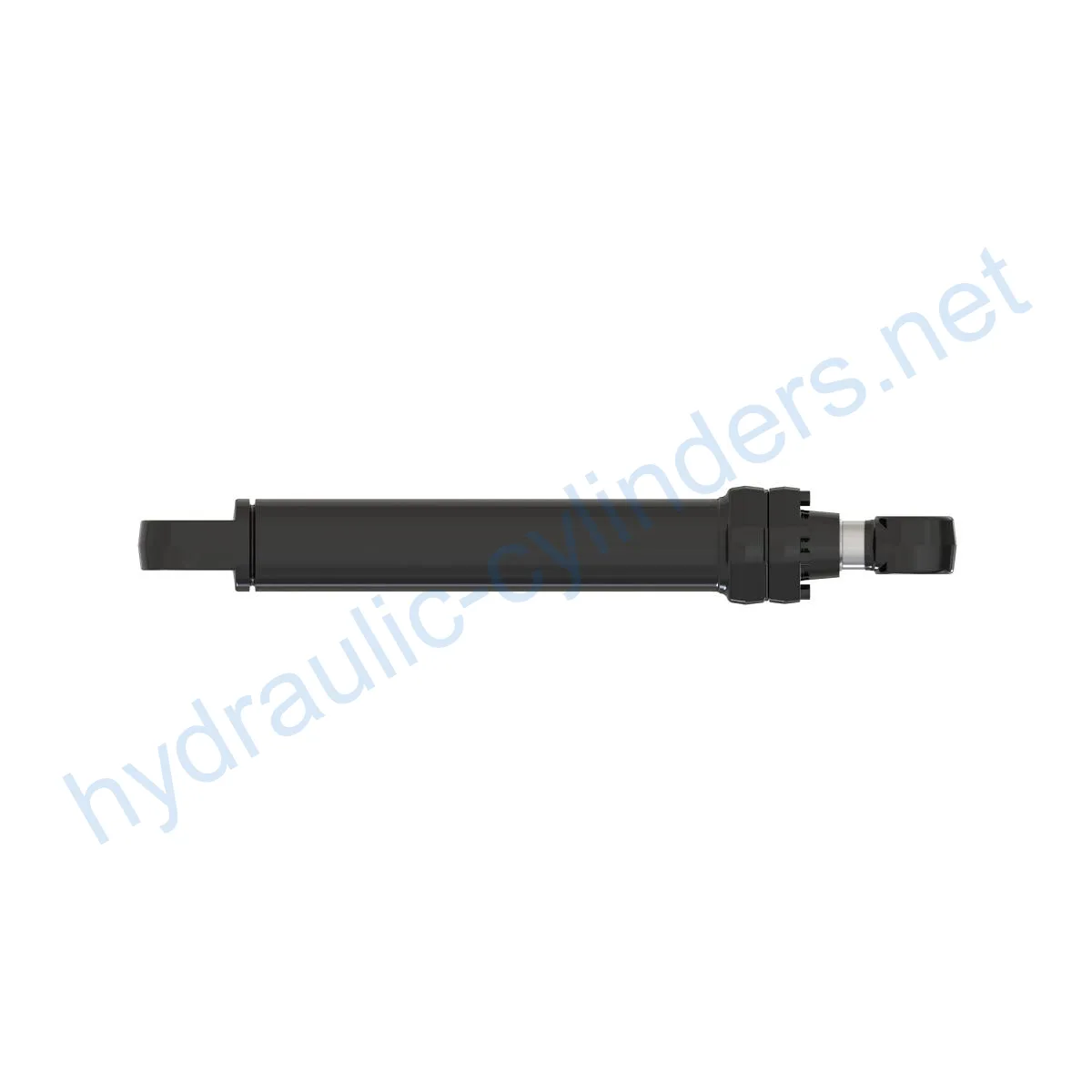
Replacement Of AHC14432 Crowd Hydraulic Cylinder
En tant que fabricant, fournisseur et exportateur de produits mécaniques, nous proposons des vérins hydrauliques et de nombreux autres produits.
N'hésitez pas à nous contacter pour plus de détails.
Courrier :sales@hydraulic-cylinders.net
Fabricant fournisseur exportateur de vérins hydrauliques.
Replacement Of AHC14432 Crowd Hydraulic Cylinder
Introduction:
The Replacement Of AHC14432 Crowd Hydraulic Cylinder is a crucial component in various heavy machinery models, including 710 P, 710J, 710K, and 710L. This hydraulic cylinder serves the purpose of providing powerful hydraulic force to facilitate the movement and operation of machinery, ensuring optimal performance and functionality.
Spécifications et modèles :
Weight: 304 lb
Hauteur : 9 pouces
Length: 56.5 in
Models: 710 P, 710J, 710K, 710L
Caractéristiques:
- Amélioration des performances des équipements : Le remplacement des vérins hydrauliques endommagés ou usés permet de rétablir les capacités opérationnelles normales de l’équipement, garantissant ainsi des performances optimales dans diverses applications.
- Sécurité renforcée : Le remplacement régulier des vérins hydrauliques réduit les risques pour la sécurité liés aux défaillances des vérins, garantissant ainsi la sécurité des opérateurs et des équipements.
- Protection contre les surcharges : Les conceptions modernes des cylindres intègrent souvent de meilleurs mécanismes de protection contre les surcharges, améliorant ainsi la sécurité globale.
- Quick Installation: Hydraulic cylinders are typically designed for easy installation and replacement, minimizing downtime.
- Composants standardisés : De nombreux vérins hydrauliques sont des produits standardisés, ce qui facilite la disponibilité des pièces de rechange sur le marché.
We have the capability to manufacture this product, offering perfect replacements for these hydraulic cylinders.
Applications:
1. Excavatrices :
In excavators, the hydraulic cylinders in the boom or bucket may get damaged from long-term use or overloading, requiring replacement to restore normal operation.
2. Grues :
The hydraulic cylinders in crane boom arms are susceptible to wear and tear due to frequent lifting and lowering, necessitating regular replacement to ensure safety.
3. Tracteurs :
The hydraulic cylinders in front-end loader attachments for tractors may experience leaks or performance degradation during continuous lifting and tilting operations, requiring replacement.
4. Moissonneurs :
High pressure and stress on the hydraulic system during harvesting can lead to cylinder fatigue, necessitating timely replacement to maintain work efficiency.
5. Lignes de production automatisées :
Hydraulic cylinders are used to control robotic arms and other automated equipment. Cylinder failures can significantly impact production efficiency, thus requiring immediate replacement.
6. Die-casting Machines:
Dans les environnements à haute pression et haute température, les vérins hydrauliques peuvent subir une dégradation de leurs performances. Un remplacement régulier garantit la qualité du produit.
7. Équipement minier :
Hydraulic cylinders are used for lifting and moving heavy loads in mining equipment. Regular inspections and replacements are necessary due to the harsh working conditions to avoid equipment failure.
8. Bulldozers :
Wear on hydraulic cylinders in bulldozer blade arms can result in reduced pushing capabilities, necessitating timely replacements to maintain operational efficiency.
Tâches de maintenance :
- Regular Inspections: Periodic inspections ensure early detection of potential issues and allow for prompt maintenance or replacement.
- Proper Lubrication: Adequate lubrication is essential to minimize friction and extend the lifespan of the hydraulic cylinder. Regular lubrication should be performed following recommended guidelines.
- Seal Replacement and Calibration Checks: Over time, seals may wear out or become damaged, resulting in leaks or reduced performance. Regular seal replacements and calibration checks are crucial to maintain optimal cylinder functionality.
During installation, it is important to provide proper alignment guidance for the cylinder, recommend the use of suitable installation brackets to secure the cylinder, and advise on recommended inspection, repair, and replacement procedures. We offer replacement parts and rebuilding services to enhance the longevity of the hydraulic cylinder.
Considérations relatives à la sécurité et facteurs environnementaux :
When using hydraulic cylinders, it is crucial to adhere to safety measures to prevent accidents and ensure the well-being of operators and equipment. Safety precautions should be followed to minimize risks associated with hydraulic systems, including proper installation, regular maintenance, and adherence to safety guidelines. Additionally, considering environmental factors during the disposal of old cylinders is essential to minimize environmental impact.
Diagnostic des pannes et problèmes courants :
Faults:
- Leakage: Hydraulic cylinder leakage can occur due to worn-out seals or damaged components.
- Insufficient Force: Insufficient force output may result from internal component wear or system malfunctions.
- Slow Operation: Slow cylinder movement can be caused by low hydraulic fluid levels or internal component issues.
Dépannage et solutions :
- Leakage: Inspect and replace worn-out seals, ensuring proper installation and calibration.
- Insufficient Force: Check hydraulic system pressure, inspect for worn-out components, and ensure proper lubrication.
- Slow Operation: Check hydraulic fluid levels, inspect for internal component damage, and perform necessary repairs or replacements.
Preventive measures should be taken to minimize potential issues, such as regular inspections, proper lubrication, and adherence to recommended operating parameters and maintenance procedures.

Considérations de conception et critères de sélection :
Considérations de conception :
- Load-Bearing Capacity: The hydraulic cylinder should be designed to handle the required load without compromising safety and performance.
- Sealing Capability: Effective sealing mechanisms, such as piston seals and rod seals, should be incorporated to prevent leakage.
- Durability: The cylinder should be constructed with durable materials and undergo surface treatments to enhance wear resistance and longevity.
- Safety: Safety features, such as overload protection and proper installation guidelines, should be considered during the design process.
- Maintainability: Designing for ease of maintenance, including accessibility and standardized components, simplifies future repairs and replacements.
Étanchéité et lubrification :
The hydraulic cylinder employs various sealing components, such as piston seals and rod seals, which are selected based on their wear-resistant materials, such as polyurethane and nitrile rubber. The cylinder body and threaded ends undergo precise surface treatments to improve wear resistance. Regular lubrication with appropriate hydraulic oil is recommended to ensure smooth operation and prevent premature wear.
Regular inspections and proactive maintenance measures are essential to identify and address potential issues before they escalate. By following proper installation, lubrication, and adjustment guidelines, the lifespan of the hydraulic cylinder can be significantly extended.
Guide d'installation :
1. Prepare the installation area and ensure it is clean and free from debris.
2. Align the hydraulic cylinder with the mounting points and use appropriate installation brackets to secure it.
3. Connect the hydraulic hoses or lines, ensuring proper sealing and tight connections.
4. Test the cylinder’s functionality by performing a series of controlled movements.
5. Verify that all connections are leak-free and perform any necessary adjustments or calibrations.

Vérin hydraulique Application :

 FR
FR  EN
EN  PT
PT  ES
ES  DE
DE  IT
IT  AR
AR  ZH
ZH  RU
RU  KO
KO  KA
KA  BG
BG  CS
CS  DA
DA  EL
EL  ET
ET  FI
FI  HU
HU  ID
ID  LT
LT  LV
LV  NB
NB  NL
NL  PL
PL  RO
RO  SK
SK  SL
SL  SV
SV  TR
TR  UK
UK