
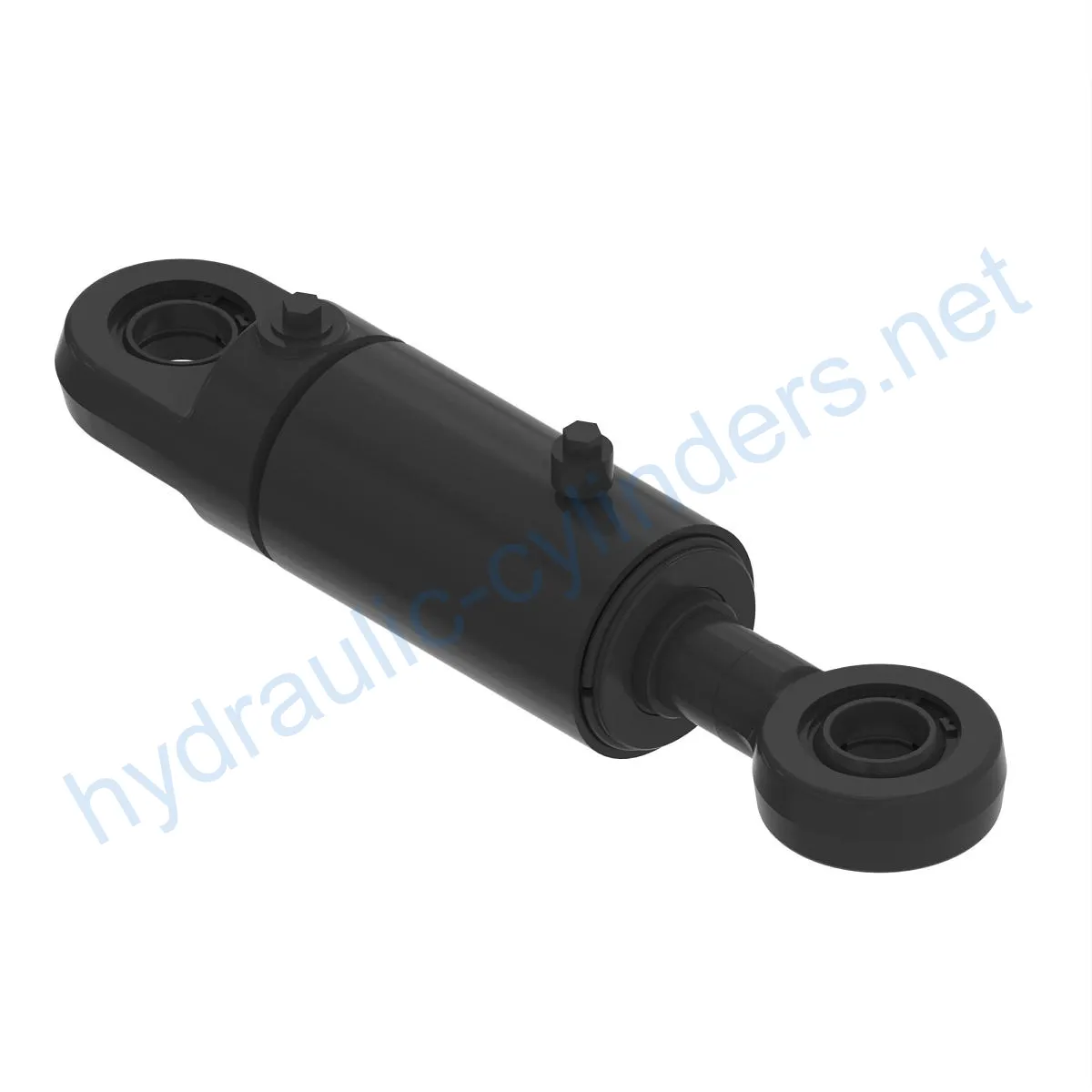
Replacement Of AHC14489 Tilt Hydraulic Cylinder
En tant que fabricant, fournisseur et exportateur de produits mécaniques, nous proposons des vérins hydrauliques et de nombreux autres produits.
N'hésitez pas à nous contacter pour plus de détails.
Courrier :sales@hydraulic-cylinders.net
Fabricant fournisseur exportateur de vérins hydrauliques.
Replacement Of AHC14489 Tilt Hydraulic Cylinder
The Replacement Of AHC14489 Tilt Hydraulic Cylinder is a hydraulic component designed for various models including 333G, 450H, 450J, 450K, 550, 550H, 550J, 550K, 650H, and 650J. It is an essential part that plays a crucial role in the efficient operation of equipment.
Caractéristiques
- Weight: 51.63 lb
- Hauteur : 4,5 pouces
- Largeur : 5,8 pouces
- Longueur : 22,5 pouces
Caractéristiques
1. Amélioration des performances des équipements :
Replacing damaged or worn hydraulic cylinders restores the equipment’s normal operational capabilities, ensuring optimal performance in various applications.
2. Sécurité renforcée :
Le remplacement régulier des vérins hydrauliques réduit les risques pour la sécurité liés aux défaillances des vérins, assurant ainsi la sécurité des opérateurs et des équipements.
3. Protection contre les surcharges :
Les nouveaux modèles de cylindres intègrent souvent de meilleurs mécanismes de protection contre les surcharges, ce qui améliore la sécurité pendant le fonctionnement.
4. Installation rapide :
Les vérins hydrauliques modernes sont conçus pour une installation et un remplacement faciles, minimisant ainsi les temps d'arrêt.
5. Composants normalisés :
De nombreux vérins hydrauliques sont des produits standardisés, ce qui facilite l'obtention de pièces de rechange sur le marché.
Applications
The Replacement Of AHC14489 Tilt Hydraulic Cylinder finds applications in various scenarios:
1. Excavatrices :
In excavators, the hydraulic cylinder in the arm or bucket may get damaged due to prolonged use or overloading, requiring replacement to restore normal operation.
2. Grues :
The boom hydraulic cylinders in cranes are prone to wear during frequent lifting and lowering operations, necessitating regular replacement for safety.
3. Tracteurs :
The front-end loader hydraulic cylinders in tractors may develop leaks or experience performance decline due to constant lifting and tilting operations, requiring replacement.
4. Moissonneurs :
During harvesting, the hydraulic system undergoes high pressure, and cylinders may get damaged due to fatigue. Timely replacement ensures work efficiency.
5. Lignes de production automatisées :
Les vérins hydrauliques servent à commander les bras robotisés et autres équipements automatisés. Une panne de vérin peut affecter la productivité et nécessite un remplacement immédiat.
Tâches de maintenance
Les tâches d'entretien régulier des vérins hydrauliques comprennent :
1. Periodic Inspections:
Regularly inspecting cylinders ensures early detection of any potential issues and allows for timely maintenance.
2. Lubrification adéquate :
Applying appropriate lubrication helps reduce friction and extends the lifespan of the cylinder.
3. Remplacement des joints et vérifications d'étalonnage :
Replacing worn seals and performing calibration checks ensures optimal performance and prevents leaks.
Considérations de sécurité et facteurs environnementaux
When using hydraulic cylinders, safety measures are crucial:
1. Importance of Safety Measures:
Proper safety measures should be implemented when handling hydraulic cylinders to prevent accidents and ensure operator safety.
2. Environmental Impact:
Considering environmental factors when using hydraulic cylinders helps minimize potential damage and promotes sustainable practices.
Dépannage et problèmes courants
Common issues and troubleshooting tips for hydraulic cylinders:
1. Fuite :
If there is a leakage in the hydraulic cylinder, check for damaged seals or loose connections. Replace seals and tighten connections as needed.
2. Puissance insuffisante :
If the cylinder lacks power, check for low hydraulic pressure, inadequate lubrication, or damaged components. Address the root cause accordingly.
3. Fonctionnement lent :
If the cylinder operates slowly, inspect the hydraulic fluid levels, consider potential blockages, or check for worn-out seals. Take appropriate action to restore proper functioning.
Considérations relatives à la conception du produit et critères de sélection
Product design considerations and selection criteria for hydraulic cylinders:
1. Capacité de charge :
The hydraulic cylinder should be chosen based on its load-bearing capacity to ensure optimal performance and safety.
2. Étanchéité et durabilité :
Hydraulic cylinders with reliable sealing mechanisms and durable construction are essential for long-term performance.
3. Sécurité et entretien :
Considering safety features and ease of maintenance when selecting hydraulic cylinders helps optimize functionality and reduce downtime.
Étanchéité et lubrification
Proper sealing and lubrication techniques for hydraulic cylinders:
1. Sealing Components:
Utilize various sealing components such as piston seals and rod seals made from wear-resistant materials like polyurethane or nitrile rubber.
2. Surface Treatment:
Fine surface treatment of cylinder bodies and threaded ends enhances wear resistance and extends the operational lifespan.
3. Lubrication:
Regularly lubricate the hydraulic cylinder with the appropriate amount of hydraulic oil to ensure smooth operation.
Inspections régulières et maintenance préventive
Effective preventive maintenance techniques for hydraulic cylinders:
1. Correct Installation:
Properly align the cylinder during installation and provide guidance on aligning the cylinder correctly.
2. Recommended Inspection, Repair, and Replacement Procedures:
Follow recommended inspection, repair, and replacement procedures to ensure the longevity and optimal performance of hydraulic cylinders.
3. Parts Replacement and Rebuilding Services:
Offer replacement parts and rebuilding services to enhance the lifespan and functionality of hydraulic cylinders.
Guide d'installation
Ensure the correct installation of the hydraulic cylinder using the following guidelines:
1. Alignment:
Align the cylinder properly during installation to prevent misalignment and potential damage.
2. Use of Installation Brackets:
Recommend using appropriate installation brackets to secure the cylinder firmly in place.
3. Recommended Inspection, Repair, and Replacement Procedures:
Provide step-by-step instructions for inspection, repair, and replacement procedures to ensure proper installation and maintenance.
Auteur : lyl

Last Updated: [Insert date]
Notre entreprise
We are a leading manufacturer and wholesaler of replacement hydraulic cylinders, offering a comprehensive range of products for both domestic and international markets.
Professionnalisme:
We pride ourselves on our professionalism, ensuring high-quality products and services for our customers.
Certifications internationales :
Our products meet international standards and certifications, guaranteeing their reliability and performance.
Services de personnalisation :
We provide customization services to meet specific requirements and ensure the
Vérin hydraulique Application :

 FR
FR  EN
EN  PT
PT  ES
ES  DE
DE  IT
IT  AR
AR  ZH
ZH  RU
RU  KO
KO  KA
KA  BG
BG  CS
CS  DA
DA  EL
EL  ET
ET  FI
FI  HU
HU  ID
ID  LT
LT  LV
LV  NB
NB  NL
NL  PL
PL  RO
RO  SK
SK  SL
SL  SV
SV  TR
TR  UK
UK