


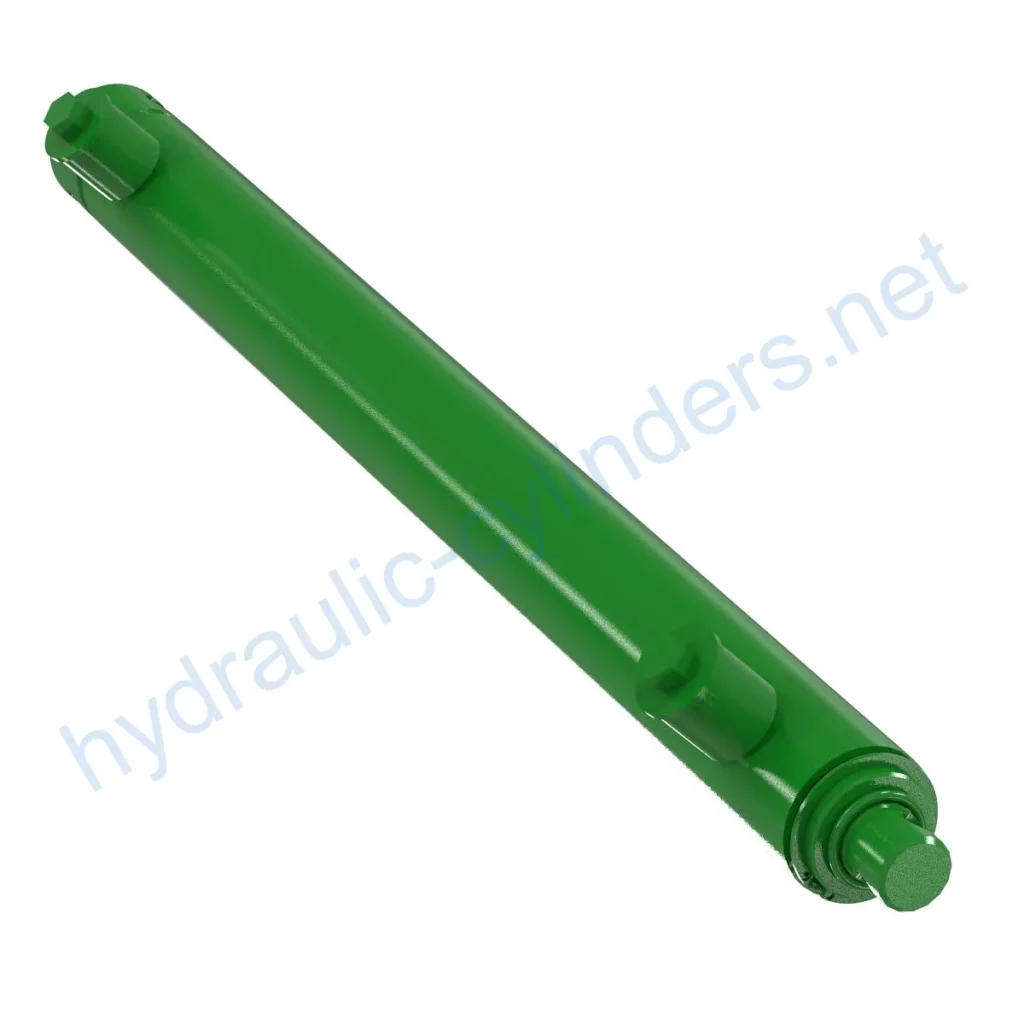
Replacement Of AHC17556 Reel force Hydraulic Cylinder
The Replacement Of AHC17556 Reel force Hydraulic Cylinder is a hydraulic cylinder that is designed to replace the AHC17556 model. It is used in various equipment models including 616, 616R, 618, 620, 622, 625D, 625F, 630, 630D, 630FD, 635, 635D, 635F, 635FD, 640D, 640FD, 645FD, 725D, 730D, 730FD, 735D, 735FD, 740D, 740FD, 745FD, HD35F, HD35R, HD40F, HD40R, HD45F, HD45R, HD50F, HD50R, RD30F, RD35F, RD40F, RD45F, RDF 30, RDF 35, RDF 40, and RDF 45.
Spécifications du produit
- Weight: 6.14 lb
- Hauteur : 1,5 pouce
- Largeur : 2,9 pouces
- Length: 19.5 in
Caractéristiques du produit
- Improved equipment performance: Replacing damaged or worn-out hydraulic cylinders can restore the equipment’s normal operational capabilities, ensuring its performance in various applications.
- Sécurité renforcée : Le remplacement régulier des vérins hydrauliques permet de réduire les risques pour la sécurité liés aux défaillances des vérins, garantissant ainsi la sécurité des opérateurs et des équipements.
- Overload protection: New cylinder designs often consider better overload protection mechanisms, improving safety.
- Installation rapide : Les vérins hydrauliques modernes sont conçus pour une installation et un remplacement faciles, réduisant ainsi les temps d’arrêt.
- Composants standardisés : De nombreux vérins hydrauliques sont des produits standardisés, ce qui facilite l’obtention de pièces de rechange sur le marché.
We can produce this product and our hydraulic cylinders can perfectly replace these models.
Applications
Here are three examples of applications for this hydraulic cylinder:
- Excavators: The hydraulic cylinder on the excavator’s boom or bucket may get damaged due to prolonged use or overload, requiring replacement to restore normal operation.
- Cranes: The hydraulic cylinder on the crane’s boom is prone to wear during frequent lifting and lowering processes, requiring regular replacement to ensure safety.
- Tractors: The hydraulic cylinder on the front-end loader of a tractor may experience leaks or performance degradation during continuous lifting and tilting operations, necessitating replacement.
Tâches de maintenance
Voici trois tâches d'entretien courantes pour le vérin hydraulique :
- Regular inspections: It is important to regularly inspect the hydraulic cylinder for any signs of wear, leaks, or other issues.
- Proper lubrication: Applying appropriate lubrication to the hydraulic cylinder can help reduce friction and extend its lifespan.
- Seal replacement and calibration checks: Periodically replacing seals and performing calibration checks can ensure optimal performance of the hydraulic cylinder.
Considérations de sécurité et facteurs environnementaux
When using hydraulic cylinders, it is important to prioritize safety measures to prevent accidents and ensure the wellbeing of operators. Additionally, considering environmental factors in the design and usage of hydraulic cylinders can minimize their impact on the surroundings.
Diagnostic des pannes et problèmes courants
Common issues and troubleshooting tips for hydraulic cylinders:
- Issue 1: Leakage – Possible Cause: Damaged seals or connectors. Solution: Replace the seals or connectors.
- Issue 2: Slow operation – Possible Cause: Insufficient hydraulic fluid or clogged valves. Solution: Check and refill hydraulic fluid, clean or replace valves if necessary.
- Issue 3: Noisy operation – Possible Cause: Air in the hydraulic system. Solution: Bleed the system to remove air bubbles.
Mesures préventives
To minimize potential issues with hydraulic cylinders, it is recommended to:
- Perform regular maintenance tasks as mentioned above.
- Follow proper installation, lubrication, and adjustment procedures.
- Fournir des instructions sur la manière d'aligner correctement le cylindre lors de l'installation.
- Suggest using appropriate installation brackets to secure the cylinder.
- Recommander les procédures d'inspection, de réparation et de remplacement.
- Nous proposons des pièces de rechange et des services de remise à neuf pour prolonger la durée de vie du vérin hydraulique.


Considérations de conception et critères de sélection
Lors de la conception et de la sélection des vérins hydrauliques, plusieurs facteurs doivent être pris en compte :
- Capacité de charge
- efficacité d'étanchéité
- Durabilité
- Dispositifs de sécurité
- Maintenabilité
Proper selection and design based on these factors can ensure optimal performance and longevity of the hydraulic cylinder.
Étanchéité et lubrification
Hydraulic cylinders use various sealing components, such as piston seals and rod seals, made from wear-resistant materials like polyurethane and nitrile rubber. The cylinder body and threaded end surfaces are finely treated to enhance wear resistance. Regularly adding an appropriate amount of hydraulic oil for lubrication is necessary.
Inspection régulière et maintenance préventive
Regular inspections and preventive maintenance tasks are crucial for the proper functioning of hydraulic cylinders. It is essential to follow correct installation, lubrication, and adjustment procedures. Providing installation guidance, recommending the use of suitable installation brackets for cylinder fixation, suggesting inspection, repair, and replacement programs, and offering tips to extend the lifespan of the hydraulic cylinder.
Guide d'installation du produit
Correct installation is vital for the optimal performance of the hydraulic cylinder. Follow these steps:
- Assurez-vous que les surfaces de montage sont propres et exemptes de débris.
- Alignez correctement le cylindre avec l'équipement.
- Utilisez les supports de fixation appropriés pour fixer solidement le cylindre.
- Check for any leaks or abnormalities after installation.
À propos de notre entreprise
We are a manufacturer of replacement hydraulic