
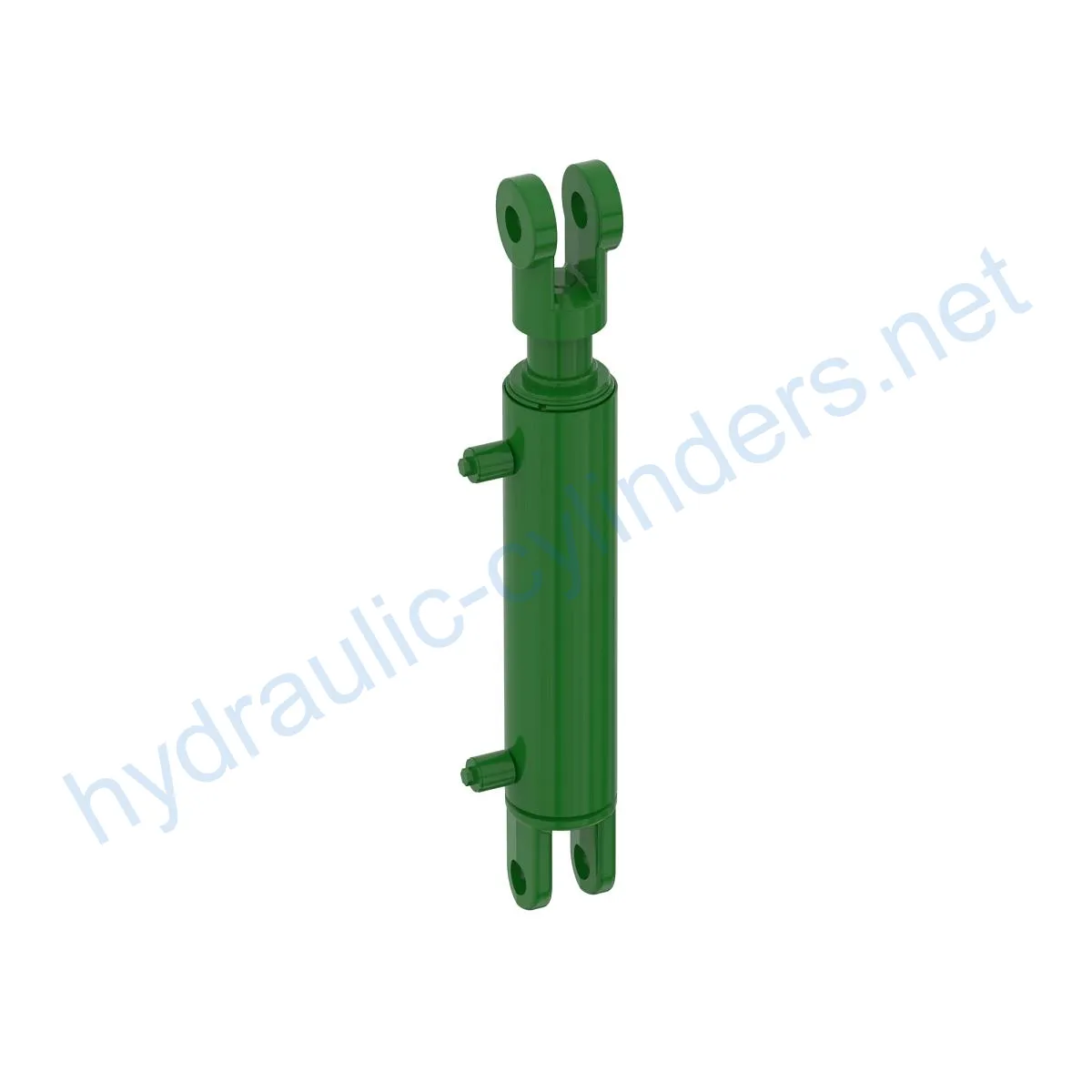
Replacement Of AHC18574 Hydraulic Cylinder
En tant que fabricant, fournisseur et exportateur de produits mécaniques, nous proposons des vérins hydrauliques et de nombreux autres produits.
N'hésitez pas à nous contacter pour plus de détails.
Courrier :sales@hydraulic-cylinders.net
Fabricant fournisseur exportateur de vérins hydrauliques.
Introduction
The Replacement Of AHC18574 Hydraulic Cylinder is a vital component used in various machinery, including models 1895 N530C, N536C, N540C, N542C, and N560F. This hydraulic cylinder plays a crucial role in ensuring the smooth operation of equipment. With a weight of 26 lb and dimensions of 3.3 in (height), 4.5 in (width), and 22.5 in (length), it is designed to meet the highest standards of performance and durability.
Spécifications et modèles
Weight: 26 lb
Hauteur : 3,3 pouces
Largeur : 4,5 pouces
Longueur : 22,5 pouces
Modèles compatibles :
- 1895 N530C
- 1895 N536C
- 1895 N540C
- 1895 N542C
- 1895 N560F
Caractéristiques
- Amélioration des performances des équipements : Le remplacement des vérins hydrauliques endommagés ou usés permet de rétablir les capacités opérationnelles normales de l’équipement, garantissant ainsi des performances optimales dans diverses applications.
- Sécurité renforcée : Le remplacement régulier des vérins hydrauliques réduit les risques pour la sécurité liés aux défaillances des vérins, garantissant ainsi la sécurité des opérateurs et des équipements.
- Protection contre les surcharges : La conception des nouveaux vérins intègre souvent de meilleurs mécanismes de protection contre les surcharges, améliorant ainsi la sécurité pendant leur fonctionnement.
- Installation rapide : les vérins hydrauliques modernes sont conçus pour une installation et un remplacement faciles, minimisant ainsi les temps d'arrêt.
- Composants standardisés : De nombreux vérins hydrauliques sont standardisés, ce qui facilite l’obtention de pièces de rechange sur le marché.
Applications
The Replacement Of AHC18574 Hydraulic Cylinder finds its applications in various scenarios:
Excavatrice
In excavators, the hydraulic cylinder may get damaged due to prolonged use or overload in the arm or bucket. Replacing it is essential to restore normal operation.
Grue
The hydraulic cylinder in a crane’s lifting arm is prone to wear and tear during frequent lifting and lowering operations. Regular replacement ensures safety.
Tracteur
The hydraulic cylinder in a tractor’s front-end loader may develop leaks or reduced performance due to continuous lifting and tilting operations. Replacement is necessary in such cases.
Moissonneuse
During harvesting, hydraulic systems endure high pressure, and cylinders may get damaged due to fatigue. Timely replacement is crucial to maintain work efficiency.
Ligne de production automatisée
Hydraulic cylinders are used to control robotic arms and other automated equipment in production lines. Immediate replacement is necessary in case of cylinder failure to avoid production delays.
Machine de moulage sous pression
Les vérins hydrauliques des machines de fonderie sous pression peuvent subir une dégradation de leurs performances dans des environnements à haute pression et haute température. Un remplacement régulier garantit la qualité du produit.
Équipement minier
Hydraulic cylinders are used in mining equipment for lifting and moving heavy loads. They require regular inspection and replacement to prevent equipment failure in harsh working conditions.
Bulldozer
In bulldozers, the wear of hydraulic cylinders on the dozer blade can lead to a decrease in pushing ability. Timely replacement is necessary to maintain operational efficiency.
Tâches de maintenance
Les tâches d'entretien régulier des vérins hydrauliques comprennent :
1. Inspection
Regularly inspecting the cylinder for leaks, damage, and signs of wear is essential to identify potential issues.
2. Lubrification
Proper lubrication ensures smooth operation and prevents premature wear of the cylinder. Use recommended hydraulic oil and follow lubrication guidelines.
3. Remplacement des joints et vérifications d'étalonnage
Replacing worn seals and performing calibration checks ensures optimal performance and prevents leaks. Follow proper alignment instructions during installation and consider using suitable installation brackets to secure the cylinder.
Considérations de sécurité et facteurs environnementaux
When using hydraulic cylinders, it is crucial to prioritize safety measures. Proper handling, regular maintenance, and adherence to safety protocols are essential to prevent accidents and ensure safe operation. Additionally, considering environmental factors, such as using environmentally friendly hydraulic oils, helps minimize the impact on the ecosystem.
Dépannage et problèmes courants
Common hydraulic cylinder issues include leaks, insufficient force, and erratic movements. Here are some troubleshooting tips and solutions:
Problème : Fuite
Possible Solution: Check and replace damaged seals or connections. Ensure proper installation and tighten fittings.
Problem: Insufficient Force
Possible Solution: Check for low hydraulic fluid levels, clogged filters, or worn-out components. Refill or replace as necessary.
Problem: Erratic Movements
Possible Solution: Inspect for damaged valves, contaminated fluid, or air in the system. Repair or bleed the system accordingly.
Preventive measures such as regular inspections, proper maintenance, and following recommended operating practices can help minimize potential issues and ensure optimal performance.

Considérations de conception et critères de sélection
When designing hydraulic cylinders, several factors come into play:
1. Capacité de charge
The cylinders’ load-bearing capacity should meet the specific requirements of the machinery to ensure safe and efficient operation.
2. Sealing, Durability, and Safety
Adequate sealing, durability, and safety features are essential to withstand challenging environments and prevent leaks or failures.
3. Maintenance and Repair
Ease of maintenance and repair should be considered, allowing for quick and efficient servicing and minimizing downtime.
Étanchéité et lubrification
Hydraulic cylinders incorporate various sealing elements, such as piston seals and rod seals, made of wear-resistant materials like polyurethane and nitrile rubber. Furthermore, the cylinder body and threaded ends undergo meticulous surface treatment to enhance wear resistance. Regular lubrication with the appropriate amount of hydraulic oil ensures smooth operation and extends the cylinder’s lifespan.
Inspection périodique et maintenance préventive
For optimal performance and longevity, the following maintenance measures are recommended:
1. Proper Installation
Ensure correct alignment during installation and follow the provided guidelines for securing the cylinder. Incorrect installation can lead to premature wear and other issues.
2. Lubrication and Adjustment
Timely lubrication and adjustment of the cylinder play a vital role in maintaining its performance. Follow the recommended lubrication intervals and use the proper type of hydraulic oil.
3. Inspection, Repair, and Replacement
Regularly inspect the cylinder for signs of wear, leaks, or damage. Implement a repair or replacement strategy based on the findings. Timely replacement
Vérin hydraulique Application :

 FR
FR  EN
EN  PT
PT  ES
ES  DE
DE  IT
IT  AR
AR  ZH
ZH  RU
RU  KO
KO  KA
KA  BG
BG  CS
CS  DA
DA  EL
EL  ET
ET  FI
FI  HU
HU  ID
ID  LT
LT  LV
LV  NB
NB  NL
NL  PL
PL  RO
RO  SK
SK  SL
SL  SV
SV  TR
TR  UK
UK