
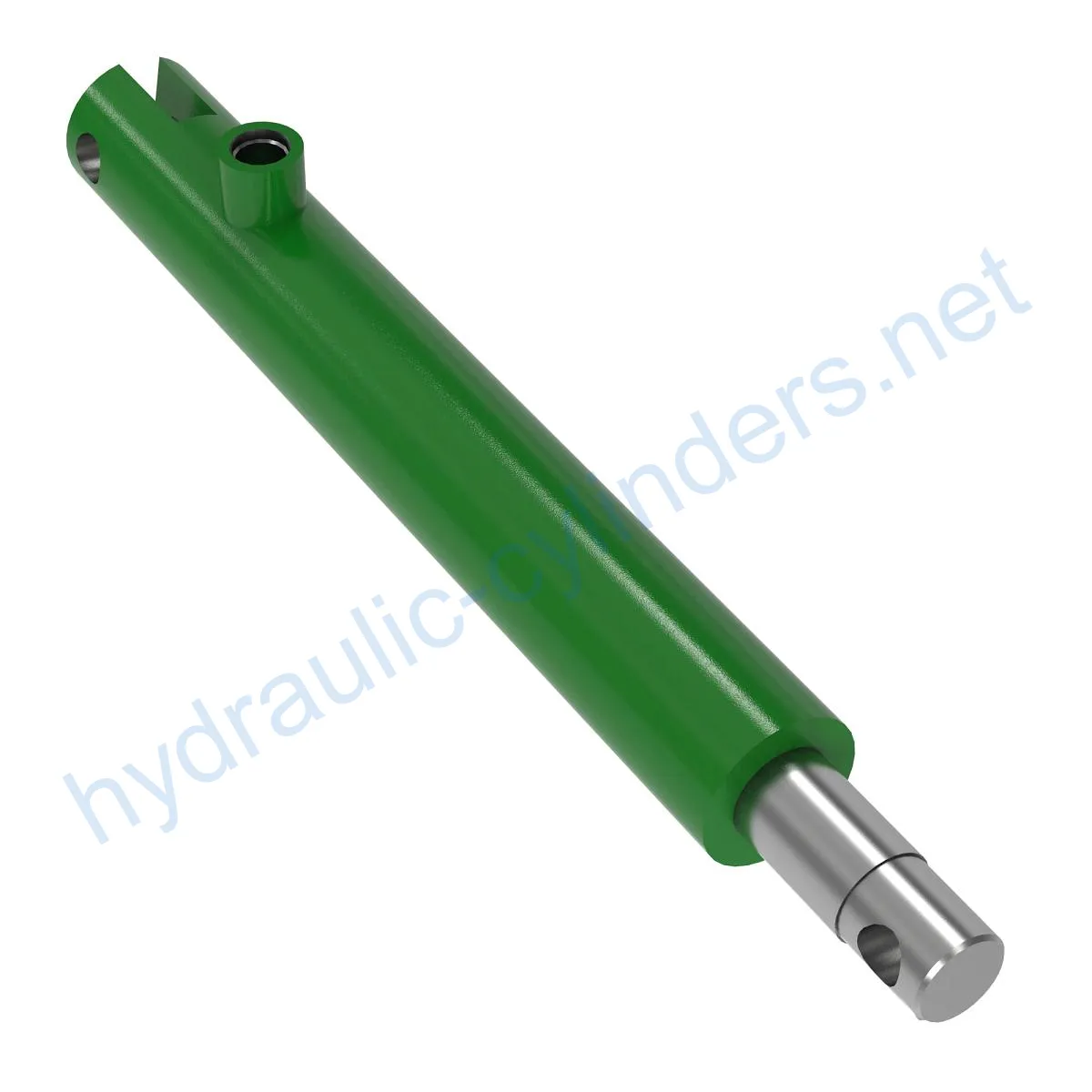
Replacement Of AHC18832 Hydraulic Cylinder
Replacement Of AHC18832 Hydraulic Cylinder
The Replacement Of AHC18832 Hydraulic Cylinder is a vital component used in various types of machinery, including the 630D, 913, 915F, 915R, 918, 918F, 918R, 920F, 920R, 922F, 922R, 924, 925, 925F, 925R, 930, 930F, 930R, 4630, 4730, 4830, and 4920 4930 models.
Introduction to the Replacement Of AHC18832 Hydraulic Cylinder
The Replacement Of AHC18832 Hydraulic Cylinder is a hydraulic component designed to provide efficient and reliable performance in various applications. It plays a crucial role in the operation of machinery by converting fluid power into linear mechanical force, enabling precise movement and control.
Spécifications et modèles
The Replacement Of AHC18832 Hydraulic Cylinder has the following specifications:
- Weight: 5.56 lb
- Height: 1.4 in
- Width: 2.6 in
- Length: 14.2 in
Il est compatible avec les modèles de machines suivants :
- 630D
- 913
- 915F
- 915R
- 918
- 918F
- 918R
- 920F
- 920R
- 922F
- 922R
- 924
- 925
- 925F
- 925R
- 930
- 930F
- 930R
- 4630
- 4730
- 4830
- 4920
- 4930
Caractéristiques principales
- Amélioration des performances de l'équipement : le remplacement des vérins hydrauliques endommagés ou usés peut restaurer les capacités opérationnelles normales de l'équipement, garantissant des performances optimales dans diverses applications.
- Enhanced Safety: Regularly replacing hydraulic cylinders can reduce potential safety hazards caused by cylinder failures, ensuring the safety of operators and equipment.
- Protection contre les surcharges : Les nouveaux modèles de vérins intègrent souvent de meilleurs mécanismes de protection contre les surcharges, ce qui améliore la sécurité globale.
- Installation rapide : Les vérins hydrauliques modernes sont conçus pour faciliter leur installation et leur remplacement, minimisant ainsi les temps d’arrêt.
- Composants standardisés : De nombreux vérins hydrauliques sont standardisés, ce qui facilite l’obtention de pièces de rechange sur le marché.
Applications
The Replacement Of AHC18832 Hydraulic Cylinder is commonly used in various applications, including:
- Excavators: Hydraulic cylinders in excavator booms or buckets may get damaged or worn due to prolonged use or overload, requiring replacement to restore normal operation.
- Cranes: Hydraulic cylinder in crane boom undergoes frequent lifting and lowering, leading to wear and tear, necessitating regular replacement for safety reasons.
- Tractors: Hydraulic cylinders in front-end loaders of tractors may experience leaks or performance degradation due to continuous lifting and tilting operations, requiring replacement.
- Harvesters: Hydraulic cylinders bear high pressure during harvesting, and fatigue may cause damage, requiring timely replacement to maintain operational efficiency.
- Automated Production Lines: Hydraulic cylinders are used to control robotic arms and other automated equipment. Cylinder failure can affect production efficiency, necessitating immediate replacement.
- Die-casting Machines: Hydraulic cylinders in die-casting machines may experience performance decline in high-pressure and high-temperature environments. Regular replacement ensures product quality.
- Mining Equipment: Hydraulic cylinders in mining equipment are used for lifting and moving heavy loads. Regular inspection and replacement are needed to avoid equipment failures in harsh working conditions.
- Bulldozers: Worn hydraulic cylinders on the bulldozer’s blade can lead to decreased pushing ability, necessitating timely replacement to maintain work efficiency.
Tâches de maintenance
Regular maintenance tasks for the Replacement Of AHC18832 Hydraulic Cylinder include:
- Periodic Inspection: Regularly inspecting the hydraulic cylinder for any signs of damage or wear is essential for identifying potential issues.
- Proper Lubrication: Adequate lubrication with the recommended hydraulic oil ensures smooth operation and prolongs the lifespan of the cylinder.
- Seal Replacement: As seals play a vital role in preventing leaks, replacing worn or damaged seals is crucial for maintaining optimal performance.
- Calibration Checks: Periodically checking and adjusting the cylinder’s calibration ensures accurate operation and precise movement.
During installation, it is important to provide proper alignment guidance for the cylinder and use appropriate installation brackets to secure it. We recommend following the recommended inspection, repair, and replacement procedures, and we offer replacement parts and rebuilding services to extend the lifespan of your hydraulic cylinder.
Considérations de sécurité et facteurs environnementaux
When working with hydraulic cylinders, it is crucial to prioritize safety measures. Ensuring the correct use of keywords in a safe manner helps prevent accidents and promotes a safe working environment. It is essential to follow proper installation, lubrication, and adjustment guidelines to minimize safety risks and maintain optimal performance. Additionally, considering environmental factors and using environmentally friendly materials for seals and lubrication contributes to sustainable practices.
Dépannage et problèmes courants
Common issues and troubleshooting for the Replacement Of AHC18832 Hydraulic Cylinder include:
- Leakage: If the hydraulic cylinder is experiencing leakage, check for worn or damaged seals and replace them. Ensure proper lubrication and avoid overpressurization.
- Slow Operation: Slow operation may indicate insufficient lubrication or internal damage. Check the lubrication levels and inspect the cylinder for any signs of wear or damage.
- Erratic Movement: Erratic movement can be caused by internal contamination or air in the hydraulic system. Properly bleed the system and check for any obstructions or contamination.
For troubleshooting, it is vital to diagnose the specific issue and follow the appropriate problem-solving methods. Providing tips for fault handling and offering solutions helps readers effectively diagnose and resolve problems. Additionally, suggesting preventive measures can minimize potential issues and improve overall cylinder performance.

Considérations de conception et critères de sélection
When it comes to the design of hydraulic cylinders, various factors should be considered:
- Load-Bearing Capacity: The hydraulic cylinder should be designed to withstand the required load capacity without compromising performance.
- Sealing Capability: Effective sealing is crucial to prevent leaks and maintain efficient operation. Using high-quality seals and proper sealing techniques is essential.
- Durability: The hydraulic cylinder should be able to withstand the demands of the application


 FR
FR  EN
EN  PT
PT  ES
ES  DE
DE  IT
IT  AR
AR  ZH
ZH  RU
RU  KO
KO  KA
KA  BG
BG  CS
CS  DA
DA  EL
EL  ET
ET  FI
FI  HU
HU  ID
ID  LT
LT  LV
LV  NB
NB  NL
NL  PL
PL  RO
RO  SK
SK  SL
SL  SV
SV  TR
TR  UK
UK