
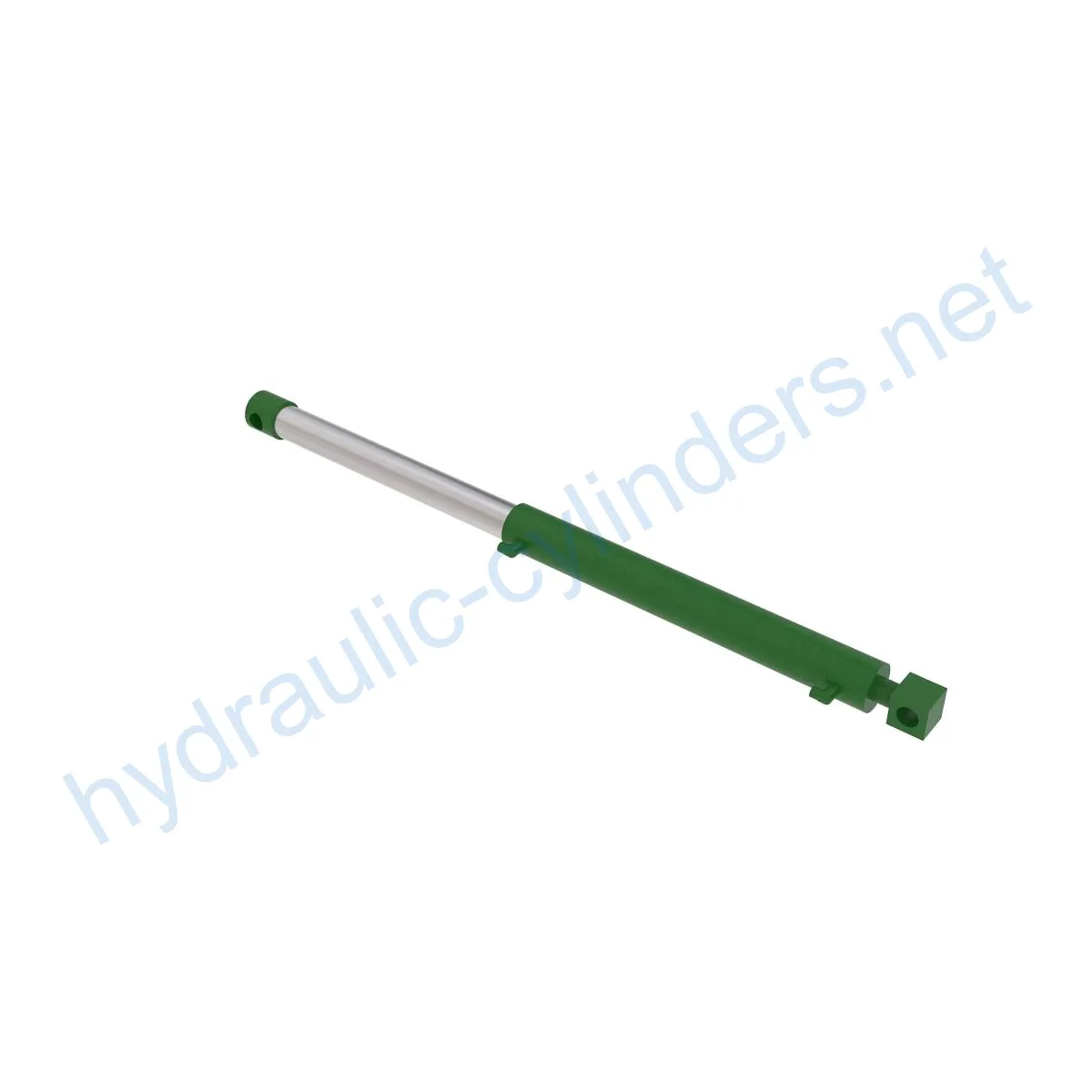
Replacement Of AHC19589 Hydraulic Cylinder
En tant que fabricant, fournisseur et exportateur de produits mécaniques, nous proposons des vérins hydrauliques et de nombreux autres produits.
N'hésitez pas à nous contacter pour plus de détails.
Courrier :sales@hydraulic-cylinders.net
Fabricant fournisseur exportateur de vérins hydrauliques.
Replacement Of AHC19589 Hydraulic Cylinder
Présentation du produit
The Replacement Of AHC19589 Hydraulic Cylinder is a crucial component used in various applications. This hydraulic cylinder plays a vital role in equipment operation, allowing for efficient movement and functionality.
Spécifications et modèle
Weight: 72.151 lb
Hauteur : 18 cm
Largeur : 10,5 pouces
Longueur : 61,8 pouces
Model: 603M
Caractéristiques du produit
- Amélioration des performances des équipements : Le remplacement des vérins hydrauliques endommagés ou usés rétablit les capacités opérationnelles normales de l’équipement, garantissant des performances optimales dans diverses applications.
- Sécurité renforcée : Le remplacement régulier des vérins hydrauliques réduit les risques pour la sécurité liés aux défaillances des vérins, garantissant ainsi la sécurité des opérateurs et des équipements.
- Protection contre les surcharges : Les nouveaux modèles de vérins intègrent souvent de meilleurs mécanismes de protection contre les surcharges, ce qui améliore la sécurité pendant le fonctionnement.
- Installation rapide : les vérins hydrauliques modernes sont conçus pour une installation et un remplacement faciles, minimisant ainsi les temps d'arrêt.
- Composants standardisés : De nombreux vérins hydrauliques sont des produits standardisés, ce qui facilite l’obtention de pièces de rechange sur le marché.
Scénarios d'application
1. Excavators: The hydraulic cylinder in excavator arms or buckets may get damaged due to long-term use or overload, requiring replacement to restore normal operation.
2. Cranes: The hydraulic cylinder in crane booms is prone to wear and tear during frequent lifting and lowering processes, necessitating regular replacement to ensure safety.
3. Tractors: The hydraulic cylinder in front-end loaders of tractors may develop leaks or performance declines due to continuous lifting and tilting operations, demanding replacement.
4. Harvesters: Hydraulic cylinders in harvesting processes endure high pressure and can suffer fatigue-related damage, requiring timely replacement to maintain work efficiency.
5. Automated Production Lines: Hydraulic cylinders are used to control robotic arms and other automated equipment. Any cylinder failure can impact production efficiency, necessitating immediate replacement.
6. Die Casting Machines: In high-pressure and high-temperature environments, hydraulic cylinders may experience performance declines. Regular replacement ensures product quality.
7. Mining Equipment: Hydraulic cylinders are used for lifting and moving heavy loads in mining equipment. Due to harsh working conditions, regular inspections and replacements are necessary to prevent equipment failures.
8. Bulldozers: Wear on the hydraulic cylinder in bulldozer blades can lead to decreased pushing power, requiring prompt replacement to maintain operational efficiency.
Tâches de maintenance
Regular maintenance and preventive measures are essential to prolong the lifespan of hydraulic cylinders. Some common maintenance tasks include:
- Inspection régulière
- Lubrification adéquate
- Remplacement du joint
- Vérification de l'étalonnage
Considérations de sécurité et facteurs environnementaux
When working with hydraulic cylinders, prioritizing safety measures is crucial. Proper use of safety precautions while handling hydraulic components can prevent accidents and ensure personnel safety. Additionally, considering environmental factors while using hydraulic cylinders helps maintain a sustainable and eco-friendly approach to equipment operation.
Dépannage et problèmes courants
1. Leakage: Inspect hydraulic connections and seals for any signs of leakage. Replace damaged seals promptly.
2. Insufficient Power: Check for hydraulic fluid levels and pressure. Adjust or replace components as needed.
3. Erratic Movements: Inspect hydraulic valves, lines, and cylinders for obstructions or damage. Clean or replace faulty components.
4. Abnormal Noises: Check for loose or worn components. Tighten or replace parts accordingly.
5. Slow Cylinder Operation: Ensure proper lubrication and inspect for any mechanical issues. Address any problems found.
Conseils et solutions de dépannage
Pour diagnostiquer et résoudre efficacement les problèmes liés aux vérins hydrauliques, tenez compte des conseils suivants :
- Refer to the manufacturer’s guidelines and specifications.
- Regularly inspect and maintain hydraulic cylinders.
- Properly align cylinders during installation.
- Utilize suitable mounting brackets to secure the cylinders.
- Suivez les procédures d’inspection, de réparation et de remplacement recommandées.
- Provide replacement parts and rebuilding services.
- Implement techniques to extend the lifespan of hydraulic cylinders.

Considérations de conception et critères de sélection
Lors du choix de vérins hydrauliques, plusieurs facteurs doivent être pris en compte :
- Capacité de charge
- Efficacité d'étanchéité
- Durabilité
- Caractéristiques de sécurité
- Maintenabilité
Étanchéité et lubrification
For optimal performance, hydraulic cylinders utilize various sealing components such as piston seals and rod seals. These seals are made from durable materials like polyurethane and nitrile rubber to withstand wear. Additionally, the cylinder body and threaded ends undergo meticulous surface treatments to enhance wear resistance. Regular lubrication with an appropriate hydraulic oil is crucial to ensure proper functioning.
Inspection régulière et maintenance préventive
To ensure the longevity of hydraulic cylinders, regular inspections and preventive maintenance should be conducted. Proper installation, lubrication, and adjustment are essential. During installation, provide accurate guidance for aligning cylinders and recommend using suitable mounting brackets to secure them. Advise on recommended inspection, repair, and replacement procedures. Offer replacement parts and rebuilding services to extend the lifespan of hydraulic cylinders.
Guide d'installation du produit
For proper installation of hydraulic cylinders, follow these guidelines:
- Ensure the equipment is in a stable position and power sources are disconnected.
- Carefully align the cylinder with the designated mounting points.
- Secure the cylinder using appropriate mounting brackets or fasteners.
- Connect hydraulic lines and fittings according to the manufacturer’s specifications.
- Double-check all connections and ensure they are tightened properly.
- Once installed, perform a thorough inspection and test for proper operation.
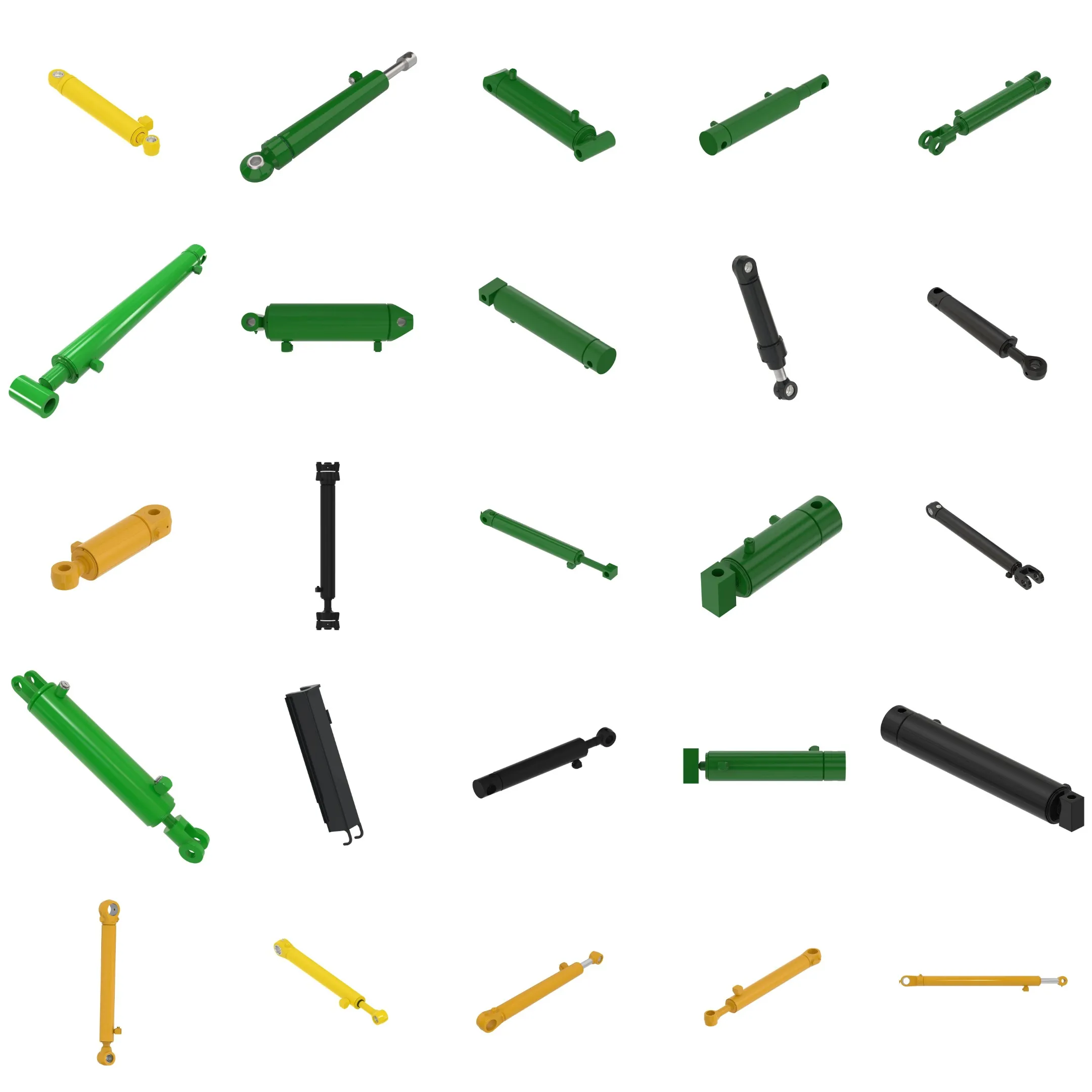
À propos de notre entreprise
We are a leading manufacturer and wholesale distributor of replacement hydraulic cylinders. Our company offers a wide range of products, catering to both domestic and international markets.
Professionnalisme
We pride ourselves on our professionalism and expertise in the field of hydraulic cylinder production. Our team is dedicated to delivering high-quality products that meet industry standards and customer expectations.
Certifications internationales
We hold various international certifications, ensuring that our products adhere to the highest quality and safety standards. These certifications validate our commitment to delivering reliable and durable hydraulic cylinders.
Coutume
Vérin hydraulique Application :

 FR
FR  EN
EN  PT
PT  ES
ES  DE
DE  IT
IT  AR
AR  ZH
ZH  RU
RU  KO
KO  KA
KA  BG
BG  CS
CS  DA
DA  EL
EL  ET
ET  FI
FI  HU
HU  ID
ID  LT
LT  LV
LV  NB
NB  NL
NL  PL
PL  RO
RO  SK
SK  SL
SL  SV
SV  TR
TR  UK
UK