
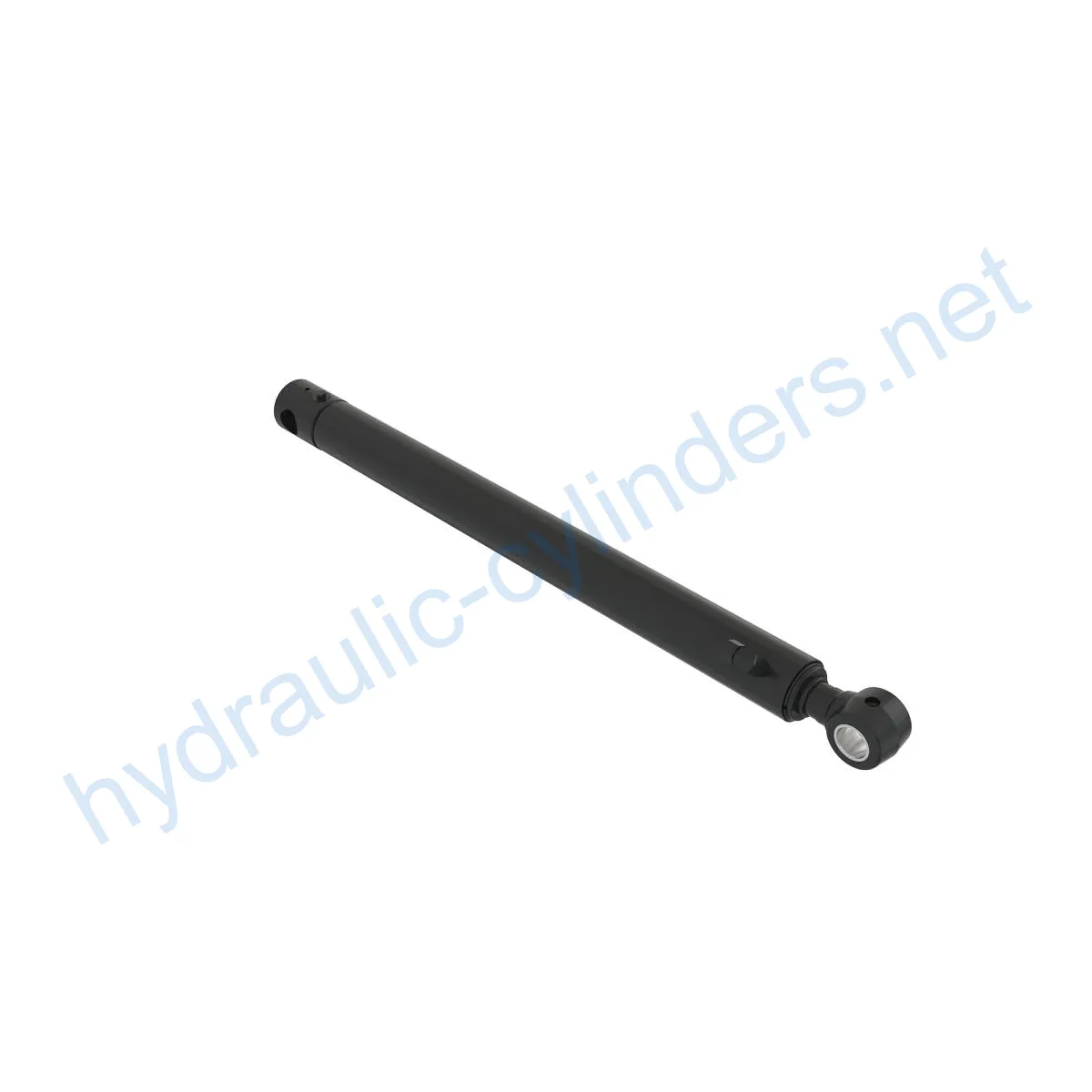
Replacement Of AHC20099 Bucket Hydraulic Cylinder
En tant que fabricant, fournisseur et exportateur de produits mécaniques, nous proposons des vérins hydrauliques et de nombreux autres produits.
N'hésitez pas à nous contacter pour plus de détails.
Courrier :sales@hydraulic-cylinders.net
Fabricant fournisseur exportateur de vérins hydrauliques.
Replacement Of AHC20099 Bucket Hydraulic Cylinder
Introduction
The Replacement Of AHC20099 Bucket Hydraulic Cylinder is a hydraulic component used in various machinery, such as the 310 P, 310K, and 310L models. It plays a crucial role in enabling the smooth operation of equipment by providing the necessary force to move different parts.
Spécifications et modèles
- Weight: 89.874 lb
- Height: 11.6 in
- Width: 15.1 in
- Length: 56.5 in
- Models: 310 P, 310K, 310L
Caractéristiques
- Amélioration des performances des équipements : Le remplacement des vérins hydrauliques endommagés ou usés permet de rétablir les capacités opérationnelles normales de l’équipement, garantissant ainsi des performances optimales dans diverses applications.
- Sécurité renforcée : Le remplacement régulier des vérins hydrauliques réduit les risques pour la sécurité liés aux défaillances des vérins, garantissant ainsi la sécurité des opérateurs et des équipements.
- Protection contre les surcharges : Les conceptions modernes des cylindres intègrent souvent de meilleurs mécanismes de protection contre les surcharges, améliorant ainsi la sécurité globale.
- Quick Installation: Hydraulic cylinders are designed for easy installation and replacement, minimizing downtime.
- Composants standardisés : De nombreux vérins hydrauliques sont standardisés, ce qui facilite l’obtention de pièces de rechange sur le marché.
Applications
- Pelles hydrauliques : Les vérins hydrauliques des bras ou des godets des pelles hydrauliques peuvent s’endommager en raison d’une utilisation prolongée ou d’une surcharge, ce qui nécessite leur remplacement pour rétablir un fonctionnement normal.
- Cranes: Hydraulic cylinders in crane booms can experience wear during frequent lifting and lowering processes, necessitating regular replacement for safety reasons.
- Tractors: Hydraulic cylinders in front-end loaders of tractors may develop leaks or performance issues during constant lifting and tilting operations, requiring replacement.
- Harvesters: Hydraulic systems in harvesters endure high pressure during the harvesting process, and cylinders may get damaged due to fatigue, necessitating timely replacement to maintain work efficiency.
- Automated Production Lines: Hydraulic cylinders are used to control robotic arms and other automated equipment. Any cylinder failure can adversely affect production efficiency, making prompt replacement essential.
- Die Casting Machines: Hydraulic cylinders in die casting machines may experience performance deterioration in high-pressure and high-temperature environments. Regular replacement ensures product quality.
- Mining Equipment: Hydraulic cylinders are utilized in mining equipment for lifting and moving heavy loads. Regular inspection and replacement are necessary due to the harsh working conditions to prevent equipment failures.
- Bulldozers: Hydraulic cylinder wear on bulldozer arms can lead to decreased pushing ability, requiring timely replacement to maintain operational efficiency.
Tâches de maintenance
- Regular Inspections: Conduct routine checks to identify any issues or abnormalities in the hydraulic cylinder.
- Proper Lubrication: Ensure adequate lubrication to prevent excessive friction and extend the lifespan of the cylinder.
- Remplacement des joints et contrôles d'étalonnage : Remplacez les joints usés et effectuez des contrôles d'étalonnage pour maintenir des performances optimales et éviter les fuites.
Considérations de sécurité et facteurs environnementaux
When using hydraulic cylinders, it is crucial to follow safety measures to prevent accidents and ensure the well-being of operators and the environment. Proper handling, maintenance, and disposal of hydraulic fluids are essential for safety and environmental protection.
Dépannage et problèmes courants
Hydraulic cylinder problems can arise from various factors. Here are some common issues:
- Leakage: Inspect for any signs of fluid leakage and address the issue promptly.
- Loss of Force: If the cylinder’s force output is insufficient, it may indicate internal damage or wear.
- Slow Operation: If the cylinder’s movement becomes slow or uneven, it may require maintenance or replacement.
- Noise or Vibration: Unusual noises or excessive vibrations can be indicators of cylinder malfunctions.
Proper troubleshooting and timely resolution of these problems are crucial to ensure optimal performance and prevent further damage.
Mesures préventives
To minimize potential issues, consider the following preventative measures:
- Regular Maintenance: Implement a scheduled maintenance plan, including inspections, lubrication, and seal replacement.
- Correct Installation: Provide proper alignment guidance during installation, recommend using appropriate installation brackets for cylinder stability.
- Inspection, Repair, and Replacement Procedures: Follow recommended procedures for inspection, repair, and component replacement. Offer replacement parts and rebuilding services to enhance the lifespan of the hydraulic cylinder.
- Skills for Prolonging Lifespan: Provide tips and techniques to optimize the lifespan of hydraulic cylinders, such as proper lubrication and safe operating practices.

Considérations de conception et critères de sélection
Lors du choix d'un vérin hydraulique, plusieurs facteurs doivent être pris en compte :
- Load-Bearing Capacity: Select a cylinder with the appropriate load-bearing capacity for the intended application.
- Sealing and Durability: Consider the cylinder’s sealing capabilities and durability to ensure long-lasting performance.
- Safety: Look for cylinders designed with safety features to protect against potential hazards.
- Maintainability: Choose cylinders that are easy to maintain and service, optimizing efficiency and reducing downtime.
Étanchéité et lubrification
Hydraulic cylinders employ various sealing components, such as piston seals and rod seals. These seals are made of wear-resistant materials like polyurethane and nitrile rubber. The cylinder body and threaded ends undergo precision processing to enhance wear resistance. Regular lubrication with the appropriate hydraulic oil is necessary to ensure smooth operation.
Inspection régulière et maintenance préventive
- Inspections: Regularly inspect the hydraulic cylinder for any signs of wear, leakage, or damage.
- Lubrication: Adhere to recommended lubrication practices to prolong the cylinder’s lifespan.
- Seal Replacement and Calibration: Replace worn seals and perform calibration checks to maintain optimal performance.
Guide d'installation
Proper installation is essential for the optimal functioning of hydraulic cylinders. Follow these guidelines:
- Alignez correctement le cylindre lors de l'installation.
- Utilisez les supports de fixation appropriés pour fixer le cylindre.
Vérin hydraulique Application :

 FR
FR  EN
EN  PT
PT  ES
ES  DE
DE  IT
IT  AR
AR  ZH
ZH  RU
RU  KO
KO  KA
KA  BG
BG  CS
CS  DA
DA  EL
EL  ET
ET  FI
FI  HU
HU  ID
ID  LT
LT  LV
LV  NB
NB  NL
NL  PL
PL  RO
RO  SK
SK  SL
SL  SV
SV  TR
TR  UK
UK