


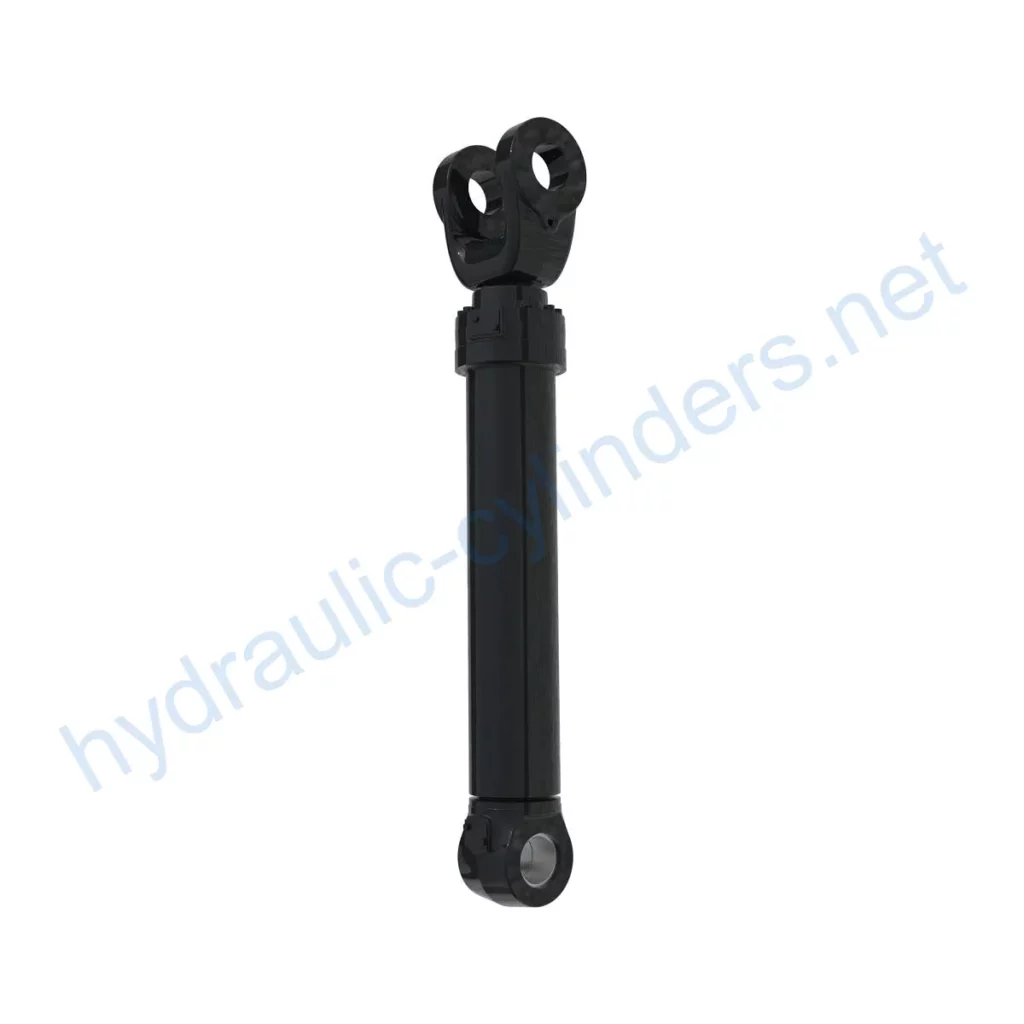
Replacement Of AHC22563 Hydraulic Cylinder
The Replacement Of AHC22563 Hydraulic Cylinder is a crucial component in various industrial equipment, designed to provide efficient hydraulic power for a wide range of applications. Whether it’s in excavators, cranes, tractors, harvesters, or automation production lines, this hydraulic cylinder plays a vital role in ensuring smooth and reliable operations.
Spécifications et modèle
Weight: 1,170.454 lb
Height: 15 in
Largeur : 15 pouces
Length: 83 in
Model: 944K
Caractéristiques principales
1. Improved Equipment Performance: Replacing damaged or worn hydraulic cylinders can restore the equipment’s normal operating capabilities, ensuring optimal performance in various applications.
2. Sécurité renforcée : Le remplacement régulier des vérins hydrauliques permet de réduire les risques pour la sécurité liés aux défaillances des vérins, assurant ainsi la sécurité des opérateurs et des équipements.
3. Protection contre les surcharges : Les vérins de conception nouvelle intègrent souvent de meilleurs mécanismes de protection contre les surcharges, améliorant ainsi la sécurité pendant le fonctionnement.
4. Installation rapide : Les vérins hydrauliques modernes sont conçus pour faciliter l'installation et le remplacement, minimisant ainsi les temps d'arrêt.
5. Composants standardisés : De nombreux vérins hydrauliques sont des produits standardisés, ce qui facilite l'approvisionnement en pièces de rechange sur le marché.
We are capable of producing this product, offering a perfect replacement for these hydraulic cylinders. Our products are of high quality and can meet the specific requirements of various industries.
Applications
- Excavators: In the arms or buckets of excavators, hydraulic cylinders may become damaged due to prolonged use or overload, requiring replacement to restore normal operations.
- Grues : Les vérins hydrauliques des bras de flèche des grues sont sujets à l'usure lors des opérations fréquentes de levage et d'abaissement, ce qui nécessite un remplacement régulier pour des raisons de sécurité.
- Tractors: Hydraulic cylinders in front-end loaders of tractors may develop leaks or performance issues due to continuous lifting and tilting operations, requiring replacement.
- Harvesters: Hydraulic cylinders in harvesting equipment are subjected to high pressure during the harvesting process, and timely replacement is necessary to maintain work efficiency.
- Automation Production Lines: Hydraulic cylinders are used to control robotic arms and other automated equipment. Cylinder failures can significantly impact production efficiency and should be promptly replaced.
Tâches de maintenance
1. Regular Inspection: It is important to conduct regular inspections to identify any signs of wear or damage in the hydraulic cylinder.
2. Proper Lubrication: Adequate lubrication is essential to ensure smooth and efficient operation. Proper lubricants should be used according to the manufacturer’s recommendations.
3. Seal Replacement and Calibration Check: Regularly replacing seals and checking calibration can help prevent leaks and optimize performance. Correct alignment and calibration are crucial during installation.
Considérations de sécurité et facteurs environnementaux
When using hydraulic cylinders, it is vital to follow safety measures to prevent accidents and injuries. Proper training and adherence to safety guidelines are essential when working with hydraulic systems. Additionally, considering environmental factors can help minimize the impact of hydraulic cylinder operations on the surroundings.
Dépannage et problèmes courants
1. Leakage: If the hydraulic cylinder is experiencing leakage, it may be due to worn seals or damaged components. Inspect and replace seals as necessary.
2. Insufficient Power: If the hydraulic cylinder is not providing enough power, it could be an indication of internal wear or contamination. Check for any obstructions or damaged parts and address accordingly.
3. Erratic Movement: Unpredictable movements of the hydraulic cylinder may be caused by hydraulic fluid contamination or internal component issues. Flush the system and inspect for any damaged parts.
Diagnostic et dépannage des pannes
1. Leakage: Check for any visible signs of leakage, inspect seals, and replace if necessary.
2. Insufficient Power: Verify hydraulic fluid levels, examine the pump and pressure settings, and ensure proper alignment of the cylinder.
3. Erratic Movement: Examine the hydraulic fluid quality, check for damaged valves or blockages, and inspect the hydraulic lines for any leaks or damage.
Mesures préventives
1. Regular Maintenance: Implement a routine maintenance schedule to inspect, lubricate, and clean the hydraulic cylinder.
2. Proper Installation: Ensure correct alignment and installation of the hydraulic cylinder, following the manufacturer’s guidelines and using appropriate mounting brackets if necessary.
3. Timely Repairs and Replacements: Promptly address any issues or damages to the hydraulic cylinder. Utilize genuine replacement parts and consider professional rebuilding services when required.


Considérations de conception et critères de sélection
Lors du choix d'un vérin hydraulique, plusieurs facteurs doivent être pris en compte :
- Load-bearing Capacity: The hydraulic cylinder should be able to handle the required load without compromising performance.
- Sealing and Durability: High-quality seals and durable materials ensure long-lasting performance and prevent leaks.
- Safety: The hydraulic cylinder’s design should incorporate safety features to protect operators and equipment during operation.
- Maintenance: Easy access for maintenance and repair, along with standardized components, simplifies servicing and reduces downtime.
Étanchéité et lubrification
Hydraulic cylinders utilize various sealing components, such as piston seals and rod seals, made from wear-resistant materials like polyurethane and nitrile rubber. The cylinder body and threaded ends undergo meticulous surface treatment to enhance wear resistance. Regular lubrication with the appropriate hydraulic oil is necessary to ensure smooth operation and prevent excessive friction.
Inspection régulière et maintenance préventive
1. Thoroughly inspect the hydraulic cylinder for any signs of wear, leakage, or damage.
2. Adequately lubricate the cylinder and ensure the system is free from contaminants.
3. Replace worn seals and other components to maintain optimal performance.
Guide d'installation correct
1. Ensure the hydraulic cylinder is aligned correctly before installation.
2. Utilize appropriate installation supports to secure the cylinder in place.
3. Suivez les procédures d'inspection, de réparation et de remplacement recommandées.
4. Offer replacement parts and rebuilding services to prolong the lifespan of the hydraulic cylinder.
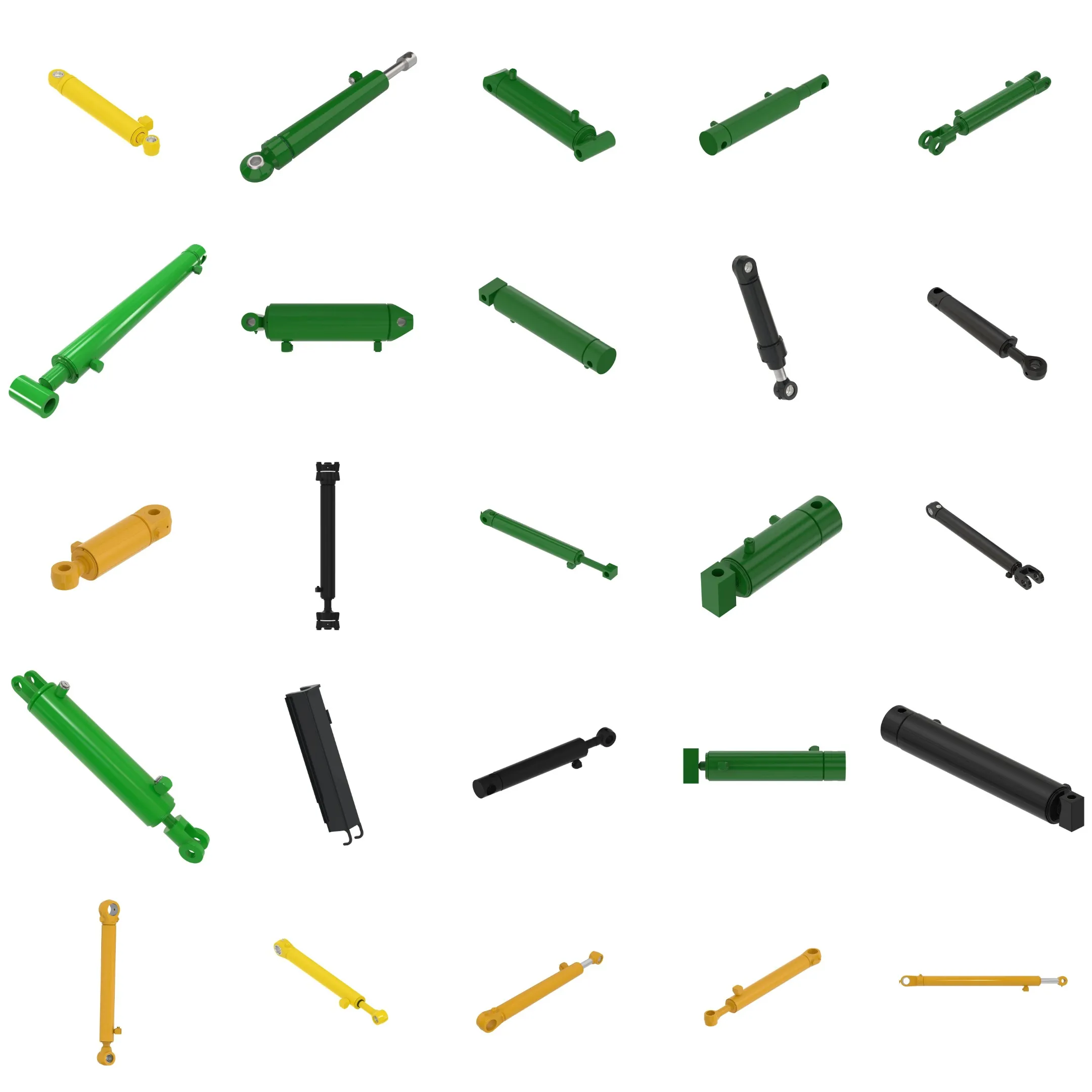
À propos de notre entreprise
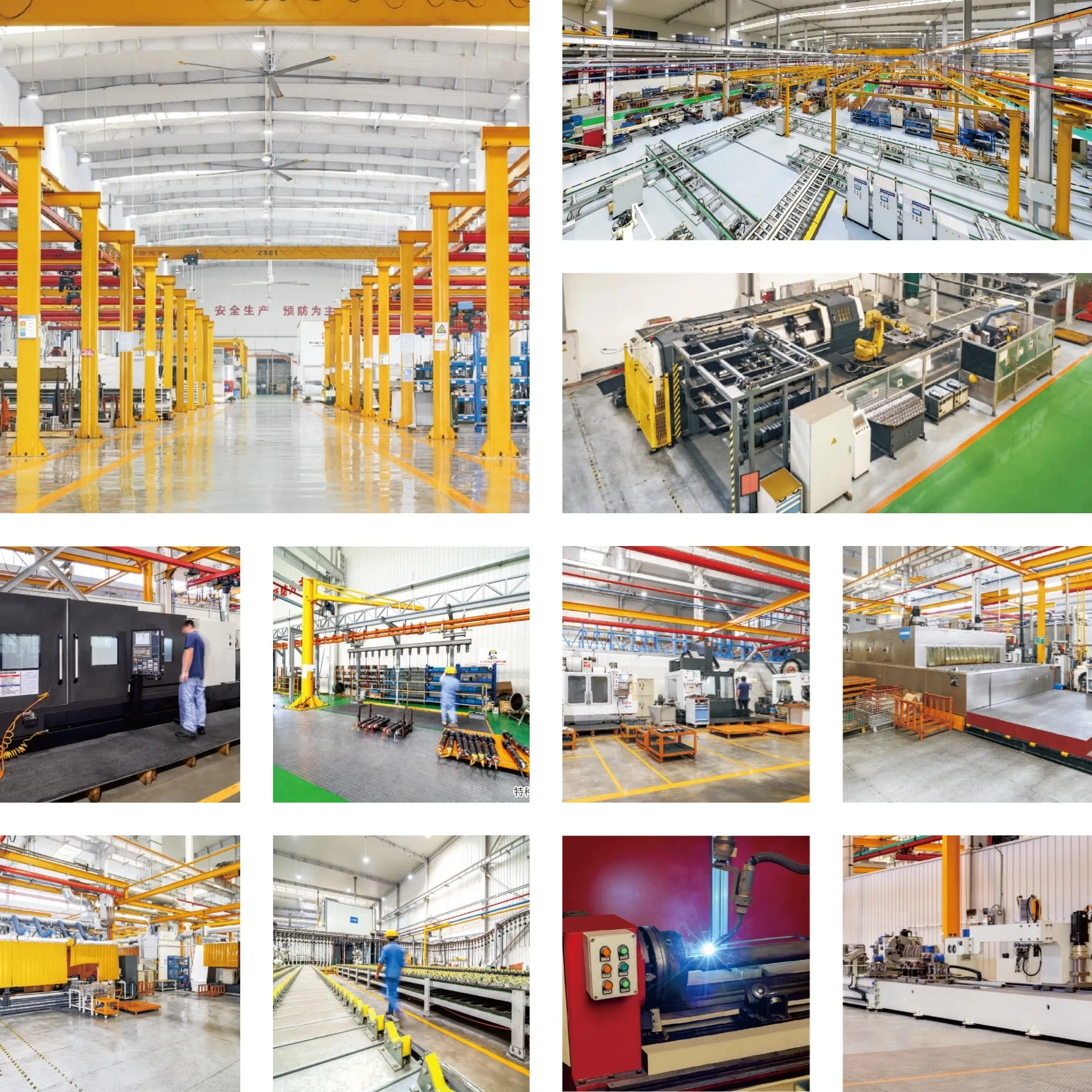
We are a leading manufacturer and wholesale distributor of replacement hydraulic cylinders, providing a comprehensive range of products for both domestic and international markets. Our company is known for its professionalism, international certifications, customized services, state-of-the-art production equipment, and excellent after-sales support.

Auteur : lyl