
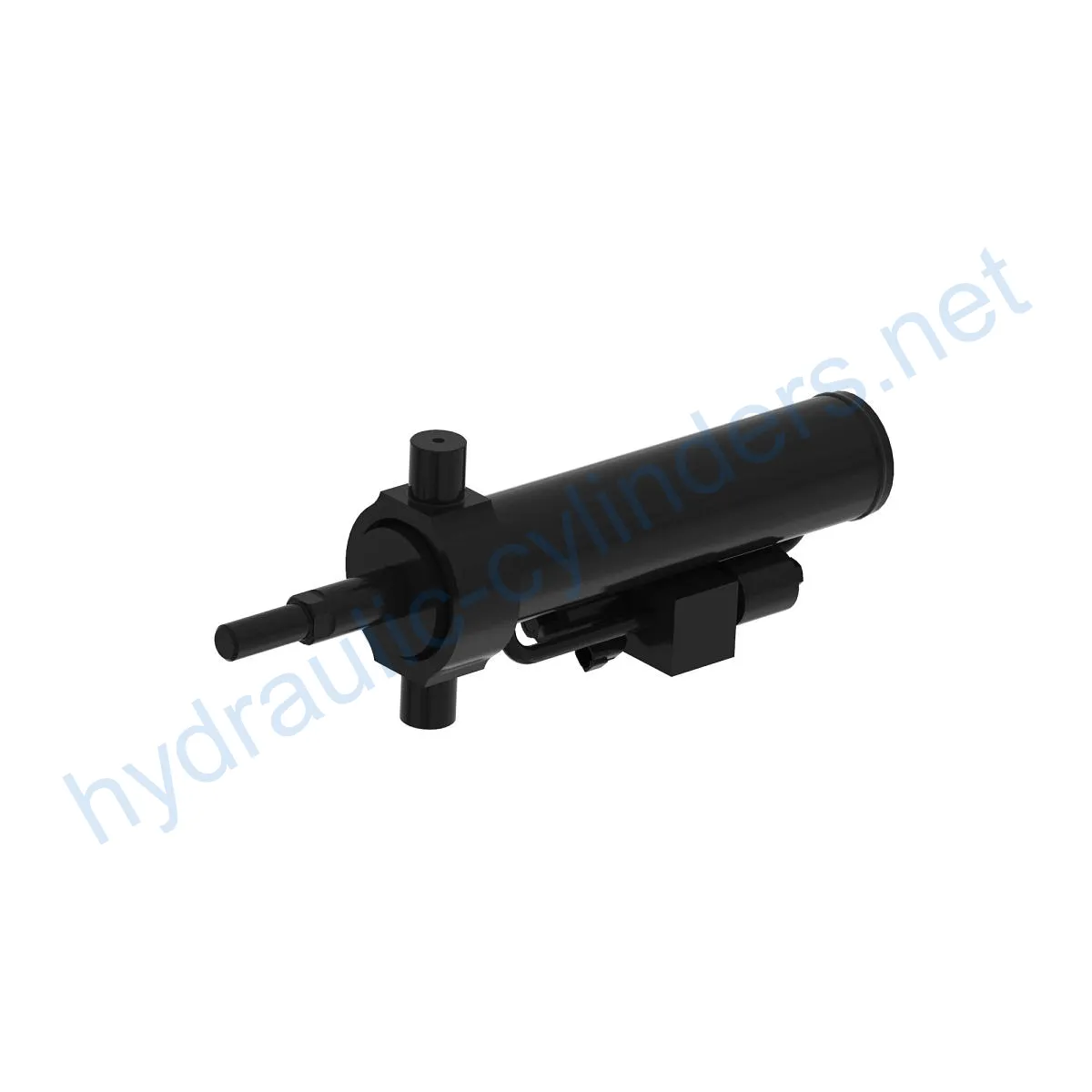
Replacement Of AKK36336 Steering Hydraulic Cylinder
En tant que fabricant, fournisseur et exportateur de produits mécaniques, nous proposons des vérins hydrauliques et de nombreux autres produits.
N'hésitez pas à nous contacter pour plus de détails.
Courrier :sales@hydraulic-cylinders.net
Fabricant fournisseur exportateur de vérins hydrauliques.
Replacement Of AKK36336 Steering Hydraulic Cylinder
Définition du produit
The Replacement Of AKK36336 Steering Hydraulic Cylinder is a crucial component in hydraulic systems that helps control steering movements. It plays a vital role in ensuring smooth and precise steering operations, improving overall vehicle performance.
Caractéristiques
- Weight: 41.286 lb
- Hauteur : 12,7 cm
- Largeur : 8,5 pouces
- Longueur : 22,5 pouces
Modèle
This hydraulic cylinder is compatible with various models.
Caractéristiques du produit
- Enhanced Equipment Performance: Replacing damaged or worn hydraulic cylinders can restore the normal operational capability of the equipment, ensuring optimal performance in various applications.
- Sécurité renforcée : le remplacement régulier des vérins hydrauliques peut réduire les risques de sécurité causés par les défaillances des vérins, garantissant ainsi la sécurité des opérateurs et de l'équipement.
- Protection contre les surcharges : Les nouveaux modèles de vérins intègrent souvent de meilleurs mécanismes de protection contre les surcharges, améliorant ainsi la sécurité.
- Installation rapide : les vérins hydrauliques modernes sont conçus pour une installation et un remplacement faciles, minimisant ainsi les temps d'arrêt.
- Composants standardisés : De nombreux vérins hydrauliques sont des produits standardisés, ce qui facilite l’obtention de pièces de rechange sur le marché.
Applications
- Pelles hydrauliques : Les vérins hydrauliques des bras ou des godets des pelles hydrauliques peuvent s’endommager en raison d’une utilisation prolongée ou d’une surcharge, ce qui nécessite leur remplacement pour un fonctionnement normal.
- Cranes: Hydraulic cylinders in crane booms can wear out due to frequent lifting and lowering, necessitating regular replacement for safety purposes.
- Tracteurs : Les vérins hydrauliques des chargeurs frontaux des tracteurs peuvent présenter des fuites ou une baisse de performance lors d’opérations de levage et d’inclinaison constantes, nécessitant leur remplacement.
- Harvesters: Hydraulic systems in harvesters undergo high-pressure conditions, leading to cylinder fatigue. Timely replacement is necessary to maintain work efficiency.
- Automated Production Lines: Hydraulic cylinders are used to control robotic arms and other automated equipment. Cylinder failure can hamper production efficiency, requiring immediate replacement.
- Die-casting Machines: Hydraulic cylinders in die-casting machines may experience performance degradation under high-pressure and high-temperature conditions. Regular replacement ensures product quality.
- Mining Equipment: Hydraulic cylinders are used in mining equipment for lifting and moving heavy loads. Due to harsh working environments, regular inspection and replacement are necessary to prevent equipment failure.
- Bulldozers : L’usure des vérins hydrauliques des lames de bulldozer peut entraîner une diminution de la capacité de poussée, nécessitant un remplacement opportun pour maintenir l’efficacité opérationnelle.
Tâches de maintenance
- Regular Inspections: It is important to conduct regular inspections to identify any potential issues or wear in the hydraulic cylinder.
- Proper Lubrication: Adequate lubrication is crucial to ensure smooth operation and prevent premature wear of the cylinder components.
- Seal Replacement: Regularly replacing seals helps maintain the cylinder’s integrity and prevent leaks.
- Calibration Checks: Periodically checking and calibrating the cylinder’s settings ensures accurate steering control.
Considérations de sécurité et facteurs environnementaux
When using hydraulic cylinders, it is important to follow safety measures to prevent accidents and injuries. Proper handling, maintenance, and disposal of hydraulic fluids are essential to minimize environmental impact.
Diagnostic des pannes et problèmes courants
Common issues that may arise with hydraulic cylinders include leaks, insufficient pressure, and erratic movements. These problems can be diagnosed by inspecting the cylinder, seals, and fluid levels.
Dépannage et mesures préventives
To effectively diagnose and resolve problems, follow these tips:
- Identify the root cause of the issue by observing cylinder behavior and conducting appropriate tests.
- Refer to the manufacturer’s guidelines for troubleshooting specific problems.
- Implement preventive measures, such as regular maintenance, to minimize potential issues.
Considérations de conception et critères de sélection
When selecting a hydraulic cylinder, consider its load-bearing capacity, sealing capability, durability, safety features, and ease of maintenance. These factors ensure optimal performance and longevity.
Étanchéité et lubrification
Hydraulic cylinders utilize various seals, such as piston seals and rod seals, made of wear-resistant materials like polyurethane and nitrile rubber. The cylinder body and threaded ends undergo fine surface treatment to enhance wear resistance. Regular lubrication with the appropriate hydraulic oil is necessary to ensure smooth operation.
Inspection régulière et maintenance préventive
Regular inspections, proper installation, lubrication, and adjustment are crucial for maintaining hydraulic cylinder performance. Providing guidance on aligning the cylinder correctly during installation and recommending the use of suitable mounting brackets to secure the cylinder can extend its lifespan. Recommended inspection, repair, and replacement procedures, as well as parts replacement and rebuilding services, enhance the longevity of the hydraulic cylinder.
Considérations de sécurité et facteurs environnementaux
When working with hydraulic cylinders, it is essential to prioritize safety precautions and consider environmental factors. Proper safety measures must be followed during cylinder use, and the importance of using appropriate safety equipment should be emphasized.
Diagnostic des pannes et problèmes courants
Common issues with hydraulic cylinders include leaks, reduced pressure, and erratic movements. Troubleshooting tips and solutions help readers diagnose and resolve problems effectively. Additionally, preventive measures can minimize potential issues and ensure optimal performance.
Guide d'installation du produit
Proper installation is crucial for the hydraulic cylinder’s optimal performance. Detailed installation instructions should be followed, including aligning the cylinder correctly and using suitable installation brackets to secure it.
Tâches de maintenance
- Regular Inspections: Conducting periodic inspections allows for the early detection of any issues or wear in the hydraulic cylinder.
- Proper Lubrication: Adequate lubrication helps maintain smooth operation and prolong the lifespan of the cylinder.
- Seal Replacement: Regularly replacing seals ensures the integrity of the cylinder and prevents leaks.
- Calibration Checks: Periodic calibration checks help maintain accurate steering control.
Présentation de l'entreprise
We are a leading manufacturer and wholesaler of replacement hydraulic cylinders, offering a comprehensive range of products in both domestic and international markets. Our
Vérin hydraulique Application :

 FR
FR  EN
EN  PT
PT  ES
ES  DE
DE  IT
IT  AR
AR  ZH
ZH  RU
RU  KO
KO  KA
KA  BG
BG  CS
CS  DA
DA  EL
EL  ET
ET  FI
FI  HU
HU  ID
ID  LT
LT  LV
LV  NB
NB  NL
NL  PL
PL  RO
RO  SK
SK  SL
SL  SV
SV  TR
TR  UK
UK