
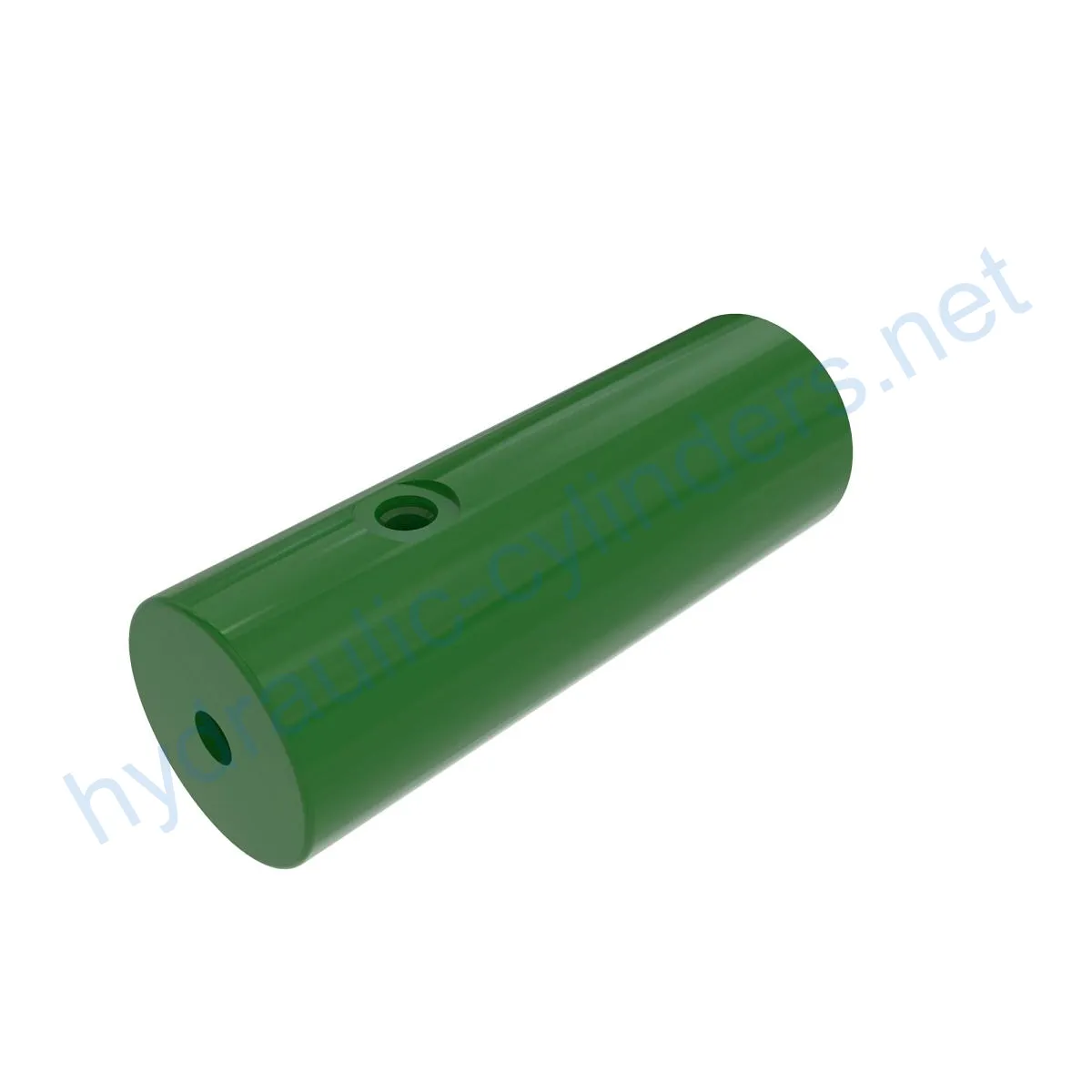
Replacement Of CB11473552 Basecutter Height Indicator Hydraulic Cylinder
En tant que fabricant, fournisseur et exportateur de produits mécaniques, nous proposons des vérins hydrauliques et de nombreux autres produits.
N'hésitez pas à nous contacter pour plus de détails.
Courrier :sales@hydraulic-cylinders.net
Fabricant fournisseur exportateur de vérins hydrauliques.
Replacement Of CB11473552 Basecutter Height Indicator Hydraulic Cylinder
This product is a hydraulic cylinder designed to replace the CB11473552 basecutter height indicator. The cylinder is an essential component that helps regulate the height of the basecutter in various machinery models such as 3510, 3520, and 3522. With a weight of 3.5 lb, a height of 2.4 in, and a length of 7.2 in, this cylinder offers reliable performance and durability.
Spécifications du produit
- Weight: 3.5 lb
- Hauteur : 2,4 pouces
- Length: 7.2 in
Modèles de produits
- 3510
- 3520
- 3522
Caractéristiques du produit
- Amélioration des performances des équipements : Le remplacement des vérins hydrauliques endommagés ou usés permet de rétablir le fonctionnement normal de l’équipement et d’assurer ses performances dans diverses applications.
- Sécurité renforcée : Le remplacement régulier des vérins hydrauliques réduit les risques pour la sécurité liés aux défaillances des vérins, garantissant ainsi la sécurité des opérateurs et des équipements.
- Protection contre les surcharges : Les nouveaux modèles de cylindres intègrent souvent de meilleurs mécanismes de protection contre les surcharges, ce qui améliore la sécurité.
- Installation rapide : les vérins hydrauliques modernes sont conçus pour une installation et un remplacement faciles, minimisant ainsi les temps d'arrêt.
- Composants standardisés : De nombreux vérins hydrauliques sont des produits standardisés, ce qui facilite l’obtention de pièces de rechange sur le marché.
Nous pouvons fabriquer ce produit et fournir des pièces de rechange parfaites pour ces vérins hydrauliques.
Applications
The hydraulic cylinder finds applications in various scenarios:
- Excavators: Replacing hydraulic cylinders in the arms or buckets of excavators restores normal operation after long-term use or overload damage.
- Crane: Hydraulic cylinders in crane boom arms can wear out from frequent lifting and lowering, requiring regular replacement to ensure safety.
- Tracteurs : Les vérins hydrauliques des chargeurs frontaux des tracteurs peuvent présenter des fuites ou une dégradation de leurs performances lors d’opérations de levage et d’inclinaison continues, ce qui nécessite leur remplacement.
- Harvesters: The hydraulic system of harvesters operates under high pressure, and cylinders may get damaged due to fatigue, requiring timely replacement to maintain efficiency.
- Automated Production Lines: Hydraulic cylinders are used to control robotic arms and other automated equipment. Immediate replacement is necessary to prevent production efficiency issues in case of cylinder failures.
- Die-Casting Machines: In high-pressure and high-temperature environments, hydraulic cylinders may experience performance degradation. Regular replacements ensure product quality.
- Équipements miniers : Les vérins hydrauliques servent au levage et au déplacement de charges lourdes dans les équipements miniers. En raison des conditions de travail difficiles, des inspections et des remplacements réguliers sont nécessaires pour éviter les pannes.
- Bulldozers: Wear on hydraulic cylinders in bulldozer blade arms can lead to decreased pushing capacity, necessitating timely replacement to maintain operational efficiency.
Tâches de maintenance
Les tâches d'entretien régulier du vérin hydraulique comprennent :
- Periodic Inspection: Regularly inspect the cylinder for any signs of wear, leaks, or damage.
- Proper Lubrication: Ensure appropriate lubrication to reduce friction and ensure smooth operation.
- Seal Replacement and Calibration Check: Replace worn seals and check calibration to maintain optimal performance.
During the installation process, provide proper guidance for aligning the cylinder and recommend using suitable installation brackets to secure it. We offer recommended inspection, repair, and replacement procedures, as well as replacement parts and rebuilding services to extend the lifespan of the hydraulic cylinder.
Considérations de sécurité et facteurs environnementaux
When using hydraulic cylinders, safety measures are crucial. It is important to follow proper installation, lubrication, and adjustment procedures. Proper alignment guidance should be provided during the installation process. Regular inspection, maintenance, and seal replacements are essential to ensure the safety and longevity of the hydraulic cylinder. Environmental factors should also be considered to optimize performance and minimize any negative impact on the surroundings.
Dépannage et problèmes courants
Common issues and troubleshooting for hydraulic cylinders include:
- Leakage: Inspect seals and connections for leaks. Replace any damaged seals and tighten or replace connections as necessary.
- Slow Cylinder Movement: Check for insufficient hydraulic fluid or blockages in the system. Refill or flush the system accordingly.
- Uneven or Jerky Cylinder Movement: Check for air trapped in the system. Bleed the system to remove air and ensure smooth operation.
- Excessive Noise or Vibration: Inspect mounting brackets and connections for any looseness or damage. Tighten or replace components as needed.
- Overheating: Check for inadequate lubrication or excessive pressure. Address these issues to prevent overheating.
For effective diagnosis and problem-solving, we provide troubleshooting tips, solutions, and preventive measures to minimize potential issues.
Considérations relatives à la conception du produit et critères de sélection
When selecting a hydraulic cylinder, it is important to consider the following:
- Load-Bearing Capacity: Ensure the cylinder can handle the intended workload.
- Sealing: Opt for high-quality seals such as piston seals and rod seals made of wear-resistant materials like polyurethane or nitrile rubber.
- Durability: Choose cylinders with finely treated cylinder bodies and threaded end surfaces to enhance wear resistance.
- Safety: Select cylinders with reliable overload protection mechanisms.
- Maintainability: Consider the ease of maintenance, including seal replacement and lubrication requirements.
Proper sealing and lubrication are vital for the hydraulic cylinder’s performance. Various sealing components, such as piston seals and rod seals, should be used. These seals should be made of durable materials like polyurethane or nitrile rubber to withstand wear. The cylinder body and threaded end surfaces should undergo precise treatment to enhance wear resistance. Regular lubrication with appropriate hydraulic oil is necessary to ensure smooth operation and longevity.

Mesures d'inspection régulière et de maintenance préventive
Proper maintenance measures for the hydraulic cylinder include:
- Regular inspection of seals, connections, and overall condition.
- Appropriate lubrication to minimize wear and ensure smooth operation.
- Seal replacement when necessary to maintain optimal performance.
- Calibration checks to ensure accurate height indication.
- Providing correct installation guidance to align the cylinder properly.
- Suggesting the use of appropriate installation brackets to secure the cylinder
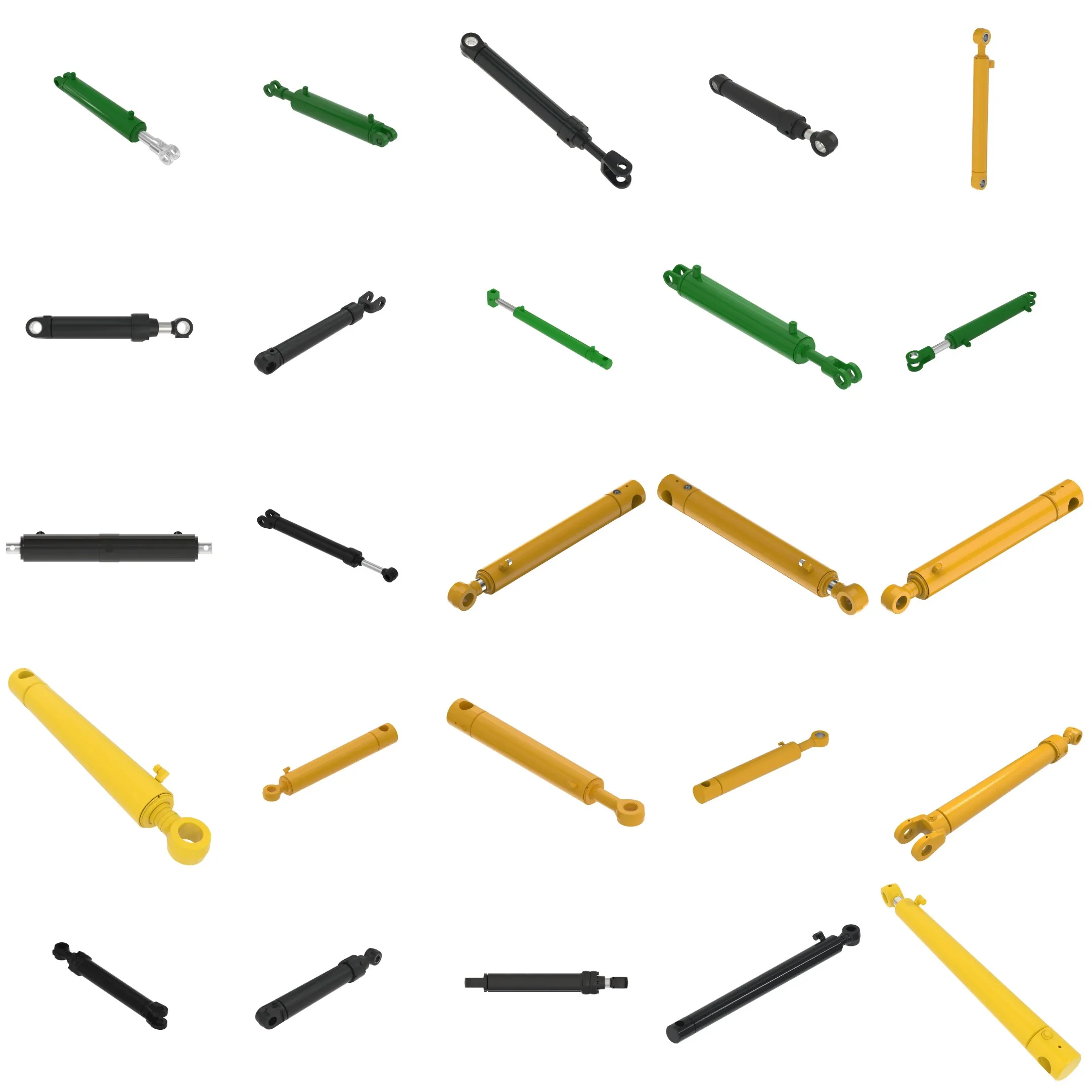
Vérin hydraulique Application :

 FR
FR  EN
EN  PT
PT  ES
ES  DE
DE  IT
IT  AR
AR  ZH
ZH  RU
RU  KO
KO  KA
KA  BG
BG  CS
CS  DA
DA  EL
EL  ET
ET  FI
FI  HU
HU  ID
ID  LT
LT  LV
LV  NB
NB  NL
NL  PL
PL  RO
RO  SK
SK  SL
SL  SV
SV  TR
TR  UK
UK