
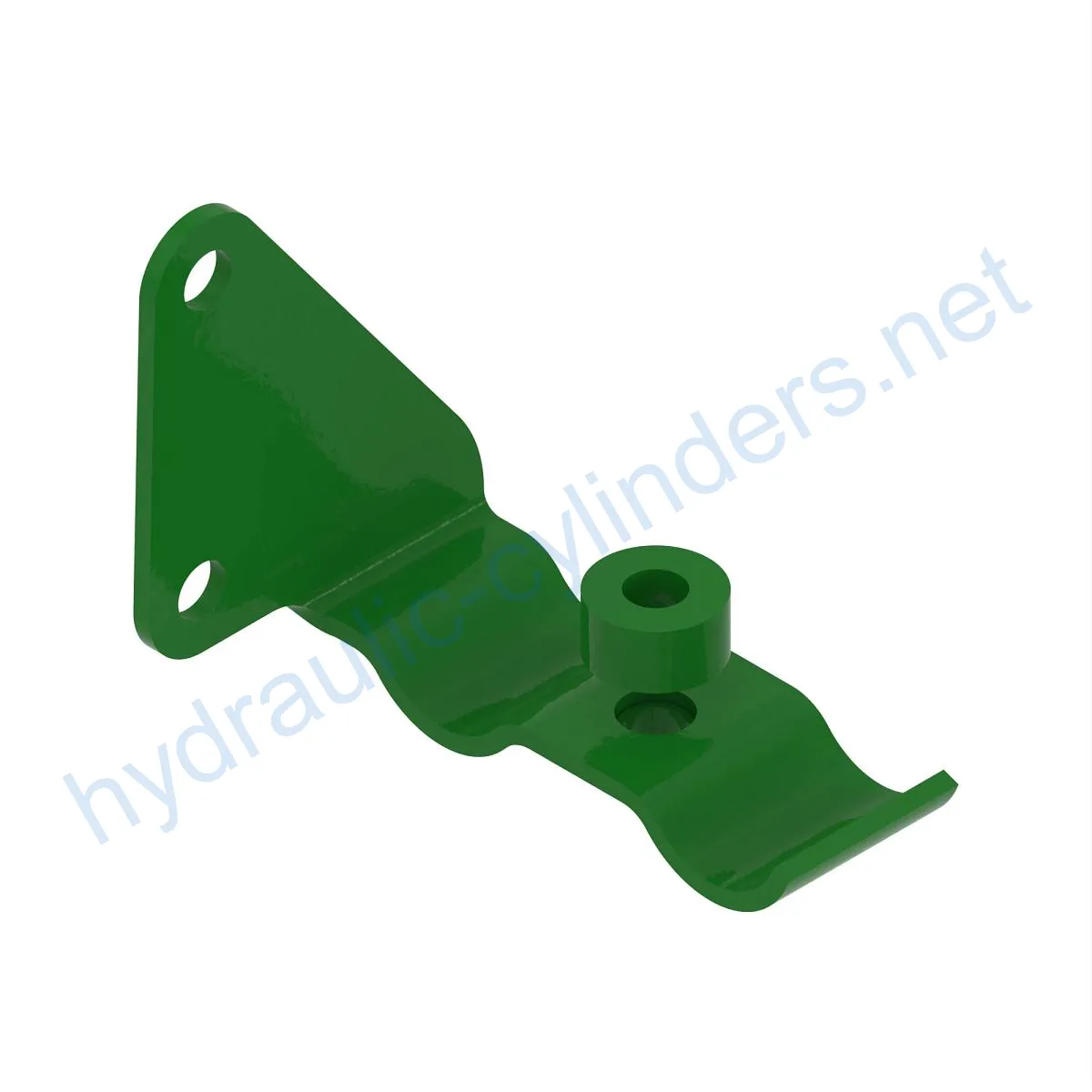
Replacement Of RE19217 Hydraulic Cylinder Repair Kit
Présentation du produit
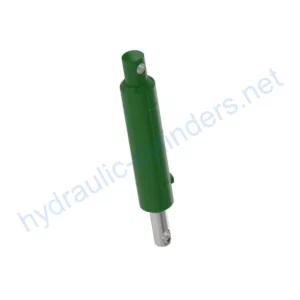
The Replacement Of RE19217 Hydraulic Cylinder Repair Kit is a crucial component in hydraulic systems. It serves the important purpose of repairing and replacing damaged or worn hydraulic cylinders, ensuring the smooth operation of equipment. With a weight of 0.21 lb and dimensions of 1 in (height), 8.5 in (width), and 11 in (length), this product is designed to fit the 570B model.
Spécifications du produit
- Poids: 0.21 lb
- Hauteur: 1 in
- Largeur: 8,5 pouces
- Longueur: 11 in
Caractéristiques du produit
- Amélioration des performances des équipements : Le remplacement des vérins hydrauliques endommagés ou usés permet de rétablir les capacités opérationnelles normales des équipements, garantissant ainsi des performances optimales dans diverses applications.
- Sécurité renforcée : Le remplacement régulier des vérins hydrauliques permet de réduire les risques pour la sécurité liés aux défaillances des vérins, garantissant ainsi la sécurité des opérateurs et des équipements.
- Protection contre les surcharges : Les nouveaux modèles de cylindres intègrent souvent de meilleurs mécanismes de protection contre les surcharges, ce qui améliore la sécurité globale.
- Installation rapide : Les vérins hydrauliques modernes sont conçus pour faciliter leur installation et leur remplacement, minimisant ainsi les temps d'arrêt.
- Composants standardisés : De nombreux vérins hydrauliques sont des produits standardisés, ce qui facilite l'obtention de pièces de rechange sur le marché.
Applications
The Replacement Of RE19217 Hydraulic Cylinder Repair Kit finds its application in various scenarios:
- Excavators: Damaged hydraulic cylinders on the boom or bucket of excavators may need replacement after extended use or overloading to restore normal operation.
- Cranes: Hydraulic cylinders on the lifting arms of cranes are prone to wear due to frequent lifting and lowering, requiring regular replacements for safety assurance.
- Tractors: Hydraulic cylinders on the front loaders of tractors may develop leaks or performance degradation due to constant lifting and tilting operations, necessitating replacements.
- Harvesters: Hydraulic cylinders in harvesting equipment endure high pressure during the harvesting process and may get damaged due to fatigue, requiring timely replacements to maintain efficiency.
- Automated Production Lines: Hydraulic cylinders control robotic arms and other automated equipment. Cylinder failures can significantly impact production efficiency, necessitating immediate replacements.
- Die Casting Machines: In high-pressure and high-temperature environments, hydraulic cylinders may experience performance degradation. Regular replacements ensure product quality.
- Mining Equipment: Hydraulic cylinders are used for lifting and moving heavy loads in mining equipment. Regular inspections and replacements are necessary to prevent equipment failures in harsh working conditions.
- Bulldozers: Worn hydraulic cylinders on the bulldozer’s blade can lead to reduced pushing capability, requiring timely replacements to maintain operational efficiency.
Tâches de maintenance
Regular maintenance tasks for the Replacement Of RE19217 Hydraulic Cylinder Repair Kit include:
- Periodic Inspections: Regularly inspect the hydraulic cylinder for any signs of damage or wear.
- Proper Lubrication: Ensure proper lubrication of the cylinder to reduce friction and extend its lifespan.
- Seal Replacement and Calibration Checks: Replace seals as needed and perform calibration checks to ensure optimal performance.
Considérations de sécurité et facteurs environnementaux
When using hydraulic cylinders, it is important to follow safety precautions to prevent accidents and injuries. Additionally, considering environmental factors when selecting and using hydraulic cylinders can minimize their impact on the environment.
Dépannage et problèmes courants
Les problèmes courants liés aux vérins hydrauliques comprennent :
- Leaking Seals: Check for any signs of seal leaks and replace them if necessary.
- Slow or Erratic Operation: Inspect the cylinder for any obstructions or irregularities that may affect its operation.
- Loss of Power: Check the hydraulic system for any malfunctions that may cause a loss of power in the cylinder.
Mesures préventives et conseils de dépannage
To diagnose and resolve issues effectively, consider the following tips:
- Inspectez et entretenez régulièrement le vérin hydraulique.
- Follow recommended installation, lubrication, and adjustment procedures.
- Fournir des instructions d'alignement appropriées lors de l'installation.
- Utilisez les supports de montage appropriés pour fixer le cylindre.
- Recommander les procédures d'inspection, de réparation et de remplacement.
- Nous proposons des pièces de rechange et des services de remise à neuf pour prolonger la durée de vie du vérin hydraulique.
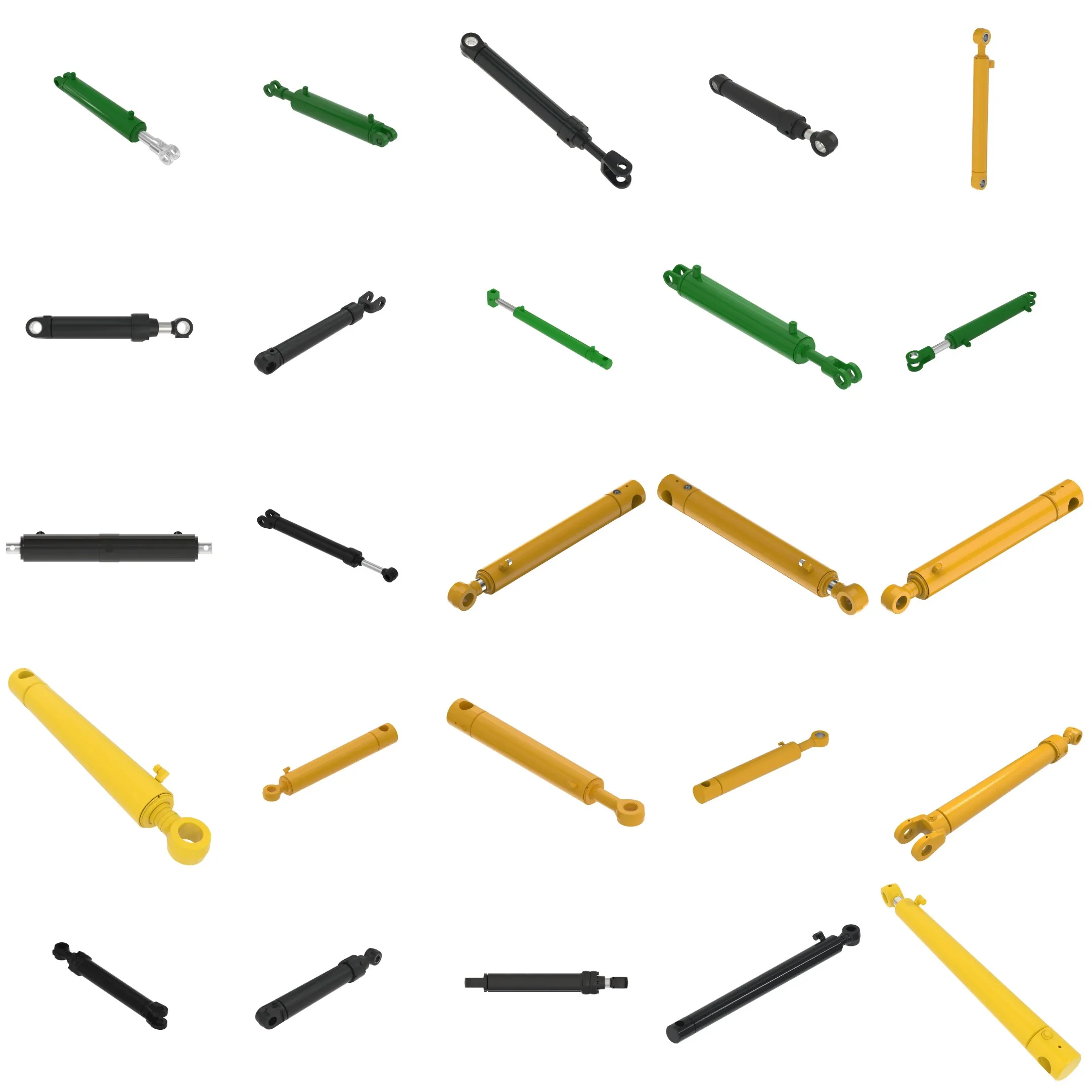
Considérations relatives à la conception du produit et critères de sélection
When choosing hydraulic cylinders, it is important to consider the following design considerations:
- Bearing Capacity: Ensure the hydraulic cylinder can handle the required load to prevent failures.
- Sealing Capability: Choose hydraulic cylinders with high-quality seals to prevent leaks and maintain optimal performance.
- Durability: Opt for cylinders made from durable materials to withstand the demanding conditions of various applications.
- Safety: Consider safety features and certifications when selecting hydraulic cylinders to ensure safe operation.
- Maintainability: Choose cylinders that are easy to maintain and repair to minimize downtime.
Étanchéité et lubrification
Proper sealing and lubrication are vital for the performance of hydraulic cylinders. This includes using various sealing components, such as piston seals and rod seals, made from wear-resistant materials like polyurethane and nitrile rubber. Additionally, the cylinder body and threaded end surfaces are finely processed to enhance wear resistance. Regularly adding the appropriate amount of hydraulic oil for lubrication is also essential.
Inspection régulière et maintenance préventive
To prolong the lifespan of hydraulic cylinders, it is recommended to perform regular inspections and preventive maintenance tasks. This includes proper installation, lubrication, and adjustment. Providing accurate alignment guidance during installation and recommending the use of suitable mounting brackets to secure the cylinder are essential. It is also important to follow recommended inspection, repair, and replacement procedures, as well as offering replacement parts and rebuilding services.
Guide d'installation
Proper installation is crucial for the performance and longevity of hydraulic cylinders. Follow these steps for correct installation:
- Préparez la surface de montage et assurez-vous qu'elle soit propre et exempte de débris.
- Align the cylinder with the mounting holes and insert bolts.
- Tighten the bolts evenly to the recommended torque specification.
- Connect the hydraulic lines, ensuring proper sealing and tight connections.
- Vérifiez le bon fonctionnement du cylindre avant de l'utiliser pleinement.


 FR
FR  EN
EN  PT
PT  ES
ES  DE
DE  IT
IT  AR
AR  ZH
ZH  RU
RU  KO
KO  KA
KA  BG
BG  CS
CS  DA
DA  EL
EL  ET
ET  FI
FI  HU
HU  ID
ID  LT
LT  LV
LV  NB
NB  NL
NL  PL
PL  RO
RO  SK
SK  SL
SL  SV
SV  TR
TR  UK
UK