

The Critical Role of Part Ejection in Manufacturing
The modern manufacturing landscape relies heavily on the immense power and precise control provided by industrial hydraulic presses. Whether shaping aerospace components or stamping automotive body panels, the primary ram delivers the forming force. However, once the metal is shaped, another critical phase begins: removing the newly formed part from the complex die cavity. This is exactly where highly engineered ejector cylinders for hydraulic presses step into the spotlight. Without a reliable ejection mechanism, even the most powerful forging press becomes entirely inefficient.
Ejector cylinders, often referred to as knockout cylinders or cushion cylinders, are specialized hydraulic actuators positioned beneath or within the press bed. Their primary function is to apply upward force to release the finished workpiece from the bottom die. In deep drawing operations and high temperature forging presses, parts have a strong tendency to stick to the tooling due to friction, vacuum forces, and thermal contraction. The hydraulic press part removal system must generate sufficient force to break this static friction seamlessly.
Understanding the operational parameters of these cylinders is vital for optimizing cycle times. A sluggish ejector mechanism directly bottlenecks production rates. Facility managers and manufacturing engineers continuously evaluate bottom ejector cylinder mechanisms to ensure they strike the perfect balance between rapid extension speeds and controlled, smooth deceleration. Sudden impacts during ejection can damage delicate stamped parts, leading to unacceptable scrap rates and financial losses.
Core Engineering and Fluid Dynamics
The design of an ejector cylinder for a forging press differs significantly from standard industrial actuators. They must endure shock loads, rapid pressure spikes, and harsh contaminants.

Fluid dynamics play a pivotal role in the responsiveness of the ejection system. When the main ram retracts, the hydraulic system rapidly redirects high pressure fluid into the bottom chamber of the ejector cylinder. To achieve fast cycle times without causing hydraulic shock, these systems utilize proportional directional control valves. These advanced valves carefully meter the flow of oil, providing a rapid approach, a forceful breakout to unstick the part, and a cushioned stop at the end of the stroke.
Furthermore, the internal cushioning of these heavy duty hydraulic cylinders is a masterpiece of mechanical engineering. Traditional cylinders might slam against their end caps, causing structural fatigue over thousands of cycles. Ejector cylinders typically incorporate stepped cushion spears or adjustable metering orifices. As the piston approaches the end of its travel, the fluid is forced through a progressively smaller path, creating backpressure that gently decelerates the moving mass of the ejector pins and the metal part.
High Tonnage Breakout
Generating immense upward force to overcome vacuum and friction, ensuring complex deep drawn parts release instantly without deformation.
Rapid Cycle Optimization
Engineered flow paths and regenerative hydraulic circuits allow for rapid extension and retraction, maximizing daily manufacturing output.
Advanced Cushioning
Integrated end of stroke deceleration protects both the sensitive metal workpieces and the heavy structural framework of the forging press.
Specific Applications in Hot and Cold Forging
The demands placed on ejector cylinders vary wildly depending on the type of forming operation. In cold forging presses, the material is formed at room temperature. The extreme pressures required to plasticize cold steel result in massive lateral forces against the die walls. When the press opens, the ejector system must deliver a tremendous surge of power to push the part free. These custom hydraulic cylinders for deep drawing often feature oversized piston rods to prevent buckling under such extreme compressive loads.

Conversely, hot forging introduces an entirely different set of challenges. Metal is heated to temperatures often exceeding two thousand degrees Fahrenheit before being placed in the die. The radiant heat transfer to the surrounding press components is immense. Ejector cylinders operating in hot forging environments must be equipped with specialized high temperature viton seals or even metallic piston rings. Standard polyurethane seals would melt and fail instantly under these conditions.
Furthermore, hot forging relies heavily on graphite based die lubricants. This lubricant mixes with cooling water and metallic scale to form a highly abrasive sludge. If this sludge breaches the cylinder rod wiper, it will quickly score the chrome plating and destroy the internal seals. Therefore, heavy duty forging press ejector systems employ aggressive metallic scraper rings and multiple layers of redundant sealing to ensure long term operational integrity.
- ✔
Multi Point Ejection: Large automotive body panels require multiple synchronized ejector cylinders to lift the part evenly, preventing warping or twisting of the thin gauge sheet metal.
- ✔
Die Cushion Integration: In many systems, the ejector cylinder doubles as a die cushion, providing controlled resistance against the main ram during the downward stroke to control material flow.
- ✔
Programmable Stroke Lengths: Modern presses utilize linear transducers within the cylinder to allow operators to adjust the exact ejection height digitally, accommodating different tooling sizes seamlessly.
Material Science and Uncompromising Durability
The metallurgical composition of a hydraulic press ejector cylinder dictates its lifespan in a 24/7 manufacturing environment. Cheap materials lead to catastrophic failure, halting production lines and costing thousands of dollars per hour in downtime.
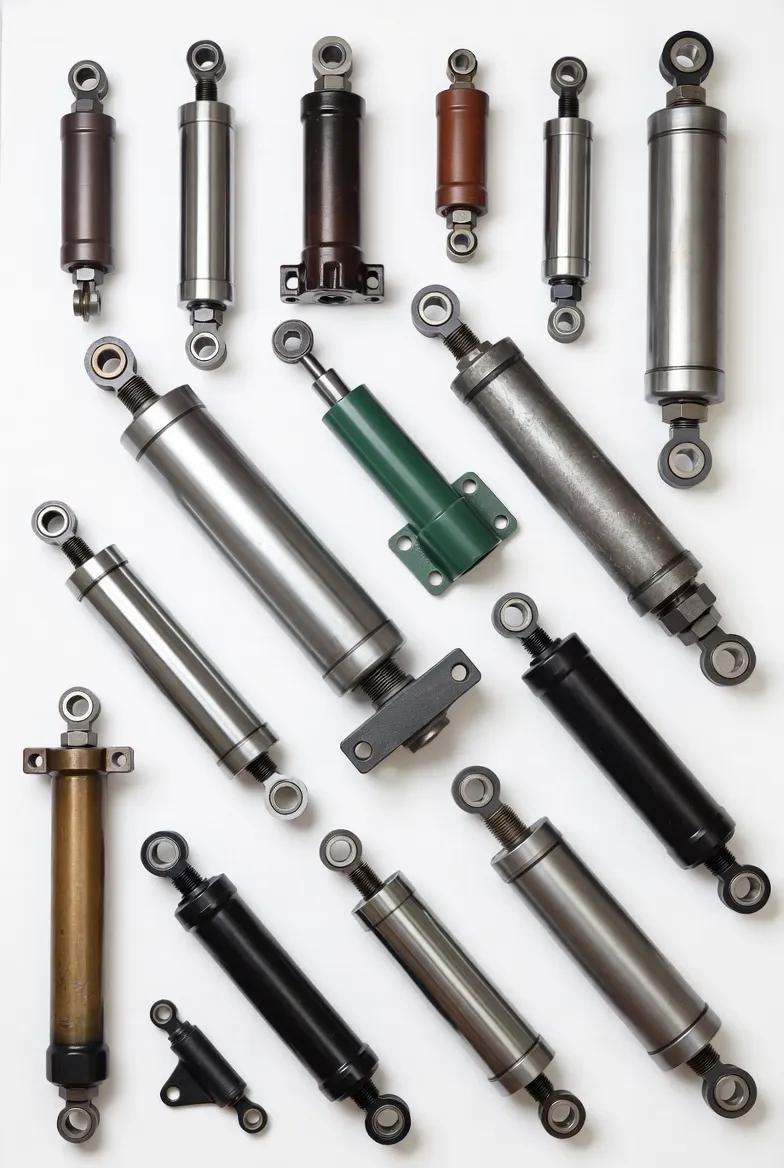
The cylinder barrel itself is typically manufactured from cold drawn seamless steel tubing. This tubing is precision honed to achieve a micro finish on the interior surface. This ultra smooth surface reduces friction against the piston seals, preventing premature wear and minimizing heat generation. For extreme tonnage applications, forged steel barrels are utilized to prevent the cylinder walls from ballooning under immense hydraulic pressure.
The piston rod is arguably the most vulnerable component. It must withstand side loading, compressive stress, and constant exposure to the factory environment. Premium ejector cylinders feature rods made from high yield strength alloy steel that undergoes deep induction hardening. Following the hardening process, the rod is plated with a thick layer of industrial hard chrome. This combination provides a surface that is highly resistant to denting, scratching, and chemical corrosion.
Ductile Iron Glands and Pistons
While older designs relied on cast iron or aluminum, modern high performance cylinders utilize ductile iron for the internal piston and the front bearing gland. Ductile iron possesses superior tensile strength and shock absorption capabilities. When the ejector cylinder experiences a sudden pressure spike during part breakout, ductile iron components flex slightly without fracturing, ensuring the structural integrity of the entire assembly remains intact over millions of cycles.
The Era of Smart Tech: AI Integration in Ejection Systems
The industrial sector is rapidly embracing Industry 4.0 standards. Hydraulic presses are no longer purely mechanical beasts; they are highly sophisticated, data driven machines. Ejector cylinders are at the forefront of this technological revolution.

Electro-hydraulic integration has transformed how part removal occurs. Smart ejector cylinders are now equipped with internal magnetostrictive linear position sensors. These sensors feed continuous, real time position data back to the programmable logic controller (PLC) of the press. This allows the master control system to know the exact position of the ejector pins with microscopic accuracy. If the system detects that a part has not fully ejected, it can automatically pause the downward stroke of the main ram, preventing a catastrophic double hit that could shatter expensive tooling.
Furthermore, predictive maintenance powered by artificial intelligence relies on data gathered from these components. Pressure transducers mounted directly to the ejector cylinder ports monitor fluid pressure during every single cycle. AI algorithms analyze these pressure curves over time. If the algorithm detects a gradual increase in the pressure required to eject a part, it can alert maintenance personnel. This increase could indicate degrading die lubrication, dulling tooling, or internal seal wear within the cylinder itself. By predicting failures before they happen, manufacturing plants can schedule maintenance during planned downtime, completely eliminating unexpected production halts.
Maintenance and Troubleshooting Protocols
Even the highest quality custom hydraulic cylinders require stringent maintenance to perform reliably. The environment underneath a hydraulic press is notoriously difficult to access, making proactive maintenance critical. The most common cause of ejector cylinder failure is fluid contamination. As the cylinder rod extends and retracts, it inevitably pulls microscopic debris past the wiper seal. Over time, this debris acts as a grinding paste, destroying the pressure seals and scoring the barrel.
System Bleeding
Trapped air in the hydraulic circuit acts like a spring, causing the ejector motion to become spongy or erratic. Regularly bleeding the system via integrated bleeder valves ensures smooth, rigid power transmission and prevents diesel effect damage to the seals.
Seal Inspection and Replacement
Routine visual inspection of the rod gland is necessary. If a visible film of oil appears on the extended rod, the internal seals are beginning to bypass. Replacing seals early prevents major internal damage and maintains optimal ejection force.
Another critical troubleshooting aspect is monitoring the hydraulic fluid itself. Periodic oil analysis can detect the presence of water, increased acidity, or abnormal levels of particulate matter. Managing fluid health ensures that the proportional valves controlling the ejector cylinders do not stick or degrade, which would lead to violent and uncontrolled ejection strokes.

Conclusion: Maximizing ROI with Superior Hydraulics
The continuous advancement in ejector cylinders for hydraulic presses underscores the manufacturing industry’s relentless pursuit of efficiency and precision. As production tolerances become tighter and cycle time demands increase, the reliance on high quality, perfectly engineered hydraulic components becomes paramount.
By investing in superior hydraulic technology, manufacturing facilities are not merely purchasing mechanical actuators; they are securing the reliability and profitability of their entire operation. From the immense breakout forces required in deep drawing to the high speed, highly accurate multi point ejection systems of modern automotive presses, fluid power remains the undisputed driving force. Understanding the fluid dynamics, material science, and intelligent integration of these systems is the key to optimizing press performance and achieving unparalleled manufacturing excellence globally.