
Advanced Medical Fluid Power
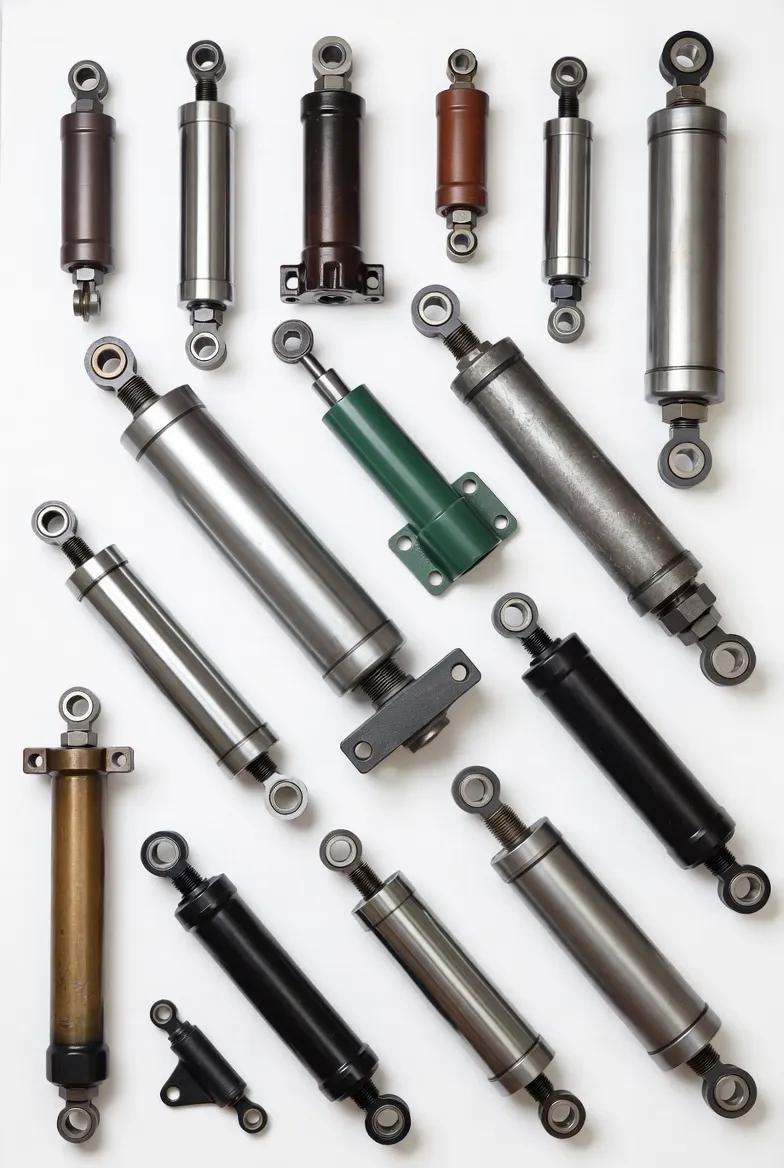
Height Adjustment Cylinders: The Core of Surgical Precision
An authoritative engineering analysis of ultra smooth hydraulic lift mechanisms, absolute load stability, sanitation compliance, and fluid power dynamics in modern operating tables and hospital beds.

The Unseen Foundation of Patient Care and Surgical Success
Within the highly sterile, intensely focused environment of a modern hospital operating theater, the surgical team relies on an array of sophisticated medical equipment to perform life saving procedures. Among the most critical pieces of infrastructure in this setting is the operating table. The ability to precisely position a patient, adjusting their height and angle to provide surgeons with optimal access and ergonomic comfort, is an absolute necessity. This flawless, silent articulation is driven entirely by highly specialized medical fluid power components known as height adjustment cylinders. These advanced hydraulic actuators represent the pinnacle of precision engineering, transforming hydraulic pressure into ultra smooth, micro millimeter linear motion.
Height adjustment cylinders used in operating tables and premium hospital beds are vastly different from standard industrial hydraulic cylinders. In an industrial setting, minor shuddering or a fractional drop in pressure might be acceptable. In a surgical environment, especially during delicate neurosurgery or cardiovascular procedures, absolute stability is mandatory. The height adjustment cylinder must elevate patients weighing hundreds of pounds with zero vibration, zero stick slip friction, and complete acoustic silence. Any sudden movement or hydraulic jerk could cause a surgeon to slip, resulting in catastrophic consequences for the patient. Therefore, these specialized surgical table lift cylinders are manufactured to the most exacting tolerances in the fluid power industry.
From an authoritative engineering perspective evaluated by stringent medical device regulations, designing hydraulic cylinders for hospital equipment demands absolute perfection. These actuators must operate flawlessly while adhering to rigorous hygiene standards, enduring frequent exposure to aggressive chemical disinfectants, and integrating seamless failsafe mechanisms to prevent downward drift during power outages. This comprehensive technical analysis explores the sophisticated mechanical architecture, advanced hygienic sealing technologies, and strict fail safe fluid power dynamics that define elite medical height adjustment cylinders.
Mechanical Architecture of Medical Elevation Actuation
Operating a heavy surgical table requires a sophisticated interplay of hydraulic geometry. The cylinders must provide precise articulation and seamlessly hold the payload angle to ensure the patient remains perfectly stable.
Ultra Smooth Lift Dynamics
Modern operating tables typically feature a central telescopic column design, requiring a specialized multi stage or single stage height adjustment cylinder. The primary engineering goal is the complete elimination of stick slip, a phenomenon where friction causes the cylinder to move in microscopic, jerky steps. To achieve a perfectly fluid ascent and descent, medical hydraulic cylinders utilize highly polished, micro honed interior barrels and specialized low friction Polytetrafluoroethylene guide rings. When the surgeon initiates an elevation command, the cylinder extends with absolute smoothness, providing a flawless transition that is imperceptible to the patient.
Acoustic Dampening and Silent Operation
In an intensive care unit or an active surgical suite, noise reduction is critical for maintaining a calm, focused environment. Standard hydraulic systems generate significant acoustic noise through pump cavitation and fluid turbulence. Medical height adjustment cylinders are engineered as part of a highly refined, low decibel electro hydraulic system. The fluid pathways within the cylinder head are aerodynamically contoured to prevent turbulent flow, while internal dampening cushions absorb mechanical end of stroke impacts, ensuring the entire elevation process is virtually silent.

Strict Sanitation and Chemical Resistance Standards
The clinical environment dictates that every piece of equipment must adhere to the highest standards of hygiene and infection control. Operating tables and hospital beds are subjected to rigorous, daily cleaning protocols. Height adjustment cylinders are frequently exposed to aggressive, medical grade chemical disinfectants, sterilizing foams, and biological fluids. If these hydraulic actuators lack specialized protective engineering, this intense chemical exposure will rapidly degrade standard industrial seals and induce severe corrosion on the exposed piston rods.
A compromised piston rod surface provides a breeding ground for bacterial growth, completely violating hospital sanitation protocols. Furthermore, rough, oxidized imperfections will tear into the internal pressure seals every time the table elevates. This inevitably leads to hydraulic oil weeping onto the sterile operating room floor, resulting in an immediate contamination hazard and costly equipment downtime. Consequently, elite medical equipment manufacturers rely heavily on advanced surface treatments and specialized sealing packages to guarantee both sterility and operational longevity.

Surgical Grade Metallurgy and Biocompatible Sealing
Traditional carbon steel with basic chrome plating is unacceptable in premium medical environments. High end surgical table lift cylinders are frequently manufactured using 316L surgical grade stainless steel or utilize advanced nitrocarburizing techniques. These sophisticated metallurgical choices create an absolutely dense, impenetrable armor against aggressive hospital disinfectants and eliminate the risk of flaking chrome. To handle the chemical exposure, standard industrial seals are upgraded to specialized fluorocarbon elastomers and energized Polytetrafluoroethylene composites. When paired with heavy duty double lip wiper seals that scrape away sterilizing fluids and prevent biological ingress, these cylinders maintain pristine internal fluid integrity while ensuring the exterior remains perfectly sterile.
Absolute Failsafe Mechanics and Patient Security
From an authoritative medical engineering safety perspective, elevating a patient during a complex surgical procedure leaves absolutely no room for mechanical failure. The hydraulic systems are engineered with uncompromising redundancies to prevent any unintended movement.
Zero Drift Load Holding Valves
During a lengthy surgery, the operating table must hold its exact elevation for hours without sinking even a fraction of a millimeter. Standard directional valves inherently leak over time, causing downward drift. To absolutely prevent this, medical height adjustment cylinders are fitted with integral load holding pilot operated check valves directly block mounted to the cylinder ports. Once the table reaches the desired height, these valves snap shut mechanically, trapping the fluid inside the cylinder and securely locking the suspended table in place with zero drift, ensuring the surgical field remains perfectly static.
Emergency Manual Override Descent
In the critical event of a total hospital power failure or a localized electrical fault within the operating table, medical staff must still be able to lower the patient safely for CPR or transport. Advanced medical lift cylinders are equipped with manual override bleed valves. Nursing staff or surgeons can easily access a mechanical foot pedal or release lever to slowly and manually bypass the holding valves. This allows gravity to gently lower the telescopic column, enabling rapid patient extraction without requiring any electrical power.
Strict MRO Protocols and Clinical Reliability
In the highly regulated healthcare sector, Maintenance, Repair, and Overhaul procedures are governed by strict biomedical engineering standards. Hospitals cannot afford unexpected downtime in a surgical suite due to a malfunctioning operating table. Therefore, executing rigid preventative maintenance on medical fluid power systems is a critical responsibility for hospital clinical engineering teams.
- ✔️
Absolute Fluid Cleanliness Management: Medical hydraulic directional valves possess microscopic internal tolerances to ensure smooth movement. Any particulate contamination within the hydraulic fluid can cause the lift mechanism to shudder or jam. Clinical engineers conduct routine maintenance, utilizing specialized enclosed systems to replace and purify the medical grade hydraulic fluid, ensuring it meets stringent ISO cleanliness standards to prevent sudden mechanical seizure during operations.
- ✔️
Visual Inspections for Micro Leaks: During routine equipment sterilization, cleaning staff and biomedical technicians meticulously inspect the exposed areas of the lift mechanisms. Even the slightest weep of hydraulic fluid around the cylinder gland nut is an immediate maintenance discrepancy, indicating that the pressure seals have degraded. Addressing these micro leaks immediately prevents fluid from compromising the sterile field.
- ✔️
Maintenance Free Bearing Architecture: The mounting trunnions of the lift cylinders endure lateral stress during patient transfers. To comply with clean room standards, these joints cannot be manually greased, as exposed grease attracts bacteria. Therefore, premium medical cylinders utilize heavy duty, self lubricating composite spherical bearings that require zero maintenance over the entire lifespan of the table.

The Digital Transition: Smart Medical Hydraulics and IoT Integration
The modern healthcare industry is rapidly transitioning towards fully digital hospital management. The traditional mechanical height adjustment cylinder is evolving from a passive component into a highly intelligent, sensor driven node integrated deeply into smart hospital IoT ecosystems.
Next generation smart lift cylinders are being equipped with embedded linear position sensors and high resolution pressure transducers. These smart cylinders continuously feed real time telemetry directly to the operating table control unit and wirelessly to hospital biomedical management dashboards. By analyzing the pressure decay curves over time, artificial intelligence algorithms can accurately predict internal seal wear or hydraulic fluid degradation, alerting engineers to replace degrading components during scheduled downtime rather than suffering a breakdown during an operation. Furthermore, these smart systems can automatically govern the elevation speed based on the patient weight, ensuring perfect, customized smooth motion. This transition to predictive AI driven maintenance dramatically lowers operational costs and ensures absolute equipment reliability across massive hospital networks.

Conclusion: The Ultimate Foundation of Medical Reliability
Height adjustment cylinders are indisputably the most critical hydraulic driving force behind the structural stability, precision positioning, and operational safety of modern operating tables and hospital beds. By perfectly combining extreme medical grade metallurgical corrosion resistance, uncompromising mechanical failsafe redundancy, and high precision electro hydraulic control, these technologically advanced actuators ensure that patients are elevated flawlessly and safely. For global medical equipment manufacturers and hospital networks, mastering top tier fluid power and smart localized actuation systems is the fundamental cornerstone to establishing engineering excellence, ensuring absolute patient safety, and securing maximum clinical reliability in the highly demanding healthcare sector.