
Fluid Power Maintenance Engineering
How to Fix a Leaking Hydraulic Cylinder: The Definitive Engineering Guide
An authoritative technical manual detailing advanced diagnostic protocols, safe teardown procedures, high pressure seal replacement architecture, and structural restoration for industrial fluid power actuators.

The Catastrophic Cost of Fluid Power Failure
In the rigorous, capital intensive sectors of heavy construction, automated manufacturing, marine engineering, and commercial agriculture, fluid power systems represent the undisputed backbone of kinetic force generation. Hydraulic cylinders are entrusted to lift, push, pull, and precisely position payloads weighing tens or hundreds of thousands of pounds. These linear actuators are absolute marvels of metallurgical engineering, designed to contain hydrostatic pressures frequently exceeding five thousand pounds per square inch. However, despite their incredibly robust forged steel construction, they rely entirely on microscopic, flexible polymer boundaries to contain that immense energy. When an equipment operator or maintenance technician notices hydraulic oil weeping down the side of an actuator, they are witnessing the failure of those critical boundaries. Understanding exactly how to fix a leaking hydraulic cylinder is an absolutely mandatory skill for ensuring operational safety, environmental compliance, and machine longevity.
A hydraulic cylinder leaking fluid is never a minor issue that can be ignored. What begins as a slow, intermittent drip will inevitably escalate into a catastrophic blowout. From an environmental standpoint, leaking hydraulic fluid poses a severe biohazard. A single gallon of spilled synthetic oil can contaminate vast amounts of groundwater, leading to massive regulatory fines and expensive hazardous material remediation protocols. From an operational perspective, a leaking cylinder drastically reduces the efficiency of the entire hydraulic circuit. As high pressure fluid escapes the system, the main hydraulic pump must work exponentially harder to maintain the required pressure to lift the load. This continuous overexertion generates immense thermal energy, superheating the remaining hydraulic oil, breaking down its vital lubricity additives, and accelerating the destruction of every other seal and valve in the entire machine.
From a rigorous engineering perspective evaluated against international fluid power reliability standards, repairing hydraulic cylinder seals requires a methodical, deeply analytical approach. You cannot simply pry out old rubber and force new rubber in. You must diagnose the exact root cause of the leak, safely neutralize the lethal kinetic energy stored within the machine, utilize specialized heavy duty extraction tooling, and perform microscopic inspections of the steel hard parts to ensure the new seals are not instantly shredded upon reassembly. This comprehensive, highly detailed technical manual will systematically dissect the process of hydraulic cylinder leak repair, providing maintenance professionals with the advanced engineering protocols necessary to restore absolute hydrostatic integrity to their industrial actuators.
Phase 1: Diagnostic Isolation and Leak Identification
Before dismantling the heavy machinery, an engineer must accurately diagnose the exact origin of the fluid escape. A hydraulic cylinder can fail in multiple distinct zones, and identifying the specific leak path dictates the necessary repair strategy.
External Rod Seal Failure
The most highly visible and common type of failure is a leak originating from the cylinder head gland, where the polished chrome piston rod extends and retracts. If you observe hydraulic oil actively streaming down the chrome rod, dripping from the wiper seal, or pooling around the front of the barrel, the primary high pressure rod seal has failed. This is typically caused by particulate contamination in the oil acting as an abrasive, or by external environmental debris concrete dust, ice, or dried mud bypassing a degraded outer wiper seal and destroying the inner pressure boundaries.
Internal Piston Seal Bypass
An internal leak is entirely invisible to the naked eye because the fluid never escapes the closed steel barrel. Instead, high pressure oil from the load bearing chamber squeezes past the damaged seals on the main piston and flows directly into the low pressure return chamber. The definitive symptom of this failure is hydraulic drift. If an excavator boom slowly sinks or creeps downward while the control valves are closed, or if the cylinder lacks the physical power to lift its rated payload, you are experiencing massive internal fluid bypass. Fixing this requires a complete extraction of the internal assembly.

Phase 2: Critical Safety Protocols and Depressurization
Attempting to repair a hydraulic cylinder while it is under pressure or supporting a load is an invitation to a fatal accident. Hydraulic fluid pressurized to thousands of PSI acts like a liquid blade; if a fitting is cracked while under tension, the escaping fluid can easily slice through heavy leather gloves and inject directly into the human bloodstream, causing severe necrosis. Absolute adherence to de energization protocols is the foundational requirement of fluid power maintenance.
Achieving a Zero Energy State
You must physically relieve the mechanical load from the actuator. Lower the machine implements entirely to the ground, or utilize heavy duty steel cribbing and jack stands to securely block the equipment chassis. The cylinder must be able to stroke freely without bearing any weight. Once mechanically secured, shut down the primary hydraulic power unit. Execute strict Lockout Tagout procedures on the ignition or electrical mains to ensure no personnel can accidentally activate the pump while you are dismantling the lines.
Even with the pump off, immense residual pressure remains trapped within the closed loop circuit. You must cycle the directional control valves back and forth rapidly multiple times to bleed this trapped hydrostatic energy back into the main fluid reservoir. When you finally apply a wrench to the hydraulic hose fittings on the cylinder, crack the threads open incredibly slowly, wearing high impact safety goggles, allowing the residual fluid to weep gently into a containment vessel rather than spraying violently.

Phase 3: Disassembling the Actuator Structure
Once safely removed from the machinery and transported to a clean, climate controlled workbench, the heavy steel cylinder must be dismantled. The exact procedure depends entirely on the manufacturing architecture of the pressure vessel.
Extracting the Head Gland
Clamp the cylinder firmly in a heavy duty chain vise, ensuring you grip the thickest reinforced section near the base weldment to avoid warping the hollow barrel. For heavy duty welded cylinders, the head gland is typically threaded directly into the barrel. Utilize a specialized adjustable pin spanner wrench or a hook spanner that perfectly mates with the slots on the gland face. You may need to apply significant mechanical leverage using a long cheater bar, or employ an oxy-acetylene torch to carefully apply localized heat to the outer barrel to break the grip of industrial thread locking adhesives. For tie rod cylinders, sequentially loosen the external steel rods in a crisscross pattern to relieve the clamping tension evenly.
Pulling the Rod Assembly
Once the gland is fully unthreaded, the entire internal assembly consisting of the chrome rod and the heavy steel piston must be pulled outward. This requires extreme lateral precision. If the rod sags downward during extraction, the sharp metal edges of the piston will aggressively drag against the highly polished interior wall of the cylinder barrel. This metal on metal contact will carve deep longitudinal scores into the tube, which will instantly shred your brand new seals upon reassembly. Utilize an overhead hoist attached to the rod eye to maintain perfect, zero gravity alignment while sliding the massive assembly free.
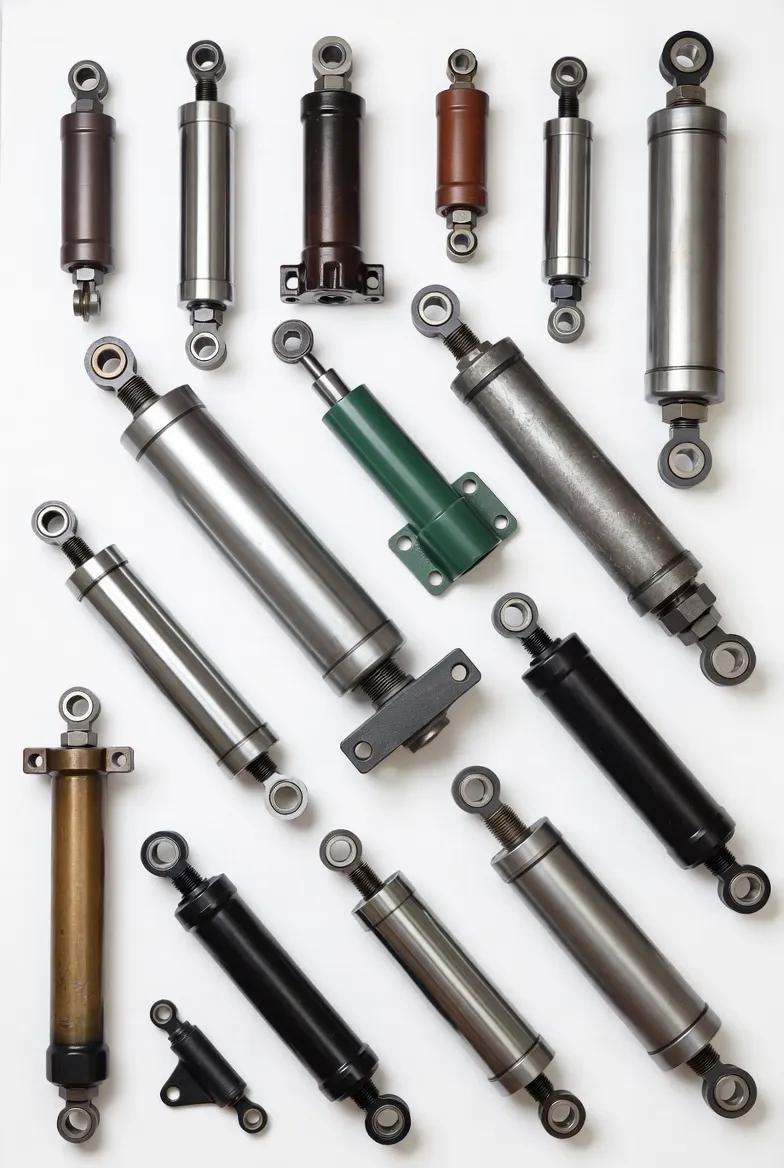
Phase 4: Microscopic Inspection of Hard Parts
Replacing replacing hydraulic rod seals without inspecting the underlying steel architecture is a guaranteed formula for immediate repeat failure. Seals do not operate in a vacuum; they interact dynamically with the metal surfaces. You must identify exactly why the original seals failed.
- ✔️
Evaluating the Chrome Rod: Clean the piston rod thoroughly and run your fingernail across the entire highly polished surface. If your nail catches on any vertical scratches, gouges, or pits caused by rust or flying debris, the new wiper and rod seals will be sliced open within the first few hours of operation. Deep scoring dictates that the rod must be completely re-chromed by a specialized facility or entirely replaced. Furthermore, inspect the rod for straightness; a bent rod will cause severe lateral side loading, instantly crushing the new internal bearing guides.
- ✔️
Inspecting the Cylinder Barrel: Utilize a high intensity bore light to visually examine the interior wall of the cylinder tube. Look for longitudinal scoring caused by particulate contamination in the hydraulic fluid. Severe scoring creates deep channels that fluid will easily bypass, rendering new seals useless. If the damage is superficial, a machine shop can utilize a specialized cylinder hone to restore the microscopic crosshatch pattern necessary to retain a lubricating oil film. If the gouges are deep, the entire barrel must be discarded.

Phase 5: Replacing the Hydraulic Seals and Reassembly
The actual process of replacing replacing hydraulic rod seals and piston rings requires meticulous cleanliness and specialized soft tooling. Hydraulic seals are highly engineered polymer profiles designed to block immense pressure. If you scratch the metal seal grooves during removal or installation, you will create a permanent, untreatable leak path.
To access the dynamic seals on the head gland, you must first remove the massive retaining nut that secures the piston to the rod. This often requires a heavy impact wrench or a hydraulic torque multiplier. Once the piston is off, carefully extract the old seals using specialized brass or plastic O-ring picks never use hardened steel screwdrivers. Clean the bare metal grooves aggressively with solvent. High pressure polyurethane U-cups and energized PTFE piston seals are incredibly stiff and directional. They must be installed facing the correct pressure source. Mechanics often use hot water or specialized heating ovens to soften the polymers, expanding them slightly so they can be stretched over the piston without tearing. Once seated, a ring sizing tool or compressor sleeve is utilized to tightly shrink the seal back to its original tight tolerance before inserting it into the barrel.

Conclusion: Restoring Absolute Hydrostatic Integrity
Understanding exactly how to fix a leaking hydraulic cylinder is the fundamental bedrock of proactive heavy machinery maintenance and safe industrial operations. A fluid leak is not merely a messy inconvenience; it is a critical breakdown of hydrostatic power that compromises automated manufacturing precision and poses severe environmental and safety hazards. By adhering to uncompromising safety protocols, understanding the complex architecture of high pressure polymer seals, executing microscopic diagnostic inspections of the rod and barrel, and utilizing the correct high torque extraction tooling, engineering professionals can safely restore these powerful mechanisms. A properly executed hydraulic seal repair ensures the machinery returns to the field with absolute, unyielding reliability, preventing future catastrophic blowouts and maximizing the operational lifespan of the fluid power system.