
Sanitary Fluid Power Engineering
Meat Forming Press Cylinders: Precision Force in Modern Food Production
An authoritative engineering analysis of food grade hydraulic actuators, ultra hygienic sealing architectures, exact portion control dynamics, and high pressure meat processing cylinders in automated culinary facilities.

The Mechanical Core of High Volume Culinary Production
In the highly regulated and intensely competitive global food processing industry, achieving absolute consistency in product shape, weight, and texture is the ultimate metric defining corporate profitability. Modern culinary facilities output millions of protein based products daily, ranging from uniform chicken nuggets and premium beef patties to specialized plant based meat alternatives and delicately molded deli meats. Creating these precisely shaped products at blistering industrial speeds requires machinery that can apply immense, flawlessly controlled physical force while adhering to the strictest hygiene standards on the planet. The absolute driving force executing these monumental repetitive stamping and extruding operations is the highly specialized network of meat forming press cylinders.
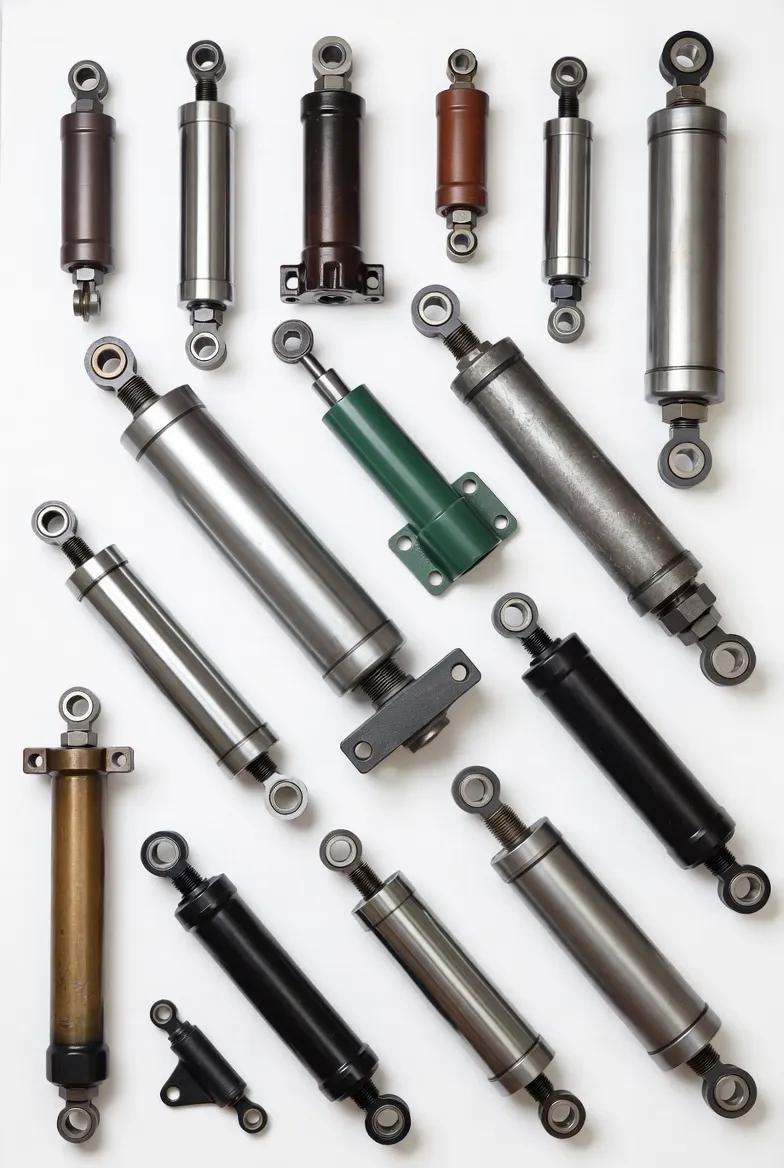
Meat forming press cylinders are a distinct class of fluid power components, vastly separated from standard industrial hydraulic actuators. While a conventional hydraulic cylinder utilized in manufacturing or construction is designed purely for brute force without regard for microscopic contamination, a food grade hydraulic actuator must perform as a hyper responsive, ultra sanitary scientific instrument. When food engineers configure a meat patty forming machine to process highly viscous, chilled protein mixtures, the hydraulic actuator imparting those forming pressures must oscillate at incredibly high frequencies. It must be capable of applying thousands of pounds of crushing force into multi cavity mold plates while simultaneously maintaining a mathematically perfect stroke length. A single micro fluctuation in hydraulic pressure or a momentary stick slip hesitation would instantly corrupt the exact portion control parameters, resulting in massive product giveaway, unacceptable weight variations, and severe financial losses.
From a highly authoritative fluid power engineering perspective aligned with stringent international food safety methodologies such as FDA, USDA, and EHEDG guidelines, designing these extreme precision sanitary actuators demands absolute perfection across multiple advanced engineering disciplines. These actuators must translate massive internal hydrostatic pressures into flawlessly smooth kinetic motion while constantly enduring aggressive high temperature chemical washdowns. This comprehensive technical analysis explores the highly sophisticated mechanical geometry, the advanced stainless steel metallurgy required to prevent bacterial harborage, and the absolute closed loop fluid power dynamics that define world class high pressure meat processing cylinders.
Kinematic Architecture of High Speed Protein Forming
Driving the immense stamping and extrusion forces of a commercial meat former requires a highly refined interplay of dual acting hydraulic geometry, extreme structural rigidity, and flawless micro flow management to ensure identical cavity filling.
Ultra High Frequency Knockout Actuation
In automated meat patty forming machines, the production cycle is incredibly rapid, often exceeding one hundred strokes per minute. The hydraulic cylinder responsible for the knockout sequence must push the molded meat portions out of the die plate and onto the transport conveyor with explosive speed and precision. To achieve this high frequency cycling without succumbing to fluid overheating or cavitation, the internal fluid pathways of the meat forming press cylinders are deeply optimized using computational fluid dynamics. This ensures that the high pressure food grade hydraulic fluid moves seamlessly through the actuator ports without creating destructive turbulence, guaranteeing a perfectly synchronized punch cycle that maintains the structural integrity of the delicate meat product.
Volumetric Mold Filling Synchronization
When pressing fibrous muscle tissue or thick plant based matrices into complex three dimensional molds, the hydraulic ram driving the feed plunger must exert massive, unrelenting pressure. It is absolutely critical that the meat is forced into every microscopic corner of the mold plate uniformly. Any uneven pressure distribution leads to air pockets and underweight products. Modern food processing fluid power systems utilize highly precise flow dividers and computerized proportional directional control valves to guarantee perfect volumetric pressure distribution, ensuring the meat forming press cylinders deliver uniform density across wide, multi cavity production lines.

Uncompromising Sanitary Design and Food Safety Compliance
The operating environment within a commercial meat processing plant is exceptionally hostile to mechanical components. Beyond the physical demands of high pressure pressing, the overriding concern is biological safety. Raw meat proteins, animal fats, and blood are highly corrosive and serve as the perfect breeding grounds for deadly pathogens such as Listeria, Salmonella, and E. coli. To combat this, meat processing facilities execute aggressive daily sanitation protocols known as Clean In Place and Washdown procedures.
During a washdown, food grade hydraulic actuators are blasted with high pressure, high temperature water exceeding eighty degrees Celsius, heavily laced with caustic foaming agents, sodium hydroxide, and acidic sanitizers. If a standard industrial carbon steel cylinder were deployed in this environment, the severe chemical attack would instantly strip away protective paints, aggressively corrode the cylinder barrel, and pit the piston rod. These oxidized pits would act as microscopic safe havens for bacteria, entirely protected from the sanitizing chemicals, leading to catastrophic product recalls and severe public health disasters. Consequently, elite manufacturers of sanitary hydraulic cylinders rely heavily on advanced surface treatments and uncompromising material selection to guarantee absolute hygienic compliance.

316L Stainless Steel Metallurgy and Electro Polishing
To safely survive the relentless chemical assault of the food processing washdown environment, premium meat forming press cylinders completely abandon carbon steel construction. Instead, the entire cylinder body, including the barrel, end caps, and mounting trunnions, is precision machined from solid billets of 316L surgical grade stainless steel. This highly alloyed metal provides unparalleled resistance to pitting and crevice corrosion caused by chloride based sanitizers. Furthermore, the exterior surfaces undergo an advanced electro polishing process. This strips away microscopic surface asperities, creating an incredibly smooth, mirror like finish with absolute zero porosity, ensuring that animal fats and bacterial biofilms cannot adhere to the cylinder structure and can be effortlessly washed away during sanitation cycles.
Biocompatible Sealing Architecture and Contamination Prevention
From a stringent engineering safety perspective mandated by global food safety authorities, preventing the cross contamination between internal hydraulic driving fluids and the external edible food product is the absolute highest priority in actuator design.
FDA Compliant Elastomeric Seals
Standard hydraulic seals fabricated from industrial nitrile rubber contain toxic plasticizers and will rapidly degrade, swell, and melt when exposed to caustic hot water washdowns and animal fats. Elite hygienic fluid power cylinders utilize a highly specialized composite sealing architecture. The primary pressure barriers and rod seals are constructed from FDA compliant, food grade fluorocarbon elastomers and virgin Polytetrafluoroethylene composites. These advanced polymer chains are completely non toxic, biologically inert, and possess extreme chemical resistance, guaranteeing that they will not shed micro plastics into the meat product even under continuous high friction cycling.
Aggressive Washdown Wiper Systems
During the meat forming process, microscopic particles of protein and fat inevitably splash onto the exposed piston rod of the hydraulic cylinder. If this organic debris bypasses the cylinder gland and enters the internal hydraulic chamber, it will putrefy, destroying the hydraulic oil and creating a severe internal biohazard. To combat this, the piston rods of meat forming press cylinders are shielded by exceptionally aggressive, heavy duty double lip scraper seals. These specialized hygienic wipers act as an impenetrable physical barrier, forcefully shearing away dried meat fibers and caustic cleaning foams before the rod retracts, perfectly protecting the internal fluid power integrity.
Preventative Maintenance and Culinary Facility Uptime
In the high stakes world of industrial food processing, machine downtime is measured in thousands of dollars per minute. A single malfunctioning meat forming press cylinder can halt an entire automated production line, causing massive bottlenecks and forcing the disposal of thousands of pounds of perishable raw meat. Therefore, executing rigid preventative maintenance on sanitary fluid power systems is a critical responsibility for facility plant engineers and maintenance technicians.
- ✔️
Food Grade Hydraulic Fluid Management: Even with the best sealing architecture, food safety regulations mandate the use of NSF H1 registered food grade hydraulic fluids. These synthetic oils are non toxic and safe for incidental food contact. However, they must be rigorously maintained. Plant mechanics must conduct routine fluid particulate and moisture analysis, utilizing high efficiency bypass filtration units to purify the hydraulic system. The fluid must strictly adhere to the highest cleanliness standards to prevent the high speed servo valves from jamming during rapid patty forming cycles.
- ✔️
Visual Inspections for Micro Leaks: During the daily sanitation shutdown phase, cleaning crews and maintenance technicians must meticulously inspect the exposed areas of the stainless steel cylinders. Even the slightest weep of food grade hydraulic oil around the cylinder gland nut is an immediate out of service maintenance discrepancy, indicating that the high pressure seals have degraded. Catching these micro leaks early is essential to prevent a catastrophic fluid blowout directly into the meat mixture hopper.
- ✔️
Crevice Free Mounting Design: Traditional hydraulic cylinders utilize threaded rods, exposed bolts, and complex clevis mounts that act as dirt traps, perfectly harboring decaying meat particles. Premium sanitary hydraulic cylinders are engineered with a smooth, crevice free exterior profile. Welds are ground flush, and mounting points are integrated smoothly into the cylinder body, allowing high pressure water jets to effortlessly flush away all organic matter during the washdown process without leaving any blind spots.

The Digital Transition: Smart Sanitary Hydraulics and IoT Integration
The modern industrial food production industry is rapidly transitioning towards fully digital, highly automated Industry 4.0 environments. The traditional mechanical high pressure meat processing cylinder is evolving from a passive force generating component into a highly intelligent, sensor driven node integrated deeply into global facility management networks.
Next generation smart meat forming press cylinders are being equipped with embedded, extreme resolution linear position sensors and internal fluid condition monitors encased entirely within waterproof IP69K rated stainless steel housings. These smart cylinders continuously feed real time telemetry directly to the food plant’s centralized programmable logic controllers. By analyzing the pressure decay curves and stroke timing variations over millions of high speed punch cycles, artificial intelligence algorithms can accurately predict internal seal wear or fluid bypass degradation. The system can automatically alert maintenance engineers to replace degrading fluid power components during scheduled sanitation downtime rather than suffering a catastrophic hydraulic failure in the middle of a crucial production run. This transition to predictive AI driven maintenance dramatically lowers operational risks, ensures exact portion control yield optimization, and guarantees absolute equipment reliability, preserving the integrity of the global food supply chain.

Conclusion: The Ultimate Standard of Culinary Engineering
Meat forming press cylinders are indisputably the most critical fluid power components in the realm of high volume automated food processing. By perfectly combining extreme heavy duty 316L stainless steel metallurgy, uncompromising FDA compliant sanitary sealing technologies, and hyper responsive electro hydraulic stroke precision, these highly advanced actuators ensure that culinary engineers can stamp, extrude, and shape millions of protein products with absolute, undeniable accuracy and safety. For global food processing machinery manufacturers and elite culinary facilities, mastering top tier fluid power and smart localized actuation systems is the fundamental cornerstone to establishing production excellence, ensuring the biological safety of consumer food products, and securing maximum yield profitability in the highly demanding field of industrial food manufacturing.