
Fluid Power Maintenance Engineering
Can Hydraulic Cylinders Be Rebuilt or Refurbished?
A comprehensive technical guide examining hydraulic cylinder rebuild versus replacement decisions, step by step refurbishment procedures, cost benefit analysis, and quality standards for restored fluid power actuators.

The Economics and Engineering of Hydraulic Cylinder Rebuilding
In the practical world of fluid power maintenance and asset management, the question of whether hydraulic cylinders can be rebuilt or refurbished is not merely academic but carries profound implications for operational budgets, equipment downtime, and long term reliability. The unequivocal answer is that the vast majority of hydraulic cylinders can indeed be successfully rebuilt or refurbished, often multiple times throughout their service life, restoring them to like new performance and reliability at a fraction of the cost of complete replacement. However, the decision to rebuild rather than replace involves careful evaluation of cylinder condition, economic considerations, available technical capabilities, and the criticality of the application. Understanding the rebuild process, its limitations, and the quality standards that distinguish professional refurbishment from mere seal replacement empowers maintenance professionals to make informed decisions that optimize total cost of ownership while maintaining equipment safety and productivity.
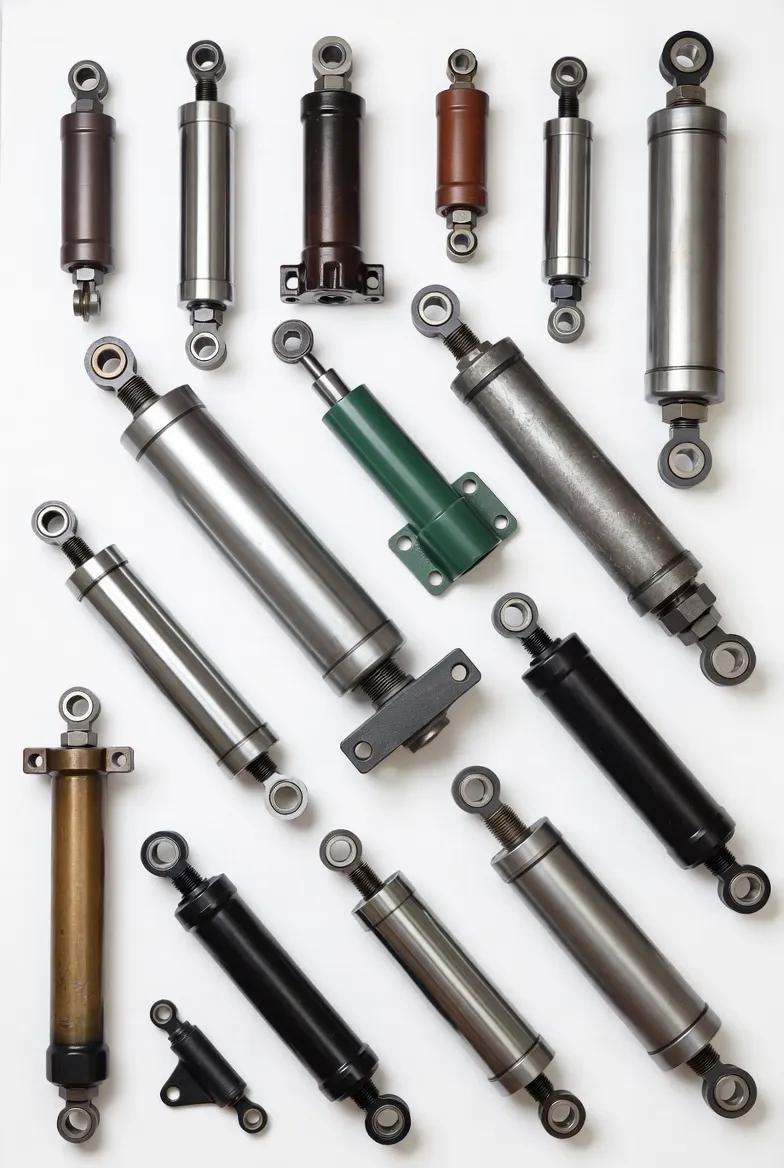
Hydraulic cylinder rebuilding encompasses a spectrum of activities ranging from basic resealing replacing worn rod seals, piston seals, and wiper seals to comprehensive refurbishment that includes rod rechroming or replacement, barrel honing or sleeving, piston replacement, and remachining of critical sealing surfaces. The appropriate level of rebuild is determined by the condition of the cylinder components upon disassembly and inspection. A cylinder removed from service due to external rod leakage but with a smooth, undamaged rod surface and minimal internal wear may require only a standard seal kit replacement to restore leak free operation. Conversely, a cylinder exhibiting severe rod scoring, barrel damage, or bent components demands more extensive refurbishment that approaches the complexity and cost of new cylinder manufacture. The key to successful hydraulic cylinder rebuild lies in thorough inspection, accurate diagnosis of the root causes of failure, and the application of appropriate repair techniques executed to original equipment manufacturer standards.
This comprehensive technical guide provides an exhaustive examination of hydraulic cylinder rebuilding and refurbishment, covering the full spectrum from simple seal replacement to complete remanufacturing. We will explore the detailed inspection procedures that determine rebuild feasibility, the step by step processes for disassembly, cleaning, component evaluation, repair or replacement of damaged elements, reassembly, and post rebuild testing. Additionally, we will address the critical question of rebuild versus replacement economics, the qualifications and capabilities required for professional cylinder refurbishment, and the quality standards that ensure rebuilt cylinders deliver performance and reliability equivalent to new units. Whether you are a maintenance technician considering in house rebuild capabilities or an equipment manager evaluating outsourcing options, this guide provides the authoritative technical foundation necessary for successful hydraulic cylinder rebuild decisions.
Initial Assessment: Determining If a Hydraulic Cylinder Can Be Rebuilt
The first critical step in any hydraulic cylinder rebuild project is a thorough assessment of the cylinder’s condition to determine whether refurbishment is technically and economically feasible.
?
External Visual Inspection and Leakage Assessment
Before any disassembly begins, a comprehensive external inspection provides valuable clues about the cylinder’s internal condition and the likely scope of required rebuild work. Examine the piston rod surface under good lighting for scoring, pitting, corrosion, or chrome plating damage. Run a fingernail across any suspected defects if the nail catches, the rod surface damage is sufficient to compromise new seal life and rod rechroming or replacement should be anticipated. Check the rod for straightness by visual sighting or by rotating the extended rod against a fixed reference. Observe the pattern of external leakage: fluid weeping from the rod seal area indicates rod seal failure, while leakage at the head gland to barrel interface suggests static seal or O-ring degradation. Inspect cylinder mounting points, clevis pins, and rod end threads for wear, deformation, or cracking. Document the cylinder model number, bore size, stroke length, and any special features to ensure the correct seal kit and replacement components are procured. This external assessment provides the first indication of whether a simple reseal will suffice or more extensive hydraulic cylinder refurbishment will be required.
⚠️
Identifying Non Rebuildable Conditions
While most hydraulic cylinders can be rebuilt, certain conditions render refurbishment impractical or economically unjustifiable. Catastrophic structural damage including cracked or ruptured barrels, severely bent rods exceeding straightening limits, or broken mounting attachments typically necessitate complete cylinder replacement. Extensive barrel scoring that cannot be removed by honing within allowable oversize limits for standard piston seals and wear rings may require barrel sleeving or replacement. Cylinders with obsolete or proprietary designs for which seal kits and replacement components are no longer available through any source present significant rebuild challenges, although custom seal manufacturing can sometimes provide a solution for critical applications. Severely corroded cylinders where the barrel wall thickness has been compromised by deep pitting pose safety risks if returned to service even after refurbishment. In such cases, the prudent decision is replacement of the hydraulic cylinder with a new or good used unit rather than attempting rebuild.

Step by Step Hydraulic Cylinder Disassembly Procedures
Proper disassembly technique is essential to avoid causing additional damage that would complicate or prevent successful hydraulic cylinder rebuild.
?Tie Rod Cylinder Disassembly
Tie rod hydraulic cylinders offer the most straightforward disassembly for rebuild purposes. After thoroughly cleaning the cylinder exterior to prevent contamination ingress, remove the tie rod nuts from both ends of the cylinder using appropriately sized wrenches or sockets. On cylinders with four tie rods, progressively loosen nuts in a cross pattern to evenly relieve clamping force. Once all tie rod nuts are removed, the head gland and base cap can be separated from the barrel. Carefully slide the head gland off the piston rod, supporting the rod to prevent bending. Remove the piston assembly from the barrel, noting the orientation and stacking order of all components including the piston, seals, wear rings, and any spacers or shims. For cylinders where the piston is retained by a nut on the rod end, remove any locking devices such as setscrews, locking wires, or staked threads before unscrewing the piston nut. Document component orientation with photographs or sketches to ensure correct reassembly. The ability to completely disassemble tie rod cylinders without specialized tooling makes them particularly amenable to in house hydraulic cylinder rebuilding.
⚙️Welded Cylinder Disassembly Challenges
Welded body hydraulic cylinders present additional challenges for rebuild disassembly due to the threaded head gland retention and the potential for thread locking compounds applied during original manufacture. Begin by removing any external locking devices such as setscrews, snap rings, or retaining wires that secure the head gland. Apply penetrating oil to the gland threads and allow sufficient time for penetration if corrosion is evident. Using a spanner wrench, pin wrench, or custom fabricated tool that properly engages the gland wrenching features, apply steady rotational force to unscrew the gland. The breakaway torque may be substantial, requiring a hydraulic breakout bench or substantial cheater bar for larger cylinders. Once the gland threads are fully disengaged, carefully extract the rod and piston assembly from the barrel, supporting the rod to prevent bending or scoring of the precision honed bore. Remove the piston retaining nut and disassemble the piston, seals, and wear rings from the rod. Note that some welded cylinder pistons are welded directly to the rod, making piston replacement more complex and potentially requiring rod replacement if the piston is damaged. The increased difficulty of welded cylinder disassembly often influences the rebuild versus replacement economic calculation.

Component Inspection and Refurbishment Options
Thorough inspection and evaluation of each cylinder component determines the appropriate level of refurbishment required for successful hydraulic cylinder rebuild.
?
Piston Rod Evaluation and Reconditioning
The piston rod is the most critical and often the most expensive component in hydraulic cylinder rebuild decisions. Rods with minor surface imperfections or light scoring confined to the chrome plating layer can often be salvaged through rechroming, a process that involves stripping the damaged chrome layer, polishing the base steel substrate, and applying new hard chrome plating to the original diameter specification. Rods with deeper damage penetrating into the base steel may require machining undersize, building up with chrome or thermal spray, and finish grinding to original dimensions. Severely bent rods can sometimes be straightened using hydraulic presses and careful application of heat in controlled circumstances, though straightened rods may exhibit residual stresses that compromise fatigue life in critical applications. Rods with significant corrosion pitting, deep scoring exceeding rechroming capability, or fatigue cracks must be replaced with new manufactured rods. The availability and cost of replacement rods significantly influence the rebuild versus replace decision for heavily damaged hydraulic cylinders.
?
Cylinder Barrel Inspection and Bore Refurbishment
The cylinder barrel bore condition directly impacts seal life and overall rebuild success. Inspect the bore for scoring, pitting, corrosion, or wear patterns using a bright light and bore scope if available. Light scoring or surface rust can frequently be removed by honing, a process that uses abrasive stones to restore surface finish and roundness while increasing bore diameter slightly. Honing can typically remove up to approximately zero point zero one five inches of material while maintaining compatibility with standard oversize piston seals. Barrels with deeper scoring beyond honing limits can be salvaged by sleeving, wherein the damaged bore is machined oversize and a thin walled steel sleeve is installed with interference fit or adhesive bonding, then honed to original diameter. Sleeved cylinders perform equivalently to new barrels when properly executed. Barrels with extensive damage, deep pitting, or wall thickness compromised below safety limits must be replaced. The availability and cost of replacement barrels versus sleeving influence the economic viability of heavily damaged hydraulic cylinder rebuild.
?️
Piston Head Gland and Seal Groove Inspection
The precision machined seal grooves in the piston and head gland are critical to rebuilt hydraulic cylinder performance. Inspect all seal grooves for burrs, nicks, corrosion, or wear that could compromise new seal sealing effectiveness. Minor imperfections can be carefully dressed with fine abrasive cloth or small files, taking care not to alter critical groove dimensions. Measure groove widths and depths using calipers or micrometers and compare to manufacturer specifications for the specific seal type. Grooves that have worn beyond tolerance limits due to seal movement or have been damaged by improper seal removal may require remachining or component replacement. Head gland bushings or rod bearings should be inspected for scoring, excessive wear, or out of round condition. Worn bushings allow rod deflection that accelerates seal wear and can cause premature failure of the rebuilt cylinder. Replacement bushings are typically available and should be installed whenever significant wear is evident. Clean all components thoroughly using solvent or aqueous cleaning systems, ensuring that seal grooves and internal passages are completely free of debris before reassembly.
Seal Selection and Precision Reassembly Techniques
Proper seal selection and meticulous reassembly procedures are essential to achieving reliable, leak free performance from rebuilt hydraulic cylinders.
- ?
Selecting the Correct Seal Kit and Materials: The foundation of successful hydraulic cylinder rebuild is the selection of the appropriate seal kit matched to the specific cylinder model, bore size, and application requirements. Original equipment manufacturer seal kits ensure correct material compatibility, dimensional fit, and performance characteristics. For cylinders where OEM kits are unavailable or obsolete, aftermarket seal suppliers can cross reference dimensions to provide equivalent seals. Consider upgrading seal materials when rebuilding cylinders for severe service applications: fluorocarbon seals for high temperature service, polyurethane for enhanced abrasion resistance, and specialty compounds for fire resistant or biodegradable hydraulic fluids. Verify that the seal kit includes all required components including rod seals, wiper seals, piston seals, wear rings, static O-rings, and backup rings where applicable. Using incomplete or incorrect seals compromises rebuild quality and leads to premature failure.
- ?
Seal Installation Best Practices: Hydraulic cylinder seals are precision components that demand careful installation to prevent damage and ensure proper function. Never install seals over sharp threads, keyways, or abrupt shoulders without using proper seal installation sleeves or bullet tools. Lubricate all seals liberally with clean hydraulic fluid or compatible assembly lubricant before installation to prevent dry start up damage. Install seals in the correct orientation: rod seal dynamic lip faces the pressure side of the cylinder, wiper seal scraping lip faces outward, and piston seals are properly oriented for bidirectional sealing. For multi component piston seal arrangements, carefully follow the stacking order documented during disassembly. Use non marring seal picks to guide seals into their grooves, working progressively around the circumference to achieve even seating without twisting. After installation, visually verify that all seals are fully seated in their grooves with no pinched or rolled sections.
- ?
Torque Specifications and Thread Locking: Achieving correct fastener torque during hydraulic cylinder reassembly is critical to preventing leaks, maintaining structural integrity, and ensuring safe operation. Consult manufacturer specifications for tie rod nut torque values, piston nut torque, and head gland torque for welded cylinders. Using a calibrated torque wrench, tighten fasteners progressively in the correct sequence typically a cross pattern for tie rod nuts to ensure uniform clamping force distribution. Apply thread locking compounds where specified by the manufacturer, particularly for piston retaining nuts and head gland threads on welded cylinders. Exercise caution with thread locking compounds on stainless steel components, where specific primer and compound combinations may be required to achieve proper curing. Document final torque values for future reference and to ensure consistency across multiple cylinder rebuilds in the same application.

Post Rebuild Testing and Quality Verification
Comprehensive testing of rebuilt hydraulic cylinders verifies the quality of the refurbishment and ensures reliable performance when returned to service.
Low Pressure Cycling and Air Bleeding
Before subjecting a rebuilt hydraulic cylinder to full system pressure, gentle cycling at reduced pressure allows new seals to properly seat and conform to sealing surfaces while purging entrapped air from the cylinder cavities. With test bench pressure set to approximately two hundred to three hundred PSI, slowly cycle the cylinder through several complete extension and retraction strokes. Observe for any immediate external leakage at the rod seal or gland interface. Slight initial weeping may occur as new seal lips wear in but should diminish after several cycles. Bleed air from the cylinder by cracking the rod end port fitting during the final portion of retraction until clear fluid without bubbles is expelled. Air entrapment can cause spongy operation, localized heating, and accelerated seal wear. Proper air bleeding is essential for achieving full performance from the rebuilt hydraulic cylinder.
Pressure Testing and Internal Leakage Verification
Full pressure testing validates the pressure containment integrity and sealing performance of the rebuilt hydraulic cylinder. Gradually increase test pressure to the cylinder’s rated working pressure while monitoring for external leakage at all static and dynamic seal locations. For critical applications, test pressure may be elevated to one hundred fifty percent of rated pressure to verify structural integrity and seal performance under overload conditions. Internal leakage across the piston seal can be quantified by pressurizing the cap end with the rod end open to atmosphere and measuring fluid bypass at the rod end port. Bypass flow should be minimal for a properly rebuilt cylinder, typically less than a few cubic centimeters per minute for small to medium bore cylinders. Excessive internal leakage indicates piston seal damage during installation, incorrect seal orientation, or inadequate bore finish requiring rework before the cylinder can be placed in service.
Documentation and Warranty Considerations
Professional hydraulic cylinder rebuild includes thorough documentation of the work performed, components replaced, test results, and any deviations from original specifications. This documentation supports future troubleshooting, helps establish appropriate preventive maintenance intervals, and provides essential information should warranty issues arise. Record the cylinder identification, date of rebuild, seal kit part number used, any machining or refurbishment operations performed on the rod or barrel, final torque values, and pressure test results. Photograph the completed cylinder assembly with a unique rebuild identifier tag attached. Most reputable hydraulic cylinder rebuilders provide a warranty covering materials and workmanship, with coverage periods typically ranging from ninety days to one year depending upon the application severity. Understanding warranty terms and conditions helps manage expectations and provides recourse in the event of premature rebuild failure attributable to workmanship or component defects.
The question of whether hydraulic cylinders can be rebuilt or refurbished is answered with a resounding affirmative, provided that the rebuild process is executed with proper techniques, quality components, and rigorous testing. Understanding the rebuild process from initial assessment through final testing empowers maintenance professionals to make informed decisions that optimize equipment reliability and total cost of ownership.

Conclusion: Maximizing Value Through Professional Hydraulic Cylinder Rebuilding
Hydraulic cylinder rebuilding represents a proven, cost effective strategy for extending the service life of fluid power assets while maintaining performance and reliability. The vast majority of hydraulic cylinders can be successfully rebuilt, often multiple times, when the rebuild process is executed with proper technical expertise, quality components, and rigorous quality control. From simple seal replacement restoring leak free operation to comprehensive refurbishment including rod rechroming, barrel honing, and component remachining, the appropriate level of rebuild is determined by thorough inspection and economic analysis. While certain conditions including catastrophic structural damage, severe corrosion, or component obsolescence may render individual cylinders non rebuildable, such cases represent a small minority of the total cylinder population. By understanding the rebuild process, establishing relationships with qualified rebuild providers or developing in house capabilities, and implementing sound rebuild versus replace decision criteria, maintenance and asset managers can achieve dramatic reductions in hydraulic cylinder lifecycle costs while maintaining equipment safety and productivity. The disciplined application of hydraulic cylinder rebuild best practices ensures that these critical fluid power components deliver reliable, leak free performance across extended service intervals measured in years rather than months.