


Arm Cylinder For Zhenyu Small Excavator ZY330
Introduzione
The arm cylinder is a specially designed hydraulic cylinder that provides linear movement and power to the arm of various machinery such as excavators, cranes, and robotic arms. It plays a crucial role in hydraulic systems, enabling the efficient movement and control of additional tools or attachments. These cylinders not only ensure smooth motion but also withstand heavy loads, ensuring the efficient operation and reliability of the machinery under various working conditions.
Definizione e spiegazione
The arm cylinder is a hydraulic cylinder that is specifically designed to provide linear motion and power to the arm of various machinery. It allows for the effective movement and control of additional tools or attachments, such as buckets, booms, or arms, in machines like excavators, cranes, and robotic arms. These cylinders are essential components in hydraulic systems, enabling the smooth and precise operation of the machinery.
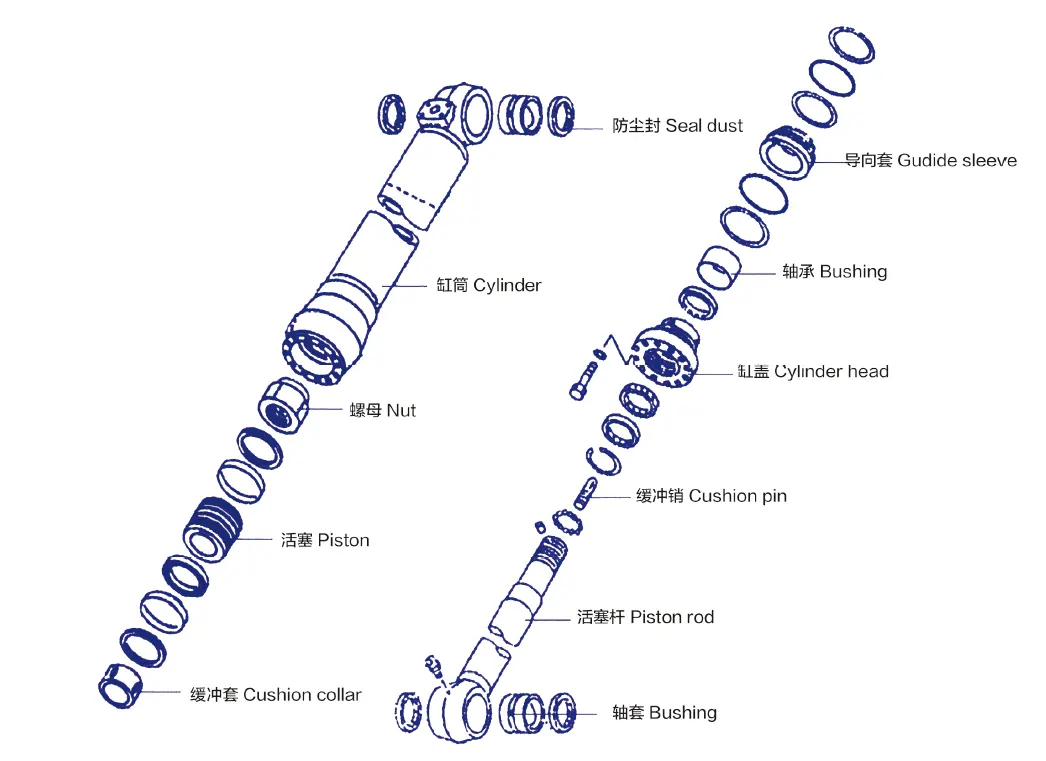

Caratteristiche
- Trasmissione ad alta efficienza: Il cilindro del braccio fornisce un potente movimento lineare e una forza elevata, garantendo prestazioni ad alta efficienza del braccio del macchinario in varie operazioni.
- Controllo preciso: Grazie al sistema idraulico, il cilindro del braccio consente un controllo preciso del movimento, rendendo più flessibile e preciso il funzionamento degli utensili collegati.
- Durata: I cilindri dei bracci sono solitamente realizzati con materiali ad alta resistenza e presentano un'eccellente resistenza all'usura e alla corrosione, il che li rende adatti all'uso a lungo termine in ambienti difficili.
- Adattabilità multifunzionale: These cylinders can be widely applied to various types of machinery such as excavators, cranes, and robotic arms, adapting to different work requirements.
- Facile manutenzione: Il design del cilindro del braccio tiene conto della facilità di manutenzione e sostituzione, rendendo più comode le ispezioni e la manutenzione regolari e riducendo i tempi di fermo delle apparecchiature.


Applicazioni
The arm cylinder finds application in various industries and sectors:
1. Ingegneria delle costruzioni
Negli escavatori e nelle gru, il cilindro del braccio viene utilizzato per controllare il movimento delle benne o dei bracci, facilitando lo spostamento della terra, la movimentazione dei materiali e l'installazione strutturale.
2. Produzione
In automated production lines, the arm cylinder is used for the motion of robotic arms, enabling assembly, welding, and material handling processes, improving production efficiency and precision.
3. Macchine agricole
Nelle macchine agricole come mietitrici e seminatrici, il cilindro del braccio controlla il movimento dei bracci operativi, eseguendo operazioni come la semina, la fertilizzazione e la raccolta.
4. Estrazione mineraria
Nelle attrezzature minerarie, il cilindro del braccio viene utilizzato per controllare il movimento del braccio dei macchinari minerari, facilitando l'estrazione e il trasporto del minerale.
5. Logistica e trasporti
Nei carrelli elevatori e nei robot di movimentazione, il cilindro del braccio controlla il sollevamento e il movimento delle forche, consentendo la movimentazione e l'impilamento dei materiali.


Considerazioni progettuali e criteri di selezione
- Capacità portante: The arm cylinder is designed to withstand the specific load requirements of the machinery it will be used in.
- Sigillatura: Various sealing components such as piston seals and rod seals are used, typically made of wear-resistant materials like polyurethane and nitrile rubber.
- Durata: The cylinder body and threaded end surfaces undergo fine treatment to enhance wear resistance and prolong the service life.
- Sicurezza: Safety considerations include the use of high-quality materials, precise engineering, and adherence to safety standards to prevent accidents or failures.
- Manutenibilità: The design of the arm cylinder takes into account ease of maintenance and replacement, ensuring easy access for regular inspections and reducing downtime for repairs.


Sigillatura e lubrificazione
The arm cylinder utilizes various sealing components, such as piston seals and rod seals, made from wear-resistant materials like polyurethane and nitrile rubber. The cylinder body and threaded end surfaces are finely treated to improve wear resistance. Regular lubrication with appropriate hydraulic oil is necessary for smooth operation and longevity of the cylinder.
Ispezione regolare e manutenzione preventiva
- Inspect the arm cylinder regularly for any signs of wear, leakage, or damage to the seals and components.
- Controllare il livello e la qualità dell'olio idraulico e, se necessario, sostituirlo o rabboccarlo.
- Ensure all connections and fittings are secure and properly tightened.
- Clean the cylinder and surrounding areas to remove dirt and debris that may affect its performance.
- Follow the manufacturer’s guidelines for preventive maintenance, including lubrication and replacement of components at recommended intervals.
Guida all'installazione del prodotto
Proper installation of the arm cylinder is essential for its optimal performance and longevity. Follow these steps for installation:
- Ensure the machinery is safely positioned and powered off.
- Remove any old or damaged cylinder by loosening the mounting bolts and disconnecting the hydraulic hoses.
- Ispezionare il nuovo cilindro del braccio per verificare che non vi siano segni di danni o difetti.
- Apply a thin layer of hydraulic oil or grease to the cylinder’s mounting surface.
- Align the cylinder with the mounting bracket and secure it in place using the appropriate bolts and nuts.
- Connect the hydraulic hoses, ensuring proper routing and tight connections.
- Test the cylinder’s operation by slowly activating the hydraulic system and checking for any abnormalities or leaks.


Considerazioni sulla sicurezza e fattori ambientali
When using the arm cylinder, it is important to follow safety measures to prevent accidents and ensure operator safety. Some key safety precautions include:
- Adhere to all safety guidelines and regulations provided by the machinery manufacturer.
- Equip operators with necessary personal protective equipment (PPE) such as gloves and safety goggles.
- Regularly inspect the arm cylinder and hydraulic system for any signs of wear, damage, or leaks.
- Ensure proper lubrication and maintenance of the cylinder to avoid unexpected failures.
- Dispose of any used hydraulic oil or waste materials in accordance with local environmental regulations.
Risoluzione dei problemi e problemi comuni
Here are some common issues that may arise with the arm cylinder and possible troubleshooting tips:
- Perdita: Check for loose connections or damaged seals. Replace any faulty components and ensure proper tightening of fittings.
- Rumore anomalo: Inspect the cylinder for any loose parts or contaminants. Clean or replace components as necessary.
- Scarsa prestazione: Check the hydraulic system for low fluid levels or dirty oil. Clean or replace filters and replenish the hydraulic oil as needed.
By following these troubleshooting tips, readers will be able to diagnose and resolve common issues effectively. Additionally, implementing preventive measures will help minimize potential problems.