


Arm Cylinder For Volvo Small Excavator EC55B
Introduzione
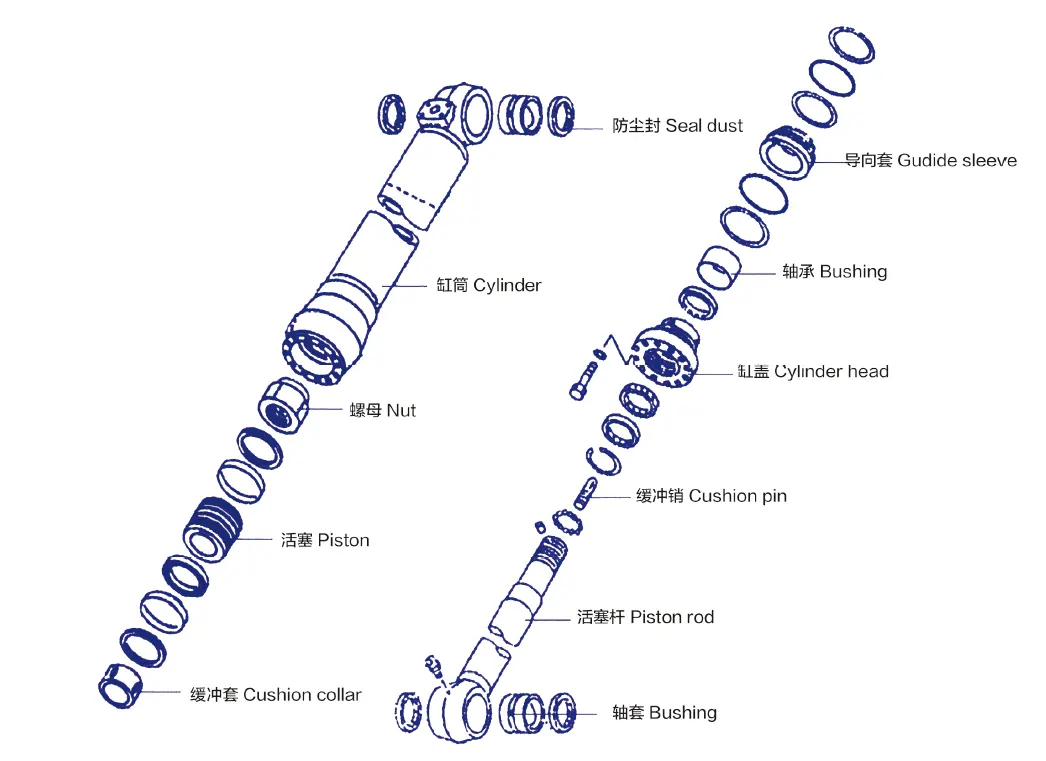
The Arm Cylinder is a specially designed hydraulic cylinder that provides linear motion and power to the arm of various types of machinery, such as excavators, cranes, and robotic arms. It plays a crucial role in hydraulic systems, allowing for efficient movement and control of additional tools or attachments. These cylinders not only provide smooth motion but also withstand heavy loads, ensuring efficient operation and reliability in various working conditions.

Caratteristiche
- High-efficiency transmission: The Arm Cylinder provides powerful linear motion and force, ensuring high-performance capabilities during various operations.
- Precise control: Through the hydraulic system, the Arm Cylinder enables precise motion control, making the operation of attached tools more flexible and accurate.
- Durability: Arm Cylinders are typically made of high-strength materials, offering excellent wear and corrosion resistance, making them suitable for long-term use in harsh environments.
- Multi-function adaptability: These cylinders can be widely applied to various machinery such as excavators, cranes, and robotic arms, adapting to different work requirements.
- Easy maintenance: The design of the Arm Cylinder takes into consideration ease of maintenance and replacement, making regular inspection and upkeep convenient, reducing equipment downtime.


Applicazioni
Il cilindro del braccio trova applicazione in vari settori:
1. Ingegneria delle costruzioni
In excavators and cranes, the Arm Cylinder is used to control the movement of buckets or booms for earthwork, material handling, and structural installation.
2. Produzione
In automated production lines, the Arm Cylinder is employed for the motion of robotic arms, assembly, welding, and material handling processes, improving production efficiency and accuracy.
3. Macchine agricole
Nelle macchine agricole come mietitrici e piantatrici, il cilindro del braccio controlla il movimento dei bracci operativi per attività quali semina, fertilizzazione e raccolta.
4. Estrazione mineraria
Nelle attrezzature minerarie, il cilindro del braccio controlla il movimento del braccio dei macchinari minerari per l'estrazione e il trasporto del minerale.
5. Logistica e trasporti
In forklifts and automated handling robots, the Arm Cylinder is responsible for controlling the lifting and movement of forks, facilitating material handling and stacking.


Considerazioni progettuali e criteri di selezione
When it comes to the design and selection of Arm Cylinders, several factors are taken into consideration:
1. Capacità portante
The Arm Cylinder must be designed to handle the specific load requirements of the machinery it is intended for, ensuring safe and efficient operation.
2. Sigillatura
Various sealing elements, such as piston seals and rod seals, are used in Arm Cylinders. These seals are made of wear-resistant materials like polyurethane and nitrile rubber, providing effective sealing to prevent leaks and ensure optimal performance. The cylinder body and threaded ends undergo fine surface treatments to enhance wear resistance.
3. Durata
Arm Cylinders are manufactured using high-quality materials and undergo rigorous testing to ensure durability and reliability in demanding environments.
4. Sicurezza
Arm Cylinders are designed with safety features to prevent accidents and ensure the protection of operators and surrounding equipment during operation.
5. Manutenzione
Regular maintenance and timely replacement of worn components are essential to keep the Arm Cylinder functioning optimally. Proper lubrication with hydraulic oil is necessary to ensure smooth operation.


Ispezione regolare e manutenzione preventiva
Regular inspection and preventive maintenance measures are essential for the long-term performance of the Arm Cylinder:
1. Ispezione
Regularly inspect the Arm Cylinder for signs of wear, leaks, or damage. Check all seals, connections, and mounting points for any issues.
2. Lubrificazione
Ensure proper lubrication by regularly adding an adequate amount of hydraulic oil to the cylinder. Follow manufacturer guidelines for the correct oil type and quantity.
3. Replacement
Replace worn or damaged components promptly to avoid further damage and ensure optimal performance. Consult the manufacturer’s guidelines for recommended replacement intervals.
Guida all'installazione del prodotto
Proper installation of the Arm Cylinder is crucial for its efficient operation and longevity. Follow these steps for correct installation:
1. Preparazione
Ensure all necessary tools and equipment are available. Review the manufacturer’s installation instructions and guidelines.
2. Inspection
Thoroughly inspect the Arm Cylinder and all associated components before installation to ensure they are in good condition and free from damage.
3. Mounting
Follow the manufacturer’s instructions to securely mount the Arm Cylinder in the correct position, ensuring proper alignment with other components.
4. Connection
Attach hydraulic hoses and fittings to the Arm Cylinder according to the provided specifications, ensuring tight connections to prevent leaks.
5. Testing
After installation, test the Arm Cylinder’s functionality by operating the machinery. Check for any abnormal noises, leaks, or improper movement.


Considerazioni sulla sicurezza e fattori ambientali
When using the Arm Cylinder, it is essential to prioritize safety measures to protect operators and ensure proper operation. Consider the following:
1. Safety Measures: Implement safety protocols, such as providing operator training, using protective equipment, and following machine-specific safety guidelines.
2. Environmental Factors: Consider environmental conditions, such as temperature, moisture, and exposure to corrosive substances, and take appropriate measures to protect the Arm Cylinder from potential damage.
Risoluzione dei problemi e problemi comuni
Understanding the potential faults and issues that may arise with the Arm Cylinder can help in diagnosing and resolving problems effectively. Here are some common concerns:
1. Perdita
If there is leakage from the Arm Cylinder, check the seals, connections, and fittings for damage or improper installation. Replace any faulty seals or tighten loose connections.
2. Slow or Jerky Movement
If the Arm Cylinder’s movement is slow or jerky, inspect the hydraulic system for low fluid levels or potential blockages. Check the hydraulic pump and valves for proper functioning.
3. Abnormal Noises
If there are unusual noises coming from the Arm Cylinder, it may indicate internal wear or damage. Inspect the cylinder for any signs of wear or loose components and address the issue accordingly.
4. Erratic Operation
If the Arm Cylinder’s operation is erratic or unpredictable, check the control valves and hydraulic system for any malfunctions. Ensure the system is properly calibrated and all components are functioning correctly.
By following these troubleshooting tips and implementing preventive measures, you can effectively diagnose and resolve issues, minimizing potential problems and ensuring optimal performance of the Arm Cylinder.
Chi siamo
We are a