
Waste Management Hydraulics
Compactor Cylinders: The Driving Force in Modern Refuse Collection
An authoritative engineering analysis of hydraulic compaction technology, packer blade fluid dynamics, and heavy-duty performance in municipal solid waste management vehicles.
Revolutionizing Municipal Solid Waste Logistics
The rapid expansion of urban populations has placed unprecedented demands on municipal solid waste management systems. To maintain public health and environmental sustainability, millions of tons of refuse must be collected, transported, and processed daily. The unsung heroes of this massive logistical operation are the highly engineered refuse truck compactor cylinders. These heavy-duty hydraulic actuators are the literal muscle behind modern garbage trucks, transforming bulky, low-density waste into tightly packed loads, thereby maximizing vehicle capacity and operational efficiency.
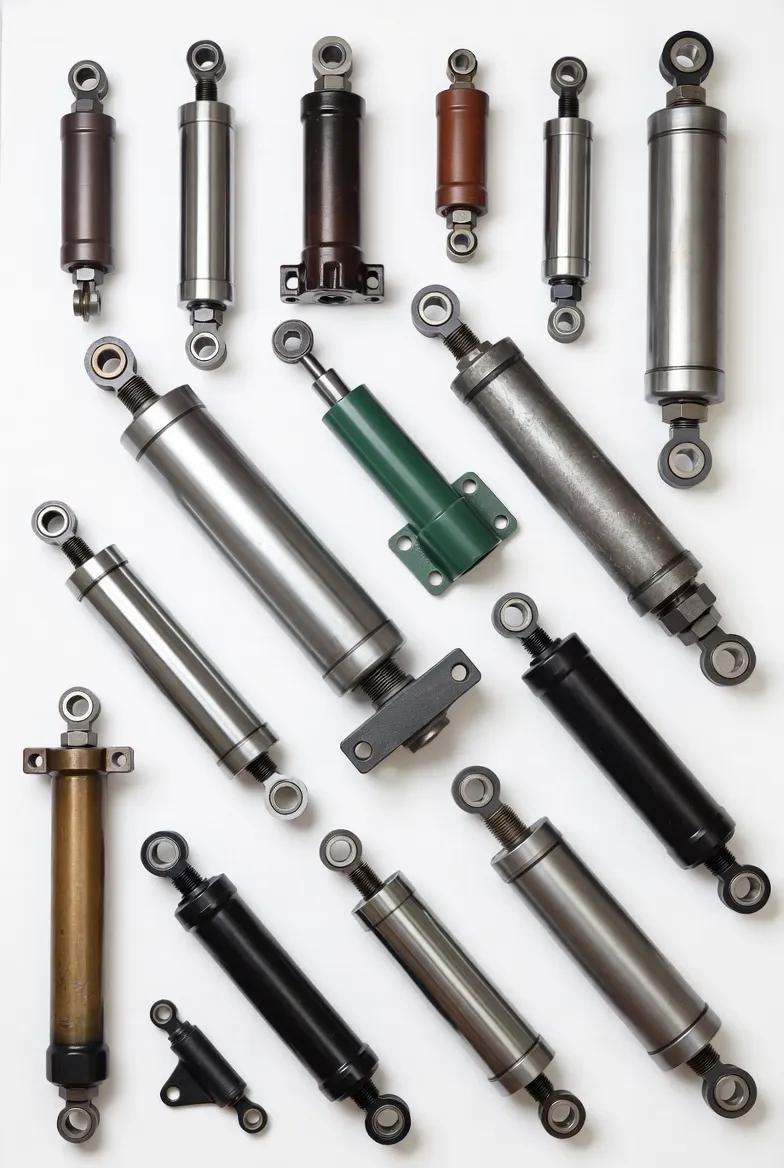
Without robust hydraulic cylinders for waste management, fleet operators would be forced to dispatch significantly more vehicles, resulting in higher fuel consumption, increased emissions, and astronomical operational costs. Compactor cylinders, specifically designed for rear-loading, side-loading, and front-loading refuse vehicles, execute the crucial task of driving the packer blade. This mechanism sweeps raw garbage from the loading hopper and compresses it into the main body of the truck. The engineering behind these fluid power devices involves complex metallurgy, advanced sealing technologies, and rigorous stress testing to survive one of the most hostile working environments on the planet.

The Mechanics of Garbage Truck Compaction Hydraulics
The compaction cycle of a standard rear-loader refuse truck relies on a synchronized sequence of hydraulic movements. This process requires unparalleled precision and immense raw power, delivered seamlessly by double-acting hydraulic cylinders.
Sweep and Pack Sequence
The compaction mechanism typically utilizes two sets of cylinders: the sweep cylinders and the packer cylinders. Initially, the sweep cylinders extend to scoop the refuse from the hopper. Subsequently, the massive packer blade hydraulics activate, driving the gathered material deep into the truck body. This continuous, repetitive cycle demands cylinders capable of withstanding extreme fatigue and pressure spikes.
High-Pressure Fluid Dynamics
To achieve compaction ratios often exceeding 6 to 1, the hydraulic system operates at extremely high pressures, frequently surpassing 3000 PSI. The compactor cylinder barrels are manufactured from heavy-wall, cold-drawn seamless steel to prevent ballooning under these intense fluid forces, ensuring the packer blade delivers maximum crushing force without structural failure.

Overcoming Corrosive Environments: Leachate and Debris
Unlike construction or agricultural equipment, refuse truck hydraulic systems operate in a uniquely toxic and corrosive environment. As solid waste is crushed, it releases highly acidic liquid known as leachate. If this corrosive cocktail comes into contact with standard steel, rapid oxidation and pitting occur. Furthermore, the hopper is filled with abrasive materials such as broken glass, metallic fragments, and abrasive ash.
To combat these destructive elements, premium compactor cylinders integrate advanced material science and uncompromising sealing technology. The lifespan of a garbage truck compaction cylinder is directly proportional to its ability to repel contaminants and resist chemical degradation.
Advanced Plating and Scraping Technology
Piston rods in waste management applications undergo specialized treatments such as nitrocarburizing or thick, micro-cracked hard chrome plating. This provides an incredibly hard, low-friction surface that resists the acidic attack of leachate. Accompanying this are aggressive polyurethane wiper seals. As the cylinder retracts, these heavy-duty scrapers physically sheer away dried waste, glass dust, and acidic moisture, preventing them from entering the hydraulic fluid system and destroying the internal pressure seals.

Maintenance Protocols and Fleet Reliability (EEAT Focus)
From an authoritative engineering perspective, the trustworthiness of a municipal fleet depends entirely on preventative maintenance. Unplanned downtime for a refuse truck leads to overflowing municipal bins, public health concerns, and severe financial penalties for fleet operators.
Visual Inspections and Fluid Analysis
Routine inspection of the refuse truck tailgate cylinders and compactor mechanics is non-negotiable. Maintenance teams must look for scoring on the chrome rods or weeping fluid around the gland nut. Furthermore, regular hydraulic oil analysis detects the presence of water or particulate matter. Contaminated oil acts as a liquid sandpaper, rapidly deteriorating internal cylinder components and main directional control valves.
Safety Valve Integration
Solid waste compaction systems store massive amounts of kinetic energy. Reputable compactor cylinders are fitted with counterbalance valves and load-holding lock valves. In the event of a catastrophic hose rupture, these safety mechanisms prevent the massive packer blade or the heavy rear tailgate from crashing down, protecting sanitation workers from fatal injuries during operation and maintenance.
Technological Innovations: Smart Hydraulics in Waste Processing
The future of the waste management industry is intertwined with digital transformation and the Industrial Internet of Things (IIoT). Modern garbage truck compaction hydraulics are transitioning from purely mechanical components to highly intelligent, data-driven systems.
- ✔️
IoT Sensor Integration: New generations of compactor cylinders are embedded with smart linear position transducers and pressure sensors. These sensors feed real-time operational data to the vehicle’s onboard telematics unit, allowing fleet managers to monitor the exact compaction ratio and cylinder health remotely.
- ✔️
Predictive AI Maintenance: By analyzing the pressure curves over thousands of compaction cycles, artificial intelligence algorithms can detect minute increases in friction. This allows the system to predict seal wear or fluid degradation before a failure occurs, shifting fleet management from reactive repairs to highly efficient predictive maintenance.
- ✔️
Automated Packing Cycles: Smart hydraulic systems optimize the packing cycle based on the density of the waste. The system automatically adjusts the stroke speed and pressure of the packer blade hydraulics, conserving fuel when compacting light cardboard and applying maximum force only when crushing heavy, solid refuse.

Environmental Impact and Compaction Efficiency
The quality and efficiency of a compactor cylinder extend far beyond mechanical operation; they directly impact global environmental sustainability goals. Highly efficient hydraulic cylinders for solid waste compaction allow garbage trucks to hold significantly more refuse per trip.
By maximizing the compaction ratio, fleet operators reduce the number of trips required to transport municipal waste to landfills or recycling centers. Fewer trips directly translate to a massive reduction in diesel fuel consumption, lower greenhouse gas emissions, and reduced traffic congestion in densely populated urban areas. Therefore, investing in premium, high-efficiency packer blade hydraulics is a critical step for municipalities aiming to lower their carbon footprint.

Conclusion: Engineering a Cleaner Future
Compactor cylinders are the undisputed driving force behind modern waste management. By combining rugged metallurgical properties, advanced corrosion-resistant sealing, and emerging smart hydraulic technologies, these components ensure that refuse collection remains highly efficient and safe. For municipalities and private fleet operators, sourcing top-tier hydraulic cylinders for waste management is not merely a maintenance task; it is a foundational investment in operational reliability, public health, and long-term environmental sustainability.