
The Ultimate Guide to Double-Acting Hydraulic Cylinders
Understanding Double-Acting Hydraulic Cylinders
Double-acting hydraulic cylinders are essential components in hydraulic systems, designed to convert fluid power into linear mechanical force and motion. These cylinders operate in both directions, providing efficient power transmission in a wide range of industrial applications.
Principles of Double-Acting Cylinders
Double-acting cylinders work based on the principle of pushing and pulling forces generated by pressurized hydraulic fluid acting on the piston within the cylinder. Unlike single-acting cylinders, double-acting cylinders can generate force in both directions, offering greater control and flexibility in various tasks.
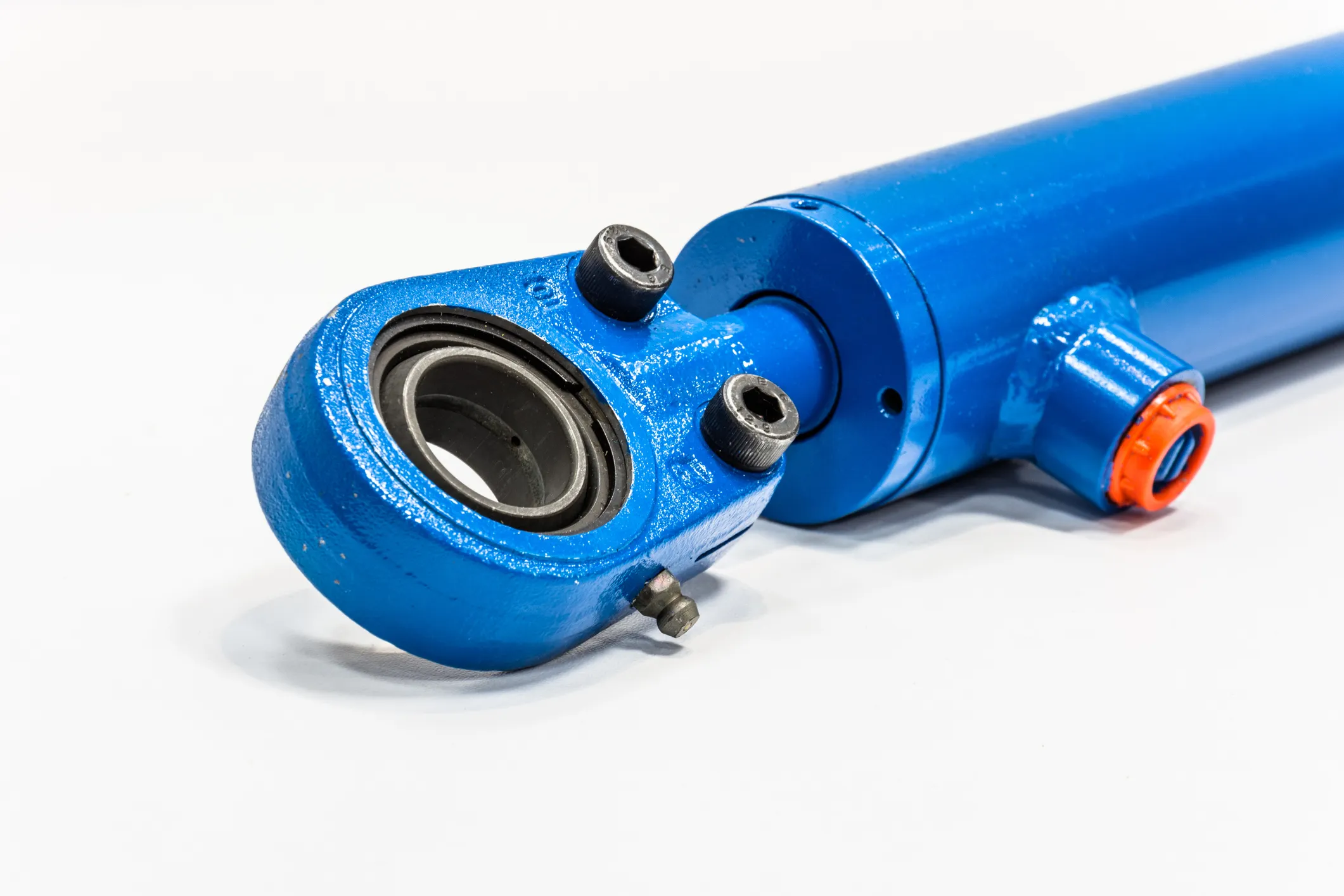
One key principle of double-acting cylinders is the use of hydraulic fluid to transmit force, allowing for precise and consistent movement in industrial machinery and equipment.
Differences from Other Drive Systems
- Hydraulic fluid power transmission
- Bi-directional force generation
- Precision control and flexibility
Components and Structure of Double-Acting Hydraulic Cylinders
A typical double-acting hydraulic cylinder consists of a cylinder barrel, piston, rod, seals, and ports for fluid inlet and outlet. The design and construction of these components are crucial to ensure efficient power transmission and reliable performance.
Design and Construction
The cylinder barrel is precision-machined to accommodate the piston and rod assembly, while high-quality seals prevent fluid leakage and ensure smooth operation. The robust construction of double-acting cylinders allows them to withstand high loads and harsh industrial environments.
Working Principle of Double-Acting Cylinders
Double-acting cylinders operate by using pressurized hydraulic fluid to extend and retract the piston, generating linear force in both directions. The stroke control mechanism ensures precise movement, while the performance characteristics include high load capacity, speed control, and durability.
Force Generation and Stroke Control
The force generated by double-acting cylinders is directly proportional to the hydraulic pressure applied, allowing for precise control of the output force. Stroke control mechanisms regulate the extension and retraction movements, ensuring accurate positioning and performance.
Types of Double-Acting Hydraulic Cylinders
Various types and configurations of double-acting hydraulic cylinders are available, including tie-rod cylinders, welded cylinders, telescopic cylinders, and custom-designed cylinders. Each type offers specific advantages and applications in different industries.
Advantages of Double-Acting Hydraulic Cylinders
- Compact design for space-saving
- High load capacity for heavy-duty tasks
- Robust construction for durability
- Leak resistance for reliable performance
- Cost-effective solution for industrial applications
Applications of Double-Acting Hydraulic Cylinders
Double-acting hydraulic cylinders are widely used in various industries, including construction, manufacturing, transportation, and sectoral applications. These cylinders play a crucial role in machinery and equipment for lifting, pushing, pulling, and controlling movements.
Industry Applications
For example, in the construction industry, double-acting cylinders are used in excavators, cranes, and bulldozers for earthmoving and material handling tasks. In manufacturing, these cylinders are essential for automated machinery and production lines.
Factors to Consider When Selecting Double-Acting Cylinders
When choosing a double-acting cylinder for a specific application, factors such as cylinder size, force calculations, stroke length, inner diameter, and rod diameter must be taken into account. These considerations ensure optimal performance and efficiency in hydraulic systems.
Design Considerations
The selection of the right double-acting cylinder depends on the load requirements, operating conditions, and environmental factors in the application. Proper sizing and configuration are essential for achieving the desired output and reliability.
Sealing Technology and Cylinder Structure
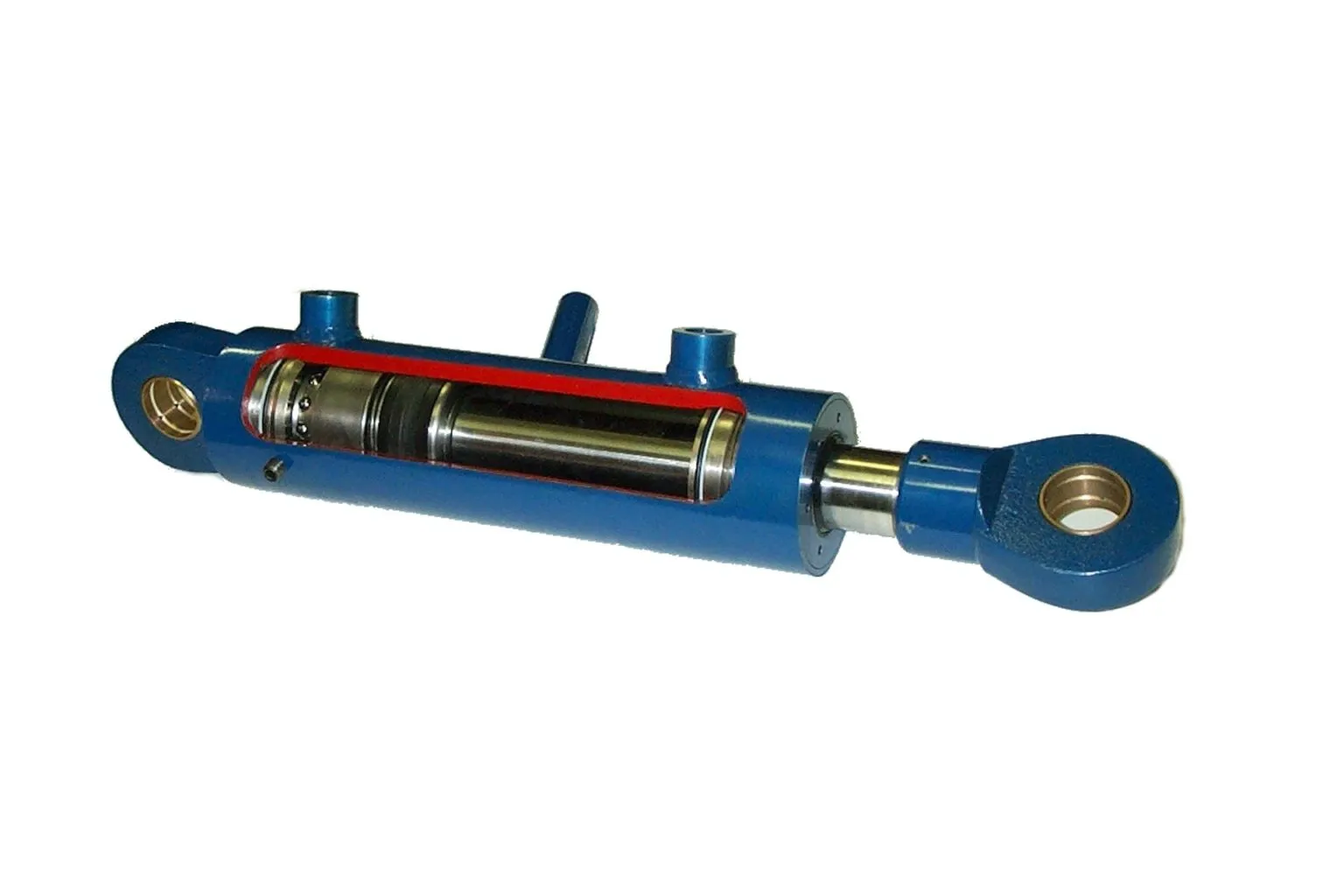
The sealing technology and cylinder structure of double-acting hydraulic cylinders are critical to preventing leaks and ensuring long-term performance. Different sealing materials and structural components are used to enhance the efficiency and reliability of these cylinders.
Importance of Sealing
Seals play a vital role in maintaining fluid integrity and preventing contamination in hydraulic systems. Proper sealing materials and design considerations are essential for minimizing leaks and maintaining hydraulic efficiency.
Control of Cylinder Speed and Movement
Controlling the speed and movement of double-acting cylinders is essential for accurate positioning and performance. Various methods, including adjustable buffering options, are used to regulate the extension and retraction movements, minimizing shock and vibration in hydraulic systems.
Buffering Options
Adjustable buffering allows for precise control of cylinder speed and movement, reducing wear and tear on components and improving overall performance. Proper buffering options enhance the efficiency and reliability of double-acting cylinders in industrial applications.
Maintenance and Preventive Measures
Regular inspection and preventive maintenance are essential for ensuring the longevity and performance of double-acting hydraulic cylinders. By implementing proper maintenance measures, potential issues can be identified and addressed promptly, minimizing downtime and costly repairs.
Preventive Maintenance
Key maintenance tasks include inspecting seals for wear, lubricating moving parts, replacing worn components, and calibrating the cylinder for optimal performance. These preventive measures help extend the service life of double-acting cylinders and prevent unexpected failures.
Installation Guide for Double-Acting Hydraulic Cylinders
Proper installation of double-acting hydraulic cylinders is crucial for optimal performance and safety. Following the manufacturer’s guidelines and recommendations ensures that the cylinder is correctly aligned, connected, and secured in the hydraulic system.
Installation Steps
Installation involves mounting the cylinder securely, connecting hydraulic lines, ensuring proper alignment with the load, and testing the functionality of the cylinder. Proper installation practices are essential for preventing leaks, malfunctions, and safety hazards.
Safety Considerations and Environmental Factors
Safety considerations and environmental factors play a significant role in the operation and maintenance of double-acting hydraulic cylinders. Implementing safety measures and adhering to environmental regulations ensure the safe and sustainable use of hydraulic systems in industrial applications.
Safety Measures
Operators should be trained in safe handling practices, and safety devices should be installed to prevent accidents and injuries. Environmental factors, such as fluid compatibility and disposal, should also be considered to minimize environmental impact and ensure compliance with regulations.
Fault Diagnosis and Common Problems
Diagnosing faults and addressing common problems in double-acting hydraulic cylinders is essential for maintaining optimal performance and reliability. By identifying issues early and implementing effective solutions, downtime and costly repairs can be minimized.
Troubleshooting Tips
Common problems include leaks, seal failures, piston damage, and fluid contamination. By conducting regular inspections, monitoring performance, and following maintenance guidelines, potential issues can be prevented, and cylinder performance can be optimized.
FAQs about Double-Acting Hydraulic Cylinders
Answering common questions about double-acting hydraulic cylinders helps readers understand their functionality and applications better. Here are three frequently asked questions and detailed answers:
1. What is the primary function of double-acting hydraulic cylinders?
Double-acting cylinders generate linear force in both directions by using pressurized hydraulic fluid to extend and retract the piston. This bi-directional force generation allows for precise control and flexibility in various industrial tasks.
2. How do double-acting hydraulic cylinders generate linear force?
The force in double-acting cylinders is generated by pressurized hydraulic fluid acting on the piston, creating a pushing or pulling motion. By regulating the fluid pressure and controlling the stroke length, linear force is generated in both directions for efficient power transmission.
3. What are the advantages of using double-acting hydraulic cylinders over other systems?
Double-acting cylinders offer bi-directional force generation, precise control, high load capacity, and durability, making them ideal for a wide range of industrial applications. Their compact design, leak resistance, and cost-effectiveness further enhance their performance and reliability.
Long-Tail Keywords for Double-Acting Hydraulic Cylinders
1. “High-Performance Double-Acting Hydraulic Cylinders”
These cylinders are designed for optimal efficiency and reliability in industrial applications, offering precise control and flexible operation.
2. “Custom-Designed Double-Acting Hydraulic Cylinders”
Custom-designed cylinders cater to specific requirements and applications, providing tailored solutions for unique tasks in various industries.
3. “Heavy-Duty Double-Acting Hydraulic Cylinders”
These cylinders are built to withstand high loads and harsh conditions, offering robust construction and exceptional performance in demanding environments.
Our Company: Hydraulic Cylinder Replacement Manufacturer
We are a leading hydraulic cylinder replacement manufacturer, offering a complete product line of high-quality double-acting hydraulic cylinders for industrial applications. With professional expertise, international certifications, and customizable services, we cater to the diverse needs of our customers in the domestic and foreign markets.
Our state-of-the-art production equipment, dedicated after-sales service, and commitment to quality and innovation have made us a trusted partner for hydraulic solutions in various industries. From standard configurations to custom designs, we deliver reliable and efficient hydraulic cylinders that meet the highest standards of performance and durability.
Author: lyl