


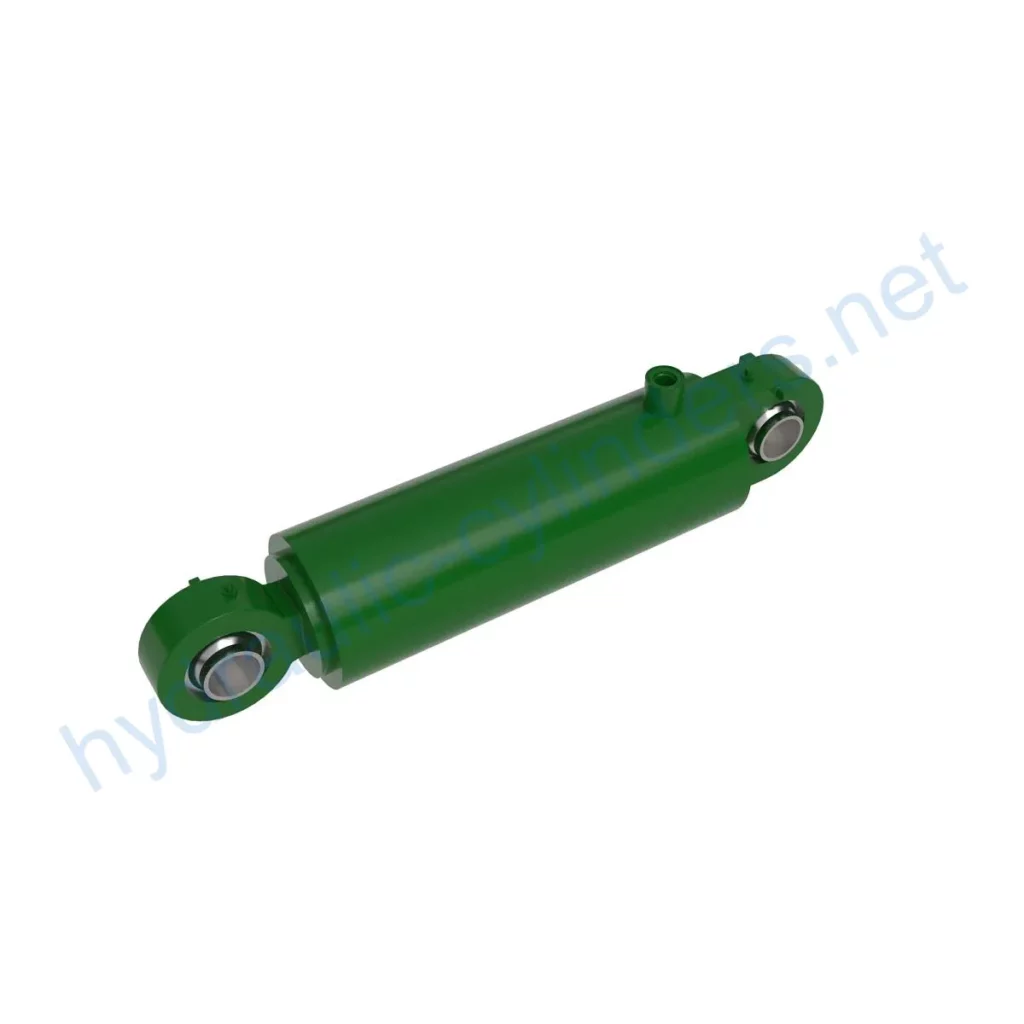
Replacement Of TY22507 Hydraulic Cylinder
The Replacement Of TY22507 Hydraulic Cylinder is a high-quality hydraulic cylinder designed to replace damaged or worn-out cylinders in various applications. With a weight of 35 lb, a height of 4.7 in, a width of 5.5 in, a length of 24.5 in, and a volume of 2.742 gal, this hydraulic cylinder offers reliable performance and durability.
Įvadas
The Replacement Of TY22507 Hydraulic Cylinder is an essential component in hydraulic systems, responsible for converting fluid power into linear motion. It plays a crucial role in various machines and equipment, allowing for precise control and efficient operation.
Specifikacijos ir modeliai
The Replacement Of TY22507 Hydraulic Cylinder is available in different models to cater to specific machine requirements. Each model is carefully designed to ensure compatibility and optimum performance. The specifications of this cylinder include a weight of 35 lb, a height of 4.7 in, a width of 5.5 in, a length of 24.5 in, and a volume of 2.742 gal.
Savybės
-
Pagerintas įrangos našumas
Replacing damaged or worn-out hydraulic cylinders can restore the normal operation of equipment, ensuring optimal performance in various applications.
-
Patobulintas saugumas
Regularly replacing hydraulic cylinders can minimize safety hazards caused by cylinder failures, ensuring the safety of operators and equipment.
-
Apsauga nuo perkrovos
Naujuose cilindrų projektuose dažnai yra geresni apsaugos nuo perkrovų mechanizmai, kurie padidina saugumą eksploatacijos metu.
-
Greitas diegimas
Šiuolaikiniai hidrauliniai cilindrai yra sukurti taip, kad juos būtų lengva sumontuoti ir pakeisti, taip sumažinant prastovas ir pagerinant efektyvumą.
-
Standartizuoti komponentai
Daugelis hidraulinių cilindrų yra standartizuoti gaminiai, todėl rinkoje lengviau gauti atsarginių dalių.
Paraiškos
The Replacement Of TY22507 Hydraulic Cylinder finds applications in various industries and machines, including:
-
Ekskavatoriai
In excavators, hydraulic cylinders in the boom or bucket may get damaged due to prolonged use or overloading, requiring replacement to restore proper operation.
-
Kranai
The hydraulic cylinders in crane booms are subject to wear during frequent lifting and lowering processes. Regular replacement is necessary to ensure safety.
-
Traktoriai
The front loader hydraulic cylinders in tractors can develop leaks or decreased performance due to continuous lifting and tilting operations, necessitating replacement.
-
Derliaus nuėmimo mašinos
In harvesting operations, hydraulic cylinders endure high pressure in the hydraulic system. Fatigue can lead to cylinder failure, requiring timely replacement to maintain efficiency.
-
Automatizuotos gamybos linijos
Hidrauliniai cilindrai naudojami robotinėms rankoms ir kitai automatizuotai įrangai valdyti. Cilindro gedimas gali smarkiai paveikti gamybos efektyvumą ir jį reikia nedelsiant pakeisti.
-
Liejimo mašinos
In high-pressure and high-temperature environments, hydraulic cylinders in die casting machines may experience decreased performance. Regular replacements ensure product quality.
-
Kasybos įranga
Hydraulic cylinders are used for lifting and moving heavy loads in mining equipment. Regular inspections and replacements are necessary to avoid equipment failures in harsh working conditions.
-
Buldozeriai
Worn hydraulic cylinders in the bulldozer’s blade can result in decreased pushing capabilities. Timely replacement is essential to maintain operational efficiency.
Priežiūros užduotys
To ensure the longevity and optimal performance of the Replacement Of TY22507 Hydraulic Cylinder, the following maintenance tasks should be performed:
-
Reguliarūs patikrinimai
Inspect the hydraulic cylinder periodically for any signs of damage, leaks, or abnormal wear. Promptly address any issues that may arise.
-
Tinkamas tepimas
Apply the appropriate amount of hydraulic oil to ensure smooth operation and prevent excessive wear. Follow the manufacturer’s recommendations for lubrication intervals and oil type.
-
Tarpiklių keitimas ir kalibravimo patikrinimai
Replace worn seals to maintain proper sealing and prevent leaks. Regularly check and calibrate the cylinder to ensure accurate performance.
Saugos aspektai ir aplinkos veiksniai
When using hydraulic cylinders, it is crucial to follow safety measures to prevent accidents and ensure the well-being of operators and the environment. These safety precautions include:
- Adhering to proper operating procedures and guidelines
- Using appropriate personal protective equipment
- Regularly inspecting hydraulic systems for potential hazards
- Properly disposing of used hydraulic fluids and components
Trikčių šalinimas ir dažniausiai pasitaikančios problemos
When encountering problems with the Replacement Of TY22507 Hydraulic Cylinder, the following troubleshooting steps can help diagnose and resolve common issues:
-
Nuotėkis
If the cylinder is leaking, check the seals and connections for damage or improper installation. Replace any faulty components and ensure proper sealing.
-
Lėtas arba nenuoseklus veikimas
If the cylinder operates slowly or inconsistently, check for insufficient lubrication or contamination. Ensure the hydraulic system is properly maintained and free from debris.
-
Galios trūkumas
If the cylinder lacks power, it may indicate a problem with the hydraulic system, such as low hydraulic fluid levels or a malfunctioning pump. Inspect and address any issues accordingly.
For more complex issues or if unsure, it is recommended to consult a qualified technician or contact our company for assistance.


Projektavimo aspektai ir atrankos kriterijai
When selecting and designing hydraulic cylinders, several factors should be taken into account to ensure optimal performance and longevity:
-
Apkrovos pajėgumas
The hydraulic cylinder should be capable of handling the expected load without compromising safety or performance.
-
Sandarumas ir ilgaamžiškumas
The use of high-quality seals and durable materials ensures proper sealing and long-lasting performance.
-
Saugumas
Carefully consider safety features and design elements to prevent accidents and protect operators.
-