
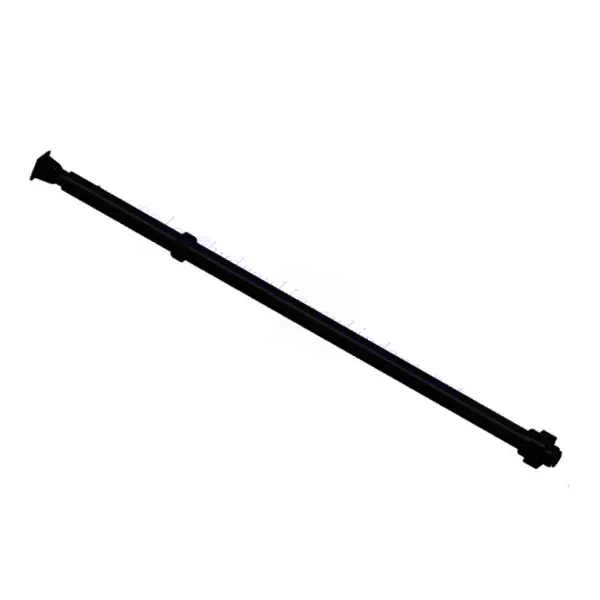
Wave/ Tide Power Generation Equipment Cylinder
Kaip vienas iš hidraulinių cilindrų gamintojų, tiekėjų ir mechaninių produktų eksportuotojų, mes siūlome hidraulinius cilindrus ir daugelį kitų produktų.
Susisiekite su mumis dėl išsamesnės informacijos.
Paštas:sales@hydraulic-cylinders.net
Hidraulinių cilindrų gamintojas, tiekėjas ir eksportuotojas.
Wave/ Tide Power Generation Equipment Cylinder
The wave/tide power generation equipment cylinder is a revolutionary component in renewable energy. Explicitly designed for wave and tidal power generation systems, this specialized hydraulic cylinder plays a crucial role in converting the kinetic energy of ocean waves and tides into electrical power. Let’s explore this innovative cylinder’s features, usage methods, and maintenance.
The wave/tide power generation equipment cylinder is a game-changer in renewable energy generation. Its robust construction, high efficiency, and adjustable stroke length optimize the conversion of ocean wave and tidal energy into electrical power. By following the recommended usage methods and implementing regular maintenance practices, users can maximize the performance, longevity, and reliability of their wave and tidal power generation systems. The wave/tide power generation equipment cylinder is a significant advancement in sustainable energy technology, contributing to a greener and more sustainable future by harnessing the immense power of the oceans.
Wave/ Tide Power Generation Equipment Cylinder Key Characteristics:
- Robust Construction: The cylinder is built with high-quality materials and a complete design to withstand the challenging conditions of wave and tidal power generation. Its sturdy construction ensures durability and longevity, even in corrosive marine environments.
- High Efficiency: The cylinder is engineered to efficiently capture energy from ocean waves and tides, maximizing power generation potential. Its design optimizes converting hydraulic energy into electrical energy, delivering high-efficiency performance.
- Variable Stroke Length: The cylinder offers adjustable stroke length, allowing operators to optimize power output based on specific wave or tidal conditions. This flexibility enables efficient energy capture across various wave and tide intensities.
Wave/ Tide Power Generation Equipment Cylinder Parameter:
| Produkto pavadinimas | Wave/ Tide Power Generation Equipment Cylinder |
| Savybės: | Convert wave energy into hydraulic energy to push the hydraulic cylinders to move. The high-pressure oil then drives the electric motor to generate electricity, which is finally converted into electrical energy. |
| Skylės skersmuo: | Up to 250mm |
| Strypo skersmuo: | Up to 190mm Stroke up to 4800mm |
| Slėgis: | up to 31.5MPa |
| Paraiškos: | Wave/ Tide Power Generation |
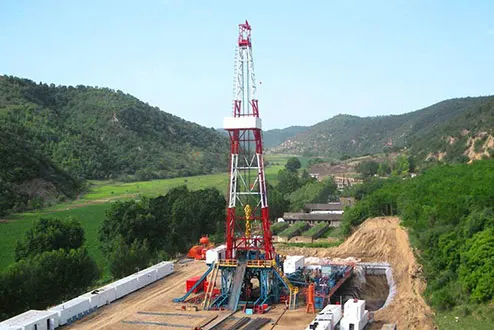
Wave/ Tide Power Generation Equipment Cylinder Application:
Usage Method Of Wave/ Tide Power Generation Equipment Cylinder:
System Integration: The wave/tide power generation equipment cylinder is typically integrated into a more extensive power generation system. Follow these steps for practical usage:
a. Install the Cylinder: Securely mount the cylinder within the wave or tidal power generation structure, ensuring proper alignment and connection to the hydraulic system.
b. Hydraulic System Configuration: Connect the cylinder to the hydraulic system, ensuring all connections are secure and leak-free.
c. Monitor and Control: Utilize the control interface or software to monitor and control the Cylinder’s stroke length and operation in real time. Adjust the stroke length to maximize power output based on prevailing wave or tidal conditions.
How To Balance Two Hydraulic Cylinders?
Balancing two hydraulic cylinders involves adjusting their pressure and flow rates to ensure equal and synchronized operation. Here is a general guide on how to balance two hydraulic cylinders:
- Check Cylinder Specifications:
- Ensure the two hydraulic cylinders have the exact specifications, including bore size, stroke length, and load capacity. Matching cylinders will facilitate easier balancing.
- Connect Hydraulic Lines:
- Connect the hydraulic lines of both cylinders to a standard hydraulic power source or manifold. This will enable the cylinders to receive the same hydraulic fluid supply.
- Adjust Pressure Relief Valves:
- Locate the pressure relief valves on each cylinder’s hydraulic circuit.
- Start by setting the pressure relief valve of one cylinder to a relatively low-pressure setting.
- Gradually increase the pressure of the other cylinder’s relief valve until both cylinders operate at the desired pressure level.
- Observe Cylinder Movement:
- Activate the hydraulic power source or manifold to supply fluid to both cylinders.
- Observe the movement of the cylinders and check if they extend and retract at the same rate.
- If one cylinder extends or retracts faster than the other, adjust the pressure relief valves accordingly to balance the movement.
- Fine-Tuning:
- Make slight adjustments to the pressure relief valves to achieve equal and synchronized movement of the cylinders.
- Monitor the cylinder behavior closely and make incremental adjustments until both cylinders operate in perfect balance.
- Test Under Load:
- If the cylinders will be used to lift or move loads, perform a load test to maintain the balance under working conditions.
- Apply a known load to both cylinders simultaneously and observe their performance.
- Readjust the pressure relief valves to restore balance if any discrepancies are noticed.
- Reguliarus techninis aptarnavimas:
- Periodically inspect and maintain the hydraulic system, including the cylinders, valves, and hydraulic lines, to ensure optimal performance and to prevent any imbalances from developing over time.
Gamyklos pajėgumai ir talpa:
(1) Surinkimas
Turime pirmos klasės nepriklausomą tyrimų ir plėtros surinkimo platformą. Hidraulinių cilindrų gamybos ceche yra keturios pusiau automatinės kėlimo cilindrų surinkimo linijos ir viena automatinė pakreipimo cilindrų surinkimo linija, kurių projektinis metinis gamybos pajėgumas yra 1 milijonas vienetų. Specialiųjų cilindrų ceche įrengta įvairių specifikacijų pusiau automatinė valymo surinkimo sistema, kurios projektinis metinis gamybos pajėgumas yra 200 000 vienetų, ir garsi CNC apdirbimo įranga, apdirbimo centras, didelio tikslumo cilindrų apdirbimo speciali įranga, robotinis suvirinimo aparatas, automatinis valymo aparatas, automatinis cilindrų surinkimo aparatas ir automatinė dažymo gamybos linija. Esama daugiau nei 300 rinkinių (komplektų) kritinė įranga. Optimalus įrangos išteklių paskirstymas ir efektyvus naudojimas užtikrina gaminių tikslumo reikalavimus ir aukštus gaminių kokybės poreikius.


(2) Apdirbimas
Mechaninio apdirbimo ceche įrengtas pritaikytas nuožulnaus bėgio tekinimo centras, apdirbimo centras, greitaeigis galandimo staklės, suvirinimo robotas ir kita susijusi įranga, galinti apdirbti cilindrinius vamzdžius, kurių maksimalus vidinis skersmuo yra 400 mm, o maksimalus ilgis – 6 metrai.

(3) Suvirinimas

(4) Dažymas ir dengimas
Su mažomis ir vidutinio dydžio cilindrinėmis automatinėmis vandens pagrindo dažų dengimo linijomis, siekiant automatinio robotų pakrovimo ir iškrovimo bei automatinio purškimo, projektinis pajėgumas yra 4000 vienetų per pamainą;
Taip pat turime pusiau automatinę didelių cilindrų dažų gamybos liniją, varomą grandinės, kurios projektinis našumas yra 60 dėžių per pamainą.


(5) Testavimas
Turime aukščiausios klasės patikros patalpas ir bandymų stendus, kad užtikrintume, jog baliono veikimas atitinka reikalavimus.

Esame vienas geriausių hidraulinių cilindrų gamintojų. Galime pasiūlyti išsamius hidraulinius cilindrus. Taip pat teikiame atitinkamus žemės ūkio pavarų dėžėsMes eksportuojame savo gaminius klientams visame pasaulyje ir pelnėme gerą reputaciją dėl aukščiausios gaminių kokybės ir aptarnavimo po pardavimo. Mes laukiame klientų šalyje ir užsienyje, norinčių susisiekti su mumis derėtis dėl verslo, keistis informacija ir... bendradarbiauti su mumis!
Hidraulinio cilindro pritaikymas:

 LT
LT  EN
EN  PT
PT  ES
ES  DE
DE  FR
FR  IT
IT  AR
AR  ZH
ZH  RU
RU  KO
KO  KA
KA  BG
BG  CS
CS  DA
DA  EL
EL  ET
ET  FI
FI  HU
HU  ID
ID  LV
LV  NB
NB  NL
NL  PL
PL  RO
RO  SK
SK  SL
SL  SV
SV  TR
TR  UK
UK