


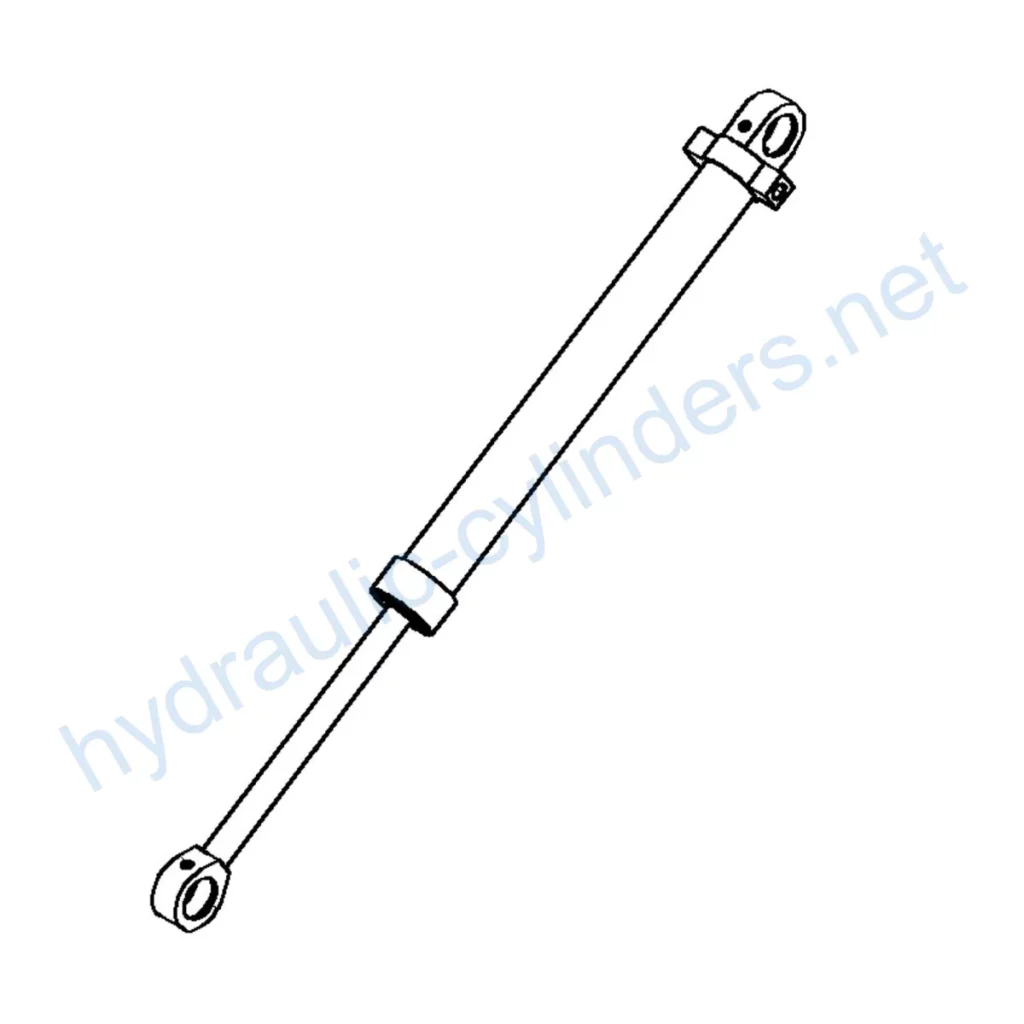
Replacement Of T415709 Hydraulic Cylinder Rod
The Replacement Of T415709 Hydraulic Cylinder Rod is a vital component used in various hydraulic systems. It is designed to provide smooth and reliable operation, allowing for efficient movement of heavy equipment. With its exceptional strength and durability, this hydraulic cylinder rod ensures optimal performance and longevity.
Specifikācijas
- Weight: 39.61 lb
- Augstums: 2,4 collas
- Platums: 5 collas
- Garums: 46 collas
Saderīgi modeļi
- 120D
- 130P
- 130G
- 135D
- 135G
Galvenās iezīmes
- Improved Equipment Performance: Replacing damaged or worn hydraulic cylinders can restore the normal operation of equipment and ensure its performance in various applications.
- Paaugstināta drošība: Regulāra hidraulisko cilindru nomaiņa samazina cilindru bojājumu radītos drošības apdraudējumus, nodrošinot operatoru un aprīkojuma drošību.
- Pārslodzes aizsardzība: Jaunās cilindru konstrukcijas bieži vien ietver labākus pārslodzes aizsardzības mehānismus, tādējādi uzlabojot drošību.
- Ātra uzstādīšana: Mūsdienu hidrauliskie cilindri ir paredzēti vienkāršai uzstādīšanai un nomaiņai, tādējādi samazinot dīkstāves laiku.
- Standartizētas sastāvdaļas: Daudzi hidrauliskie cilindri ir standartizēti produkti, kas atvieglo rezerves daļu iegūšanu tirgū.
We specialize in manufacturing replacement hydraulic cylinders that perfectly match the specifications of the mentioned models. Our products are engineered to provide an excellent alternative to the original cylinders, ensuring seamless compatibility and reliable performance.
Pieteikumi
- Excavators: The hydraulic cylinders in excavators’ arms or buckets may get damaged due to extended use or overload, requiring replacement to restore normal operation.
- Cranes: The hydraulic cylinders in crane booms are prone to wear during frequent lifting and lowering processes, necessitating regular replacement to ensure safety.
- Tractors: The hydraulic cylinders in front-end loader attachments of tractors may leak or experience performance decline during continuous lifting and tilting operations, requiring replacement.
- Harvesters: Hydraulic cylinders in harvesting equipment experience high pressure during operation, and fatigue damage may occur, necessitating timely replacement to maintain work efficiency.
- Automatizētas ražošanas līnijas: Hidrauliskos cilindrus izmanto robotizētu roku un cita automatizēta aprīkojuma vadībai. Cilindra atteice var būtiski ietekmēt ražošanas efektivitāti, radot nepieciešamību pēc tūlītējas nomaiņas.
Regular inspection, proper lubrication, seal replacement, and calibration checks are common maintenance tasks that ensure the longevity of hydraulic cylinders. During installation, providing proper alignment guidance and recommending the use of suitable mounting brackets to secure the cylinders are of utmost importance. We offer recommended inspection, repair, and replacement procedures, as well as part replacements and rebuilding services to enhance the lifespan of the mentioned hydraulic cylinders.
Safety considerations and environmental factors play a crucial role in the usage of hydraulic cylinders. Implementing safety measures when using the cylinders is essential to prevent accidents and ensure operator well-being. Additionally, addressing potential faults and common issues is vital in troubleshooting hydraulic cylinder problems. We provide troubleshooting tips, effective solutions, and preventive measures to assist readers in diagnosing and resolving issues, minimizing potential problems.

When it comes to the design considerations and selection criteria of hydraulic cylinders, several factors are crucial. These include load-bearing capacity, sealing effectiveness, durability, safety, and ease of maintenance. Each aspect plays a significant role in ensuring optimal performance and reliability.
Sealing and lubrication are essential for hydraulic cylinders. Using various sealing components such as piston seals and rod seals made of wear-resistant materials like polyurethane and nitrile rubber, along with finely treated cylinder body and threaded ends, improves wear resistance. Regular lubrication with the appropriate amount of hydraulic oil is necessary for proper lubrication.
Regular inspections and preventive maintenance measures are essential to ensure the longevity of hydraulic cylinders. Proper installation, lubrication, and adjustment are crucial in maximizing performance. Providing accurate guidance for cylinder alignment, recommending suitable installation supports, and offering inspection, repair, and replacement procedures, as well as part replacements and rebuilding services, enhance the lifespan of the mentioned hydraulic cylinders.
Instalēšanas rokasgrāmata:
- Pārliecinieties, ka montāžas virsma ir tīra un bez gružiem.
- Align the cylinder with the mounting holes and ensure proper alignment.
- Use suitable mounting brackets or supports to secure the cylinder firmly.
- Pievelciet stiprinājuma skrūves līdz norādītajam griezes momentam.
- Inspect the cylinder for any leaks or abnormalities after installation.
Safety considerations are paramount when using hydraulic cylinders. Implementing proper safety measures, such as using appropriate personal protective equipment, following recommended operating procedures, and conducting regular safety training, is crucial to prevent accidents and ensure the well-being of operators and bystanders.
Kļūmju diagnostika un bieži sastopamās problēmas
- Leakage: Hydraulic cylinder leakage can occur due to worn seals, damaged rods, or loose fittings. Regular inspection and seal replacement are essential to address this issue.
- Slow Operation: Slow cylinder operation may be caused by insufficient hydraulic pressure, worn components, or contamination. Troubleshooting methods include checking hydraulic system pressure, inspecting and replacing worn parts, and ensuring system cleanliness.
- Noise and Vibration: Excessive noise and vibration may indicate misalignment, loose fittings, or worn components. Proper alignment, tightening of fittings, and replacing worn parts can resolve this issue.
- Insufficient Force: Insufficient force can be caused by low hydraulic pressure, worn seals, or insufficient lubrication. Checking hydraulic pressure, replacing worn seals, and ensuring proper lubrication can solve this problem.
- Uneven Movement: Uneven movement of the hydraulic cylinder may result from misalignment, uneven load distribution, or worn components. Proper alignment, load balancing, and replacing worn parts can address this issue.
By following the provided troubleshooting tips and solutions, readers can effectively diagnose and resolve hydraulic cylinder problems. Additionally, we recommend implementing preventive measures, such as regular inspection, proper lubrication, and maintenance, to minimize potential issues and ensure optimal performance.
Dizaina apsvērumi un atlases kritēriji
When it comes to designing hydraulic cylinders, several factors are taken into consideration to ensure optimal performance and reliability:
Nestspēja:
The hydraulic cylinder must be capable of withstanding the expected loads during operation, ensuring safe and efficient equipment movement.
Sealing Effectiveness:
Efficient sealing is essential to prevent hydraulic fluid leakage and maintain proper cylinder operation. Seals made of durable materials like polyurethane and nitrile rubber are commonly used for effective sealing.
Izturība:
The hydraulic cylinder should be designed to withstand the