

Arm CylinderFor Hitachi Wheel Excavator ZX170W-3
Kā viens no hidraulisko cilindru ražotājiem, piegādātājiem un eksportētājiem, mēs piedāvājam hidrauliskos cilindrus un daudzus citus produktus.
Lūdzu, sazinieties ar mums, lai saņemtu sīkāku informāciju.
Pasts:sales@hydraulic-cylinders.net
Hidraulisko cilindru ražotājs, piegādātājs, eksportētājs.
Arm Cylinder for Hitachi Wheel Excavator ZX170W-3
Ievads
The Arm Cylinder for Hitachi Wheel Excavator ZX170W-3 is a specialized hydraulic cylinder designed to provide linear motion and power to the arm of various machinery such as excavators, cranes, and mechanical arms. The arm cylinder plays a crucial role in hydraulic systems, enabling the efficient movement and control of additional tools or attachments. These cylinders not only ensure smooth motion but also withstand heavy loads, ensuring high efficiency and reliability of the machinery in various operating conditions.
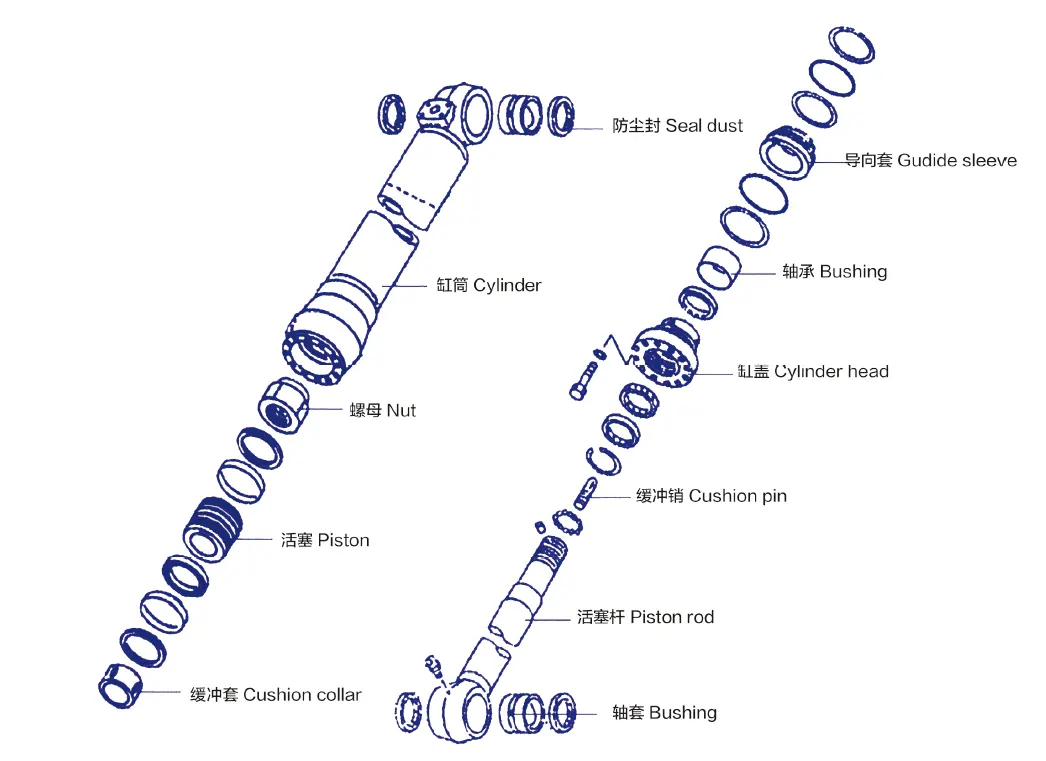
Funkcijas
-
High-efficiency Transmission
Sviras cilindrs nodrošina jaudīgu lineāru kustību un spēku, garantējot mehāniskās sviras augstu veiktspēju dažādās darbībās.
-
Precīza kontrole
Through the hydraulic system, the arm cylinder enables accurate motion control, making the operation of additional tools more flexible and precise.
-
Izturība
Sviras cilindrs parasti ir izgatavots no augstas izturības materiāliem, kas nodrošina izcilu nodilumizturību un izturību pret koroziju, padarot to piemērotu ilgstošai lietošanai skarbos apstākļos.
-
Daudzpusīga pielāgošanās spēja
These cylinders can be widely applied to various machinery such as excavators, cranes, and mechanical arms, adapting to different work requirements.
-
Vienkārša apkope
Projektējot ņemta vērā apkopes un nomaiņas vienkāršība, padarot regulāru pārbaudi un apkopi ērtāku, samazinot iekārtu dīkstāves laiku.

Pieteikumi
1. Būvniecības inženierija
Ekskavatoros un celtņos sviras cilindrs kontrolē kausu vai strēles kustību zemes darbos, materiālu apstrādē un konstrukciju uzstādīšanā.
2. Ražošanas nozare
In automated production lines, the arm cylinder is used for the motion of mechanical arms in processes such as assembly, welding, and handling, enhancing production efficiency and accuracy.
3. Lauksaimniecības tehnika
Lauksaimniecības tehnikā, piemēram, kombainos un sējmašīnās, sviras cilindrs kontrolē vadības sviru kustību tādiem uzdevumiem kā sēšana, mēslošana un ražas novākšana.
4. Kalnrūpniecība
Kalnrūpniecības iekārtās rokas cilindrs kontrolē kalnrūpniecības mašīnu rokas kustību rūdas ieguvei un transportēšanai.
5. Loģistika un transports
Iekrāvējos un apstrādes robotos rokas cilindrs kontrolē dakšu pacelšanu un kustību, nodrošinot materiālu apstrādi un sakraušanu.

Dizaina apsvērumi un atlases kritēriji
Projektējot cilindra sviras, jāņem vērā vairāki galvenie faktori:
-
Nestspēja
Sviras cilindram jābūt konstruētam tā, lai tas izturētu paredzamās slodzes un spēkus, lai nodrošinātu drošu un efektīvu darbību.
-
Blīvēšana
Various sealing components, such as piston seals and rod seals, should be used, preferably made of wear-resistant materials like polyurethane and nitrile rubber. The cylinder body and threaded ends should undergo precise treatment to enhance wear resistance. Regular lubrication with hydraulic oil is necessary for smooth operation.
-
Izturība
The arm cylinder should be made of durable materials with excellent resistance to wear and corrosion to withstand harsh operating conditions.
-
Drošība
Safety features should be incorporated into the design, such as pressure relief valves or overload protection mechanisms, to prevent accidents or damage to the machinery.
-
Uzturamība
The design should consider ease of maintenance and repair, allowing for convenient inspections and minimizing downtime.

Regulāra pārbaude un profilaktiskā apkope
- Regularly inspect the arm cylinder for any signs of leaks, damage, or abnormal wear. Address any issues promptly to prevent further damage and ensure optimal performance.
- Check and replace worn or damaged seals and components regularly to maintain proper sealing and prevent fluid leakage.
- Ensure the arm cylinder is properly lubricated with the recommended hydraulic oil at the specified intervals to reduce friction and ensure smooth operation.
- Verify the tightness of all connections and fasteners to prevent potential leaks or loosening during operation.
- Follow the manufacturer’s guidelines for maintenance and conduct periodic inspections to identify any potential issues before they escalate.
Produkta uzstādīšanas rokasgrāmata
Follow these steps to properly install the arm cylinder:
- Pārliecinieties, vai iekārta ir izslēgta un hidrauliskajā sistēmā nav spiediena.
- Remove the old arm cylinder if necessary, carefully disconnecting any hydraulic lines or fittings.
- Inspect the mounting points and mating surfaces for any damage or debris. Clean and prepare them as needed.
- Position the new arm cylinder in place, aligning the mounting holes with the corresponding points on the machinery.
- Securely fasten the arm cylinder to the machinery using the appropriate bolts or pins, ensuring proper alignment.
- Reconnect any hydraulic lines or fittings, following the manufacturer’s specifications for torque and tightness.
- Test the arm cylinder’s functionality by gradually pressurizing the hydraulic system and checking for proper operation.
- Inspect for any leaks or abnormal behavior. Address any issues before putting the machinery back into service.

Drošības apsvērumi un vides faktori
When working with arm cylinders, it is essential to prioritize safety measures:
- Follow all safety guidelines provided by the manufacturer for the specific machinery and hydraulic system.
- Use appropriate personal protective equipment (PPE) when working with hydraulic systems, including gloves, safety glasses, and protective clothing.
- Regularly inspect the arm cylinder and hydraulic system for any potential safety hazards, such as leaks or damaged components.
- Train operators and maintenance personnel on proper handling and operation of the machinery to minimize the risk of accidents or injuries.
- Dispose of used hydraulic fluids and components in accordance with local environmental regulations to prevent pollution and protect the environment.
Problēmu novēršana un bieži sastopamas problēmas
Bieži sastopamas problēmas, kas var rasties ar sviras cilindriem, ir šādas:
- Leaking hydraulic fluid: Inspect and replace worn or damaged seals to ensure proper sealing and prevent fluid leakage.
- Abnormal noises during operation: Check for loose connections or worn components and address them promptly to avoid further damage.
- Inconsistent or loss of movement: Verify the hydraulic system pressure and flow, and inspect for any blockages or restrictions in the lines.
For troubleshooting and resolving these issues, consider the following:
- Refer to the manufacturer’s documentation for specific troubleshooting steps and recommended solutions.
- Consult with a qualified hydraulic technician or contact the manufacturer’s customer support for assistance.
- Regularly maintain and inspect the arm cylinder to identify
Hidrauliskā cilindra pielietojums:

 LV
LV  EN
EN  PT
PT  ES
ES  DE
DE  FR
FR  IT
IT  AR
AR  ZH
ZH  RU
RU  KO
KO  KA
KA  BG
BG  CS
CS  DA
DA  EL
EL  ET
ET  FI
FI  HU
HU  ID
ID  LT
LT  NB
NB  NL
NL  PL
PL  RO
RO  SK
SK  SL
SL  SV
SV  TR
TR  UK
UK