


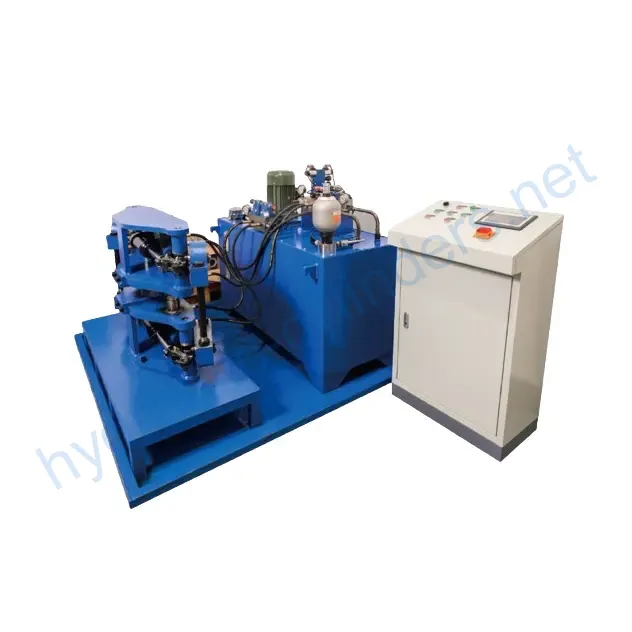
Non-standard Hydraulic System
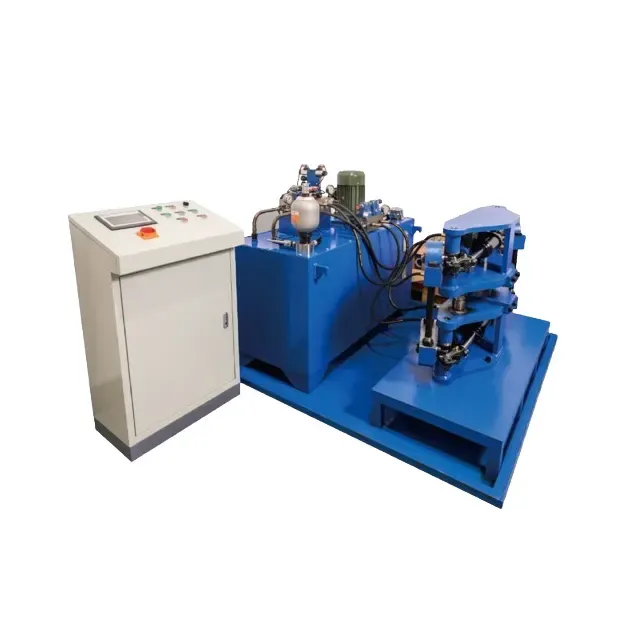
A Non-Standard Hydraulic System delivers customized solutions designed to meet specific industrial needs. Unlike standard hydraulic systems that adhere to fixed specifications, non-standard systems adapt seamlessly to unique operational requirements. This flexibility proves invaluable across various applications, from manufacturing to construction.
By offering tailored solutions, a Non-Standard Hydraulic System enhances operational efficiency in multiple industries. Its customizable design, robust performance, and cutting-edge technology make it an essential asset for businesses aiming to optimize their hydraulic operations. Understanding its key characteristics, effective usage methods, and maintenance requirements enables operators to ensure reliable and efficient system performance, ultimately boosting productivity and driving success.
Non-standard Hydraulic System Technical Parameter:
·Working pressure 0~35MPa
·System flow motor power and hydraulic circuit can be customized as required:
·Working medium: 46 # antiwear hydraulic fluid is recommended. and 68 # antiwear hydraulic fluid is recommended in high-temperature areas.
Key Features of Non-standard Hydraulic System:
- The company is committed to the professional design and manufacture of various non-standard hydraulic systems to meet the final needs of customers;
- The manifold block can be configured according to the system simplifying the system piping and making it easy to install and maintain;
- Compact structural beautiful appearance and small overall layout space;
- Use all kinds of high-grade hydraulic valves (which can be customized according to customers’ needs) with reliable performance;
- Coolers, heaters, accumulators, etc. can be provided;
- Electrical control devices can be provided;
Customized instructions of Non-standard Hydraulic System:
·Customize according to the hydraulicschematic: If you have a hydraulic schematic please provde it. Check that the schematic you provided is complete and correct and we will make product according to the schematic.
· Without hydraulic schematic: Please provide the relevant information and parameters for the working cycle, and we will confirm with you according to your requirements before configuring the products for you.
·Custom-made according to samples: If you want to configure the system according to the samples or make changes based on the samples, please contact us to see the samples or provide us with clear photos of the hydraulic system (the typesof the components should be photographed separately to dearly identify them), and then we will configure the hydrauic system according to the contents of the pictures.
Implementation Steps for a Non-Standard Hydraulic System:
Implementing a Non-Standard Hydraulic System requires careful planning and execution. Here’s a detailed look at the essential steps involved:
1. Assessment
Start with a comprehensive evaluation of your specific needs and operational challenges. This step is crucial for laying the foundation of a successful hydraulic system.
- Identify Load Requirements: Determine the weight and type of loads your system will handle. Understanding these requirements ensures the system can perform effectively under pressure.
- Analyze Space Constraints: Assess the physical space available for installation. Consider height, width, and accessibility to ensure the system fits comfortably without hindering operations.
- Evaluate Environmental Factors: Take note of the operating environment, including temperature, humidity, and potential exposure to corrosive substances. These factors influence the choice of materials and components to ensure durability.
2. Design
The design phase is where your ideas take shape. Collaborate closely with a hydraulic engineer to create a tailored system that meets your specifications.
- Component Selection: Choose high-quality components that align with your operational needs. This may include pumps, valves, cylinders, and hoses, all selected for optimal performance and compatibility.
- Layout Planning: Design an efficient layout that minimizes pressure losses and maximizes flow. A well-planned configuration enhances system responsiveness and reduces wear on components.
- Integration of Technology: Consider incorporating advanced technologies, such as IoT sensors for real-time monitoring. This integration can provide valuable insights into system performance and help with predictive maintenance.
3. Installation
Once the design is finalized, move on to the installation phase. This step is critical to ensure the system operates as intended.
- Component Compatibility: Double-check that all components are compatible with each other. This compatibility is essential for seamless operation and to avoid future complications.
- Precision Calibration: Carefully calibrate each component during installation. Proper calibration ensures that the system functions efficiently and reduces the risk of failures.
- Safety Protocols: Implement safety measures during installation, such as using protective gear and following proper procedures. Safety should always be a priority to protect workers and equipment.
4. Testēšana
After installation, thorough testing is essential to confirm that the system operates as designed. This step validates the effectiveness of your non-standard hydraulic system.
- Performance Monitoring: Conduct tests under various loads and conditions to assess system performance. Pay attention to pressure levels, flow rates, and response times.
- Identify Issues Early: Look for any signs of leaks, unusual noises, or performance anomalies during testing. Early detection of issues allows for prompt adjustments before full-scale operation.
- Dokumentācija: Record all test results and observations. This documentation serves as a reference for future maintenance and helps identify patterns that could indicate potential problems.
By following these detailed steps—assessment, design, installation, and testing—you can effectively implement a Non-Standard Hydraulic System that meets your unique industrial needs. This thorough approach not only ensures operational efficiency but also enhances the longevity and reliability of your hydraulic solutions.
What Are The Key Advantages Of Using A Non-Standard Hydraulic System Over A Standard Hydraulic System?
Here are the key advantages of using a Non-Standard Hydraulic System over a standard hydraulic system, each expanded for greater clarity and engagement:
1. Customization
Non-standard hydraulic systems provide tailored solutions specifically designed for your operational needs. This customization allows you to:
- Address Unique Challenges: Whether dealing with specific load requirements or unique spatial constraints, these systems ensure that every aspect of your operation is considered.
- Optimize Performance: By aligning the system design with your exact requirements, you enhance efficiency and productivity, ultimately achieving better results.
2. Flexibility
Flexibility is a hallmark of non-standard hydraulic systems. These systems can:
- Adapt to Various Applications: They can handle diverse tasks across multiple industries, from heavy machinery in construction to precise operations in manufacturing.
- Evolve with Your Needs: As your operational demands change, non-standard systems can be reconfigured or upgraded, ensuring continued relevance and effectiveness.
3. Enhanced Efficiency
Non-standard hydraulic systems are designed for peak performance, leading to:
- Reduced Energy Consumption: By optimizing components and configurations, these systems often consume less energy, translating to cost savings.
- Improved Response Times: Customized designs can enhance system responsiveness, allowing for quicker adjustments to changing operational conditions, which boosts overall efficiency.
4. Advanced Technology Integration
Incorporating the latest technology is a significant benefit of non-standard hydraulic systems:
- Real-Time Monitoring: With IoT sensors and automated controls, you can monitor system performance in real time, enabling proactive adjustments and minimizing downtime.
- Data-Driven Insights: Advanced technology provides valuable data that helps in predictive maintenance, allowing you to address potential issues before they escalate.
5. Increased Reliability
Reliability is critical for any hydraulic system, and non-standard systems excel in this area:
- Minimized Risk of Failure: By addressing specific needs and potential vulnerabilities, these systems significantly reduce the likelihood of breakdowns.
- Consistent Performance: Tailored solutions ensure that every component works harmoniously, leading to smooth, uninterrupted operation and increased productivity.
6. Scalability
Scalability is a vital advantage for growing businesses:
- Easy Modifications: Non-standard hydraulic systems can be adapted or expanded to accommodate new processes or equipment, ensuring that your investment continues to serve your needs.
- Future-Proofing: As industries evolve, having a scalable system means you can easily integrate new technologies or practices, keeping your operations competitive.
In summary, the advantages of non-standard hydraulic systems—customization, flexibility, enhanced efficiency, advanced technology integration, increased reliability, and scalability—make them a compelling choice for businesses looking to optimize their hydraulic operations. By choosing a non-standard system, you invest not just in equipment, but in a solution that evolves with your business, drives productivity, and meets unique challenges head-on.
Iekrāvēja cilindru ražošanas zona:

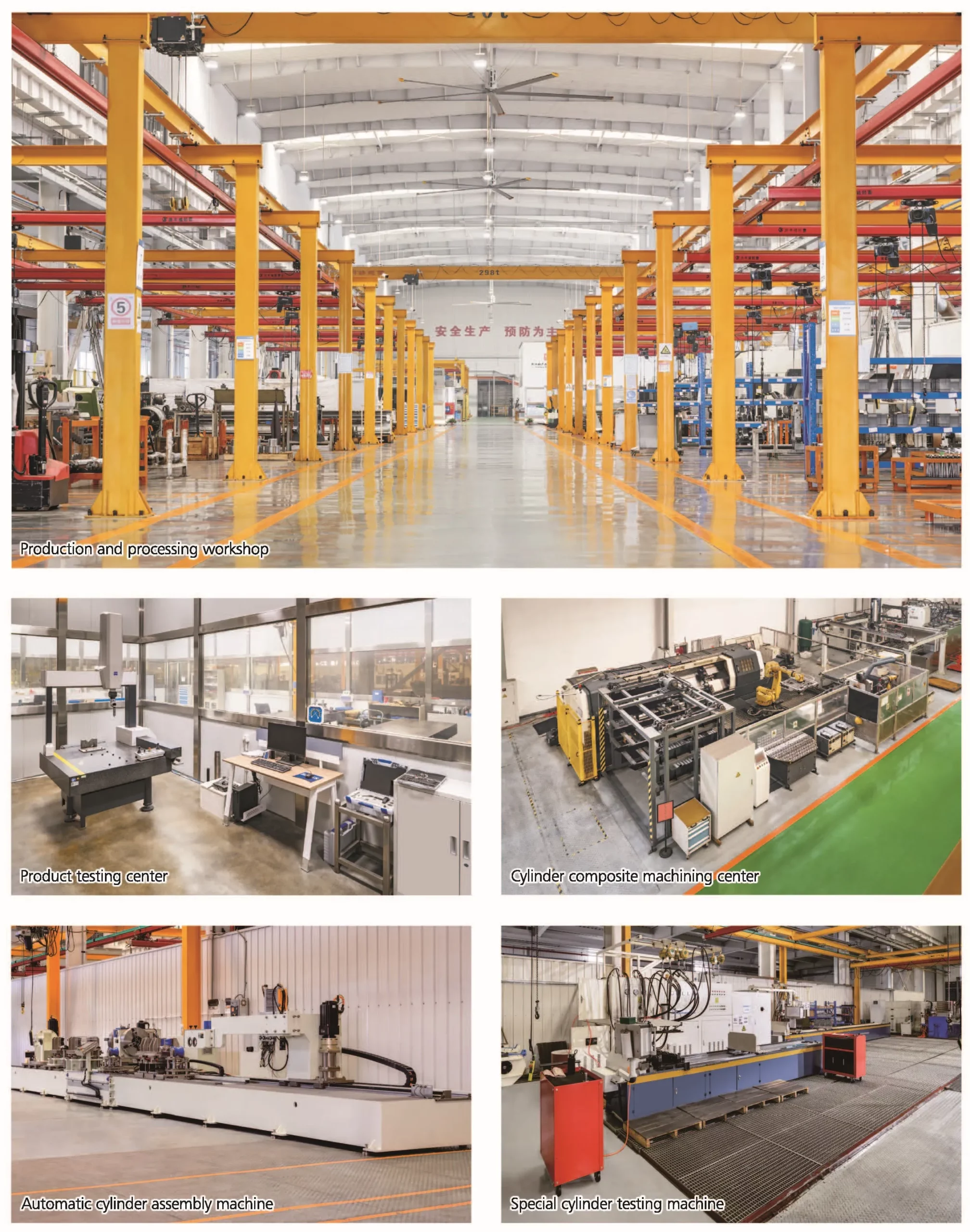
Mēs lepojamies ar modernu neatkarīgu pētniecības un attīstības platformu, kas veltīta montāžai, nodrošinot augstākā līmeņa inovācijas un kvalitāti mūsu ražošanas procesos. Mūsu iekrāvēju cilindru ražošanas darbnīcā ir četras pusautomātiskas pacelšanas cilindru montāžas līnijas un pilnībā automātiska noliecamo cilindru montāžas līnija, kas kopā ir paredzētas, lai saražotu līdz pat vienam miljonam vienību gadā.
Turklāt mūsu specializētā cilindru darbnīca ir aprīkota ar pusautomātiskām tīrīšanas un montāžas sistēmām, kas pielāgotas dažādām specifikācijām, ar gada ražošanas jaudu 200 000 vienību. Mēs izmantojam atzītas CNC iekārtas, apstrādes centrus un specializētus instrumentus augstas precizitātes cilindru apstrādei. Mūsu iekārtās ir arī modernas robotizētas metināšanas iekārtas, automātiskās tīrīšanas sistēmas un pilnībā automatizētas cilindru montāžas un krāsošanas līnijas. Ar vairāk nekā 300 galvenajām iekārtām, kas darbojas, mēs optimizējam resursu sadali un nodrošinām efektīvu izmantošanu, ievērojot stingrus precizitātes un kvalitātes standartus.
Mūsu apstrādes cehā ir pielāgoti slīpo vadotņu sliežu virpošanas centri, apstrādes centri, ātrgaitas asināšanas mašīnas, metināšanas roboti un cits svarīgs aprīkojums. Šī iekārta ļauj mums apstrādāt cilindriskas caurules ar maksimālo iekšējo diametru 400 mm un garumu līdz 6 metriem, vēl vairāk uzlabojot mūsu ražošanas jaudas.


Mēs izmantojam pilnībā automātisku ūdens bāzes krāsošanas līniju, kas īpaši paredzēta maziem un vidējiem baloniem, ar automatizētiem iekraušanas, izkraušanas un izsmidzināšanas robotiem. Šī modernā sistēma lepojas ar ražošanas jaudu 4000 vienību maiņā. Turklāt mums ir pusautomātiska krāsošanas līnija lielizmēra baloniem, ko darbina ķēdes piedziņa, ar projektēto jaudu 60 kastes maiņā.
Lai uzlabotu produktu veiktspēju un nostiprinātu mūsu līderpozīcijas hidraulisko cilindru nozarē, mēs sadarbojamies ar ZJIMEE, lai izveidotu visaptverošu veiktspējas laboratoriju, kas veltīta hidrauliskajiem cilindriem, vārstiem un sūkņiem. Šī modernā laboratorija izmanto datorizētu testēšanu ar elektrohidraulisko tehnoloģiju, ļaujot izmantot iepriekš iestatītus testa apstākļus, kas uzlabo precizitāti un sistēmas daudzpusību. Automatizētajā datu vākšanas procesā tiek izmantoti sensori, lai apkopotu izejas datus, piemēram, iekšējo noplūdi un slodzes efektivitāti, kurus pēc tam apstrādā dators un konvertē standarta mērvienībās (ml/min%).
Turklāt, lai nodrošinātu mūsu hidraulisko sistēmu drošību, mēs ieviešam galveno veiktspējas parametru, tostarp eļļas temperatūras, šķidruma līmeņa un filtra ierīces stāvokļa, uzraudzību. Mūsu hidraulisko cilindru testa stends spēj novērtēt “slodzes efektivitāti” un “iekšējo noplūdi”, izmantojot precīzus rādījumus. Tas ir aprīkots arī ar režģveida mērinstrumentu, kas atbilst valsts standartiem, nodrošinot atbilstību visām hidraulisko cilindru izstrādājumu testēšanas prasībām.