
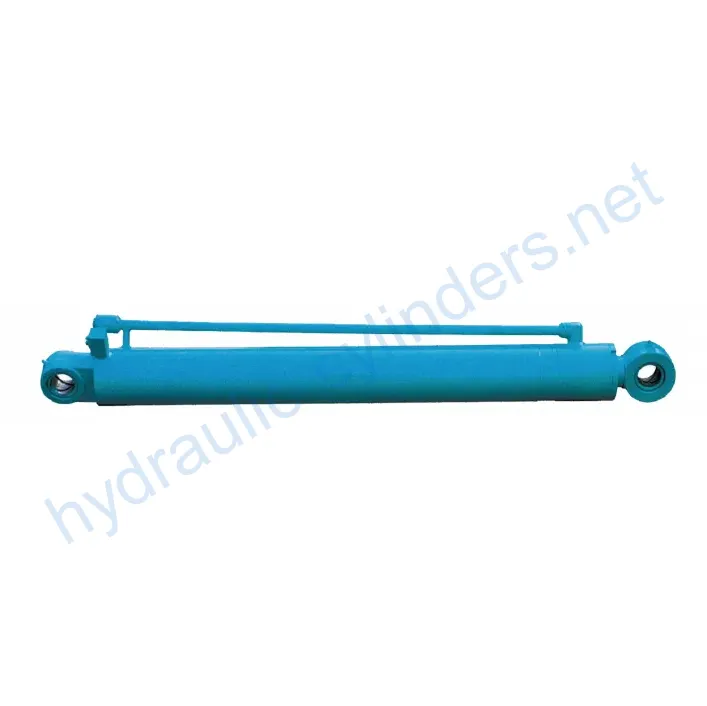
Sviras cilindrs XGMA mazajam ekskavatoram XG808
Kā viens no hidraulisko cilindru ražotājiem, piegādātājiem un eksportētājiem, mēs piedāvājam hidrauliskos cilindrus un daudzus citus produktus.
Lūdzu, sazinieties ar mums, lai saņemtu sīkāku informāciju.
Pasts:sales@hydraulic-cylinders.net
Hidraulisko cilindru ražotājs, piegādātājs, eksportētājs.
Sviras cilindrs XGMA mazajam ekskavatoram XG808
Ievads
The arm cylinder is a specially designed hydraulic cylinder that provides linear motion and power to the arm of various machinery such as excavators, cranes, and robotic arms. It plays a crucial role in hydraulic systems, enabling the efficient movement and control of additional tools or attachments. These cylinders not only achieve smooth motion but also withstand heavy loads, ensuring high efficiency and reliability of the machinery under various operating conditions.
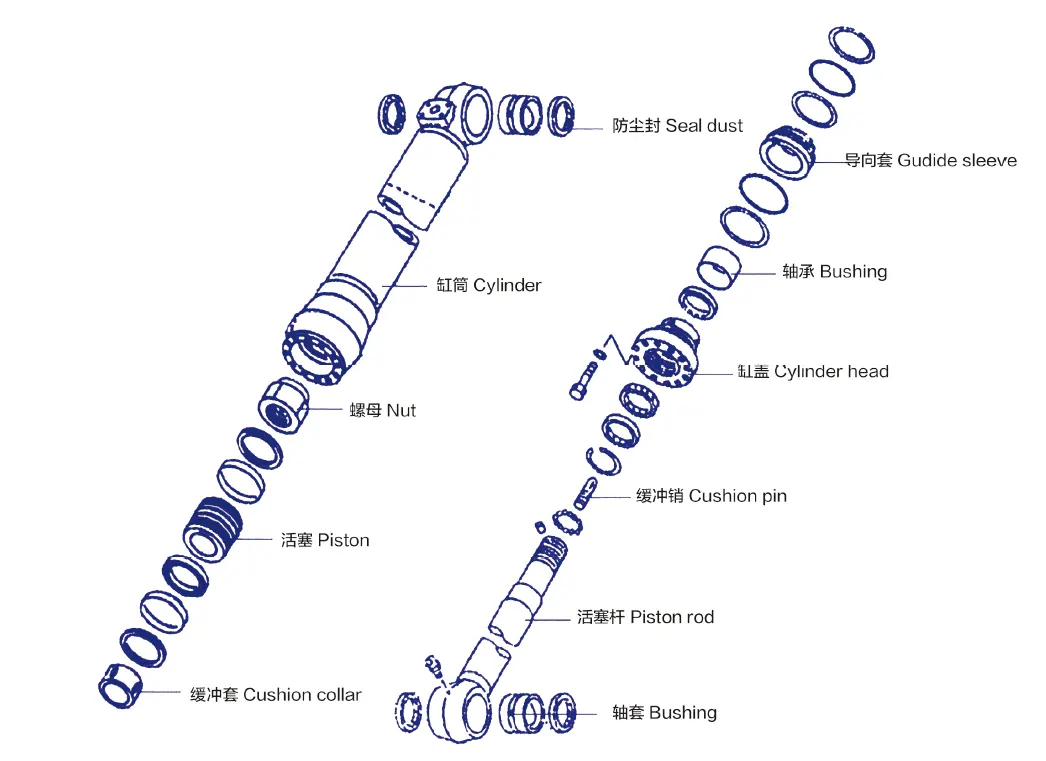
Funkcijas
-
Augstas efektivitātes pārraide
Sviras cilindrs nodrošina jaudīgu lineāru kustību un spēku, garantējot mehāniskās sviras efektīvu darbību dažādās darbībās.
-
Precīzijas kontrole
Izmantojot hidraulisko sistēmu, rokas cilindrs nodrošina precīzu kustības kontroli, padarot papildu instrumentu darbību elastīgāku un precīzāku.
-
Spēcīga izturība
Sviras cilindrs parasti ir izgatavots no augstas izturības materiāliem, kas nodrošina izcilu nodilumizturību un izturību pret koroziju, padarot to piemērotu ilgstošai lietošanai skarbos apstākļos.
-
Daudzpusīga pielāgošanās spēja
Šos cilindrus var plaši pielietot dažādām mehāniskām iekārtām, piemēram, ekskavatoriem, celtņiem un robotizētām rokām, pielāgojoties dažādām darba prasībām.
-
Vienkārša apkope
Designed for easy maintenance and replacement, the arm cylinder facilitates convenient periodic inspections and maintenance, reducing equipment downtime.

Pieteikumi
The arm cylinder finds applications in different industries:
-
Būvniecības inženierija
Ekskavatoros un celtņos sviras cilindrs kontrolē kausu vai strēles kustību zemes pārvietošanas, materiālu apstrādes un konstrukciju uzstādīšanas laikā.
-
Ražošana
In automated production lines, the arm cylinder enables the movement of robotic arms for assembly, welding, and material handling processes, improving production efficiency and accuracy.
-
Lauksaimniecības tehnika
In agricultural machinery such as harvesters and planters, the arm cylinder controls the movement of operating arms for tasks like seeding, fertilizing, and harvesting.
-
Kalnrūpniecība
Kalnrūpniecības iekārtās rokas cilindrs kontrolē kalnrūpniecības mašīnu rokas kustību rūdas ieguvei un transportēšanai.
-
Loģistika un transports
Iekrāvējos un apstrādes robotos rokas cilindrs kontrolē dakšu pacelšanu un kustību, nodrošinot materiālu apstrādi un sakraušanu.
Dizaina apsvērumi un atlases kritēriji
When designing the arm cylinder, several factors need to be considered:
-
Nestspēja
The arm cylinder should be able to withstand the maximum expected load during operation.
-
Blīvēšana
Various sealing components, such as piston seals and rod seals, should be used. These seals should be made of wear-resistant materials like polyurethane and nitrile rubber. The cylinder body and threaded ends should undergo fine treatment to improve wear resistance. Regular lubrication with the appropriate amount of hydraulic oil is necessary.
-
Izturība
The arm cylinder should be made of materials with high durability to ensure long-term performance in demanding working environments.
-
Drošība
It is important to ensure the safety of the arm cylinder’s operation, including measures such as pressure relief valves, overload protection, and proper installation.
-
Apkope
The arm cylinder design should facilitate easy maintenance and repair to minimize downtime and ensure smooth operation.

Regulāra pārbaude un profilaktiskā apkope
Lai nodrošinātu optimālu cilindra veiktspēju un ilgmūžību, jāveic šādi pasākumi:
- Regulāri pārbaudiet cilindru, vai nav nodiluma, noplūdes vai bojājumu pazīmju.
- Check and replace seals and other components as needed.
- Maintain proper lubrication by adding the recommended amount of hydraulic oil.
- Turiet cilindru tīru un bez gružiem vai piesārņotājiem.
- Ievērojiet ražotāja norādījumus par apkopes intervāliem un procedūrām.
Instalācijas rokasgrāmata
Proper installation of the arm cylinder is crucial for its functionality and safety. Follow these steps:
- Pārliecinieties, vai ekskavators vai cita tehnika ir izslēgta un viss hidrauliskais spiediens ir atbrīvots.
- Novietojiet sviras cilindru pareizajā vietā, izlīdzinot montāžas caurumus.
- Droši nostipriniet cilindru, izmantojot atbilstošas skrūves un uzgriežņus.
- Connect the hydraulic hoses to the cylinder, following the designated ports.
- Test the cylinder for proper operation before resuming work.

Drošības apsvērumi un vides faktori
When using the arm cylinder, it is essential to prioritize safety measures to prevent accidents and protect personnel. Safety precautions include:
- Ievērojiet visus ražotāja sniegtos drošības norādījumus un norādījumus.
- Ensure proper training and certification for anyone operating or maintaining the machinery.
- Regularly inspect the cylinder and hydraulic system for any signs of damage or malfunction.
- Provide adequate protective equipment, such as gloves and goggles, when working with the cylinder.
Problēmu novēršana un bieži sastopamas problēmas
When encountering problems with the arm cylinder, consider the following troubleshooting steps:
- Check for any visible leaks or damage to the cylinder or hydraulic hoses.
- Inspect the hydraulic fluid level and quality, and replenish or replace if necessary.
- Ensure all hydraulic connections are secure and properly tightened.
- Verify that the pressure relief valve is functioning correctly.
- Refer to the manufacturer’s troubleshooting guide or contact their customer support for further assistance.
By following these troubleshooting tips and providing preventive measures, readers can effectively diagnose and resolve issues while minimizing potential problems.

Par mums
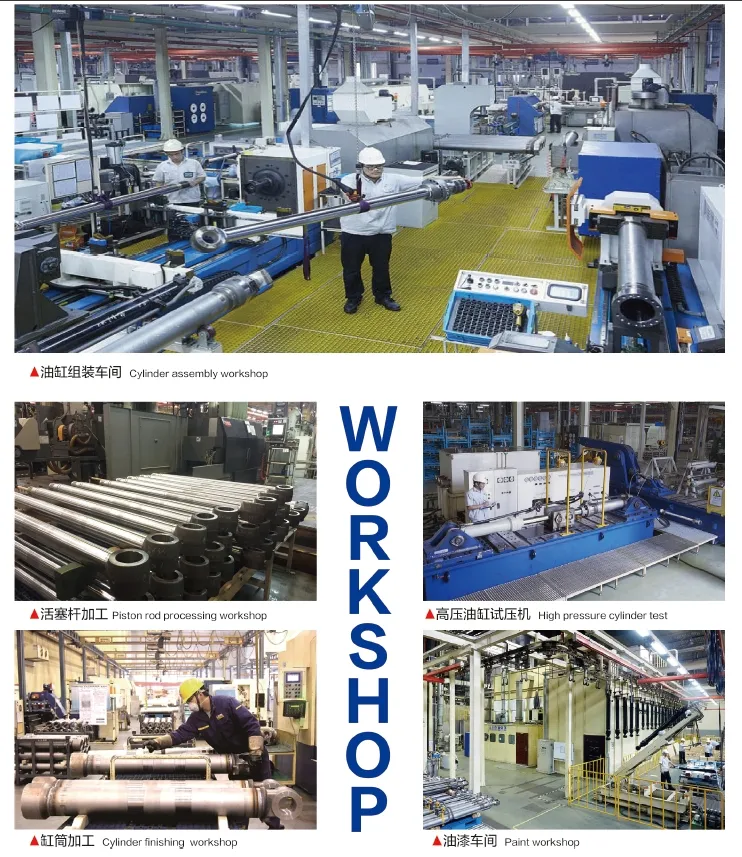
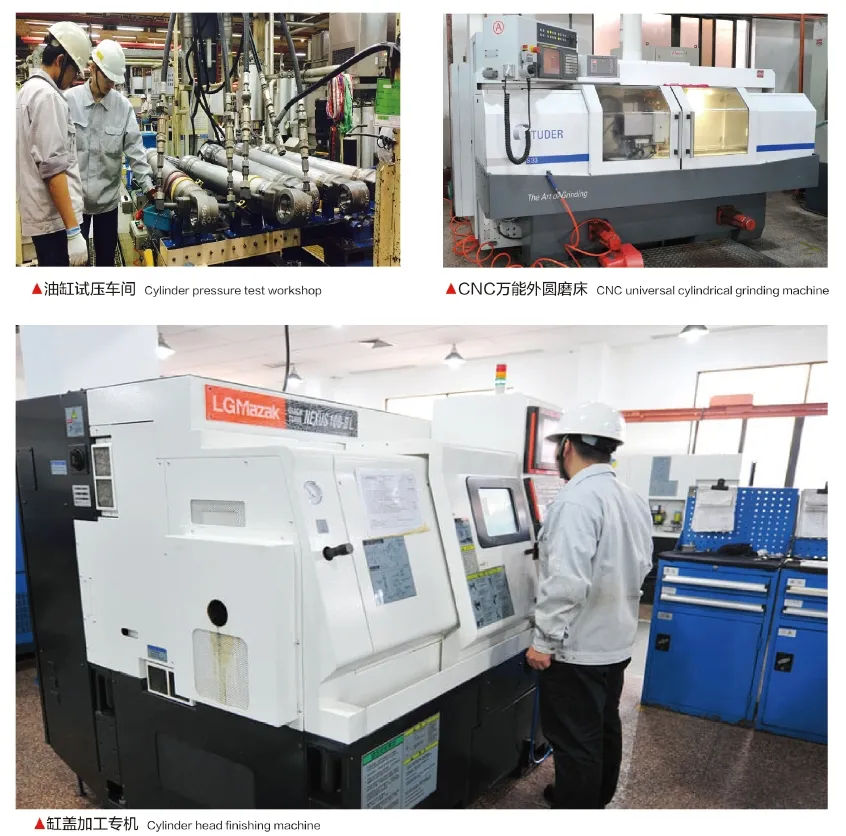
We are a professional manufacturer of replacement hydraulic cylinders, offering a wide range of products. We have become one of the leading hydraulic cylinder manufacturers and wholesale distributors in both domestic and international markets. With a commitment to excellence, we continuously improve our technical expertise and production efficiency through advanced manufacturing facilities and professional testing systems. Our innovative capabilities are enhanced by the use of high-end digital manufacturing equipment. We prioritize efficiency, precision, and high-quality products to meet the diverse needs of our customers.
Autors: lil
Hidrauliskā cilindra pielietojums:

 LV
LV  EN
EN  PT
PT  ES
ES  DE
DE  FR
FR  IT
IT  AR
AR  ZH
ZH  RU
RU  KO
KO  KA
KA  BG
BG  CS
CS  DA
DA  EL
EL  ET
ET  FI
FI  HU
HU  ID
ID  LT
LT  NB
NB  NL
NL  PL
PL  RO
RO  SK
SK  SL
SL  SV
SV  TR
TR  UK
UK