
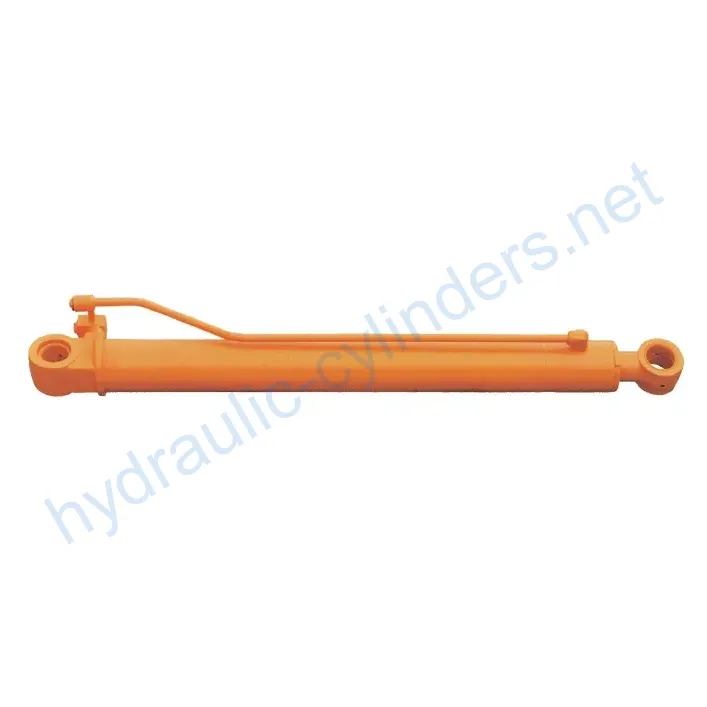
Arm CylinderFor Doosan Middle Excavator DH258-5-7
Kā viens no hidraulisko cilindru ražotājiem, piegādātājiem un eksportētājiem, mēs piedāvājam hidrauliskos cilindrus un daudzus citus produktus.
Lūdzu, sazinieties ar mums, lai saņemtu sīkāku informāciju.
Pasts:sales@hydraulic-cylinders.net
Hidraulisko cilindru ražotājs, piegādātājs, eksportētājs.
Arm Cylinder For Doosan Middle Excavator DH258-5-7
Arm Cylinder is a specifically designed hydraulic cylinder that provides linear motion and power to the arm of various machinery, such as excavators, cranes, and mechanical arms. It plays a crucial role in hydraulic systems, enabling the effective movement and control of additional tools or attachments. These cylinders not only ensure smooth motion but also withstand heavy loads, ensuring efficient operation and reliability of the machinery under various working conditions.
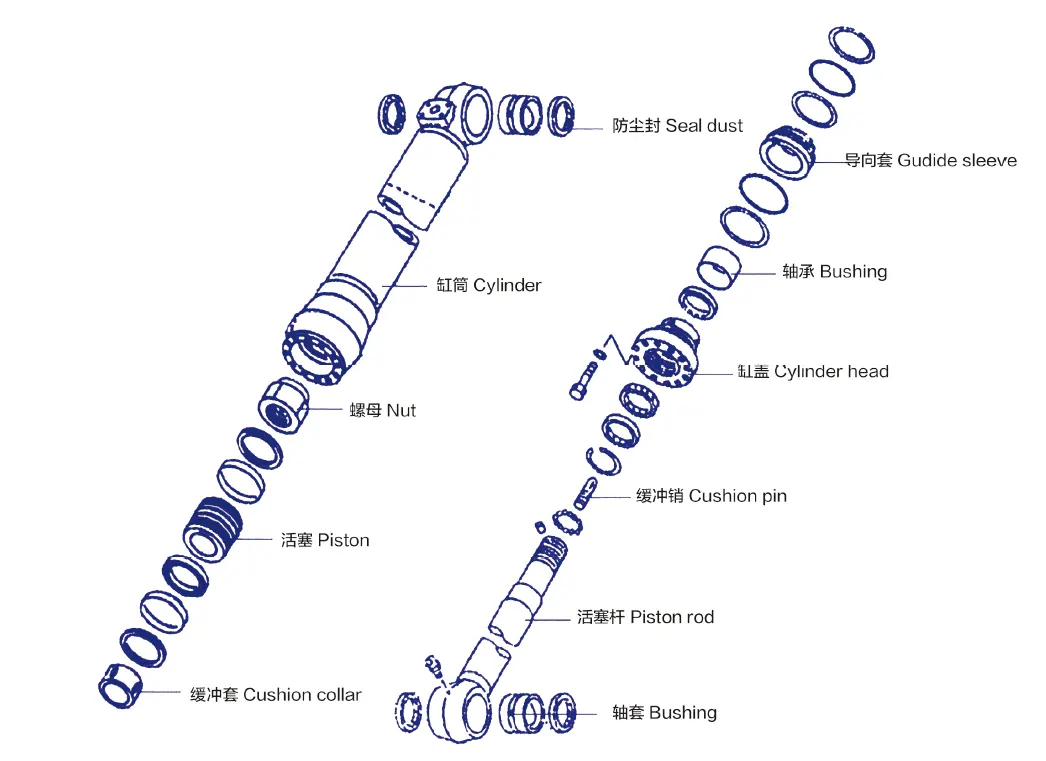
Funkcijas
- High-Efficiency Transmission: The arm cylinder provides powerful linear motion and force, ensuring high-performance efficiency during various operations.
- Precīza vadība: Izmantojot hidraulisko sistēmu, rokas cilindrs nodrošina precīzu kustības vadību, padarot pievienoto instrumentu darbību elastīgāku un precīzāku.
- Izturība: Sviru cilindri parasti ir izgatavoti no augstas izturības materiāliem, kas nodrošina izcilu nodilumizturību un izturību pret koroziju, padarot tos piemērotus ilgstošai lietošanai skarbos apstākļos.
- Multi-functional Adaptability: These cylinders can be widely applied to various machinery equipment, such as excavators, cranes, and mechanical arms, catering to different operational needs.
- Easy Maintenance: Designed for easy maintenance and replacement, arm cylinders facilitate convenient regular inspections and maintenance, minimizing equipment downtime.

Pieteikumi
- Būvniecības inženierija: Ekskavatoros un celtņos strēles cilindri kontrolē kausu vai strēles kustību zemes pārvietošanas, materiālu apstrādes un konstrukciju uzstādīšanas laikā.
- Manufacturing Industry: In automated production lines, arm cylinders facilitate the movement of mechanical arms for assembly, welding, and handling processes, enhancing production efficiency and precision.
- Lauksaimniecības tehnika: Lauksaimniecības tehnikā, piemēram, kombainos un sējmašīnās, sviru cilindri kontrolē vadības sviru kustību tādiem uzdevumiem kā sēšana, mēslošana un ražas novākšana.
- Mining: In mining equipment, arm cylinders are used to control the arm movement of mining machinery for ore extraction and transportation.
- Loģistika un transports: Iekrāvējos un apstrādes robotos roku cilindri kontrolē dakšu pacelšanu un kustību, nodrošinot materiālu apstrādi un sakraušanu.
Dizaina apsvērumi un atlases kritēriji
- Load-Bearing Capacity: The arm cylinder’s ability to withstand specific loads is a crucial design consideration.
- Sealing: Various sealing elements, such as piston seals and rod seals, made of wear-resistant materials like polyurethane and nitrile rubber, ensure effective sealing.
- Izturība: Cilindra korpuss un vītņotās gala virsmas tiek rūpīgi apstrādātas, lai uzlabotu nodilumizturību.
- Safety: Design considerations include safety features to prevent accidents during operation.
- Maintainability: Arm cylinders are designed for easy maintenance and should be regularly lubricated with appropriate hydraulic oil.

Blīvēšana un eļļošana
Arm cylinders use various sealing components, such as piston seals and rod seals, made of wear-resistant materials like polyurethane and nitrile rubber. The cylinder body and threaded end surfaces are finely treated to enhance wear resistance. Regular lubrication with suitable hydraulic oil is necessary to ensure smooth operation.
Regulāra pārbaude un profilaktiskā apkope
- Regulāri pārbaudiet sviras cilindru, vai nav noplūžu, nodiluma vai bojājumu pazīmju.
- Check and clean the cylinder’s external surfaces and ensure proper lubrication.
- Monitor and maintain the hydraulic system to prevent contamination and ensure optimal performance.
- Ievērojiet ražotāja norādījumus par apkopes intervāliem un procedūrām.
Produkta uzstādīšanas rokasgrāmata
1. Sagatavojiet nepieciešamos instrumentus un aprīkojumu uzstādīšanai.
2. Ensure the hydraulic system is depressurized before starting the installation.
3. Attach the arm cylinder to the designated mounting points, following the equipment’s specifications and guidelines.
4. Securely tighten all connections and fasteners.
5. Check for proper alignment and clearance.
6. Test the arm cylinder’s operation to ensure smooth movement and functionality.

Drošības apsvērumi un vides faktori
When using Arm Cylinders, implementing safety measures is crucial to prevent accidents and ensure operator protection. Adhering to safety guidelines and regulations helps create a safe working environment.
Kļūmju diagnostika un biežāk sastopamās problēmas
1. Leakage: Check for any signs of hydraulic fluid leakage and inspect the seals for damage or wear.
2. Slow or Inconsistent Movement: Inspect the hydraulic system for any blockages or insufficient pressure.
3. Excessive Vibrations: Check for loose connections, damaged components, or misalignment.
4. Overheating: Inspect the cooling system and ensure proper fluid levels.
5. Abnormal Noises: Identify the source of the noise and inspect the relevant components for damage or wear.
For troubleshooting and resolving these issues, consult the manufacturer’s documentation or seek professional assistance. Implementing preventive measures can help minimize potential problems.

Atcerieties loģiski sakārtot rakstu, izmantot apakšvirsrakstus ērtai navigācijai, iekļaut atbilstošus attēlus vai diagrammas, lai uzlabotu izpratni, un nodrošināt, lai saturs būtu skaidrs, kodolīgs un piemērots lasītājiem ar dažādiem tehnisko zināšanu līmeņiem.
Autors: lil
Hidrauliskā cilindra pielietojums:

 LV
LV  EN
EN  PT
PT  ES
ES  DE
DE  FR
FR  IT
IT  AR
AR  ZH
ZH  RU
RU  KO
KO  KA
KA  BG
BG  CS
CS  DA
DA  EL
EL  ET
ET  FI
FI  HU
HU  ID
ID  LT
LT  NB
NB  NL
NL  PL
PL  RO
RO  SK
SK  SL
SL  SV
SV  TR
TR  UK
UK