

Sviras cilindrs Doosan mazajam ekskavatoram DX120
Kā viens no hidraulisko cilindru ražotājiem, piegādātājiem un eksportētājiem, mēs piedāvājam hidrauliskos cilindrus un daudzus citus produktus.
Lūdzu, sazinieties ar mums, lai saņemtu sīkāku informāciju.
Pasts:sales@hydraulic-cylinders.net
Hidraulisko cilindru ražotājs, piegādātājs, eksportētājs.
Arm Cylinder for Doosan Small Excavator DX120
The arm cylinder is a specially designed hydraulic cylinder that is used to provide linear motion and power to the arm of various types of machinery, such as excavators, cranes, and robotic arms. The arm cylinder plays a crucial role in hydraulic systems, allowing for the effective movement and control of additional tools or attachments. These cylinders not only enable smooth motion but also have the ability to withstand heavy loads, ensuring efficient operation and reliability of the machinery under various working conditions.
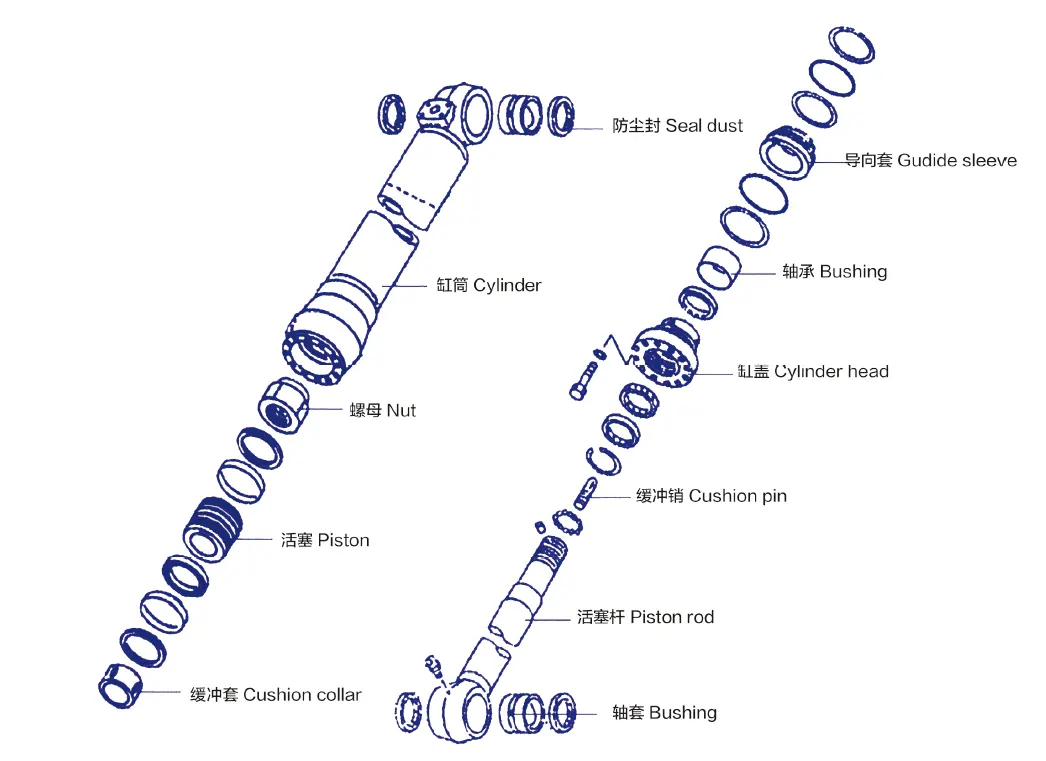
Sviras cilindra īpašības:
- Augstas efektivitātes transmisija: Rokas cilindrs nodrošina jaudīgu lineāru kustību un spēku, garantējot robotizētās rokas augstas veiktspējas iespējas dažādās operācijās.
- Precīza kontrole: Izmantojot hidraulisko sistēmu, rokas cilindrs nodrošina precīzu kustības kontroli, padarot papildu instrumentu darbību elastīgāku un precīzāku.
- Izturība: Sviru cilindri parasti ir izgatavoti no augstas izturības materiāliem, kas nodrošina izcilu izturību pret nodilumu un koroziju, padarot tos piemērotus ilgstošai lietošanai skarbos apstākļos.
- Daudzfunkcionāla pielāgošanās spēja: Šos cilindrus var plaši pielietot dažādām mašīnām, piemēram, ekskavatoriem, celtņiem un robotizētām rokām, pielāgojoties dažādām darba prasībām.
- Vienkārša apkope: Sviru cilindri ir izstrādāti, ņemot vērā vienkāršu apkopi un nomaiņu, un tie atvieglo regulāras pārbaudes un apkopi, tādējādi samazinot iekārtu dīkstāves laiku.

Sviras cilindrs tiek izmantots dažādās nozarēs:
- Construction: In excavators and cranes, the arm cylinder controls the movement of the bucket or boom for earthwork, material handling, and structural installation.
- Manufacturing: In automated production lines, the arm cylinder enables the motion of robotic arms for processes like assembly, welding, and material handling, increasing production efficiency and precision.
- Lauksaimniecības tehnika: Lauksaimniecības tehnikā, piemēram, kombainos un sējmašīnās, sviras cilindrs kontrolē vadības sviru kustību tādiem uzdevumiem kā stādīšana, mēslošana un ražas novākšana.
- Kalnrūpniecība: Kalnrūpniecības iekārtās rokas cilindrs kontrolē rokas kustību rūdas ieguvei un transportēšanai.
- Logistics and Transportation: In forklifts and handling robots, the arm cylinder controls the lifting and movement of forks, allowing for material handling and stacking.
Dizaina apsvērumi un atlases kritēriji:
Projektējot cilindru sviras, tiek ņemti vērā vairāki galvenie faktori:
- Nestspēja: Sviru cilindri ir izstrādāti, lai izturētu noteiktas slodzes, nodrošinot drošu un efektīvu darbību.
- Blīvējums: Various types of seals, such as piston seals and rod seals, are used to ensure effective sealing. These seals are made from wear-resistant materials like polyurethane and nitrile rubber.
- Izturība: Cylinder bodies and threaded ends undergo precision treatments to enhance wear resistance.
- Drošība: Safety features, such as pressure relief valves, are incorporated to prevent excessive pressure and ensure safe operation.
- Uzturamība: Regular inspection and preventive maintenance measures are essential to extend the lifespan of the arm cylinder and minimize potential issues.

Proper sealing and lubrication are crucial for the performance and longevity of the arm cylinder:
- Various sealing elements, such as piston seals and rod seals, are used to prevent fluid leakage and maintain proper operation.
- The seals are made from durable materials like polyurethane and nitrile rubber, which have excellent wear resistance.
- The cylinder body and threaded ends undergo meticulous surface treatments to enhance wear resistance.
- Regular lubrication with an appropriate amount of hydraulic oil is required to ensure smooth operation and reduce friction.
Regulāra pārbaude un profilaktiskā apkope:
To ensure the optimal performance and longevity of the arm cylinder, regular inspections and preventive maintenance measures should be implemented:
- Pārbaudiet cilindru, vai nav noplūžu, bojājumu vai nodiluma pazīmju.
- Pārbaudiet blīves un, ja nepieciešams, nomainiet tās.
- Monitor the fluid levels and top up with hydraulic oil as needed.
- Examine the cylinder for any signs of contamination or corrosion.
- Pievelciet visus vaļīgos savienojumus vai stiprinājumus.
- Follow the manufacturer’s guidelines for specific inspection and maintenance procedures.

Instalēšanas rokasgrāmata:
Pareiza sviras cilindra uzstādīšana ir ļoti svarīga tā veiktspējai un drošībai. Veiciet šīs darbības:
- Pārliecinieties, vai aprīkojums ir droši nostiprināts un izslēgts.
- Carefully position the arm cylinder, aligning it with the mounting points.
- Securely fasten the cylinder to the equipment using appropriate bolts and fittings.
- Inspect all connections to ensure they are tightly secured and leak-free.
- Double-check the alignment and movement of the cylinder before operation.

Drošības apsvērumi un vides faktori:
Strādājot ar sviras cilindriem, drošības pasākumi ir ārkārtīgi svarīgi. Ir svarīgi prioritāri noteikt sekojošo:
- Follow proper operating procedures and guidelines provided by the equipment manufacturer.
- Ensure all operators are trained on the safe operation of the machinery.
- Use appropriate personal protective equipment (PPE), such as gloves and safety glasses.
- Regularly inspect and maintain the equipment to identify and address any potential safety hazards.
- Dispose of used hydraulic oil and other waste materials in accordance with environmental regulations.
Problēmu novēršana un bieži sastopamas problēmas:
Arm cylinders may encounter certain faults or issues during operation. Here are some common ones:
- Šķidruma noplūde: Inspect seals and connections for signs of leakage. Replace worn or damaged seals.
- Lēna vai nekonsekventa kustība: Check the hydraulic system for any restrictions or insufficient fluid levels. Ensure proper lubrication.
- Pārmērīgs troksnis vai vibrācija: Inspect the cylinder for any loose fittings or damaged components. Tighten or replace as necessary.
- Poor or Erratic Performance: Check the hydraulic system for any issues with pressure or flow. Clean or replace filters and monitor fluid levels.
For troubleshooting, consider the following tips and solutions to effectively diagnose and resolve problems:
- Refer to the equipment’s user manual or consult with technical support for specific troubleshooting steps.
- Inspect the hydraulic system for any signs of damage, contamination, or blockages.
- Check all connections and fittings for tightness and leaks.
- Analyze the system’s pressure and flow rates to identify any abnormalities.
- Follow preventive maintenance measures to minimize potential issues.
Autors: lil
Par mūsu uzņēmumu:
We are a professional
Hidrauliskā cilindra pielietojums:

 LV
LV  EN
EN  PT
PT  ES
ES  DE
DE  FR
FR  IT
IT  AR
AR  ZH
ZH  RU
RU  KO
KO  KA
KA  BG
BG  CS
CS  DA
DA  EL
EL  ET
ET  FI
FI  HU
HU  ID
ID  LT
LT  NB
NB  NL
NL  PL
PL  RO
RO  SK
SK  SL
SL  SV
SV  TR
TR  UK
UK