

Arm CylinderFor Komatsu Wheel Excavator PW270-7
Kā viens no hidraulisko cilindru ražotājiem, piegādātājiem un eksportētājiem, mēs piedāvājam hidrauliskos cilindrus un daudzus citus produktus.
Lūdzu, sazinieties ar mums, lai saņemtu sīkāku informāciju.
Pasts:sales@hydraulic-cylinders.net
Hidraulisko cilindru ražotājs, piegādātājs, eksportētājs.
Arm Cylinder For Komatsu Wheel Excavator PW270-7
Ievads
The Arm Cylinder For Komatsu Wheel Excavator PW270-7 is a specialized hydraulic cylinder designed to provide linear motion and power to the arm of various machinery, such as excavators, cranes, and mechanical arms. The arm cylinder plays a crucial role in hydraulic systems, enabling the efficient movement and control of additional tools or attachments. These cylinders not only ensure smooth motion but also withstand heavy loads, ensuring high operational efficiency and reliability of the machinery under various working conditions.
Definīcija un skaidrojums
The Arm Cylinder is a type of hydraulic cylinder specifically designed to provide linear motion and power to the arm of various machinery. It is responsible for controlling the movement and operation of attachments, such as buckets or booms, in excavators, cranes, and mechanical arms. The arm cylinder acts as a vital component in hydraulic systems, allowing for precise control and efficient operation of the machinery.
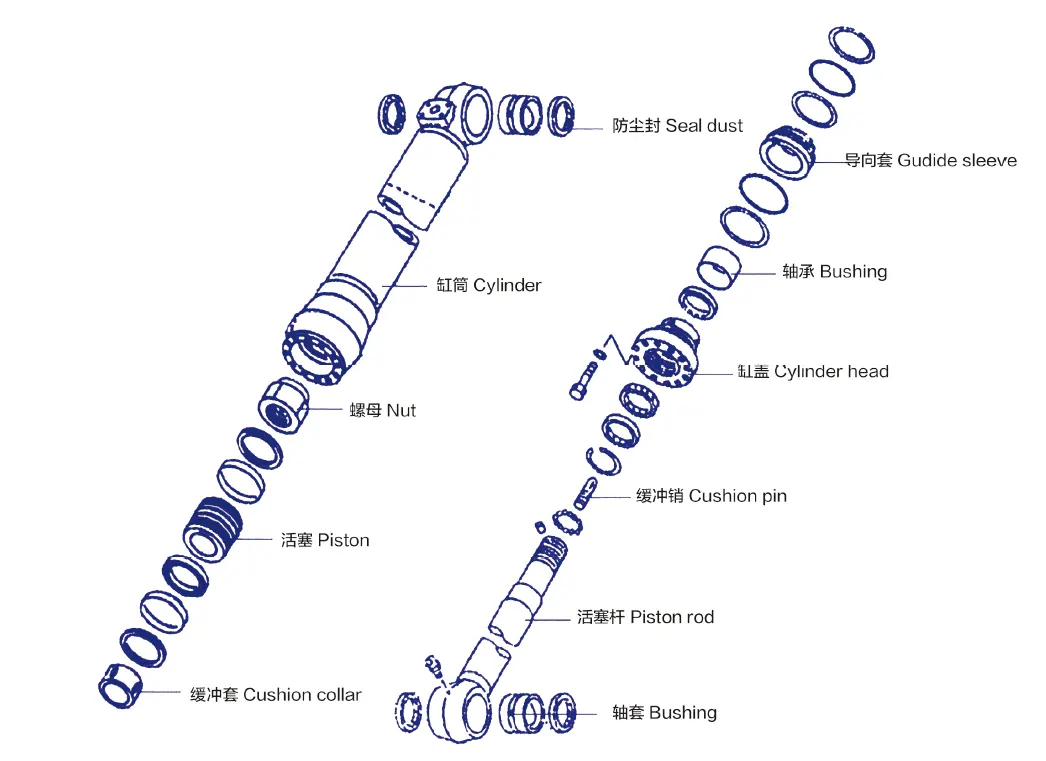
Funkcijas
-
Augstas efektivitātes pārraide
The Arm Cylinder provides powerful linear motion and force, ensuring high performance and efficiency of the mechanical arm in various operations.
-
Precīza kontrole
Izmantojot hidraulisko sistēmu, rokas cilindrs nodrošina precīzu kustības kontroli, padarot pievienoto instrumentu darbību elastīgāku un precīzāku.
-
Izturība
The Arm Cylinder is typically made from high-strength materials, offering excellent wear resistance and corrosion resistance, suitable for long-term use in harsh environments.
-
Daudzfunkcionāla pielāgošanās spēja
Šos cilindrus var plaši pielietot dažādām mašīnām, piemēram, ekskavatoriem, celtņiem un mehāniskajām svirām, pielāgojoties dažādām darba prasībām.
-
Vienkārša apkope
Sviras cilindra konstrukcija ir veidota, ņemot vērā apkopes un nomaiņas vienkāršību, padarot regulāras pārbaudes un apkopi ērtas, kā arī samazinot iekārtu dīkstāves laiku.

Pieteikumi
-
Būvniecības inženierija
Ekskavatoros un celtņos sviras cilindrs tiek izmantots, lai kontrolētu kausu vai strēles kustību zemes pārvietošanas, materiālu apstrādes un konstrukciju uzstādīšanas darbos.
-
Ražošanas nozare
In automated production lines, the Arm Cylinder is used for the motion of mechanical arms in processes such as assembly, welding, and handling, improving production efficiency and accuracy.
-
Lauksaimniecības tehnika
In agricultural machinery such as harvesters and seeders, the Arm Cylinder controls the movement of operating arms for tasks such as seeding, fertilizing, and harvesting.
-
Kalnrūpniecība
In mining equipment, the Arm Cylinder is used to control the arm movement of mining equipment for ore extraction and transport.
-
Loģistika un transports
In forklifts and handling robots, the Arm Cylinder is used to control the lifting and movement of forks, enabling the handling and stacking of materials.
Dizaina apsvērumi un atlases kritēriji
-
Nestspēja
The Arm Cylinder design considers the ability to withstand the required load capacity, ensuring safe and efficient operation.
-
Blīvēšana
Various sealing components, such as piston seals and rod seals, are utilized in the Arm Cylinder. These seals are made of wear-resistant materials like polyurethane and nitrile rubber. The cylinder body and threaded ends are carefully treated to improve wear resistance. Regular lubrication with appropriate hydraulic oil is necessary for smooth operation.
-
Izturība
The Arm Cylinder is constructed using high-quality materials to ensure durability and resistance to wear and corrosion in demanding environments.
-
Drošība
Safety considerations are incorporated into the design of the Arm Cylinder to prevent accidents and ensure reliable operation.
-
Apkope
The Arm Cylinder design facilitates easy maintenance and repair, reducing downtime and maximizing equipment efficiency.

Regulāra pārbaude un profilaktiskā apkope
- Regularly inspect the Arm Cylinder for any signs of wear, leakage, or damage.
- Nodrošiniet pareizu cilindra eļļošanu un nomainiet hidraulisko eļļu ieteicamajos intervālos.
- Pārbaudiet un pievelciet visus savienojumus, lai novērstu noplūdes.
- Keep the cylinder clean and free from debris to avoid contamination.
- Inspect and replace worn-out seals or components promptly to maintain optimal performance.
Produkta uzstādīšanas rokasgrāmata
1. Before installation, ensure the equipment is turned off and the hydraulic system is depressurized.
2. Carefully position the Arm Cylinder in the desired location, aligning the mounting holes with the corresponding equipment.
3. Securely fasten the cylinder to the equipment using appropriate bolts or pins.
4. Connect the hydraulic lines to the cylinder, ensuring proper sealing and tightness.
5. Slowly pressurize the hydraulic system and check for any leaks or abnormal operation.
6. Once installation is complete, thoroughly test the Arm Cylinder to ensure proper functionality.

Drošības apsvērumi un vides faktori
When using the Arm Cylinder, it is crucial to follow proper safety measures to prevent accidents and ensure operator well-being. Adequate training, protective gear, and adherence to equipment specifications are essential for safe operation. Additionally, it is important to consider environmental factors such as proper disposal and recycling of components and fluids to minimize environmental impact.
Problēmu novēršana un bieži sastopamas problēmas
-
1. problēma: cilindra noplūde
Possible Causes: Worn-out seals or damaged components.
Solution: Inspect and replace worn-out seals or damaged components as needed. Ensure proper sealing and tightness of connections.
-
2. problēma: cilindrs neizvirzās vai neievelkas
Possible Causes: Hydraulic fluid level too low, clogged hydraulic lines, or malfunctioning control valves.
Solution: Check hydraulic fluid level and top up if necessary. Inspect and clean hydraulic lines. Test control valves for proper functioning or replace if needed.
-
3. problēma: neparasts troksnis darbības laikā
Possible Causes: Loose components or damaged internal parts.
Solution: Check and tighten all connections. Inspect internal parts for damage and replace as needed.
By following these troubleshooting tips and solutions, you can effectively diagnose and resolve common issues with the Arm Cylinder. Implementing preventive measures can also help minimize potential problems.

Remember to
Hidrauliskā cilindra pielietojums:

 LV
LV  EN
EN  PT
PT  ES
ES  DE
DE  FR
FR  IT
IT  AR
AR  ZH
ZH  RU
RU  KO
KO  KA
KA  BG
BG  CS
CS  DA
DA  EL
EL  ET
ET  FI
FI  HU
HU  ID
ID  LT
LT  NB
NB  NL
NL  PL
PL  RO
RO  SK
SK  SL
SL  SV
SV  TR
TR  UK
UK