


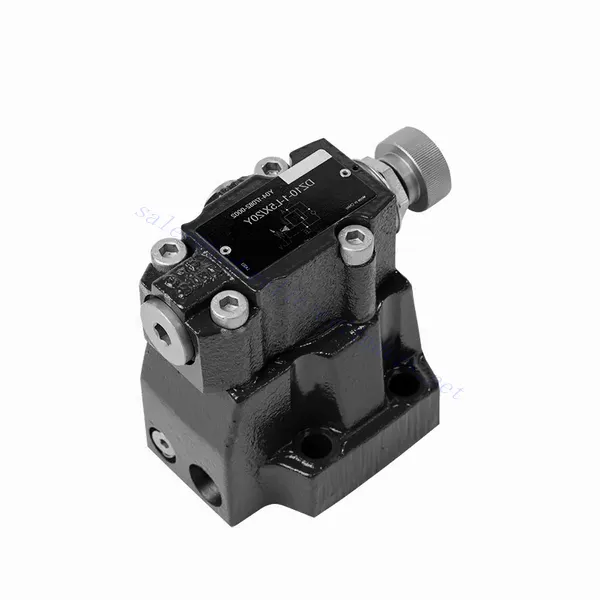
DZ sērijas pilota darbināms spiediena secības hidrauliskais vārsts

The DZ series pilot operated pressure sequence hydraulic valve is an exceptional hydraulic component designed to deliver precise pressure control and sequencing in hydraulic systems. With its innovative pilot-operated design and remarkable features, this valve ensures efficient regulation of hydraulic pressures, optimizing system performance across various applications.
The DZ series pilot operated pressure sequence hydraulic valve is an exceptional solution for precise pressure control and sequencing in hydraulic systems. With its pilot-operated design, precise pressure regulation, sequential operation, and versatile pressure range, this valve ensures the efficient and coordinated functioning of hydraulic circuits. By following the recommended usage methods and maintenance practices, the DZ series valve delivers consistent performance, extending the lifespan of hydraulic systems. Upgrade your hydraulic system with the DZ series pilot-operated pressure sequence hydraulic valve and experience optimized pressure control and sequencing for enhanced system efficiency and productivity.
DZ Series Pilot Operated Pressure Sequence Hydraulic Valve Key Characteristics:
- Pilota vadīts dizains:
- The DZ series valve features a pilot-operated design, utilizing a small control valve to regulate the main spool.
- This design enhances control precision, responsiveness, and stability, ensuring accurate pressure control and sequencing.
- Precīza spiediena kontrole:
- This valve provides exceptional control over hydraulic pressures, allowing for precise adjustment and maintenance of desired pressure levels.
- It ensures accurate pressure regulation, preventing damage to system components and optimizing performance.
- Sequential Operation:
- The DZ series valve enables sequential operation in hydraulic systems, controlling the order of hydraulic functions.
- It ensures smooth and coordinated operation, enhancing efficiency and productivity in complex hydraulic applications.
- Versatile Pressure Range:
- The valve is available in various pressure ranges, catering to different hydraulic system requirements.
- This versatility allows customization to suit specific pressure control needs, accommodating various applications.
DZ Series Pilot Operated Pressure Sequence Hydraulic Valve Parameter:
DZ Series Pilot Operated Pressure Sequence Hydraulic Valve Advantages:
NG6
• Direct structure
• Installation face follow DIN 24340 A and ISO 4401
• Pieci spiediena diapazoni
• Divi regulēšanas veidi: poga, regulēšanas skrūve ar aizsargvāku
• With pressure gauge interface
• Optional one directional valve
NG10
• Direct structure
• Installation face follow DIN 24340 A and ISO 4401
• Četri spiediena diapazoni
• Divi regulēšanas veidi: poga, regulēšanas skrūve ar aizsargvāku
• With pressure gauge interface
• Optional one directional valve
Usage Method Of DZ Series Pilot Operated Pressure Sequence Hydraulic Valve:
- Sistēmas analīze:
- Conduct a comprehensive analysis of your hydraulic system to determine specific pressure control and sequencing requirements.
- Consider factors such as desired pressure levels, pressure differentials, and flow rates in different circuits.
- Vārsta izvēle:
- Select the appropriate variant of the DZ series valve based on your system’s pressure control and sequencing specifications.
- Ņemiet vērā spiediena novērtējumu, plūsmas jaudu un saderību ar citiem sistēmas komponentiem.
- Uzstādīšana:
- Follow the manufacturer’s instructions to install the DZ series pilot correctly operated pressure sequence Valve in your hydraulic system.
- Nodrošiniet pareizu izlīdzināšanu un drošus savienojumus, lai novērstu noplūdes un optimizētu veiktspēju.
- Calibration and Adjustment:
- Calibrate the valve to set the desired pressure levels and sequence.
- Utilize pressure gauges or other measurement devices to adjust the valve for optimal pressure control accurately.
How Does A Hydraulic Solenoid Valve Work?
A hydraulic servo valve is a precision control valve used in hydraulic systems to regulate the flow and direction of hydraulic fluid accurately. It operates by converting an electrical signal into a hydraulic output, allowing for precise control and positioning of hydraulic actuators. Here’s how a hydraulic servo valve works:
- Vārsta konstrukcija:
- A hydraulic servo valve consists of a valve body, a spool or poppet mechanism, and electrical connections.
- The valve body contains inlet and outlet ports for hydraulic fluid, while the spool or poppet controls the flow of fluid through the valve.
- Electrical Input:
- An electrical input signal, typically from a control system or a feedback device, is sent to the servo valve.
- This electrical signal represents the desired position or level of control for the hydraulic actuator.
- Pilot Stage:
- The electrical input signal is received by the pilot stage of the servo valve.
- The pilot stage typically consists of a small solenoid valve or a torque motor that receives and converts the electrical signal into a mechanical force.
- Spool or Poppet Movement:
- The mechanical force generated by the pilot stage moves the spool or poppet inside the valve body.
- The movement of the spool or poppet controls the size and position of the flow passages, regulating the flow of hydraulic fluid.
- Hydraulic Output:
- As the spool or poppet moves, it allows hydraulic fluid to flow through the valve, directing it to the appropriate hydraulic actuator.
- The flow of fluid to the actuator causes it to move, achieving the desired position or control as determined by the electrical input signal.
- Feedback System:
- In some servo valve systems, a feedback mechanism is employed to provide information about the actual position or status of the actuator.
- This feedback is used to compare with the desired position, allowing for continuous adjustment and accurate control.
- Control Loop:
- The servo valve operates in a closed-loop control system, where the feedback information is continuously compared to the desired input signal.
- Any deviation between the actual and desired positions is corrected by adjusting the servo valve’s spool or poppet position.
- Application Examples:
- Hydraulic servo valves are commonly used in applications that require precise control, such as robotics, aerospace systems, industrial machinery, and flight simulators.
Rūpnīcas iespējas un jauda:
(1) Montāža
Mums ir pirmklasīga neatkarīga pētniecības un attīstības montāžas platforma. Hidraulisko cilindru ražošanas darbnīcā ir četras pusautomātiskas pacelšanas cilindru montāžas līnijas un viena automātiskā slīpuma cilindru montāžas līnija ar projektēto gada ražošanas jaudu 1 miljons vienību. Speciālo cilindru darbnīca ir aprīkota ar dažādu specifikāciju pusautomātisku tīrīšanas montāžas sistēmu ar projektēto gada ražošanas jaudu 200 000 vienību un aprīkota ar slavenām CNC apstrādes iekārtām, apstrādes centru, augstas precizitātes cilindru apstrādes speciālo aprīkojumu, robotizētu metināšanas iekārtu, automātisku tīrīšanas iekārtu, automātisku cilindru montāžas iekārtu un automātisku krāsošanas ražošanas līniju. Esošais kritiskais aprīkojums ir vairāk nekā 300 komplektu (komplektu). Optimāla iekārtu resursu sadale un efektīva izmantošana nodrošina produktu precizitātes prasības un apmierina produktu augstās kvalitātes prasības.


(2) Apstrāde
Apstrādes cehs ir aprīkots ar pielāgotu slīpo sliežu virpošanas centru, apstrādes centru, ātrgaitas asināšanas mašīnu, metināšanas robotu un citu saistītu aprīkojumu, kas var apstrādāt cilindriskas caurules ar maksimālo iekšējo diametru 400 mm un maksimālo garumu 6 metri.


(3) Metināšana


(4) Krāsošana un pārklāšana
Ar mazām un vidēja izmēra cilindriskām automātiskām ūdens bāzes krāsu pārklāšanas līnijām, lai panāktu automātisku robotu iekraušanu un izkraušanu un automātisku izsmidzināšanu, projektētā jauda ir 4000 gabali maiņā;
Mums ir arī pusautomātiska krāsu ražošanas līnija lieliem baloniem, ko darbina ķēdes piedziņa, ar 60 kastu konstrukcijas jaudu vienā maiņā.


(5) Testēšana
Mums ir augstākās klases pārbaudes iekārtas un testēšanas stendi, lai nodrošinātu, ka balona veiktspēja atbilst prasībām.


Mēs esam viens no labākajiem hidraulisko cilindru ražotājiem. Mēs varam piedāvāt visaptverošus hidrauliskos cilindrus. Mēs nodrošinām arī atbilstošus lauksaimniecības pārnesumkārbas. Mēs esam eksportējuši savus produktus klientiem visā pasaulē un esam ieguvuši labu reputāciju, pateicoties mūsu izcilajai produktu kvalitātei un pēcpārdošanas servisam. Mēs aicinām klientus no valsts un ārvalstīm sazināties ar mums, lai risinātu biznesa sarunas, apmainītos ar informāciju un... sadarboties ar mums!