


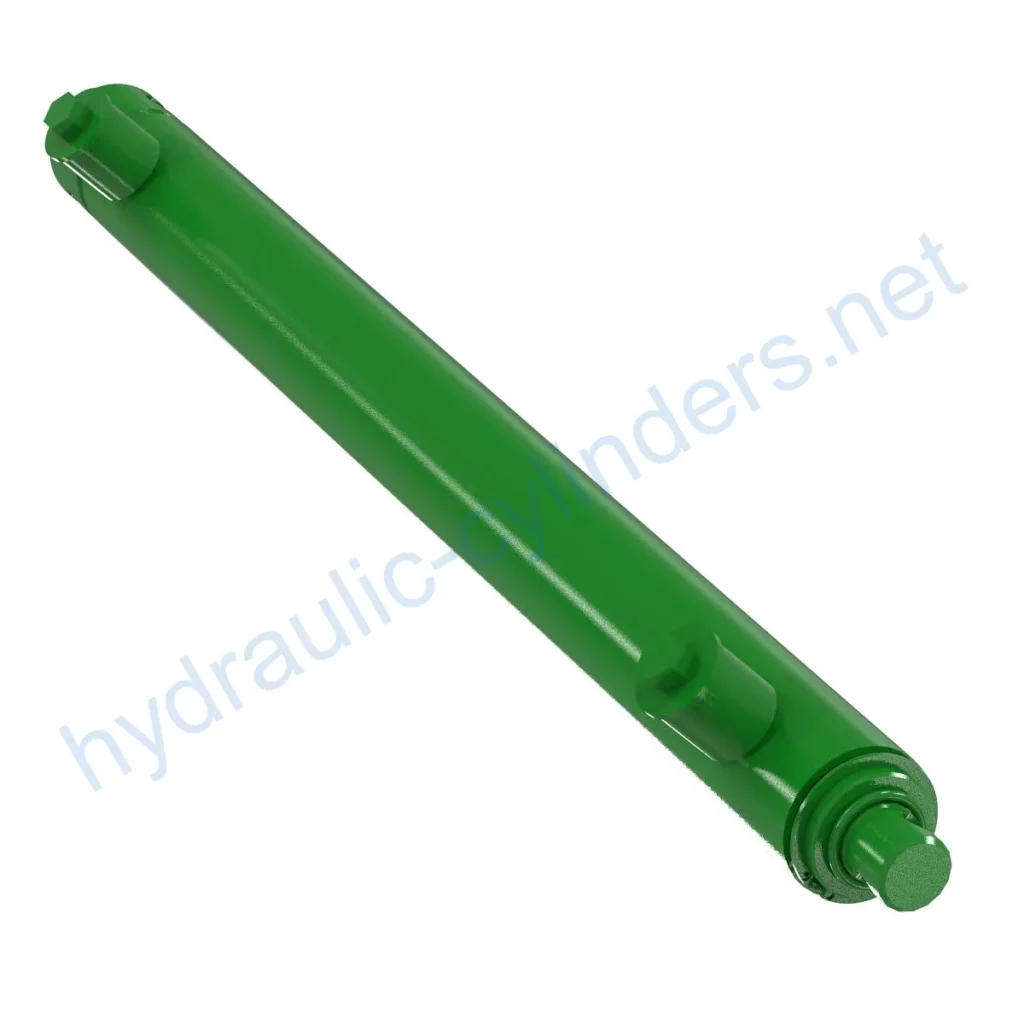
Replacement Of AHC17556 Reel force Hydraulic Cylinder
The Replacement Of AHC17556 Reel force Hydraulic Cylinder is a hydraulic cylinder that is designed to replace the AHC17556 model. It is used in various equipment models including 616, 616R, 618, 620, 622, 625D, 625F, 630, 630D, 630FD, 635, 635D, 635F, 635FD, 640D, 640FD, 645FD, 725D, 730D, 730FD, 735D, 735FD, 740D, 740FD, 745FD, HD35F, HD35R, HD40F, HD40R, HD45F, HD45R, HD50F, HD50R, RD30F, RD35F, RD40F, RD45F, RDF 30, RDF 35, RDF 40, and RDF 45.
Produkta specifikācijas
- Weight: 6.14 lb
- Augstums: 1,5 collas
- Width: 2.9 in
- Garums: 19,5 collas
Produkta funkcijas
- Improved equipment performance: Replacing damaged or worn-out hydraulic cylinders can restore the equipment’s normal operational capabilities, ensuring its performance in various applications.
- Uzlabota drošība: Regulāra hidraulisko cilindru nomaiņa var samazināt cilindru bojājumu radītos drošības apdraudējumus, nodrošinot operatoru un aprīkojuma drošību.
- Overload protection: New cylinder designs often consider better overload protection mechanisms, improving safety.
- Quick installation: Modern hydraulic cylinders are designed for easy installation and replacement, reducing downtime.
- Standartizētas sastāvdaļas: Daudzi hidrauliskie cilindri ir standartizēti produkti, kas atvieglo rezerves daļu iegūšanu tirgū.
We can produce this product and our hydraulic cylinders can perfectly replace these models.
Pieteikumi
Here are three examples of applications for this hydraulic cylinder:
- Excavators: The hydraulic cylinder on the excavator’s boom or bucket may get damaged due to prolonged use or overload, requiring replacement to restore normal operation.
- Cranes: The hydraulic cylinder on the crane’s boom is prone to wear during frequent lifting and lowering processes, requiring regular replacement to ensure safety.
- Tractors: The hydraulic cylinder on the front-end loader of a tractor may experience leaks or performance degradation during continuous lifting and tilting operations, necessitating replacement.
Apkopes uzdevumi
Šeit ir trīs bieži veicamie hidrauliskā cilindra apkopes darbi:
- Regular inspections: It is important to regularly inspect the hydraulic cylinder for any signs of wear, leaks, or other issues.
- Proper lubrication: Applying appropriate lubrication to the hydraulic cylinder can help reduce friction and extend its lifespan.
- Seal replacement and calibration checks: Periodically replacing seals and performing calibration checks can ensure optimal performance of the hydraulic cylinder.
Drošības apsvērumi un vides faktori
When using hydraulic cylinders, it is important to prioritize safety measures to prevent accidents and ensure the wellbeing of operators. Additionally, considering environmental factors in the design and usage of hydraulic cylinders can minimize their impact on the surroundings.
Kļūmju diagnostika un biežāk sastopamās problēmas
Common issues and troubleshooting tips for hydraulic cylinders:
- Issue 1: Leakage – Possible Cause: Damaged seals or connectors. Solution: Replace the seals or connectors.
- Issue 2: Slow operation – Possible Cause: Insufficient hydraulic fluid or clogged valves. Solution: Check and refill hydraulic fluid, clean or replace valves if necessary.
- Issue 3: Noisy operation – Possible Cause: Air in the hydraulic system. Solution: Bleed the system to remove air bubbles.
Preventīvie pasākumi
To minimize potential issues with hydraulic cylinders, it is recommended to:
- Perform regular maintenance tasks as mentioned above.
- Ievērojiet pareizas uzstādīšanas, eļļošanas un regulēšanas procedūras.
- Sniedziet norādījumus par cilindra pareizu izlīdzināšanu uzstādīšanas laikā.
- Suggest using appropriate installation brackets to secure the cylinder.
- Ieteikt pārbaudes, remonta un nomaiņas procedūras.
- Piedāvājam rezerves daļas un atjaunošanas pakalpojumus, lai pagarinātu hidrauliskā cilindra kalpošanas laiku.


Dizaina apsvērumi un atlases kritēriji
Izvēloties hidrauliskos cilindrus un to izgatavošanas metodes, jāņem vērā vairāki faktori:
- Nestspēja
- Blīvēšanas efektivitāte
- Izturība
- Drošības funkcijas
- Uzturamība
Proper selection and design based on these factors can ensure optimal performance and longevity of the hydraulic cylinder.
Blīvēšana un eļļošana
Hydraulic cylinders use various sealing components, such as piston seals and rod seals, made from wear-resistant materials like polyurethane and nitrile rubber. The cylinder body and threaded end surfaces are finely treated to enhance wear resistance. Regularly adding an appropriate amount of hydraulic oil for lubrication is necessary.
Regulāra pārbaude un profilaktiskā apkope
Regular inspections and preventive maintenance tasks are crucial for the proper functioning of hydraulic cylinders. It is essential to follow correct installation, lubrication, and adjustment procedures. Providing installation guidance, recommending the use of suitable installation brackets for cylinder fixation, suggesting inspection, repair, and replacement programs, and offering tips to extend the lifespan of the hydraulic cylinder.
Produkta uzstādīšanas rokasgrāmata
Correct installation is vital for the optimal performance of the hydraulic cylinder. Follow these steps:
- Pārliecinieties, ka montāžas virsmas ir tīras un bez gružiem.
- Align the cylinder correctly with the equipment.
- Use appropriate installation brackets to securely fasten the cylinder.
- Pēc uzstādīšanas pārbaudiet, vai nav noplūžu vai citu anomāliju.
Par mūsu uzņēmumu
We are a manufacturer of replacement hydraulic