
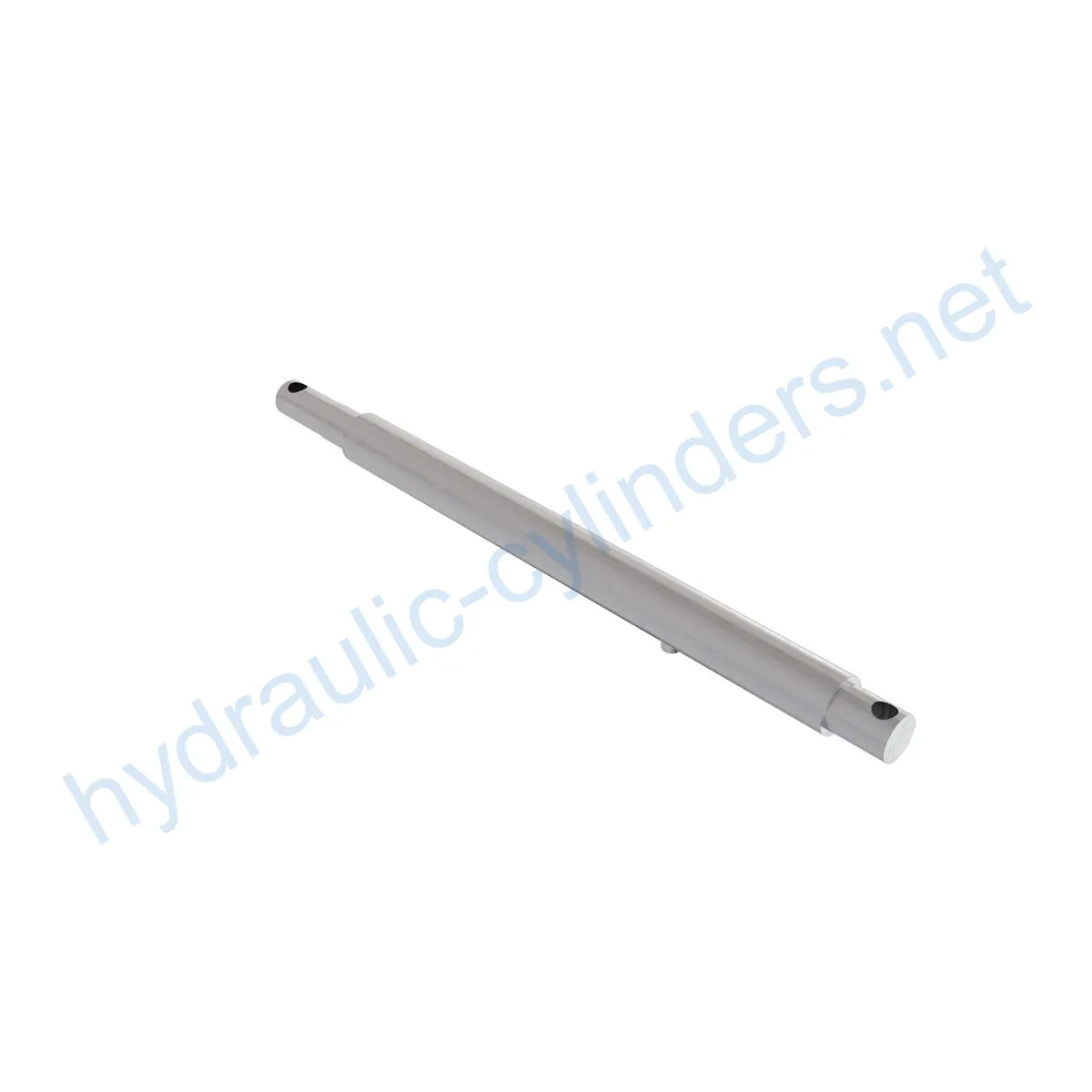
Replacement Of AHC17831 Rockshaft Hydraulic Cylinder
Kā viens no hidraulisko cilindru ražotājiem, piegādātājiem un eksportētājiem, mēs piedāvājam hidrauliskos cilindrus un daudzus citus produktus.
Lūdzu, sazinieties ar mums, lai saņemtu sīkāku informāciju.
Pasts:sales@hydraulic-cylinders.net
Hidraulisko cilindru ražotājs, piegādātājs, eksportētājs.
Replacement Of AHC17831 Rockshaft Hydraulic Cylinder
Ievads
The Replacement Of AHC17831 Rockshaft Hydraulic Cylinder is a crucial component used in various models such as T5 400, T5 500, T5 600, T5 700, T6 600, T6 700, T6 800, T550, T560, T660, T670, W540, W550, W650, and W660. This hydraulic cylinder plays a vital role in maintaining the normal operation of equipment in different applications.
Specifikācijas un modeļi
Weight: 94 lb
Augstums: 32 cm
Width: 13.9 in
Length: 51.3 in
Models: T5 400, T5 500, T5 600, T5 700, T6 600, T6 700, T6 800, T550, T560, T660, T670, W540, W550, W650, and W660
Funkcijas
- Uzlabota iekārtu veiktspēja: Bojātu vai nodilušu hidraulisko cilindru nomaiņa var atjaunot iekārtu normālas darbības spējas, nodrošinot optimālu veiktspēju dažādos pielietojumos.
- Uzlabota drošība: Regulāra hidraulisko cilindru nomaiņa samazina ar cilindru atteici saistītos drošības apdraudējumus, nodrošinot operatoru un aprīkojuma labsajūtu.
- Pārslodzes aizsardzība: Jaunizstrādātiem cilindriem bieži vien ir labāki pārslodzes aizsardzības mehānismi, kas uzlabo drošību.
- Ātra uzstādīšana: Mūsdienu hidrauliskie cilindri ir paredzēti vienkāršai uzstādīšanai un nomaiņai, tādējādi samazinot dīkstāves laiku.
- Standartizētas sastāvdaļas: Daudzi hidrauliskie cilindri ir standartizēti, kas atvieglo rezerves daļu iegūšanu tirgū.
Pieteikumi
1. Excavators: Hydraulic cylinders in excavator booms or buckets may get damaged due to prolonged use or overload, requiring replacement to restore normal operation.
2. Cranes: Crane boom hydraulic cylinders wear out easily during frequent lifting and lowering processes, necessitating regular replacement for safety reasons.
3. Tractors: Front-end loader hydraulic cylinders in tractors may experience leaks or decreased performance due to continuous lifting and tilting operations, requiring replacement.
4. Harvesters: Hydraulic systems in harvesters endure high pressure during the harvesting process, and cylinders can fatigue and become damaged, requiring timely replacement to maintain operational efficiency.
5. Automated Production Lines: Hydraulic cylinders are used to control robotic arms and other automated equipment. Cylinder failures can significantly impact production efficiency and should be replaced immediately.
6. Die Casting Machines: Hydraulic cylinders in die casting machines may experience performance degradation under high pressure and temperature conditions. Regular replacement ensures product quality.
7. Mining Equipment: Hydraulic cylinders are used for lifting and moving heavy loads in mining equipment. Due to harsh working environments, regular inspections and replacements are necessary to avoid equipment failures.
8. Bulldozers: Hydraulic cylinder wear on bulldozer blades can result in decreased pushing ability, requiring timely replacement to maintain operational efficiency.
Apkopes uzdevumi
- Regular Inspections: Conduct periodic inspections to identify potential issues and ensure proper functioning of the hydraulic cylinder.
- Proper Lubrication: Apply appropriate lubrication to the cylinder to reduce friction and enhance its performance.
- Seal Replacement and Calibration Checks: Replace seals when necessary and perform calibration checks to maintain optimal cylinder operation.
Drošības apsvērumi un vides faktori
When working with hydraulic cylinders, it is essential to prioritize safety measures. Using keywords correctly and following safety guidelines can help prevent accidents and ensure a safe working environment.
Problēmu novēršana un bieži sastopamas problēmas
1. Leakage: Check for any signs of leakage in the hydraulic cylinder. If leakage is detected, it may indicate a damaged seal or other internal issues.
2. Slow Operation: If the cylinder operates slowly, it could be due to insufficient lubrication or a blockage in the hydraulic system.
3. Irregular Movement: Inconsistent or jerky movement of the hydraulic cylinder may indicate a problem with the hydraulic fluid or internal components.
4. Noisy Operation: Unusual noises during operation may be caused by air trapped in the hydraulic system or worn-out components.
5. Cylinder Drift: If the cylinder drifts or fails to hold its position, it could be due to internal leakage or insufficient pressure.
Tips for Troubleshooting and Problem-Solving
1. Conduct a thorough inspection of the hydraulic system, checking for any signs of damage or leaks.
2. Follow the recommended repair and replacement procedures provided by the manufacturer.
3. Seek professional assistance or consult the manufacturer’s guidelines for complex troubleshooting issues.
4. Implement preventive measures, such as regular maintenance and inspections, to minimize potential problems.

Dizaina apsvērumi un atlases kritēriji
Izvēloties hidrauliskos cilindrus un to izgatavošanas metodes, jāņem vērā vairāki faktori:
- Load-Bearing Capacity: The cylinder must be able to withstand the intended load to ensure safe and efficient operation.
- Sealing Capability: High-quality seals, such as piston seals and rod seals made of durable materials like polyurethane and nitrile rubber, should be utilized to prevent leaks.
- Durability: Cylinders should be designed and manufactured to withstand challenging working conditions and provide long-term reliability.
- Safety: Incorporating safety features into the cylinder design enhances operator protection and minimizes risks.
- Maintainability: Easy access to components and the ability to perform repairs and replacements efficiently contribute to the overall maintainability of the cylinder.
Blīvēšana un eļļošana
Proper sealing and lubrication are essential for hydraulic cylinders:
- Various seals, such as piston seals and rod seals, should be used to prevent fluid leaks. These seals should be made of wear-resistant materials.
- Cylinder bodies and threaded ends should undergo precision surface treatment to improve wear resistance.
- Regular lubrication with the appropriate hydraulic oil helps maintain smooth operation and prolongs the life of the cylinder.
Regulāra pārbaude un profilaktiskā apkope
Regular inspections and preventive maintenance are crucial for hydraulic cylinders:
- Ensure proper installation, lubrication, and adjustment to maximize cylinder performance.
- Provide guidance on correctly aligning the cylinder during installation.
- Cilindra nostiprināšanai ieteicams izmantot piemērotus stiprinājuma kronšteinus.
- Sniedziet ieteikumus par ieteicamajām pārbaudes, remonta un nomaiņas procedūrām.
Hidrauliskā cilindra pielietojums:

 LV
LV  EN
EN  PT
PT  ES
ES  DE
DE  FR
FR  IT
IT  AR
AR  ZH
ZH  RU
RU  KO
KO  KA
KA  BG
BG  CS
CS  DA
DA  EL
EL  ET
ET  FI
FI  HU
HU  ID
ID  LT
LT  NB
NB  NL
NL  PL
PL  RO
RO  SK
SK  SL
SL  SV
SV  TR
TR  UK
UK