
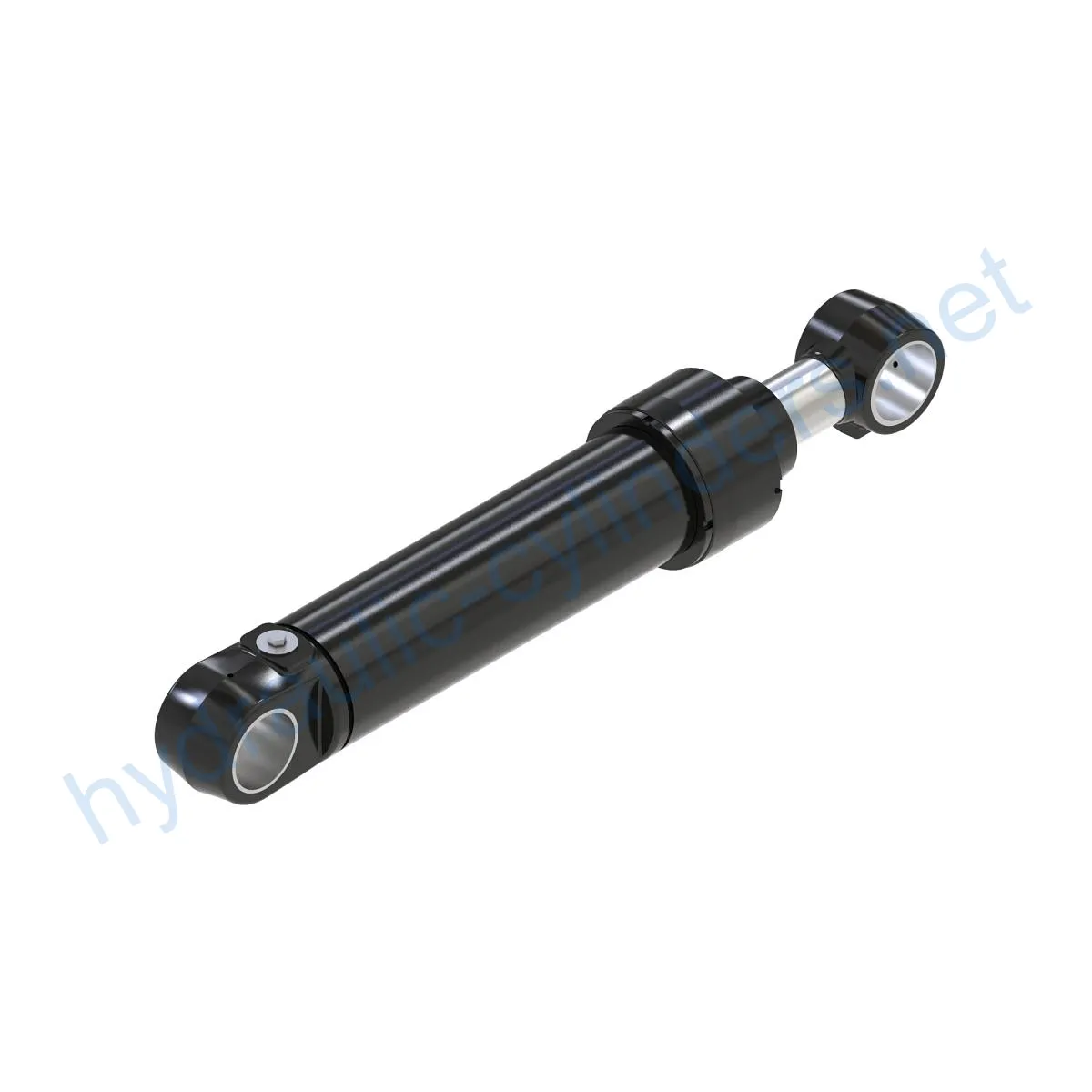
AT183261 hidrauliskā cilindra nomaiņa
Kā viens no hidraulisko cilindru ražotājiem, piegādātājiem un eksportētājiem, mēs piedāvājam hidrauliskos cilindrus un daudzus citus produktus.
Lūdzu, sazinieties ar mums, lai saņemtu sīkāku informāciju.
Pasts:sales@hydraulic-cylinders.net
Hidraulisko cilindru ražotājs, piegādātājs, eksportētājs.
Replacement Of AT183261 Hydraulic Cylinder
Produkta ievads
The Replacement Of AT183261 Hydraulic Cylinder is a crucial component used in various machinery. It plays a vital role in providing the necessary force for hydraulic systems to operate effectively.
Specifikācijas
- Weight: 19.9 lb
- Augstums: 3,3 collas
- Platums: 3,4 collas
- Length: 22.6 in
Modelis
The Replacement Of AT183261 Hydraulic Cylinder is compatible with model 210LE.
Funkcijas
- Uzlabota iekārtu veiktspēja: Bojātu vai nolietotu hidraulisko cilindru nomaiņa atjauno iekārtu normālu darbību, nodrošinot tās veiktspēju dažādos pielietojumos.
- Paaugstināta drošība: Regulāra hidraulisko cilindru nomaiņa samazina cilindru bojājumu radītos drošības apdraudējumus, nodrošinot operatoru un aprīkojuma drošību.
- Pārslodzes aizsardzība: Jaunās cilindru konstrukcijas bieži vien ietver labākus pārslodzes aizsardzības mehānismus, kas uzlabo drošību.
- Ātra uzstādīšana: Mūsdienu hidrauliskie cilindri ir izstrādāti, ņemot vērā vienkāršu uzstādīšanu un nomaiņu, tādējādi samazinot dīkstāves laiku.
- Standartizētas sastāvdaļas: Daudzi hidrauliskie cilindri ir standartizēti produkti, kas atvieglo rezerves daļu iegūšanu tirgū.
Pieteikumi
- Excavators: Hydraulic cylinders in excavator arms or buckets may get damaged due to long-term use or overload, requiring replacement to restore normal operation.
- Cranes: Hydraulic cylinders in crane boom arms are prone to wear during frequent lifting and lowering, necessitating regular replacement for safety reasons.
- Tractors: Hydraulic cylinders in front-end loader attachments of tractors may experience leaks or performance degradation during continuous lifting and tilting operations, necessitating replacement.
- Harvesters: Hydraulic systems endure high pressure during harvesting, and fatigue can lead to cylinder damage, requiring timely replacement to maintain work efficiency.
- Automatizētas ražošanas līnijas: Hidrauliskos cilindrus izmanto robotizētu roku un cita automatizēta aprīkojuma vadībai. Cilindra atteice var būtiski ietekmēt ražošanas efektivitāti, radot nepieciešamību pēc tūlītējas nomaiņas.
- Spiediena liešanas mašīnas: Augsta spiediena un augstas temperatūras vidē hidraulisko cilindru veiktspēja var pasliktināties. Regulāra nomaiņa nodrošina produkta kvalitāti.
- Kalnrūpniecības iekārtas: Hidrauliskos cilindrus izmanto smagu kravu celšanai un pārvietošanai kalnrūpniecības iekārtās. Skarbu darba apstākļu dēļ ir nepieciešama regulāra pārbaude un nomaiņa, lai izvairītos no iekārtu bojājumiem.
- Bulldozers: Wear on hydraulic cylinders in bulldozer blade arms can result in reduced pushing capacity, requiring timely replacement to maintain operational efficiency.
Apkopes uzdevumi
- Regular Inspections: Perform routine checks to identify any signs of damage or wear on the hydraulic cylinder.
- Proper Lubrication: Ensure the cylinder is appropriately lubricated to reduce friction and prolong its lifespan.
- Seal Replacement and Calibration Checks: Replace worn-out seals and conduct calibration tests to maintain optimal performance.
Drošības apsvērumi un vides faktori
When using hydraulic cylinders, it is crucial to prioritize safety measures to prevent accidents. Adequate training and adherence to safety protocols are essential to ensure the well-being of personnel and equipment. Additionally, environmental factors should be taken into account to minimize the impact of hydraulic cylinder operation on the surroundings.
Problēmu novēršana un bieži sastopamas problēmas
Faulty hydraulic cylinders can lead to various problems. Some common issues include leaks, insufficient force, and abnormal cylinder movements. To diagnose and resolve these problems effectively, consider the following tips:
- Inspect all connections and seals for potential leaks.
- Pārbaudiet hidrauliskā šķidruma līmeni un kvalitāti.
- Nodrošiniet pareizu cilindra novietojumu un izlīdzinājumu.
- Verify that the hydraulic system is free from any blockages or obstructions.
Preventīvie pasākumi
To minimize potential issues, it is recommended to:
- Follow a regular maintenance schedule.
- Uzraudzīt hidrauliskā šķidruma līmeni un kvalitāti.
- Perform routine inspections for signs of wear or damage.
- Provide proper operator training on hydraulic cylinder operation.
Dizaina apsvērumi un atlases kritēriji
Izvēloties hidraulisko cilindru, jāņem vērā vairāki faktori:
- Load-Bearing Capacity: The cylinder must be able to withstand the intended load.
- Sealing Capability: Seals should effectively prevent leakage and ensure system integrity.
- Durability: The cylinder should be able to withstand the operating conditions and maintain performance over time.
- Safety: Consider safety features such as overload protection mechanisms.
- Maintainability: The design should allow for easy maintenance and repair.
Blīvēšana un eļļošana
Hydraulic cylinders use various sealing components, such as piston seals and rod seals, made of durable materials like polyurethane and nitrile rubber. The cylinder body and threaded ends undergo meticulous surface treatment to enhance wear resistance. Regular lubrication with appropriate hydraulic oil is necessary to ensure smooth operation.
Regulāra pārbaude un profilaktiskā apkope
Regular inspection and preventive maintenance are essential for optimal hydraulic cylinder performance. Proper installation, lubrication, and adjustment are crucial. Providing guidance on aligning the cylinder correctly and recommending the use of suitable mounting brackets to secure the cylinder can significantly extend its lifespan. Additionally, suggesting inspection, repair, and replacement procedures, as well as offering component replacement and rebuilding services, can help improve the longevity of hydraulic cylinders.
Drošības apsvērumi un vides faktori
When using hydraulic cylinders, it is crucial to prioritize safety measures to prevent accidents. Adequate training and adherence to safety protocols are essential to ensure the well-being of personnel and equipment. Additionally, environmental factors should be taken into account to minimize the impact of hydraulic cylinder operation on the surroundings.
Problēmu novēršana un bieži sastopamas problēmas
Hydraulic cylinder problems may arise due to various reasons. Common issues include leaks, insufficient force generation, and irregular movements. To diagnose and resolve these problems effectively, consider the following tips:
- Inspect all connections and seals for potential leaks.
- Pārbaudiet hidrauliskā šķidruma līmeni un kvalitāti.
- Nodrošiniet pareizu cilindra novietojumu un izlīdzinājumu.
- Verify that the hydraulic system is free from any blockages or obstructions.
<
Hidrauliskā cilindra pielietojums:

 LV
LV  EN
EN  PT
PT  ES
ES  DE
DE  FR
FR  IT
IT  AR
AR  ZH
ZH  RU
RU  KO
KO  KA
KA  BG
BG  CS
CS  DA
DA  EL
EL  ET
ET  FI
FI  HU
HU  ID
ID  LT
LT  NB
NB  NL
NL  PL
PL  RO
RO  SK
SK  SL
SL  SV
SV  TR
TR  UK
UK