
Fluid Power Mechanical Engineering
What Is the Difference Between Welded and Tie Rod Hydraulic Cylinders?
A definitive engineering comparison of welded hydraulic cylinder construction versus tie rod cylinder architecture, examining structural integrity, pressure containment, maintenance protocols, and industrial application suitability.

Understanding the Fundamental Design Divergence in Fluid Power Actuators
Within the exacting discipline of fluid power engineering, the selection between welded and tie rod hydraulic cylinders represents a pivotal architectural decision that reverberates through every aspect of machine performance, durability, and lifecycle cost. Hydraulic cylinders serve as the muscular foundation of countless industrial and mobile applications, converting pressurized hydraulic fluid energy into linear mechanical force with remarkable efficiency. Yet the seemingly simple question of what is the difference between welded and tie rod hydraulic cylinders unlocks a complex matrix of engineering trade-offs encompassing pressure containment methodology, spatial efficiency, resistance to mechanical shock and fatigue, environmental robustness, and the practical realities of field maintenance and repair.
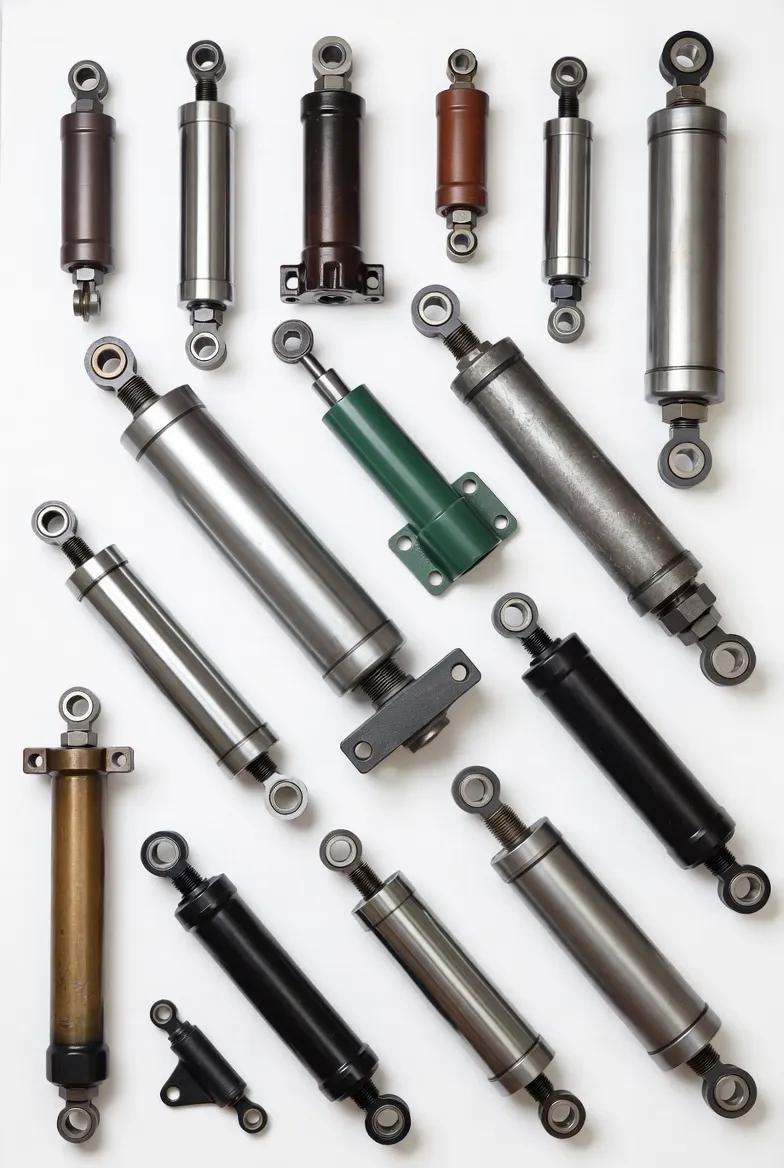
At their core, both welded and tie rod hydraulic cylinders achieve identical functional objectives: the controlled extension and retraction of a piston rod assembly to perform useful work. However, the means by which they contain thousands of pounds per square inch of internal hydraulic pressure diverge radically. The tie rod hydraulic cylinder employs a modular, mechanically clamped assembly wherein high tensile steel rods and torque tightened nuts compress the cylinder barrel between removable end caps. In stark contrast, the welded body hydraulic cylinder utilizes permanent metallurgical fusion through automated welding processes to create a monolithic, single piece pressure vessel with integrated end closures and porting. This fundamental distinction in manufacturing philosophy cascades into profound differences in physical envelope, structural behavior under cyclic loading, and the economics of long term ownership.
This authoritative technical treatise provides an exhaustive comparative analysis of welded versus tie rod hydraulic cylinder construction. Drawing upon established fluid power engineering principles, industry standards including NFPA dimensional guidelines, and decades of field performance data, we will dissect the relative merits and limitations of each design across a comprehensive range of evaluation criteria. Whether specifying cylinders for a high speed automated assembly line, a heavy construction excavator, or a corrosive marine environment, the insights contained herein will empower engineers and equipment designers to make informed, application optimized actuator selections that maximize reliability and minimize total cost of ownership.
Tie Rod Hydraulic Cylinders: Modular Clamped Construction
The tie rod cylinder represents the traditional and most widely recognized configuration in industrial fluid power, characterized by its external threaded rods and square end cap geometry.
Mechanical Clamping and Pressure Containment
The tie rod hydraulic cylinder assembly comprises a precision honed seamless steel barrel sandwiched between a removable head gland and a base end cap. Structural integrity and pressure containment are achieved through four or more high strength threaded steel tie rods positioned around the barrel exterior. These tie rods are tensioned to precise torque specifications using heavy duty hex nuts, generating substantial axial clamping forces that compress static elastomeric O-ring seals between the barrel and end caps. This mechanical clamping arrangement creates a robust and serviceable pressure vessel capable of withstanding continuous operating pressures typically up to 3000 PSI in standard industrial configurations. The reliance on externally accessible threaded fasteners is both the defining characteristic and the primary serviceability advantage of this design.
NFPA Dimensional Interchangeability
A paramount advantage of tie rod hydraulic cylinders, particularly within North American industrial markets, is their strict adherence to National Fluid Power Association (NFPA) dimensional standards. This standardization mandates that cylinders of a given bore diameter, stroke length, and mounting configuration possess identical physical envelope dimensions irrespective of the original equipment manufacturer. The implications for plant maintenance and operational continuity are profound. In the event of a cylinder failure on a critical production machine, a functionally and dimensionally identical replacement unit can be sourced from any local fluid power distributor and installed with minimal machine downtime. This interchangeability eliminates the need for custom fabricated replacements, drastically reducing mean time to repair and associated production losses in high volume manufacturing environments.

Welded Body Hydraulic Cylinders: Monolithic Metallurgical Fusion
Welded hydraulic cylinder construction emerged from the demanding requirements of mobile equipment applications where compact size, extreme structural rigidity, and resistance to harsh environmental conditions are paramount.
⚡Permanent Fusion and Integrated Porting
In welded hydraulic cylinder construction, the base end cap is permanently joined to the seamless steel cylinder barrel through automated circumferential welding processes, including submerged arc welding or friction welding techniques. Additionally, hydraulic fluid ports, mounting clevises, trunnion pins, and other attachment features are typically welded directly to the barrel exterior or end cap structures. This integrated manufacturing approach eliminates the need for external tie rods and bulky square end caps, resulting in a sleek, compact, and exceptionally rigid actuator assembly. The front cylinder head gland is generally retained by a robust threaded connection machined into the internal diameter of the barrel, providing secure retention while preserving the ability to disassemble the cylinder for internal seal service and component replacement when necessary.
?Application Specific Custom Engineering
In direct contrast to the standardized dimensions of tie rod cylinders, welded body hydraulic cylinders are predominantly custom engineered to meet the precise spatial and performance specifications of a particular machine or vehicle platform. Original equipment manufacturers of construction machinery, agricultural equipment, mining vehicles, and material handling systems specify exact bore diameters, stroke lengths, rod diameters, mounting center distances, and port orientations to seamlessly integrate the actuator within their proprietary chassis designs. This freedom from standardized envelope constraints empowers design engineers to optimize every aspect of cylinder performance including fluid flow dynamics, seal selection, and structural load paths to perfectly complement the intended operational duty cycle and maximum payload capacity of the host machine.

Comparative Performance Analysis: Welded vs Tie Rod Cylinders
A rigorous engineering comparison across critical performance dimensions reveals the distinct operational niches occupied by each cylinder design philosophy.
Physical Envelope and Space Claim
Tie Rod Cylinders: The external tie rods and square end caps inherent to this design consume considerable installation space. This bulk is generally acceptable within stationary industrial machinery where spatial constraints are less severe.
Welded Cylinders: The absence of external hardware and the use of compact, rounded end profiles yield a significantly smaller spatial footprint. Welded hydraulic cylinders are the preferred and often only viable choice for mobile equipment applications where multiple actuators must be densely packaged within confined chassis envelopes.
Resistance to Shock and Tensile Fatigue
Tie Rod Cylinders: The pressure containing function depends entirely on the tensile preload maintained in the external tie rods. Severe shock loads or pressure spikes can induce plastic elongation of the tie rods, permanently reducing clamping force and leading to catastrophic O-ring extrusion and fluid blowout failures.
Welded Cylinders: The monolithic welded steel structure exhibits exceptional resistance to hydrostatic shock, lateral vibration, and mechanical impact. The absence of mechanically clamped joints susceptible to loosening or stretching makes welded cylinders the definitive choice for heavy equipment subjected to continuous high impulse loading.
Environmental Durability and Corrosion
Tie Rod Cylinders: The myriad crevices between tie rods, nuts, and end caps serve as collection points for abrasive dust, mud, ice, and corrosive agricultural or industrial chemicals. This debris accumulation accelerates external corrosion, damages protective paint coatings, and significantly complicates future disassembly efforts.
Welded Cylinders: The smooth, continuous exterior profile of a welded cylinder naturally sheds environmental contaminants. This inherent self cleaning characteristic, combined with robust protective paint systems, renders welded hydraulic cylinders vastly superior for outdoor, marine, and other harsh environmental service conditions.
Serviceability, Maintenance, and Lifecycle Economics
The long term total cost of ownership for fluid power systems is heavily influenced by the ease and speed with which internal seal replacements and other common maintenance procedures can be executed.
- ✅
Tie Rod Cylinder Serviceability Advantage: The defining maintenance advantage of tie rod cylinders lies in their field serviceability. Using standard hand tools, a technician can frequently remove the tie rod nuts, slide the barrel off the piston assembly, and access all internal seals and wear components directly on the factory floor without removing the cylinder from its mounting brackets. This rapid, on site repair capability minimizes production downtime in critical manufacturing operations. Furthermore, the NFPA standardization ensures that replacement seal kits and even complete cylinder assemblies are readily available from local distribution networks, eliminating extended lead times for custom manufactured components.
- ⚠️
Welded Cylinder Repair Complexity: Servicing the internal components of a welded hydraulic cylinder presents significantly greater challenges. The threaded head gland is typically installed with high strength thread locking compounds and torqued to values exceeding several thousand foot pounds. Disassembly mandates removing the entire cylinder from the machine and securing it in a specialized hydraulic breakout bench equipped with powerful torque multipliers or hydraulic wrenches. This level of repair is often beyond the capabilities of typical field maintenance crews and necessitates outsourcing to a dedicated hydraulic repair facility. While the initial durability of welded cylinders often extends service intervals, the repair process when required is inherently more time consuming, costly, and logistically complex.

Industrial Application Mapping and Selection Criteria
The divergent strengths and limitations of welded and tie rod hydraulic cylinders naturally segment their dominance across distinct sectors of the global industrial and mobile equipment landscape.
Industrial Automation and Manufacturing
Tie rod hydraulic cylinders reign supreme in stationary industrial applications including plastic injection molding machines, machine tool workholding fixtures, automated assembly lines, and material forming presses. The controlled, clean factory environment minimizes concerns regarding corrosion and debris ingress, while the NFPA standardized interchangeability and rapid field serviceability align perfectly with the operational priority of minimizing costly production line downtime. The relative bulk of tie rod cylinders is readily accommodated within the spacious confines of industrial machinery frames.
Mobile Heavy Equipment and Off-Highway Vehicles
Welded body hydraulic cylinders are the undisputed standard throughout the mobile equipment sector. From construction excavators and wheel loaders to agricultural tractors, forestry harvesters, and mining shovels, welded cylinders provide the compact packaging, extreme structural rigidity, and shock load tolerance essential for survival in these punishing applications. The smooth exterior profile resists mud packing and corrosion, while the monolithic welded construction ensures reliable pressure containment despite continuous vibration and impact loading.
Specialty and Severe Duty Applications
For applications involving extreme pressures, critical safety requirements, or exposure to highly corrosive media, custom engineered welded cylinders constructed from stainless steel alloys or incorporating advanced surface treatments are specified. Offshore marine cranes, subsea actuation systems, chemical processing equipment, and nuclear service applications demand the enhanced structural integrity and corrosion resistance inherent to properly designed and fabricated welded hydraulic cylinder assemblies.
The question of what is the difference between welded and tie rod hydraulic cylinders ultimately resolves to a careful evaluation of application specific priorities. Engineers must weigh the competing demands of spatial constraints, environmental conditions, shock loading severity, and the logistical realities of long term maintenance when selecting between these two foundational fluid power actuator architectures.

Conclusion: Engineering Informed Actuator Selection
The distinction between welded and tie rod hydraulic cylinders constitutes far more than a simple manufacturing detail it represents a fundamental divergence in design philosophy with profound implications for fluid power system performance and longevity. Tie rod cylinders, with their modular clamped construction and adherence to NFPA dimensional standards, provide unmatched serviceability and component interchangeability, making them the cornerstone of industrial automation and manufacturing applications where uptime is the preeminent metric. Welded hydraulic cylinders, forged through permanent metallurgical fusion, deliver the compact form factor, structural robustness, and environmental resilience demanded by the brutal operating conditions of mobile heavy equipment and severe duty industrial service. Neither design is inherently superior in absolute terms; rather, each excels within its intended operational niche. By meticulously analyzing the specific requirements of spatial envelope, shock loading, environmental exposure, and maintenance accessibility, engineering professionals can confidently specify the optimal hydraulic cylinder architecture that will deliver reliable, safe, and cost effective linear force generation throughout the intended service life of the machine.