


Armsylinder for John Deere E140LC
Introduksjon
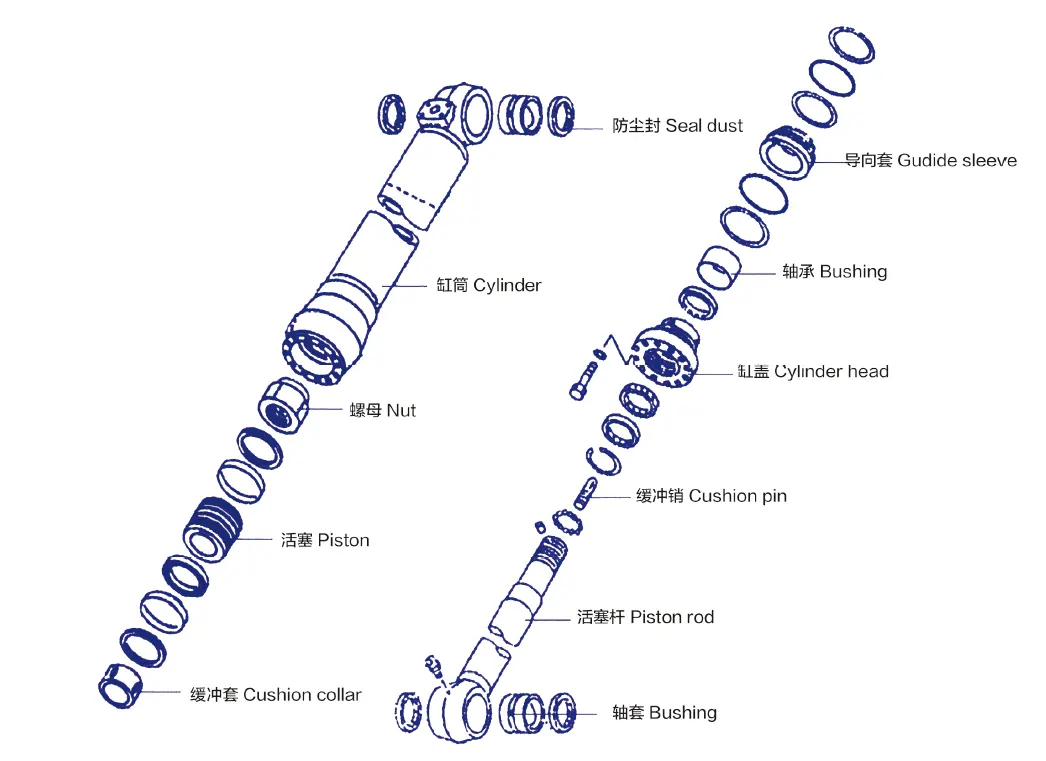
The Arm Cylinder for John Deere E140LC is a specially designed hydraulic cylinder that provides linear motion and power to the arm of various types of machinery such as excavators, cranes, and robotic arms. The arm cylinder plays a crucial role in hydraulic systems, allowing for the effective movement and control of additional tools or attachments. These cylinders not only enable smooth motion but also withstand heavy loads, ensuring efficient operation and reliability of the machinery in various working conditions.

Funksjoner
- Høyeffektiv girkasse: Armsylinderen gir kraftig lineær bevegelse og kraft, noe som sikrer høy ytelse for den mekaniske armen i ulike operasjoner.
- Presis kontroll: Through the hydraulic system, the arm cylinder enables accurate motion control, making the operation of attached tools more flexible and precise.
- Varighet: Armsylindere er vanligvis laget av høyfaste materialer, som gir utmerket slitasje- og korrosjonsbestandighet, og er egnet for langvarig bruk i tøffe miljøer.
- Allsidig tilpasningsevne: Disse sylindrene kan brukes i stor grad på ulike typer maskiner, som gravemaskiner, kraner og robotarmer, og tilpasser seg ulike arbeidskrav.
- Enkelt vedlikehold: Designed with easy maintenance and replacement in mind, the arm cylinders facilitate convenient regular inspections and maintenance, reducing equipment downtime.


Bruksområder
Arm cylinders find extensive use in the following industries and applications:
1. Byggteknikk
In excavators and cranes, arm cylinders control the movement of the bucket or boom, facilitating earthwork operations, material handling, and structural installation.
2. Produksjon
I automatiserte produksjonslinjer muliggjør armsylindre bevegelse av robotarmer for montering, sveising og materialhåndteringsprosesser, noe som forbedrer produksjonseffektiviteten og presisjonen.
3. Landbruksmaskiner
In agricultural machinery such as harvesters and seeders, arm cylinders control the movement of operating arms to perform tasks such as seeding, fertilizing, and harvesting.
4. Gruvedrift
In mining equipment, arm cylinders are used to control the arm movement of mining devices, facilitating ore extraction and transportation.
5. Logistics and Transport
I gaffeltrucker og håndteringsroboter styrer armsylindere løfting og bevegelse av gafler, noe som muliggjør materialhåndtering og stabling.


Designhensyn og utvalgskriterier
When it comes to the design of arm cylinders, there are several key considerations and selection criteria:
1. Bæreevne
The arm cylinder should be designed to handle the specific load requirements of the machinery it will be used in, ensuring optimal performance and safety.
2. Tetting
Various sealing components, such as piston seals and rod seals, should be used to maintain the integrity of the hydraulic system. These seals are typically made from wear-resistant materials such as polyurethane and nitrile rubber.
3. Holdbarhet
The arm cylinder should be constructed with high-strength materials and undergo precise surface treatments to enhance wear resistance, ensuring a long service life even in demanding conditions.
4. Sikkerhet
Emphasis should be placed on the design of the arm cylinder to ensure safe operation, minimizing the risk of accidents or malfunctions.
5. Vedlikeholdbarhet
The design should consider ease of maintenance and repair, allowing for convenient inspections, replacements, and reducing downtime.


Tetting og smøring
The arm cylinder utilizes various sealing components, such as piston seals and rod seals, which are made from wear-resistant materials like polyurethane and nitrile rubber. The cylinder body and threaded ends undergo meticulous surface treatments to enhance wear resistance. Regular lubrication with the appropriate amount of hydraulic oil is required to ensure smooth operation and longevity.
Regelmessig inspeksjon og forebyggende vedlikehold
Regular inspection and preventive maintenance measures are essential for ensuring the optimal performance and longevity of the arm cylinder:
1. Inspection:
Regularly inspect the arm cylinder for any signs of damage, leakage, or abnormal wear. Check the condition of the seals, cylinder body, and threaded ends. Lubricate as needed.
2. Forebyggende vedlikehold:
Follow the manufacturer’s recommended maintenance schedule. Replace seals and other components as necessary. Ensure proper lubrication and monitor hydraulic system performance.
Produktinstallasjonsveiledning
Riktig montering av armsylinderen er avgjørende for dens ytelse og levetid. Følg disse retningslinjene:
1. Preparation:
Ensure that the hydraulic system is depressurized and the machinery is safely secured. Assemble any necessary brackets or mounting hardware.
2. Cylinder Installation:
Carefully position the arm cylinder in the desired location, aligning the mounting holes. Attach the cylinder to the machinery using the appropriate bolts and hardware. Ensure proper alignment and secure tightening.
3. Hydraulic Connections:
Connect the hydraulic hoses to the designated ports on the arm cylinder, following the hydraulic system diagram or manufacturer’s instructions. Use appropriate fittings and ensure tight connections.


Sikkerhetshensyn og miljøfaktorer
When using arm cylinders, it is essential to prioritize safety measures to prevent accidents and ensure the well-being of operators. Consider the following safety aspects:
- Provide appropriate operator training on the safe use and maintenance of the machinery.
- Implement proper lockout/tagout procedures to prevent accidental operation during maintenance or repair.
- Follow all relevant safety regulations and guidelines specific to the industry and machinery.
- Regularly inspect and maintain safety features such as safety valves and pressure relief devices.
- Consider environmental factors such as temperature, humidity, and exposure to corrosive substances that may affect the performance and longevity of the arm cylinder.
Feildiagnose og vanlige problemer
Understanding potential faults and common issues with arm cylinders can help in diagnosing and resolving problems effectively. Here are a few examples:
1. Lekkasje:
Inspect the seals for damage or wear. Replace faulty seals or tighten connections as necessary.
2. Slow or Inconsistent Movement:
Check the hydraulic fluid level and condition. Ensure proper lubrication and inspect the hydraulic system for any blockages or malfunctions.
3. Excessive Noise or Vibration:
Inspect the arm cylinder and surrounding components for any loose or damaged parts. Tighten connections or replace worn-out components as necessary.
4. Loss of Power or Force:
Check the hydraulic system pressure and flow rate. Inspect the arm cylinder for any internal damage or wear. Consult a professional if needed.
Feilsøkingstips og løsninger
Here are some troubleshooting tips and solutions to help readers diagnose and resolve issues effectively:
- Refer to the machinery’s operating manual and follow the troubleshooting guidelines provided.
- Consult a qualified technician or the manufacturer’s technical support for guidance