


DBK Series Pilot Operated Pressure Relief Hydraulic Valve
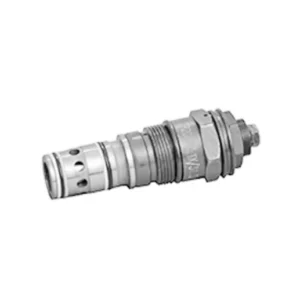

The DBK series pilot-operated pressure relief hydraulic valve is a cutting-edge component that provides precise and reliable pressure control in hydraulic systems. With its advanced pilot-operated design and exceptional performance, this valve ensures efficient and safe operation by regulating system pressure within desired limits.
The DBK series pilot-operated pressure relief hydraulic valve is a high-performance solution for precise pressure control in hydraulic systems. With its pilot-operated design, pressure control accuracy, wide pressure range, and fast response time, this valve ensures efficient and safe operation while protecting system components. Following the recommended usage methods and maintenance practices, the DBK series valve delivers reliable performance, extending the lifespan of hydraulic systems. Upgrade your hydraulic system with the DBK series pilot-operated pressure relief hydraulic valve and experience optimal pressure control for enhanced system efficiency and productivity.
DBK Series Pilot Operated Pressure Relief Hydraulic Valve Key Characteristics:
- Pilotdrevet design:
- The DBK series valve features a pilot-operated design, allowing it to deliver precise pressure control in hydraulic systems.
- Den bruker en kontrollpilot til å modulere hovedventilen, noe som gir nøyaktig og responsiv trykkavlastning.
- Trykkkontrollens nøyaktighet:
- Denne ventilen tilbyr eksepsjonell trykkkontrollnøyaktighet, og sikrer at det hydrauliske systemet opererer innenfor ønskede trykkgrenser.
- Den opprettholder konsistente trykknivåer, forhindrer overtrykk og beskytter systemkomponenter.
- Bredt trykkområde:
- The DBK Series Valve provides a wide pressure control range, making it suitable for various hydraulic applications.
- Det tillater tilpasning for å matche spesifikke systemkrav og optimalisere ytelsen.
- Rask responstid:
- With its pilot-operated mechanism, the DBK series valve exhibits a rapid response time to changes in pressure.
- Den justerer raskt strømningsbanen for å avlaste overtrykk, noe som sikrer stabil og pålitelig systemdrift.
DBK Series Pilot Operated Pressure Relief Hydraulic Valve Parameter:
| NS | 6 | 10 | ||
| Væske | Mineralolje egnet for NBR- og FKM-tetninger | |||
| Fosfatester for FKM-tetning | ||||
| Væsketemperaturområde | ℃ | -30 til +80 (NBR-tetning) | ||
| -20 til +80 (FKM-tetning) | ||||
| Viskositetsområde | mm2/s | 10 til 800 | ||
| Grad av forurensning | Maksimal tillatt grad av væskeforurensning: Klasse 9. NAS 1638 eller 20/18/15, ISO4406 | |||
| Maks. driftstrykk | bar | 315 | ||
| Max. adjustable pressure | bar | 50; 100; 200; 315 | ||
| Maks. strømningshastighet | l/min | to 60 | to 100 | |
| Vekt | kg | about 0.22 | about 0.3 | |
DBK Series Pilot Operated Pressure Relief Hydraulic Valve Advantages:
• Plug-in structure
• Fire trykkområder
• To justeringstyper: knott, justeringsskrue med beskyttelseshette
Usage Method Of DBK Series Pilot Operated Pressure Relief Hydraulic Valve:
- Systemanalyse:
- Conduct a comprehensive analysis of the hydraulic system to determine the specific pressure control requirements.
- Consider factors such as maximum operating pressure, desired pressure range, and flow rates.
- Ventilvalg:
- Select the appropriate DBK series valve variant based on the system’s pressure control specifications.
- Consider factors such as pressure rating, flow capacity, and compatibility with other system components.
- Installasjon:
- Follow the manufacturer’s instructions to correctly install the DBK series pilot operated pressure relief Valve in the hydraulic system.
- Sørg for riktig justering og sikker tilkobling for å forhindre lekkasjer og optimalisere ytelsen.
- Trykkjustering:
- Adjust the valve’s control pilot to set the desired pressure relief level.
- Refer to the valve’s technical documentation for guidance on adjusting the pilot pressure accurately.
How Does A Hydraulic Pressure Reducing Valve Work?
A hydraulic pressure reducing valve, also known as a pressure regulator, is a critical component in hydraulic systems. Its primary function is to regulate and reduce the pressure of hydraulic fluid to a desired level. This allows for precise control of pressure and ensures the safe and efficient operation of hydraulic machinery. Let’s explore how a hydraulic pressure reducing valve works:
- Ventildrift:
- A hydraulic pressure reducing valve typically consists of a valve body, a spring-loaded control element, and an adjustable spring.
- The valve body contains an inlet port, an outlet port, and a control chamber connected to the spring-loaded control element.
- Trykkjustering:
- The adjustable spring in the control chamber determines the desired pressure setting of the valve.
- By compressing or decompressing the spring, the target pressure can be adjusted.
- Pressure Reduction:
- When hydraulic fluid enters the valve through the inlet port at a higher pressure than the desired setpoint, it encounters the control element.
- The control element, often a piston or diaphragm, is pushed against the spring by the incoming fluid pressure.
- Spring Force Balance:
- As the fluid pressure increases, the control element compresses the spring to resist the force exerted by the fluid.
- Once the spring force is balanced by the fluid pressure, the control element reaches an equilibrium position, maintaining a stable output pressure.
- Trykkstabilisering:
- The control element modulates the flow of hydraulic fluid, restricting it to the outlet port.
- By controlling the flow area, the valve ensures that the pressure at the outlet port remains at or below the desired setpoint.
- Pressure Monitoring:
- The valve continuously monitors the pressure at the outlet port.
- If the pressure exceeds the setpoint, the control element adjusts to restrict the flow, allowing excess fluid to bypass and maintain the desired pressure.
Fabrikkens kapasitet og kapasitet:
(1) Montering
Vi har en førsteklasses uavhengig forsknings- og utviklingsplattform for montering. Verkstedet for produksjon av hydrauliske sylindere har fire halvautomatiske monteringslinjer for løftesylindere og én automatisk monteringslinje for vippesylindere, med en årlig produksjonskapasitet på 1 million enheter. Spesialsylinderverkstedet er utstyrt med ulike spesifikasjoner for et halvautomatisk rengjøringsmonteringssystem med en årlig produksjonskapasitet på 200 000 enheter, og er utstyrt med kjent CNC-maskineringsutstyr, et maskineringssenter, spesialutstyr for høypresisjons sylinderbehandling, en robotsveisemaskin, en automatisk rengjøringsmaskin, en automatisk sylindermonteringsmaskin og en automatisk produksjonslinje for lakkering. Vi har mer enn 300 sett (sett) av kritisk utstyr. Optimal allokering og effektiv bruk av utstyrsressurser sikrer nøyaktighetskravene til produktene og oppfyller produktenes høye kvalitetsbehov.


(2) Maskinering
Maskineringsverkstedet er utstyrt med et spesialtilpasset dreiesenter for skrå skinner, maskineringssenter, høyhastighets honemaskin, sveiserobot og annet relatert utstyr, som kan håndtere bearbeiding av sylinderrør med en maksimal indre diameter på 400 mm og en maksimal lengde på 6 meter.


(3) Sveising


(4) Maling og belegg
Med små og mellomstore sylinderautomatiske vannbaserte malingsbeleggslinjer, for å oppnå automatisk robotlasting og -lossing og automatisk sprøyting, er den designede kapasiteten 4000 stykker per skift;
Vi har også en halvautomatisk produksjonslinje for maling for store sylindere drevet av en kabelkjede, med en designkapasitet på 60 kasser per skift.


(5) Testing
Vi har førsteklasses inspeksjonsfasiliteter og testbenker for å sikre at sylinderens ytelse oppfyller kravene.


Vi er en av de beste produsentene av hydrauliske sylindere. Vi kan tilby et omfattende utvalg av hydrauliske sylindere. Vi tilbyr også tilsvarende landbruksgirkasserVi har eksportert produktene våre til kunder over hele verden og opparbeidet oss et godt rykte på grunn av vår overlegne produktkvalitet og ettersalgsservice. Vi ønsker kunder i inn- og utland velkommen til å kontakte oss for å forhandle om forretninger, utveksle informasjon og samarbeide med oss!