


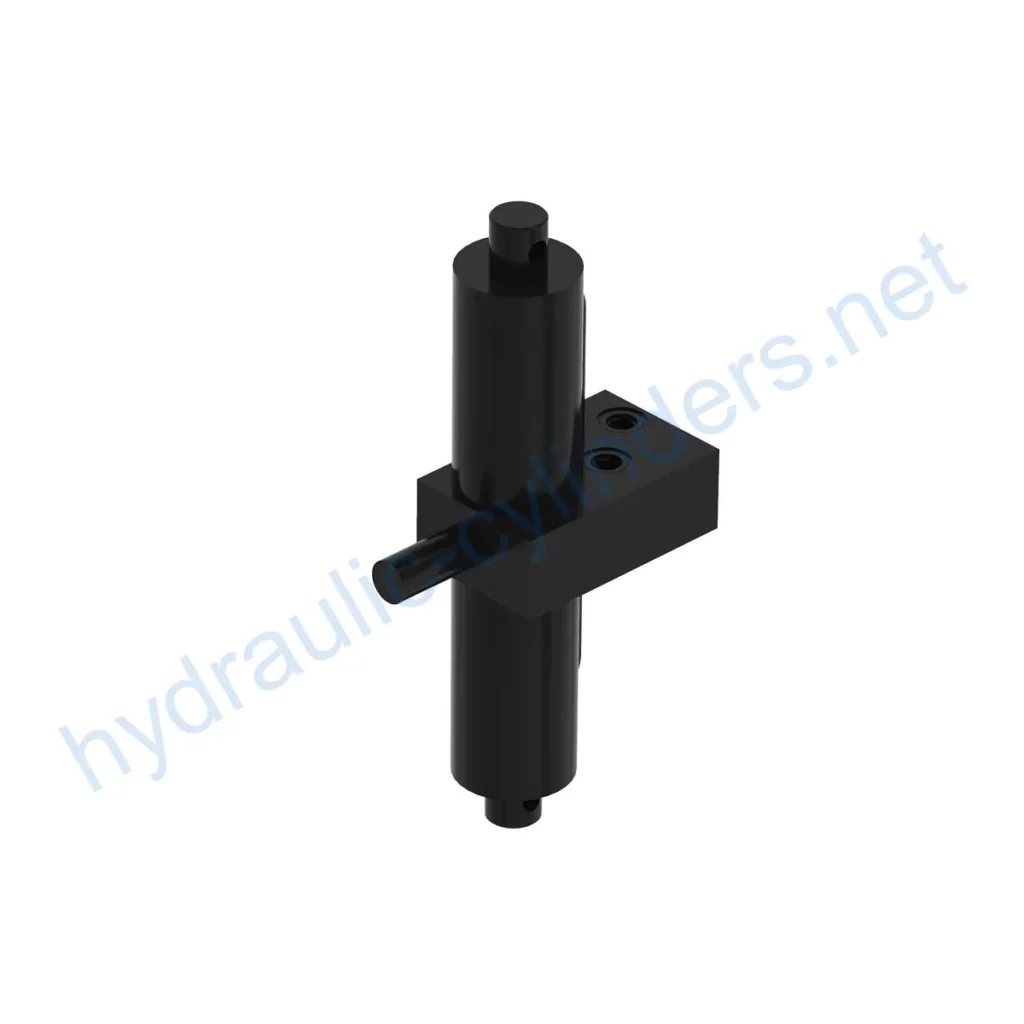
Replacement Of AHC19297 Hydraulic Cylinder
First, let’s define the product and explain what this hydraulic cylinder is and its purpose. The Replacement Of AHC19297 Hydraulic Cylinder is a crucial component used in various applications to provide hydraulic power. It is designed to convert fluid power into linear mechanical force, allowing for precise control and movement.
Spesifikasjoner og modeller
Spesifikasjoner
- Weight: 19.09 lb
- Høyde: 11,3 cm
- Bredde: 20 cm
- Length: 15.7 in
Modeller
- 744 P
- 744 X
- 744L
- 824 P
- 824 X
- 824L
Viktige funksjoner
- Forbedret utstyrsytelse: Utskifting av skadede eller slitte hydrauliske sylindere kan gjenopprette utstyrets normale driftsevne, noe som sikrer optimal ytelse i ulike bruksområder.
- Forbedret sikkerhet: Regelmessig utskifting av hydrauliske sylindere kan redusere sikkerhetsfarer forårsaket av sylinderfeil, og dermed sikre operatørers og utstyrs sikkerhet.
- Overbelastningsbeskyttelse: Nye sylinderdesign har ofte bedre overbelastningsbeskyttelsesmekanismer, noe som forbedrer den generelle sikkerheten.
- Rask installasjon: Moderne hydrauliske sylindere er designet med tanke på enkel installasjon og utskifting, noe som minimerer nedetid.
- Standardiserte komponenter: Mange hydrauliske sylindere er standardiserte produkter, noe som gjør det enklere å få tak i reservedeler på markedet.
We have the capability to produce this product, and our cylinders are perfect replacements for the ones mentioned. Now, let’s explore some application scenarios where this hydraulic cylinder is commonly used:
Søknadsscenarier
- Excavators: Hydraulic cylinders in excavator arms or buckets may become damaged due to prolonged use or overload, requiring replacement to restore normal operation.
- Kraner: Hydrauliske sylindere i kranarmer er utsatt for slitasje under hyppige løfte- og senkeprosesser, noe som nødvendiggjør regelmessig utskifting for å sikre sikkerheten.
- Tractors: Hydraulic cylinders in front-end loader attachments of tractors may experience leaks or decreased performance during constant lifting and tilting operations, requiring replacement.
- Harvesters: The hydraulic system in harvesters operates under high pressure, and fatigue can cause cylinder damage, requiring timely replacement to maintain work efficiency.
- Automated Production Lines: Hydraulic cylinders are used to control robotic arms and other automated equipment. Cylinder failures can significantly impact production efficiency, so immediate replacement is necessary.
- Støpemaskiner: I miljøer med høyt trykk og høy temperatur kan hydrauliske sylindere oppleve ytelsesforringelse. Regelmessig utskifting sikrer produktkvaliteten.
- Mining Equipment: Hydraulic cylinders are used in lifting and moving heavy loads in mining equipment. Due to harsh working conditions, regular inspection and replacement are necessary to avoid equipment failures.
- Bulldozers: Wear on hydraulic cylinders in bulldozer blade arms can lead to a decrease in pushing power. Timely replacement is necessary to maintain operational efficiency.
Now, let’s discuss some maintenance tasks for the hydraulic cylinder:
Vedlikeholdsoppgaver
- Regular Inspection: Periodically inspecting the hydraulic cylinder for any signs of wear, leaks, or damage is essential to identify potential issues early on.
- Proper Lubrication: Ensuring the hydraulic cylinder is adequately lubricated with the right type and amount of hydraulic oil helps reduce friction and extend its lifespan.
- Seal Replacement and Calibration Checks: Replacing worn-out seals and conducting calibration checks on the hydraulic cylinder’s performance are crucial for maintaining optimal functionality.
During installation, it is important to provide proper guidance on aligning the cylinder correctly. Using appropriate installation brackets to secure the cylinder is recommended. We also recommend following the recommended inspection, repair, and replacement procedures and utilizing our replacement parts and rebuilding services to enhance the lifespan of the hydraulic cylinder.
Safety considerations and environmental factors play an important role when using hydraulic cylinders. Employing safety measures when handling these cylinders is vital to prevent accidents and ensure operator well-being. Additionally, adhering to proper environmental protocols when disposing of old cylinders and using eco-friendly materials in manufacturing can contribute to a sustainable approach.
Now, let’s address common troubleshooting and frequently asked questions related to hydraulic cylinders:
Feilsøking og ofte stilte spørsmål
Feilsøking
- Problem: Cylinder not extending or retracting properly.
Solution: Check for hydraulic fluid leaks, inspect the seals, and ensure proper lubrication. If the issue persists, consult a professional for further diagnosis. - Problem: Excessive noise during cylinder operation.
Solution: Inspect for loose or damaged components, ensure proper alignment, and check for contamination in the hydraulic fluid. - Problem: Slow cylinder movement.
Solution: Check the hydraulic fluid level and quality, inspect for obstructions or restrictions in the hydraulic system, and ensure proper lubrication.
By following these troubleshooting tips and solutions, readers can effectively diagnose and resolve common issues related to hydraulic cylinders. Additionally, we provide preventive measures to minimize potential problems and ensure smooth operation.


Now, let’s delve into the design considerations and selection criteria for hydraulic cylinders:
Designhensyn og utvalgskriterier
When selecting a hydraulic cylinder, various factors should be taken into account to ensure optimal performance:
- Load-Bearing Capacity: The cylinder’s load-bearing capacity should match the intended application to ensure safe and efficient operation.
- Sealing Capability: The choice of seals should provide excellent sealing performance to prevent leaks and contamination.
- Durability: The cylinder should be constructed with high-quality materials and undergo appropriate surface treatments to withstand demanding operating conditions.
- Safety: Safety features such as overload protection mechanisms should be considered to prevent potential accidents.
- Maintainability: Easy access for maintenance and repair purposes, as well as the availability of spare parts, should be taken into consideration.
Now, let’s discuss the importance of sealing and lubrication in hydraulic cylinders:
Tetting og smøring
Hydraulic cylinders rely on various sealing components and proper lubrication to ensure optimal performance and longevity:
- Sealing Components: Hydraulic cylinders utilize different types of seals, such as piston seals and rod seals, made from wear-resistant materials like polyurethane and nitrile rubber. Precise surface treatments of the cylinder body and thread ends improve wear resistance.
- Lubrication: Adequate lubrication with the correct hydraulic oil is essential to reduce friction, minimize wear, and prevent premature failure. Regular oil top-up is recommended to maintain optimal lubrication.