


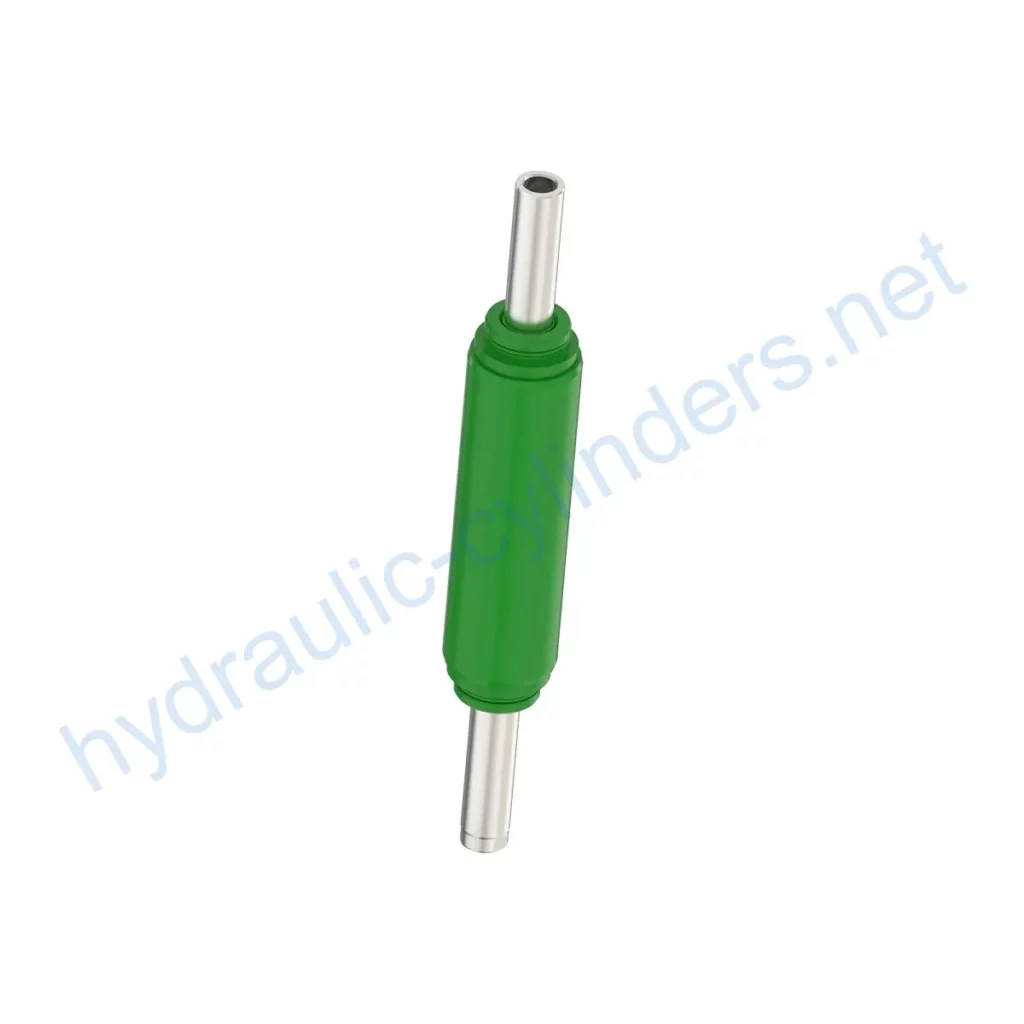
Replacement Of RE284619 Hydraulic Cylinder
Introduksjon:
The Replacement Of RE284619 Hydraulic Cylinder is a vital component used in various machinery, such as the 6140JH, 6155JH, 6165J, 7185J, 7200J, 7205J, 7215J, 7230J, 7715, and 7815 models. This hydraulic cylinder is designed to provide efficient and reliable operation.
Spesifikasjoner:
- Weight: 27.08 lb
- Høyde: 10 cm
- Length: 24.8 in
Funksjoner:
- Forbedret utstyrsytelse: Utskifting av skadede eller slitte hydrauliske sylindere kan gjenopprette utstyrets normale driftsevne, noe som sikrer optimal ytelse i ulike bruksområder.
- Forbedret sikkerhet: Regelmessig utskifting av hydrauliske sylindere kan redusere sikkerhetsfarer forårsaket av sylinderfeil, og dermed sikre både operatørers og utstyrs sikkerhet.
- Overbelastningsbeskyttelse: Nye sylinderdesign har ofte bedre overbelastningsbeskyttelsesmekanismer, noe som forbedrer sikkerheten.
- Rask installasjon: Moderne hydrauliske sylindere er designet for enkel installasjon og utskifting, noe som minimerer nedetid.
- Standardiserte komponenter: Mange hydrauliske sylindere er standardiserte produkter, noe som gjør det enkelt å få tak i reservedeler på markedet.
We specialize in manufacturing replacement hydraulic cylinders that perfectly substitute for the mentioned models. Our products are designed to meet or exceed the performance of the original cylinders.
Bruksområder:
- Gravemaskiner: Hydrauliske sylindere i gravemaskinens armer eller skuffer kan bli skadet på grunn av langvarig bruk eller overbelastning, og må derfor skiftes ut for å gjenopprette normal drift.
- Cranes: The hydraulic cylinders in crane boom systems tend to wear out due to frequent raising and lowering, necessitating regular replacement for safety purposes.
- Tractors: The hydraulic cylinders in front-end loader attachments of tractors may develop leaks or performance issues due to constant lifting and tilting operations, demanding replacement.
- Harvesters: The hydraulic system of harvesters operates under high pressure, and fatigue can cause cylinder damage, requiring timely replacement to maintain work efficiency.
- Automated Production Lines: Hydraulic cylinders are used to control robotic arms and other automated equipment. Cylinder failures can adversely affect production efficiency and should be promptly replaced.
- Die Casting Machines: Hydraulic cylinders in die casting machines may experience decreased performance in high-pressure and high-temperature environments. Regular replacement ensures product quality.
- Gruveutstyr: Hydrauliske sylindere brukes til å løfte og flytte tunge laster i gruveutstyr. På grunn av tøffe arbeidsforhold er regelmessig inspeksjon og utskifting nødvendig for å unngå utstyrsfeil.
- Bulldozers: Wear on hydraulic cylinders in bulldozer blades can lead to reduced pushing power, necessitating timely replacement to maintain operational efficiency.
Vedlikeholdsoppgaver:
- Regular Inspection: Periodically inspecting the hydraulic cylinder for any signs of damage or wear is essential to identify potential issues before they become major problems.
- Proper Lubrication: Adequate lubrication is crucial to ensure smooth operation and prevent premature wear and tear. Using the appropriate hydraulic oil and maintaining the recommended lubrication schedule is important.
- Seal Replacement and Calibration Check: Regularly replacing seals and checking the calibration of the hydraulic cylinder helps maintain its integrity and performance. Proper alignment guidance during installation and the use of suitable mounting brackets are recommended.
Sikkerhetshensyn:
When handling hydraulic cylinders, it is important to follow safety measures to prevent accidents. Proper training and adherence to safety protocols can minimize the risk of injuries and equipment damage.
Feildiagnose og vanlige problemer:
- Leakage: Hydraulic cylinder leakage may indicate a damaged seal or piston. Inspect the cylinder for visible leaks and address the issue promptly.
- Slow Operation: Slow or sluggish cylinder movement can be caused by insufficient lubrication or internal leakage. Check the lubrication levels and seals for proper functioning.
- Irregular Movement: If the hydraulic cylinder exhibits erratic or uneven movement, it may indicate air or debris in the system. Flushing and purging the system can resolve this issue.
- Noise/Vibration: Unusual noise or excessive vibration during cylinder operation can be a sign of misalignment, damaged components, or hydraulic fluid contamination. Thorough inspection and necessary repairs should be performed.
- Complete Failure: Sudden and complete loss of cylinder functionality can occur due to severe damage or hydraulic system failure. In such cases, immediate replacement or repair is required.
Feilsøkingstips og løsninger:
- Refer to the equipment manual for troubleshooting guidance specific to the hydraulic cylinder.
- Sørg for at alle tilkoblinger er sikre og ordentlig strammet.
- Check the hydraulic fluid level and quality, topping up or replacing as necessary.
- Inspect all seals and gaskets for damage or wear and replace if needed.
- If the issue persists, consult a qualified technician or contact our company for further assistance.


Designhensyn og utvalgskriterier:
- Load-Bearing Capacity: The hydraulic cylinder should be selected based on its ability to withstand the maximum anticipated load.
- Sealing: The use of various seals, such as piston seals and rod seals, made from wear-resistant materials like polyurethane and nitrile rubber, ensure effective sealing.
- Durability: The cylinder body and threaded ends undergo precise treatment to enhance wear resistance and prolong service life.
- Safety: The design of the hydraulic cylinder should incorporate safety features, such as overload protection mechanisms and pressure relief valves, to prevent accidents and equipment damage.
- Maintainability: Easy access to components for inspection, repair, and replacement contributes to improved maintenance efficiency.
Tetting og smøring:
The hydraulic cylinder utilizes various seals to prevent fluid leakage. These seals, such as piston seals and rod seals, are made from durable materials like polyurethane and nitrile rubber. The cylinder body and threaded ends are treated to enhance wear resistance. Regular lubrication with the appropriate hydraulic oil is necessary to ensure smooth operation and minimize friction.
Regelmessig inspeksjon og forebyggende vedlikehold:
- Ensure correct installation, lubrication, and adjustment for optimal cylinder performance.
- Sørg for riktig justeringsveiledning under installasjonen.
- Use suitable mounting brackets to secure the cylinder in place.
- Recommend recommended inspection, repair, and replacement procedures.
- Tilby reservedeler og ombyggingstjenester for å forlenge levetiden til den hydrauliske sylinderen.
- Provide