
Fluid Power Engineering Mastery
How to Rebuild a Hydraulic Cylinder: The Ultimate Maintenance Guide
An authoritative and comprehensive technical manual detailing teardown protocols, seal replacement kinematics, barrel honing, rod inspection, and precision reassembly for industrial fluid power actuators.

The Anatomy of Fluid Power Restoration
In the highly demanding sectors of heavy construction, industrial manufacturing, agriculture, and material handling, fluid power systems are the undisputed backbone of mechanical force generation. Hydraulic cylinders endure punishing operational conditions, routinely facing extreme hydrostatic pressures, abrasive environmental contaminants, violent shock loads, and relentless high frequency thermal cycling. Over thousands of operational hours, even the most exquisitely engineered linear actuator will eventually succumb to wear. When a hydraulic cylinder begins to exhibit external fluid leaks, internal pressure bypass causing load drift, or mechanical binding, a critical engineering decision must be made: replace the entire unit, or execute a comprehensive rebuild.
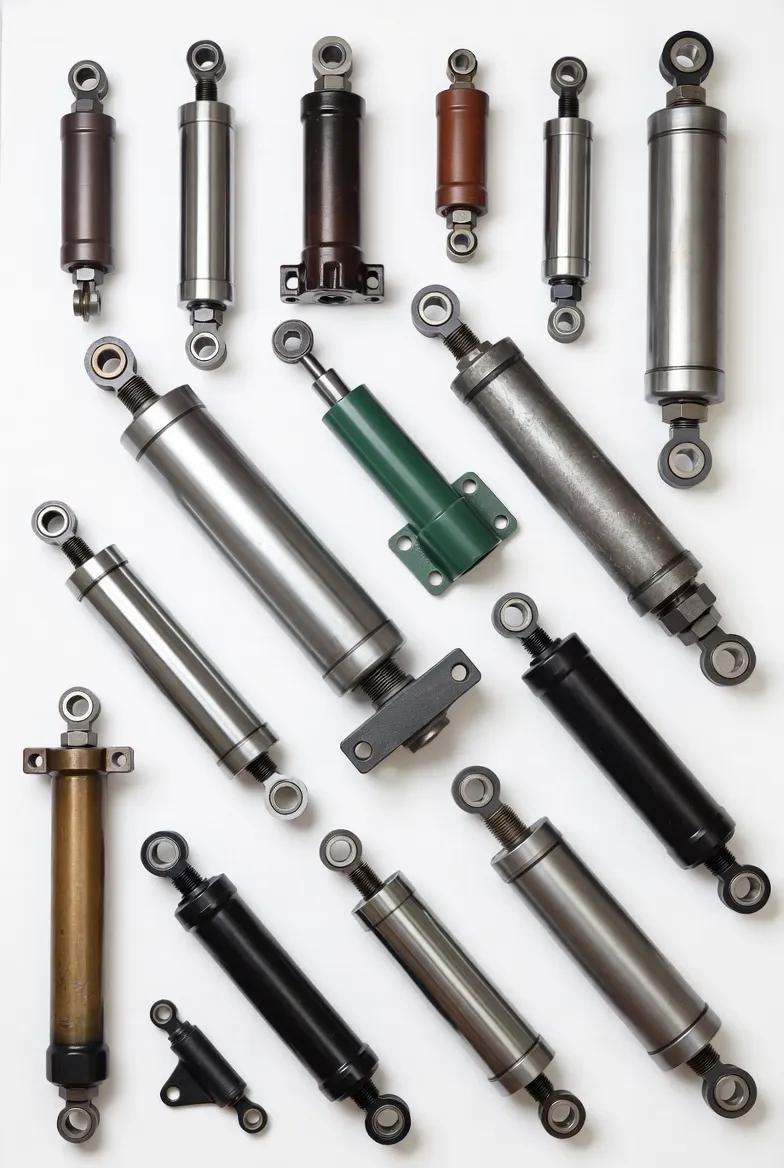
Knowing exactly how to rebuild a hydraulic cylinder is an essential skill for heavy equipment mechanics, industrial maintenance technicians, and fluid power engineers. Rebuilding, often referred to as repacking a hydraulic cylinder, is typically far more cost effective than purchasing a brand new actuator, especially for large bore custom cylinders used in specialized manufacturing presses or massive mining excavators. However, a successful rebuild is not a simple matter of swapping out a few rubber O-rings. It is a highly rigorous, meticulous mechanical procedure that demands a profound understanding of sealing architecture, metallurgical tolerances, and fluid dynamic integrity.
From a rigorous engineering perspective evaluated against international maintenance standards, repacking a hydraulic cylinder requires absolute cleanliness, specialized tooling, and diagnostic expertise. You must be able to properly safely depressurize the system, extract the heavily torqued gland nut, inspect the chrome piston rod for microscopic scoring, evaluate the barrel for ballooning or cavitation damage, and correctly orient advanced polyurethane wiper seals and wear bands. This authoritative, highly detailed technical guide will comprehensively break down the step by step protocols, the physics of seal failure, and the practical application techniques required to master the hydraulic cylinder repair process.
Phase 1: Diagnostics, Safety, and Teardown Preparation
Before wielding a single wrench, an engineer must diagnose the root cause of the failure and establish an absolutely secure, depressurized working environment. Fluid power under pressure is highly lethal.
De-energization and Extraction
A hydraulic cylinder holding a load contains massive stored kinetic energy. You must absolutely ensure the machinery is physically blocked, cribbed, and supported mechanically before disconnecting any hydraulic lines. Shut down the power unit, engage all lockout tagout procedures, and actuate the control valves multiple times to relieve any trapped residual hydrostatic pressure. Slowly crack the hydraulic fittings to allow fluid to bleed into a containment vessel. Once fully drained, utilize heavy duty rigging straps and an overhead crane to safely remove the heavy actuator from the equipment chassis.
Environmental Contamination Control
Hydraulic systems have zero tolerance for particulate contamination. A single grain of sand introduced during the rebuild process can score the barrel and destroy new seals instantly. Before opening the cylinder, the entire exterior must be aggressively cleaned using industrial degreasers and pressure washers to remove all accumulated mud, grease, and abrasive grit. The teardown must be executed in a dedicated, climate controlled clean room environment, utilizing stainless steel workbenches to prevent cross contamination from other machining operations.

Phase 2: The Mechanical Teardown Process
Dismantling a heavy duty linear actuator requires specialized tooling and massive mechanical leverage. The components are often seized due to years of high pressure operation, rust, and thread locking compounds.
Removing the Cylinder Head Gland
The cylinder head, often referred to as the gland or the end cap, seals the front of the barrel and guides the piston rod. In a tie rod cylinder, you must sequentially loosen the four or more external threaded rods. In a welded body cylinder, the gland is typically threaded directly into the barrel or held by a heavy duty internal snap ring. Removing a threaded gland requires a specialized adjustable spanner wrench or a custom pin wrench. Because these glands are torqued to hundreds of foot pounds at the factory, mechanics often utilize hydraulic breakout benches or massive cheater bars to break the static friction. Heat induction may also be applied carefully to soften industrial thread lockers.
Extracting the Rod and Piston Assembly
Once the gland is fully unthreaded or unbolted, the entire rod and piston assembly must be carefully pulled out of the cylinder barrel. This must be done with extreme lateral precision to ensure the heavy steel piston does not drag aggressively against the honed interior wall of the barrel, which would cause severe scoring. Overhead hoists are typically used to pull the rod perfectly straight. As the assembly emerges, residual hydraulic oil will spill; ensure drip pans are positioned accordingly. Place the extracted rod assembly on padded V blocks on the workbench to protect the polished chrome surface from accidental impacts.

Phase 3: Critical Inspection and Diagnostics
Before installing a new hydraulic cylinder seal kit, every single hard metallic component must undergo a microscopic evaluation. Installing new seals over damaged steel is a guaranteed formula for immediate, catastrophic repeat failure.
Evaluating the Chrome Piston Rod
The piston rod must be visually and dimensionally inspected. Run your fingernail over the entire length of the chrome plating. If your nail catches on any vertical scratches, pits, or flaking chrome, the new rod seal will be instantly shredded upon reassembly. Minor imperfections can sometimes be polished out with ultra fine emery cloth, but deep scoring dictates the rod must be completely re-chromed or entirely replaced. Furthermore, the rod must be placed on a lathe and checked with a dial indicator for straightness; a bent rod will cause severe side loading and immediate gland failure.
Inspecting the Cylinder Barrel
Utilize a high intensity bore light to visually inspect the interior wall of the cylinder tube. Look for longitudinal scoring caused by contaminated fluid or shattered internal wear rings. Use a telescoping bore gauge to measure the internal diameter at multiple points to check for ballooning. If the barrel is out of round due to extreme pressure spikes, the piston seals will blow out. Minor internal scoring can be repaired using a specialized cylinder hone to restore the microscopic cross hatch pattern necessary for seal lubrication, but severe gouges require total barrel replacement.
Piston and Gland Integrity
The solid steel piston and the bronze or ductile iron head gland must be inspected for physical cracks or galling. To remove the piston from the rod, you must break the torque on the massive retaining nut, which often requires a heavy impact wrench or a hydraulic torque multiplier. Inspect the threads on the rod and the piston nut for shear damage. If the bearing surfaces inside the gland are worn out of tolerance, the rod will deflect during operation, requiring the gland to be re-machined and sleeved, or entirely discarded.
Phase 4: Advanced Seal Replacement Architecture
Replacing the elastomeric components is the absolute heart of the hydraulic cylinder repair process. Hydraulic seals are highly specialized polymer components designed to block pressurized fluid while enduring immense kinetic friction. When repacking a hydraulic cylinder, you must utilize specialized brass or plastic seal picks; never use hardened steel screwdrivers, as you will instantly scratch the delicate metal seal grooves, creating permanent internal leak paths.
- ✔️
Installing the Piston Seals: The piston utilizes heavy duty bidirectional seals, commonly energized PTFE rings or robust polyurethane U cups, to separate the high pressure extension and retraction chambers. These seals are incredibly stiff and difficult to install. Mechanics often use hot water or specialized seal heating ovens to soften the polymers, expanding them slightly so they can be stretched over the piston and seated into their grooves. Once installed, a ring sizing tool compressor is utilized to tightly shrink the seal back to its original tolerance before inserting it into the barrel.
- ✔️
Gland and Rod Seal Architecture: The cylinder head gland houses multiple critical seals. The primary high pressure rod seal often a loaded U cup faces inward to block the hydrostatic pressure. The heavy duty wiper seal or dust scraper faces outward, acting as the primary defense line against environmental mud, ice, and concrete dust. In between, specialized synthetic wear rings or bronze guide bands are installed to physically prevent the steel rod from touching the metal interior of the gland. It is absolutely critical that the U cup lips are installed facing the pressure source.
- ✔️
Static O-Rings and Backup Rings: All stationary mating surfaces, such as the interface between the gland and the barrel, or the piston to the rod, are sealed using static O-rings. Because standard O-rings will extrude and shred under extreme high pressure, they must be installed alongside rigid Teflon or nylon backup rings. These backup rings physically close the microscopic gap between the steel components as pressure swells, securing the O-ring in place.

Phase 5: Precision Reassembly and Pressure Testing
The final phase of how to rebuild a hydraulic cylinder is the critical reassembly and validation process. Mating tightly toleranced steel components fitted with brand new, rigid seals requires extreme care and massive lubrication. All internal components must be heavily coated in clean hydraulic assembly grease or the specific hydraulic oil the system will utilize.
The piston must be torqued back onto the rod to the exact OEM specification using a calibrated torque multiplier; an under-torqued nut will violently back off during operation, destroying the barrel. To insert the piston assembly back into the barrel, mechanics utilize a specialized piston ring compressor sleeve. This tool funnels the stiff seals safely past the chamfered edge of the barrel without pinching or slicing the polyurethane lips. Once the rod is fully inserted, the cylinder head gland is heavily torqued back into the barrel. Finally, the rebuilt actuator cannot be returned to the field without undergoing a rigorous hydrostatic pressure test on a dedicated test bench. The cylinder is cycled multiple times to bleed all trapped air, and then subjected to pressures exceeding its maximum operational rating to absolutely guarantee zero internal or external fluid bypass.

Conclusion: The Art of Fluid Power Restoration
Mastering the hydraulic cylinder repair process is an invaluable engineering capability that drastically extends the life of massive capital equipment. By adhering to uncompromising cleanliness standards, executing microscopic diagnostic inspections of the rod and barrel, understanding the complex architecture of high pressure polymer seals, and performing rigorous hydrostatic validation, technicians can restore a failed actuator to its original factory performance specifications. A properly executed rebuild not only saves tens of thousands of dollars in replacement costs but ensures the absolute operational safety and unyielding mechanical force required across the global industrial landscape.