

Siłownik ramienia do Nante NT08
Jako jeden z producentów, dostawców i eksporterów produktów mechanicznych, oferujemy cylindry hydrauliczne i wiele innych produktów.
Prosimy o kontakt w celu uzyskania szczegółowych informacji.
Poczta:sales@hydraulic-cylinders.net
Producent dostawca eksporter siłowników hydraulicznych.
Siłownik ramienia do Nante NT08
Wstęp
The arm cylinder, also known as an hydraulic cylinder, is a specially designed hydraulic actuator used to provide linear motion and power to the arm of various types of machinery, such as excavators, cranes, and robotic arms. The arm cylinder plays a crucial role in hydraulic systems, enabling the efficient movement and control of additional tools or attachments. These cylinders not only provide smooth motion but also withstand heavy loads, ensuring efficient operation and reliability of the machinery in various working conditions.
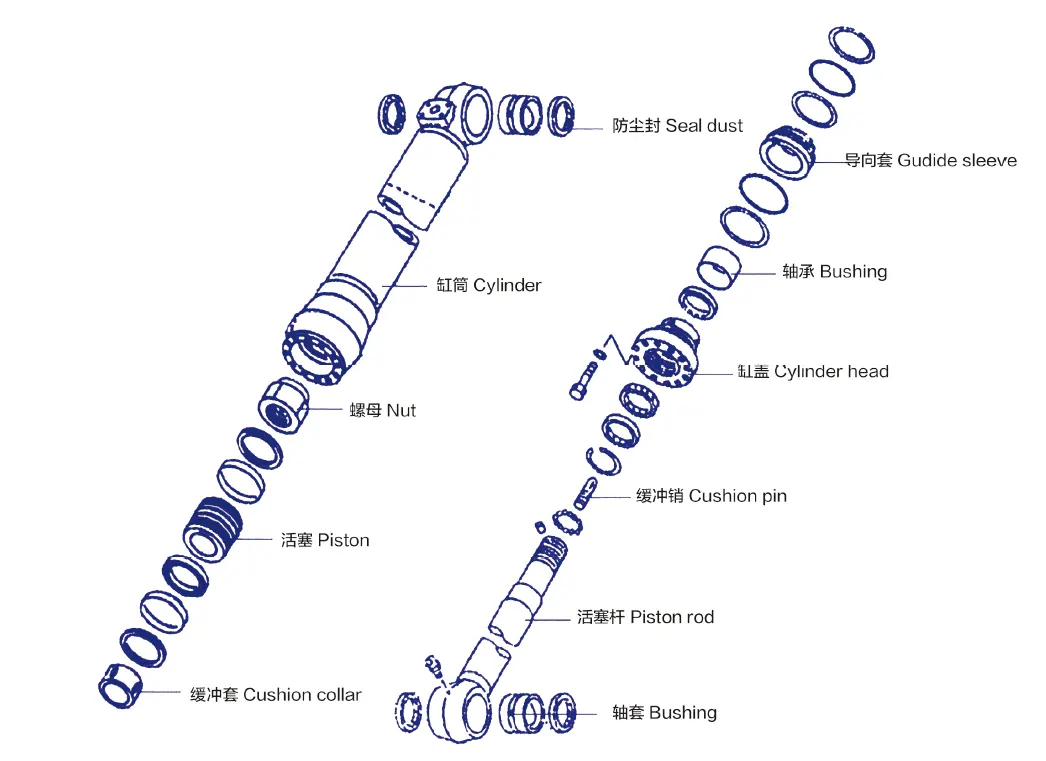
Cechy
- Wysoka wydajność transmisji: Siłownik ramienia zapewnia mocny ruch liniowy i siłę, gwarantując wysoką wydajność ramienia mechanicznego podczas różnych operacji.
- Precyzyjna kontrola: Dzięki układowi hydraulicznemu siłownik ramienia zapewnia precyzyjną kontrolę ruchu, co sprawia, że obsługa dodatkowych narzędzi jest bardziej elastyczna i dokładna.
- Trwałość: Cylindry ramienia są zazwyczaj wykonane z materiałów o wysokiej wytrzymałości, charakteryzujących się doskonałą odpornością na zużycie i korozję, dzięki czemu nadają się do długotrwałego użytkowania w trudnych warunkach.
- Wielofunkcyjna adaptowalność: These cylinders can be widely used in various machinery equipment, such as excavators, cranes, and robotic arms, to accommodate different job requirements.
- Łatwość konserwacji: The design of the arm cylinder takes into consideration ease of maintenance and replacement, making regular inspections and upkeep more convenient, thus reducing equipment downtime.

Aplikacje
Siłownik ramieniowy znajduje zastosowanie w różnych gałęziach przemysłu:
1. Inżynieria budowlana
W koparkach i dźwigach siłownik ramienia służy do sterowania ruchem łyżki lub wysięgnika podczas robót ziemnych, przenoszenia materiałów i instalacji konstrukcyjnych.
2. Produkcja
W zautomatyzowanych liniach produkcyjnych siłownik ramienia jest stosowany do poruszania ramionami robota w procesach takich jak montaż, spawanie i obsługa materiałów, co zwiększa wydajność i precyzję produkcji.
3. Maszyny rolnicze
In agricultural machinery such as harvesters and seeders, the arm cylinder controls the movement of the operating arm for tasks such as planting, fertilizing, and harvesting.
4. Górnictwo
W sprzęcie górniczym siłownik ramienia służy do sterowania ruchem ramienia maszyn górniczych służących do wydobywania i transportu rudy.
5. Logistyka i transport
W wózkach widłowych i robotach przeładunkowych siłownik ramienia steruje podnoszeniem i ruchem wideł, umożliwiając przenoszenie i układanie materiałów.

Zagadnienia projektowe i kryteria wyboru
Przy projektowaniu i doborze cylindrów ramieniowych należy wziąć pod uwagę kilka czynników:
1. Nośność
The arm cylinder should be able to withstand the expected loads and forces encountered during operation.
2. Uszczelnienie
Various sealing elements, such as piston seals and rod seals, should be used to ensure proper sealing. These seals are typically made of wear-resistant materials like polyurethane and nitrile rubber. The surface of the cylinder body and threaded end should also undergo careful processing to improve wear resistance.
3. Trwałość
The arm cylinder should be constructed using high-quality materials and manufacturing processes to ensure durability and resistance to wear and corrosion.
4. Bezpieczeństwo
Safety considerations, such as pressure relief valves and emergency stop systems, should be incorporated into the design to prevent accidents and protect operators.
5. Konserwacja
Regular lubrication with appropriate hydraulic oil and periodic inspection are necessary for maintaining the performance and longevity of the arm cylinder.

Inspekcja i konserwacja zapobiegawcza
To ensure optimal performance and longevity of the arm cylinder, the following inspection and preventive maintenance measures should be taken:
1. Regularne kontrole
Inspect the arm cylinder for any signs of wear, leakage, or damage. Check the seals, connections, and hydraulic lines for proper functioning.
2. Smarowanie
Add an appropriate amount of hydraulic oil to ensure proper lubrication of the cylinder components.
3. Maintenance Schedule
Adhere to a regular maintenance schedule, including cleaning, lubrication, and replacement of worn-out parts as needed.
4. Proper Storage
When the arm cylinder is not in use, store it in a clean and dry environment to protect it from contamination and corrosion.
Instrukcja instalacji produktu
Aby prawidłowo zamontować cylinder ramienia, należy wykonać następujące czynności:
- Ensure the machinery is properly supported and in a safe position.
- Remove any existing cylinder or component that the new arm cylinder will replace.
- Attach the arm cylinder to the designated mounting points using appropriate bolts and hardware.
- Dokładnie dokręć wszystkie połączenia.
- Connect the hydraulic lines to the appropriate ports, ensuring correct alignment.
- Check for any leaks and perform a pressure test to ensure proper installation.

Zagadnienia bezpieczeństwa i czynniki środowiskowe
When working with arm cylinders, safety measures are of utmost importance:
It is essential to follow all recommended safety procedures and regulations while operating machinery equipped with arm cylinders. This includes wearing appropriate personal protective equipment, implementing lockout/tagout procedures when performing maintenance, and ensuring proper training for operators.
Additionally, considering environmental factors such as temperature, humidity, and exposure to corrosive substances is crucial to maintain the performance and longevity of the arm cylinder. Regular inspections and proper maintenance help mitigate potential environmental risks.
Rozwiązywanie problemów i typowe problemy
When encountering issues with the arm cylinder, the following troubleshooting tips and solutions can help diagnose and resolve problems:
- Numer 1: Cylinder nie wysuwa się lub nie chowa prawidłowo.
- Numer 2: Nadmierny hałas lub wibracje podczas pracy.
- Numer 3: Slow or jerky movement of the arm.
- Numer 4: Cylinder seal failure or leakage.
- Issue 5: Overheating of the hydraulic system.
Rozwiązanie: Check for hydraulic leaks, ensure proper fluid levels, and inspect the seals for any damage or wear.
Rozwiązanie: Inspect the mounting points and connections for loose or damaged components. Check for worn-out or misaligned parts.
Rozwiązanie: Ensure the hydraulic system is properly maintained and the fluid is clean. Check for clogged filters or restrictions in the hydraulic lines.
Rozwiązanie: Replace the damaged seals with new ones made from suitable materials and ensure proper installation and alignment.
Rozwiązanie: Check for excessive fluid levels, dirty filters, or inadequate cooling. Address any issues with the hydraulic system to prevent overheating.
Remember to organize the article logically, use subheadings for easy navigation, incorporate relevant images or charts to enhance understanding, and ensure the content is clear, concise, and suitable for readers with varying levels
Siłownik hydrauliczny Zastosowanie:

 PL
PL  EN
EN  PT
PT  ES
ES  DE
DE  FR
FR  IT
IT  AR
AR  ZH
ZH  RU
RU  KO
KO  KA
KA  BG
BG  CS
CS  DA
DA  EL
EL  ET
ET  FI
FI  HU
HU  ID
ID  LT
LT  LV
LV  NB
NB  NL
NL  RO
RO  SK
SK  SL
SL  SV
SV  TR
TR  UK
UK