
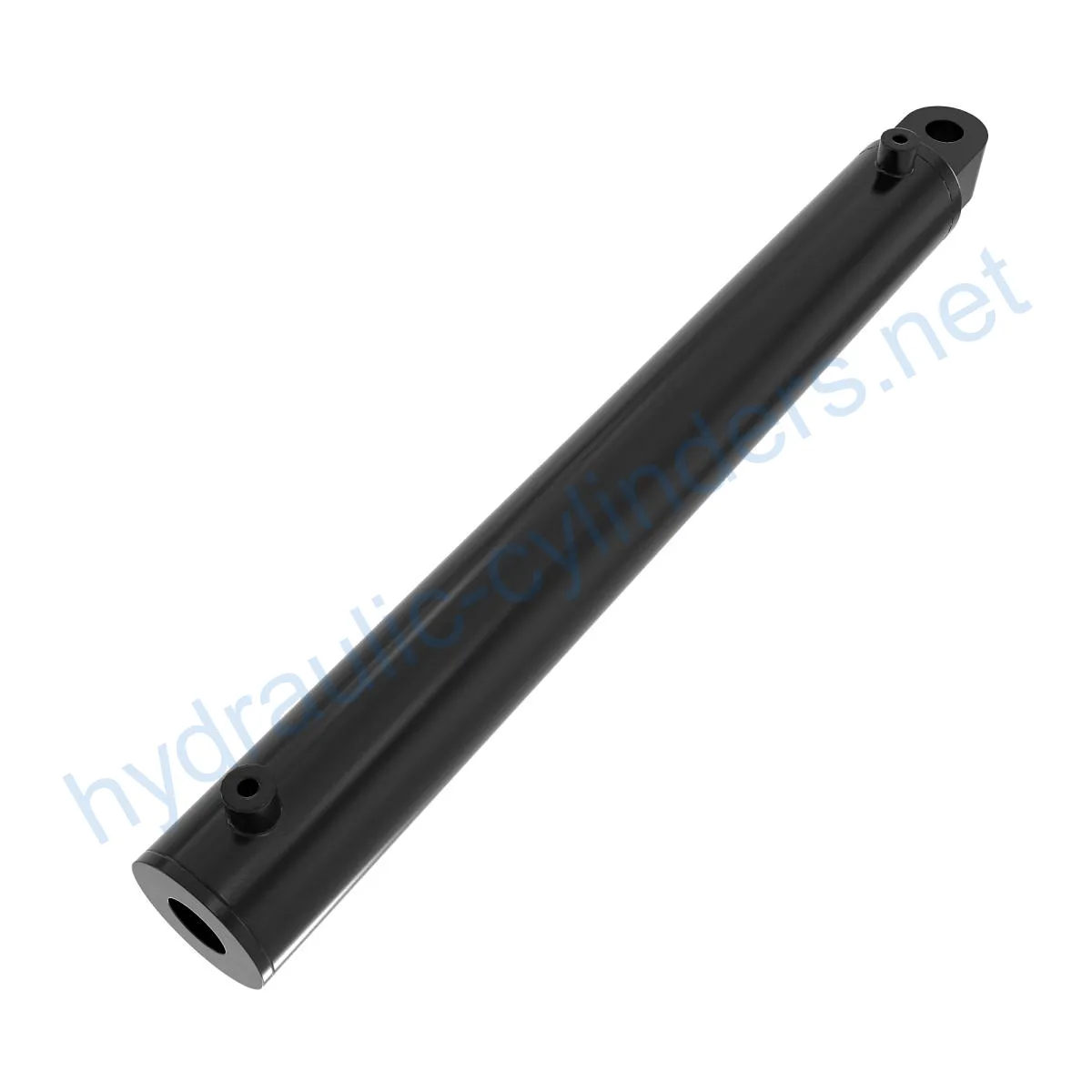
Wymiana siłownika hydraulicznego składania zewnętrznego skrzydła AN209614
Jako jeden z producentów, dostawców i eksporterów produktów mechanicznych, oferujemy cylindry hydrauliczne i wiele innych produktów.
Prosimy o kontakt w celu uzyskania szczegółowych informacji.
Poczta:sales@hydraulic-cylinders.net
Producent dostawca eksporter siłowników hydraulicznych.
Replacement Of AN209614 Outer Wing Fold Hydraulic Cylinder
Wprowadzenie do produktu
The Replacement Of AN209614 Outer Wing Fold Hydraulic Cylinder is a hydraulic cylinder used for the outer wing fold mechanism. It plays a crucial role in extending and retracting the wing during the folding process of the aircraft. With a weight of 31.89 lb, height of 3 in, width of 4 in, and length of 31 in, this hydraulic cylinder is designed to meet the specific requirements of the aircraft models 4920, 4930, and 4940.
Specifications and Model Compatibility
Dane techniczne:
- Weight: 31.89 lb
- Wysokość: 3 cale
- Szerokość: 4 cale
- Długość: 31 cali
Compatible Models: 4920, 4930, 4940
Cechy produktu
- Improved Equipment Performance: Replacing damaged or worn hydraulic cylinders restores the normal operational capability of the equipment, ensuring its performance in various applications.
- Większe bezpieczeństwo: Regularna wymiana cylindrów hydraulicznych zmniejsza zagrożenia bezpieczeństwa spowodowane awariami cylindrów, zapewniając bezpieczeństwo operatorów i sprzętu.
- Zabezpieczenie przed przeciążeniem: Nowe konstrukcje cylindrów często zawierają lepsze mechanizmy zabezpieczające przed przeciążeniem, co poprawia bezpieczeństwo.
- Szybka instalacja: Nowoczesne siłowniki hydrauliczne są projektowane z myślą o łatwości instalacji i wymiany, co minimalizuje przestoje.
- Standaryzowane komponenty: Wiele siłowników hydraulicznych to produkty standaryzowane, co ułatwia dostęp do części zamiennych na rynku.
Zastosowanie produktu
Examples of application scenarios:
- Excavators: The hydraulic cylinders in the excavator’s boom or bucket may get damaged due to prolonged use or overload, requiring replacement to restore normal operation.
- Cranes: The hydraulic cylinders in a crane’s boom are prone to wear and tear during frequent lifting and lowering processes, necessitating regular replacement for safety purposes.
- Tractors: The hydraulic cylinders in the front-end loader of a tractor may experience leaks or performance decline during continuous lifting and tilting operations, requiring replacement.
- Harvesters: The hydraulic system of a harvester operates under high pressure during harvesting, and fatigue can cause cylinder damage, requiring timely replacement to maintain work efficiency.
- Automated Production Lines: Hydraulic cylinders are used to control robotic arms and other automated equipment. Cylinder failure can impact production efficiency and needs to be replaced immediately.
Zadania konserwacyjne
Do typowych zadań konserwacyjnych należą:
- Regular Inspections: Perform routine inspections to identify any signs of wear, leaks, or damage to the hydraulic cylinder.
- Właściwe smarowanie: Stosuj odpowiednie smarowanie, aby zapewnić płynną pracę i zapobiec nadmiernemu tarciu.
- Wymiana uszczelek: W razie potrzeby wymieniaj uszczelki, aby zachować odpowiednią szczelność i zapobiec przeciekom.
- Kontrole kalibracji: Należy okresowo sprawdzać i kalibrować siłownik hydrauliczny, aby zapewnić jego dokładne działanie.
Zagadnienia bezpieczeństwa i czynniki środowiskowe
When working with hydraulic cylinders, it is important to follow safety measures to prevent accidents. Proper use of safety equipment, such as gloves and protective eyewear, is crucial. Additionally, considering environmental factors, such as temperature and humidity, can help optimize the performance and longevity of the hydraulic cylinder.
Rozwiązywanie problemów i typowe problemy
Common issues and troubleshooting:
- Leakage: If the hydraulic cylinder is leaking, check for damaged seals or fittings and replace them accordingly.
- Insufficient Power: If the cylinder fails to provide sufficient power, inspect the hydraulic fluid levels and ensure no blockages or restrictions in the system.
- Inconsistent Operation: If the cylinder operates inconsistently, check for obstructions, damaged components, or improper alignment.
- Noise or Vibration: Unusual noise or vibration may indicate a misalignment or worn-out parts. Inspect and replace as necessary.
Środki zapobiegawcze
Aby zminimalizować potencjalne problemy, należy rozważyć podjęcie następujących środków zapobiegawczych:
- Regular Maintenance: Implement a scheduled maintenance routine, including inspections, lubrication, and seal replacements.
- Proper Installation: Ensure correct alignment and guidance during the cylinder installation process. Use appropriate installation supports to secure the cylinder in place.
- Recommended Inspection, Repair, and Replacement Procedures: Follow recommended procedures for inspecting, repairing, and replacing hydraulic cylinder components. Consider utilizing parts replacement and rebuilding services to ensure longevity.
- Tips for Extending Lifespan: Implement techniques, such as using quality seals and lubricants, to extend the lifespan of the hydraulic cylinder.
Zagadnienia projektowe i kryteria wyboru
When selecting a hydraulic cylinder, important design considerations include:
- Load-Bearing Capacity: Choose a cylinder with the appropriate load-bearing capacity to ensure optimal performance.
- Sealing Capability: Consider the sealing capabilities of the cylinder to prevent leaks and maintain efficiency.
- Durability: Opt for a durable cylinder that can withstand the demands of the application and provide long-lasting performance.
- Safety: Prioritize cylinders with safety features that provide protection against overload or other potential hazards.
- Maintainability: Select cylinders that are easily maintainable, with readily available replacement parts and accessible repair procedures.
Uszczelnianie i smarowanie
Proper sealing and lubrication are essential for the hydraulic cylinder’s performance and longevity. This includes using various seals, such as piston seals and rod seals, made of wear-resistant materials like polyurethane or nitrile rubber. The cylinder body and threaded end surfaces undergo precise treatment to enhance wear resistance. Regular lubrication with the appropriate amount of hydraulic oil is necessary to ensure smooth operation.
Regularne kontrole i środki konserwacji zapobiegawczej
Important preventive maintenance measures include:
- Proper Installation: Provide guidance on aligning the cylinder correctly during installation and recommend the use of suitable installation supports to secure the cylinder in place.
- Recommended Inspection, Repair, and Replacement Procedures: Outline the recommended procedures for inspecting, repairing, and replacing hydraulic cylinder components. Offer replacement parts and rebuilding services to extend the lifespan of the product.
- Correct Product Installation Guide: Provide a comprehensive installation guide to ensure the hydraulic cylinder is installed correctly and performs optimally.
Zagadnienia bezpieczeństwa i czynniki środowiskowe
When working with hydraulic cylinders, it is important to follow safety measures to prevent accidents. Proper use of safety equipment, such as gloves and protective eyewear, is crucial. Additionally, considering environmental factors, such as temperature and humidity, can help optimize the performance and longevity of the hydraulic cylinder.
Rozwiązywanie problemów i typowe problemy
Common issues and troubleshooting:
- Leakage: If the hydraulic cylinder is leaking, check for damaged seals or fittings and replace them accordingly.
Siłownik hydrauliczny Zastosowanie:

 PL
PL  EN
EN  PT
PT  ES
ES  DE
DE  FR
FR  IT
IT  AR
AR  ZH
ZH  RU
RU  KO
KO  KA
KA  BG
BG  CS
CS  DA
DA  EL
EL  ET
ET  FI
FI  HU
HU  ID
ID  LT
LT  LV
LV  NB
NB  NL
NL  RO
RO  SK
SK  SL
SL  SV
SV  TR
TR  UK
UK